Support

National Railway Museum

About

The National Railway Museum is more than just an exhibition; it is a true immersion into the history of railways in the United Kingdom. Located in the city of York, near Leeds, this museum is widely considered the largest of its kind in the world. It is dedicated to the profound impact railway transport has had on the development of society.
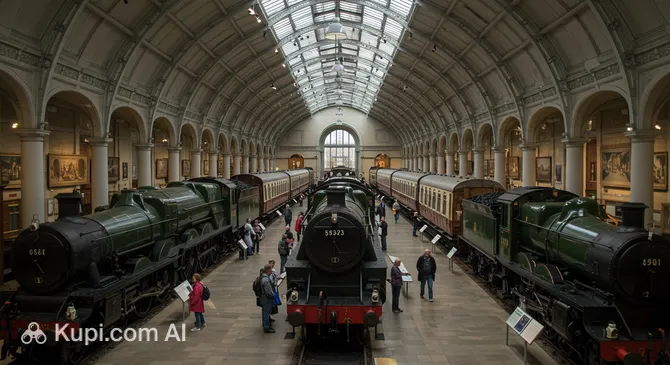
National Railway Museum. Illustration.
Source: Kupi.com AI

Traveler photos:

Its impressive collection features hundreds of unique items, from vintage steam engines to modern locomotives, including the famous Mallard and Flying Scotsman, as well as the Japanese Shinkansen bullet train. Visitors can see legendary trains and luxurious royal carriages, each telling its own story. The exhibition vividly demonstrates how technology evolved and how people's lives changed with the advent of the railway.

One of the museum's main features is its interactivity. Unlike traditional exhibitions where machinery stands motionless on platforms, many exhibits here are placed on actual railway tracks. This allows you to view the giant machines from all angles and better understand their mechanics, making the visit particularly memorable for guests of all ages.

Contacts

To plan your visit, check opening hours, or find out about temporary exhibitions, it is recommended to visit the museum's official website or contact its representatives directly. All the necessary contact information is provided below.

How to contactContact
AddressLeeman Rd, York YO26 4XJ, UK
Phone number+44 330 058 0058
Websitewww.railwaymuseum.org.uk

What to Do

Visiting the National Railway Museum is a unique opportunity to see the legends of British engineering firsthand. It houses an impressive collection of historical locomotives and carriages, including iconic exhibits such as the first steam locomotive built in England in 1814 and the famous Flying Scotsman. The collection features locomotives from the "Big Four" railway companies of the United Kingdom: Great Western Railway (GWR), London, Midland and Scottish Railway (LMS), Southern Railway (SR), and London and North Eastern Railway (LNER).

The museum's standout feature is its dynamic nature. Visitors can not only view static exhibits but also watch locomotives moving along specially laid tracks. This creates a lively atmosphere and provides a better understanding of how the railway system operated in the past. The exhibition is thoughtfully designed to include both operational steam engines and historical models grouped by condition and year of manufacture, making the visit educational for all ages.

Getting There

Getting to the National Railway Museum is very easy thanks to its exceptionally convenient location. The museum is situated within walking distance of York’s main railway station. For visitors arriving by train, there is a direct and well-signposted pedestrian route leading from the station straight to the museum entrance. This makes the journey as comfortable as possible, as no additional transport is required upon arrival in York.

Since the museum is located in York, it is easily accessible from nearby cities such as Leeds. A train journey from Leeds to York typically takes about 30 minutes, making the museum an excellent choice for a day trip. York is a major railway hub in the United Kingdom, with regular train services from London, Manchester, Edinburgh, and other major cities across the country.

If you are traveling by car, there is a paid parking lot adjacent to the museum. However, please note that spaces may be limited during peak hours. For those already in York city center, the walk to the museum takes about 10–15 minutes and offers a chance to enjoy the city views. Additionally, local taxis are always available to quickly take you to your destination from any point in the city.

Nearest city: Leeds

History & Facts

The history of the National Railway Museum dates back to the late 19th century, when railway companies in the United Kingdom began to realize the importance of preserving their heritage. It all started with an initiative by J.B. Harper of the North Eastern Railway in the 1880s, who began collecting historical artifacts. A major milestone was the 1925 centenary celebration of the first railway, where retired locomotives and carriages were gathered and displayed to the public near York. This event laid a solid foundation for a permanent exhibition.

Inspired by the success of the exhibition, the London and North Eastern Railway (LNER) officially opened a museum in York in 1928, which became the predecessor of the modern one. E.M. Bywell was appointed as the first curator. The exhibition was split: smaller items were housed in the old station building, while rolling stock and other large exhibits were kept in former repair shops. This concept was one of the first steps toward creating a museum where machinery was not just on pedestals but positioned on actual tracks, allowing massive exhibits to be moved easily.

Initially, the museum's collection consisted primarily of items belonging to the North Eastern Railway and the Great Northern Railway—companies that merged into LNER. An interesting fact: the other three railway companies of the famous "Big Four" initially showed little interest in the initiative. However, over time, each of them contributed a locomotive to the museum, marking the start of a truly national collection. These early gatherings became the core of the modern National Railway Museum, which is now housed in the atmospheric building of a former engine shed.

Time Needed

When planning a visit to the National Railway Museum, it is worth setting aside at least half a day. To immerse yourself in the atmosphere without rushing and to explore the main exhibits across several spacious halls in detail, we recommend allocating 3 to 4 hours. This time will be sufficient not only to see world-famous locomotives like the Mallard and the Flying Scotsman but also to appreciate the scale of the collection, which includes royal carriages and unique historical artifacts.

If your time is limited, you can plan a more condensed route of 2–3 hours, focusing on the most iconic exhibits in the Great Hall. However, for true railway history enthusiasts and those who enjoy examining technical details, a visit could easily take 5 hours. Given the museum's size and the variety of its collection—from interactive displays to entire trains you can board—extra time will allow you to get the most out of your visit.

Working Hours

The National Railway Museum in York is typically open to visitors daily from 10:00 to 17:00. The museum is open year-round, except for a short break during the Christmas holidays (December 24, 25, and 26). As opening hours may change depending on the season or special events, it is recommended to check the most up-to-date information on the museum's official website before planning your visit.

Although museum entry is free, visitors are strongly encouraged to book tickets in advance online, especially during peak times such as weekends and school holidays. Pre-booking helps ensure guaranteed entry and makes for a more comfortable visit. You can book a free ticket on the museum's official website by choosing a convenient date and time for your visit.

10:00 – 17:00

Nearby

A visit to the National Railway Museum is an exciting adventure in its own right, but exploring the surrounding area can make your trip even more fulfilling. Discovering nearby attractions allows you to dive deeper into the culture and history of the region while uncovering new interesting spots.

Although the museum itself is located in York, its proximity to Leeds makes it a convenient starting point for exploring other parts of the United Kingdom. Nearby, you can find both nature parks and other cultural sites that will perfectly complement your travel experience.

NameDistance
The Motorist20.2 km
Knaresborough Castle and Courthouse Museum24.9 km
Knaresborough Viaduct25.1 km
Rudding Park25.9 km
Harewood House29 km
Nidd Hall30.4 km
Temple Newsam30.7 km

Have you reached the end of the page?

So the route has been studied inside and out