Support

National Trust - River Wey & Godalming Navigations

About

The Wey & Godalming Navigations are among the oldest and most picturesque navigable systems in the United Kingdom. Stretching nearly 32 kilometers, this waterway connects the River Thames with the cozy town of Godalming, passing through historic Guildford. Today, this unique engineering heritage is protected by the National Trust and offers tourists a perfect blend of history and serene nature.
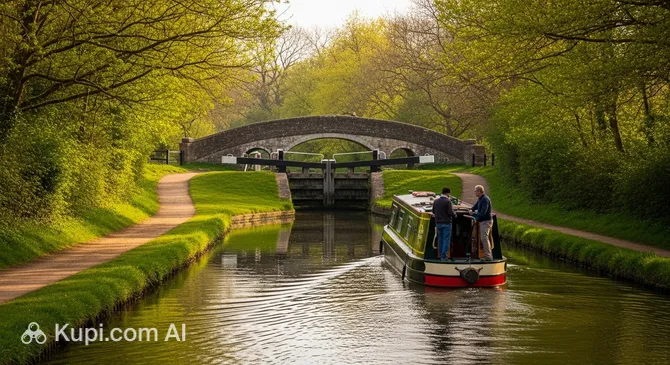
River Wey and Godalming Navigations. Illustration.
Source: Kupi.com AI

Traveler photos:

The system is a remarkable symbiosis of the natural River Wey and man-made canals. The 22-meter elevation change is managed through 16 historic locks, many of which retain their original mechanisms. This site is not just a monument to technology, but also a vital part of the landscape located near London, where you can escape the hustle and bustle of the city.

The heart of the navigation is Dapdune Wharf in Guildford—a historic shipyard where powerful barges were once built to transport goods. Visitors can see preserved lock-keepers' cottages and traditional boats that were once the backbone of the local economy. This place attracts hikers, history buffs, and those seeking inspiration in the quiet flow of water and the greenery of the English counties.

Contacts

For more details before your trip or to book excursions, you can use the following contact information. It is recommended to check the official National Trust resource in advance, as visiting conditions may vary depending on the season.

How to contactContact
AddressThames Lock, Jessamy Rd, Weybridge KT13 8LG, Великобритания
Phone+44 1932 843106
Websitewww.nationaltrust.org.uk

What to Do

Visiting the Wey & Godalming Navigations is a wonderful opportunity to immerse yourself in the atmosphere of a relaxed countryside getaway. One of the most popular activities here is a boat or canoe trip. You can rent a vessel or join an organized tour to see the historic locks and bridges from the water. It is particularly fascinating to watch the mechanisms work, as they have remained unchanged for centuries.

At Dapdune Wharf, be sure to visit the interactive museum. Here you can learn about the lives of the boatmen, see how the famous barges were built, and even try your hand at model making. Special educational programs are provided for children, turning the study of history into an engaging game. A walk along the towpaths will reveal picturesque views of Surrey's meadows and woods, where rare birds and wildlife can often be spotted.

Active lifestyle enthusiasts will appreciate the excellent conditions for cycling and fishing. The canal banks are ideal for family picnics—there are plenty of quiet spots to sit on the grass and enjoy the silence. Look out for the unusual "rollers" at the canal bends—these are old engineering devices that helped horses pull heavy barges by preventing the ropes from fraying against the bank.

Getting There

Getting to this attraction from central London is quite simple. The most convenient way is to take a South Western Railway train from Waterloo Station. The journey to Weybridge station takes about 30–40 minutes, followed by a pleasant 15-minute walk or a short taxi ride to Thames Lock.

If you prefer to travel by car, follow the A3 or M25 motorways. The drive takes between 30 and 45 minutes depending on traffic. You can leave your car at the Dapdune Wharf car park in Guildford or directly at some of the locks, but keep in mind that parking fees may apply for non-National Trust members.

For outdoor enthusiasts, there are scenic cycle paths stretching from the Thames through Guildford to Godalming. You can also arrive on your own boat by entering the navigation system directly from the River Thames via Thames Lock, which makes for a truly unforgettable start to your journey.

Nearest city: London

History & Facts

The history of the Wey & Godalming Navigations began back in 1651. The project was initiated by Sir Richard Weston, who set out to make the winding and temperamental River Wey navigable. Inspired by cutting-edge engineering solutions from the Netherlands, he oversaw the works where 200 laborers (navvies) dug 14.4 km of artificial canals and built 12 locks in just two years. This allowed Guildford to be connected to the Thames and significantly simplified the transport of goods.

An interesting fact: the navigation played a key role in rebuilding the capital after the Great Fire of London in 1666. Huge volumes of timber required for building new houses were delivered via these waterways. In the mid-18th century, the system was extended to Godalming under the guidance of engineers John Smeaton and Richard Steadman, adding several more locks and stretches of water.

For centuries, the management of the canals was a family affair. From 1812, the Stevens family looked after the locks, while at Dapdune Wharf, the Edwards family built the famous cargo barges. These vessels could carry up to 90 tons of cargo while being pulled by just two horses. Despite the advent of railways, the canals remained a vital transport artery until the mid-20th century, when the last commercial barge completed its final journey.

In 1964 and 1968, Harry Stevens donated the navigation rights to the National Trust. Thanks to this, this unique monument of 17th-century engineering was not abandoned but transformed into a protected historic site and a popular recreation spot that preserves the spirit of old England.

Time Needed

To fully experience the atmosphere of this place, it is worth setting aside 3 to 5 hours for a visit. This is enough time to explore the historic Dapdune Wharf, take a leisurely stroll along the banks, and perhaps enjoy a short boat trip.

If you plan to have a full outdoor picnic or cycle the entire route, exploring the navigation can take a whole day. For those short on time, an hour is enough to see the locks in action and take some beautiful photos by the water.

Working Hours

The waterway system and towpaths themselves are open 24/7 every day, allowing you to enjoy views of the canal at any time. However, please note that main infrastructure sites such as Dapdune Wharf, visitor centers, and boat rentals operate on a seasonal schedule—usually from 10:00 to 17:00. Be sure to check the current opening hours on the official National Trust website before your trip, especially during the winter period.

Open 24 hours

Nearby

A journey along the scenic banks of the River Wey can easily be combined with visits to other interesting sites. Proximity to major transport hubs allows tourists to quickly reach popular theme parks and nature areas, making the route ideal for a family holiday.

Check out the list of nearby attractions:

NameDistance
Thorpe Lakes Aqua Park4.9 km
Hampton Court Palace8.9 km
Liquid Leisure Wake Park12.5 km
Ansell Garden Centre Aquarium12.6 km
Windsor Castle15.4 km
Surrey Hills17.7 km
Natural History Museum23.6 km

Reached the end of the page?

That means the route is fully explored