Support

Upnor Castle

About

On the western bank of the River Medway, Upnor Castle rises majestically—a unique artillery fort built in the second half of the 16th century. This historic structure was constructed to protect the strategically vital Chatham Dockyard and the Queen's warships. Located in the town of Rochester, this castle is a prime example of Elizabethan fortification in the United Kingdom.
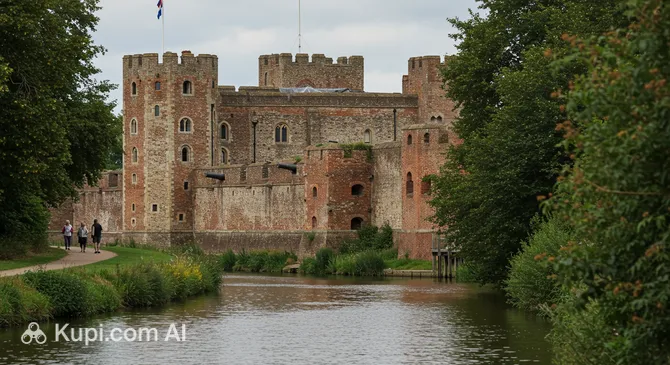
Upnor Castle
Upnor Castle. Иллюстрация. Источник: Kupi.com AI

The main architectural feature of the fortress is its unusual design: the two-story main building is complemented by a unique triangular water bastion that juts out into the river to house powerful cannons. During construction, overseen by military engineer Sir Richard Lee, stones from ruined medieval buildings were frequently used, giving the walls a distinct historical character.

Today, Upnor Castle is not just a monument to military architecture but a fascinating museum. After it lost its combat function, the fort served for a long time as the nation's largest gunpowder magazine, which left its mark on the interior layout and preserved design elements.

Contacts

To confirm details of your visit or to find out information about special events, you can use the official contact details for this attraction.

How to contactContact
AddressUpnor Rd, Upper Upnor, Rochester ME2 4XG, UK
Phone+44 1634 718742
Websitewww.english-heritage.org.uk

What to Do

A visit to the fort offers guests a unique opportunity to immerse themselves in the atmosphere of the Tudor and Stuart eras. Inside, you'll find interesting exhibitions featuring detailed models of the fortress, antique weaponry, and installations depicting the daily life of the garrison. You can even see traces of past battles, such as scorched stones in the gate masonry remaining from a mid-17th-century fire.

Be sure to walk along the water bastion and climb the towers, which offer panoramic views of the River Medway and the ships passing by. The castle's interior rooms retain features from its past as a magazine: massive copper-covered doors and special wooden floors were designed to prevent any spark that could ignite the gunpowder stored here.

For families, the trip will be a great educational adventure. Thanks to its compact size, the castle is easy to explore, and during the summer months, English Heritage often hosts historical reenactments and themed events that bring the ancient walls to life.

Getting There

Upnor Castle is located at Upnor Rd, Upper Upnor, Rochester ME2 4XG, on the picturesque banks of the River Medway. If you are coming from Rochester, the car journey via the A228 takes only about 10 minutes. You can also take bus No. 191, which departs from Rochester bus station and reaches the Upnor stop in 15–20 minutes. Convenient parking is available right near the castle.

For travelers from London, it is most convenient to take a train to Rochester or Chatham stations. From there, you can catch bus No. 100 or take a short taxi ride. For those driving, the route follows the M2/A2 towards Chatham, then the A228 directly to Upper Upnor.

A walk to the site is also a treat: the castle gates are just a 5-minute walk from the Upper Upnor pier. During the summer months, keep in mind that the local roads are quite narrow, so plan your trip in advance to avoid rush hours.

Ближайший город: Rochester

History & Facts

The history of this site began in 1559, when, by order of Queen Elizabeth I, construction began on a fortification to protect the English fleet anchored in the River Medway. The land for the future fort was purchased for just £25. The project was designed by military engineer Sir Richard Lee, who created a structure unique for its time, featuring a pointed bastion designed to reliably cover the approaches to the royal docks.

Originally, the fort was armed with 20 cannons and manned by a garrison of about 80 people. However, military needs evolved, and in the 17th century, the castle's appearance underwent significant changes: the open artillery platforms on the towers were enclosed with brickwork, converting them into living quarters. After 1668, its defensive role diminished, and Upnor Castle became the country's largest gunpowder magazine. To ensure safety while storing explosives, special copper-clad doors and wooden floors without iron nails were installed.

Today, this site is a rare example of experimental Renaissance fortification. It has preserved its Elizabethan parapets and original arrow loops, vividly demonstrating the transition from active combat forts to vital logistics hubs for the British Navy.

Time Needed

To leisurely explore every corner of the fortress, a typical visitor will need between 1.5 and 2.5 hours. This is ample time to see the indoor exhibitions, examine the ship models, and imagine how the garrison soldiers lived centuries ago.

If you plan to climb the towers, take stunning photographs against the backdrop of the River Medway, and walk along the moat and outer walls, allow for a bit more time. The castle is quite compact, making it an ideal spot for a family visit without tiring out the children.

Working Hours

Upnor Castle welcomes guests according to the following schedule:

  • Monday and Tuesday: Closed
  • Wednesday – Sunday: 10:00 AM – 6:00 PM

Please note that opening hours may change depending on the season. Before your trip, it is recommended to check the latest information on the official English Heritage website, especially if you are planning a visit during the winter months.

DayWorking hours
ПонедельникЗакрыто
ВторникЗакрыто
Среда10:00 – 18:00
Четверг10:00 – 18:00
Пятница10:00 – 18:00
Суббота10:00 – 18:00
Воскресенье10:00 – 18:00

Nearby

Exploring the surroundings of Upnor Castle is a great opportunity to dive deeper into the maritime and military history of the region. Proximity to major historical centers allows for a full and varied day-trip itinerary.

NameDistance
The Historic Dockyard Chatham1.1 km
HMS Cavalier1.3 km
Royal Engineers Museum1.8 km
Fort Amherst2.2 km
Great Lines Heritage Park2.3 km
Guildhall Museum2.4 km
Rochester Castle2.6 km

Reached the end of the page?

That means the route is fully explored