Support

Anacostia

About

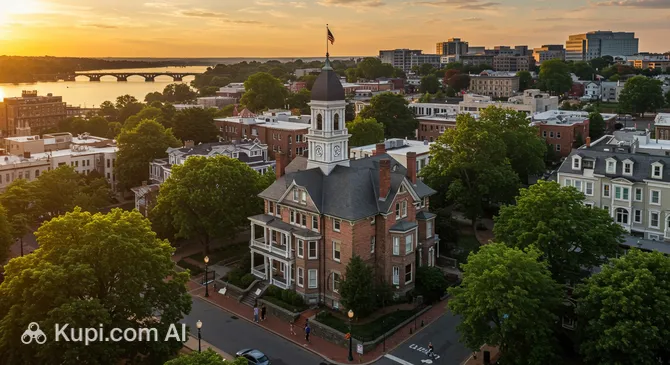
Anacostia is a unique historic district in Washington, D.C., often perceived as a separate town with its own distinct rhythm of life and atmosphere. Located on the scenic banks of the river that shares its name, this corner of the city attracts travelers eager to see an authentic side of life in the USA beyond the official government quarters of the capital. Here, historic architecture sits alongside green parks, creating a cozy setting for long walks.

Anacostia. Illustration.
Source: Kupi.com AI

Many tourists are drawn here by the rich history of Anacostia, which is closely intertwined with African American cultural heritage. One of the main attractions is Cedar Hill—the Frederick Douglass National Historic Site. The home of the famous orator and writer stands on a hill, offering what is arguably one of the best panoramic views of downtown Washington. Guests are also captivated by the famous "Big Chair"—a massive sculpture that has become a recognizable symbol of the neighborhood.

A visit to Anacostia is an excellent addition to any trip. You can not only visit a unique Smithsonian community museum but also enjoy nature in the park along the river. This place is definitely worth including in your itinerary to experience the true spirit of America.

Weather Overview

The climate in this area features pronounced seasonality, allowing travelers to choose the most comfortable time for a visit based on their preferences. To ensure your trip goes as smoothly as possible, we recommend checking in advance what the weather in Anacostia is expected to be on your chosen dates, as conditions can change significantly from month to month.

The summer season here is usually hot and humid. The warmest month is July, when the average temperature is about 26.9°C, and daily highs often reach 31.5°C. However, it's worth noting that summer is also the rainiest period: in July and August, there are 14 to 15 rainy days, so an umbrella won't be an unnecessary item in your luggage.

Winters here are relatively mild but cool. In January, the coldest month, the average temperature stays around 3.1°C, occasionally dropping to slightly below zero at night. Expect warm summers with occasional rain and cool winters; for long walks, May or September are best, when the air warms up to a comfortable 19–22°C.

Average monthly temperature

Average monthly precipitation

Interesting Facts

Beyond its main attractions, Anacostia holds many fascinating secrets and historical details that make this area truly unique. Here are a few facts that offer a new perspective on the neighborhood:

  • The Capital's First Suburb. The historic part of the district, originally known as Uniontown, was designed in 1854. It was one of the first planned suburbs in the USA, created specifically for workers of the nearby Navy Yard who were prohibited from living on the industrial site itself.

  • Traces of Ancient Trade. The name "Anacostia" is derived from the name of the indigenous Nacotchtank people. It is believed that the word translates to "town of traders," as long before modern Washington appeared, these lands served as an important center for the exchange of goods between various tribes.

  • A Furniture Giant. The famous "Big Chair," located at the corner of Martin Luther King Jr. Avenue, stands 19 feet (about 6 meters) tall. Originally, the structure weighed over two tons and was built in 1959 as an advertisement for a furniture company, being considered the largest chair in the world at the time.

  • A Pioneering Museum. The Anacostia Community Museum, opened in 1967, was the first federal museum to be established based on the initiative of local residents. It fundamentally changed the approach to museum work by focusing not on distant history, but on the daily life and issues of the local community.

How to Get There

When planning a trip to this historic district of Washington, it is wise to think through your route in advance. Thanks to its proximity to the capital, transportation accessibility is excellent. You can find more about how to get to Anacostia by exploring various options, but air travel remains the most popular method for tourists from other countries and distant states.

The closest airport to the neighborhood is Ronald Reagan National Airport (DCA). It is located directly in Washington, D.C., just 4.9 km from the center of Anacostia. This is incredibly convenient: a taxi or car ride will take about 15–20 minutes. It is a major transportation hub receiving many domestic flights.

For international flights, travelers often choose Washington Dulles International Airport (IAD). It is located in McNair, approximately 41.6 km from Anacostia. The journey from there by taxi will take about 45–60 minutes depending on traffic. Another good alternative is Baltimore/Washington International Thurgood Marshall Airport (BWI), located in Linthicum (44.1 km from the district). Both of these airports are major hubs with excellent infrastructure.

For clarity, here is summary information on the main airports:

AirportPassenger trafficDistance
Ronald Reagan National Airport25.5 mln5 km
Washington Dulles International Airport27.3 mln42 km
Baltimore/Washington International Thurgood Marshall Airport27 mln44 km
Washington County Regional Airport90 000114 km
Wicomico Regional Airport135 000141 km

If you prefer ground transport, the railroad is an excellent choice. The region's main hub is Washington Union Station. It is located in downtown Washington, just 4.4 km from Anacostia. This is one of the busiest stations in the country, served by Amtrak trains. From here, you can reach your destination by taxi in literally 15–20 minutes. Also worth noting is the New Carrollton station in the namesake city, located 13.5 km away; it is convenient for those traveling from the northeast.

Below is information about the nearest railway stations:

StationPassenger trafficDistance
Washington Union Station5.6 mln4 km
New Carrollton Station3.5 mln13 km
Baltimore Railway Station1.3 mln44 km
Richmond Railway Station461 871145 km
Wilmington Railway Station1.2 mln157 km

Main Attractions

Anacostia offers travelers a unique set of attractions that allow for a fresh perspective on the capital's history and culture. Here, away from the bustling crowds of the National Mall, you will find places filled with deep meaning, natural beauty, and an authentic atmosphere. Here is a list of key locations that are definitely worth including in your visit.

Frederick Douglass National Historic Site (Cedar Hill)
This is perhaps the neighborhood's most famous gem. The majestic Victorian-era mansion, perched on a high hill, was the home of the renowned abolitionist and orator Frederick Douglass during the final years of his life. Tourists are interested in this site not only for the chance to see the preserved interiors and personal belongings of this historical figure but also for the stunning view. From the house's veranda, you can see one of the best panoramas of the Washington monuments and the Capitol, making it an ideal spot for memorable photos.

Anacostia Community Museum
As part of the world-famous Smithsonian Institution, this museum differs significantly from its counterparts in the city center. It is dedicated to community history, urban studies, and social issues. The exhibitions here change frequently and tell vivid stories of the people who shaped the neighborhood and the city. It is a must-visit for those who want to understand the true soul of Washington and learn about African American cultural heritage through the lens of local events and art.

Anacostia Park
A vast green area stretching along the river, this park serves as an excellent place to escape the city bustle. The park attracts nature lovers and those with an active lifestyle: it features scenic cycling and walking paths known as the Anacostia Riverwalk Trail. Tourists come here to have a picnic by the water, go birdwatching, or simply stroll while enjoying the quiet and fresh river air, all just a few minutes' drive from the city center.

Kenilworth Aquatic Gardens
Although these gardens are located slightly north of Anacostia's historic center, they are an integral part of the eastern riverbank's natural landscape. This is the only national park in the country dedicated to the cultivation of aquatic plants. In summer, when thousands of lotuses and water lilies bloom, the gardens transform into a fairytale setting. It is a true paradise for photographers and nature enthusiasts seeking solitude and beauty among the wetlands.

Local Cuisine

The gastronomic scene in Anacostia is a true journey to the roots of African American culinary traditions. Unlike many restaurants in central Washington, here, authentic soul food takes center stage. This is food prepared with heart: hearty, spicy, and home-style. The main hits of local establishments remain crispy fried chicken, tender BBQ pork ribs, and traditional sides like baked macaroni and cheese or collard greens.

You cannot visit this area without trying the legendary Mumbo sauce. This unique culinary hallmark of the entire capital is particularly loved in such historic districts. The sauce is a thick, sweet-and-spicy tomato-based blend, reminiscent of BBQ sauce but with a sharper vinegar and fruity accent. It is generously drizzled over chicken wings or French fries in local eateries.

Due to the region's proximity to the Chesapeake Bay, high-quality seafood is often found on the menu. Be sure to look for crab cakes—a delicacy prepared here with minimal breading and plenty of Old Bay seasoning. For drinks, locals often prefer classic Southern Sweet Tea with ice, which is perfectly refreshing in the summer heat, as well as homemade lemonades.

The dining culture in Anacostia is closely tied to community and a lack of pretense. Small family cafes and "carry-outs"—takeaway spots where food is prepared quickly but according to time-tested old recipes—are popular here. In recent years, the area has been actively developing, and alongside historic snack bars, trendy art cafes are appearing where you can not only have a delicious lunch but also immerse yourself in the creative atmosphere of the local community.

Travel Tips

Thorough preparation for your trip to Anacostia will help you feel confident and comfortable in this distinctive and hilly district of Washington. We have gathered a list of useful recommendations for you to make your introduction to the historical heritage and nature of this place as pleasant and safe as possible.

  1. Clothing and Footwear. Given that many attractions, such as the Frederick Douglass estate, are located on elevations, you will definitely need comfortable shoes with flat soles or sneakers for walking. In summer in the USA, and especially in the capital region, it can be very hot and humid, so choose light natural fabrics and don't forget a hat. In winter, you will need a warm jacket and layered clothing due to the winds from the river.

  2. Transport. The most convenient way to get here from the center is by using the metro (Green Line, Anacostia station). For moving within the neighborhood, taxi-hailing apps (Uber, Lyft) work great. Renting a car makes more sense here than in the city center, as parking in this residential area is a bit easier, but public transport remains the priority choice.

  3. Finance. The official currency is the US Dollar. Credit cards are accepted almost everywhere, including museums and large stores. However, we recommend having some cash (small bills of 1, 5, and 10 dollars) to pay in small family eateries or buy souvenirs from street vendors. Don't forget about tipping in restaurants and taxis: it is customary here to leave 18–20% of the bill amount.

  4. Health and Safety. As in any large city, you should follow basic precautions. The area is safe for walking along tourist routes during the day, but after dark, it is better to avoid unlit alleys and deserted park zones. Chain pharmacies (e.g., CVS or Walgreens) are easy to find on the map; many of them stay open late. The emergency number is 911.

  5. Communication. The primary language is English. Locals speak quite fast, so it is useful to have an offline translator on your phone. Wi-Fi is available in public libraries, museums, and many cafes. For constant connectivity, it is most convenient to purchase a prepaid SIM card from one of the major providers at the airport or in communication stores.

  6. Local Etiquette. Anacostia has a strong community spirit. It is customary here to greet people, even strangers, if you lock eyes on the street or in a shop—a simple nod or a "Hello" will suffice. Be polite and respect private property: the neighborhood is predominantly residential, so try not to make noise under house windows or photograph private property without permission.

  7. What to Avoid. You should not plan solo walks on remote forest trails in Anacostia Park after dark. Also, refrain from discussing sensitive social topics with strangers; it's better to focus on the rich history and culture of the area, which locals are very proud of.

  8. Useful Tip. If you plan to visit the Cedar Hill estate, book your tickets online in advance, even if admission is free or costs a nominal fee. The number of visitors allowed inside the historic home at one time is strictly limited, and spots fill up quickly, especially on weekends.

By following these simple tips, you can avoid extra hassle and fully immerse yourself in the atmosphere of this unique corner of America. Anacostia is a welcoming place for those who are open to new experiences and respect local traditions.

Entertainment & Nightlife

Anacostia is a neighborhood with a distinct character, and its nightlife differs substantially from the noisy parties in downtown Washington or the trendy bars of Georgetown. Here, you won't find massive nightclubs with loud music until dawn. Evening leisure in Anacostia is primarily about immersion in culture, art, and casual conversation in cozy venues with a pronounced local flair. The atmosphere here is more intimate, soulful, and community-oriented.

The epicenter of evening activity is Martin Luther King Jr. Avenue SE. The main points of interest where life continues after sunset are concentrated along this artery. One of the most iconic places that is definitely worth a visit is Busboys and Poets. This venue is a unique hybrid of a restaurant, bar, and bookstore. In the evenings, it regularly hosts poetry slams, open mics, and discussions, making it the perfect spot for those seeking intellectual relaxation over a glass of wine or a cocktail.

Art lovers should check the schedule at the Anacostia Arts Center. While it is not a nightclub in the traditional sense, the center often serves as a venue for evening jazz concerts, theatrical performances, and exhibition openings. The crowd here is creative and friendly, and the dress code in most local establishments remains casual, so you likely won't need evening wear.

Regarding other types of leisure, Anacostia also offers active entertainment. During the day and early evening, the Anacostia Roller Skating Pavilion is a popular choice—it is the only covered outdoor roller rink in the capital's national park system. It is a great place to have fun with music before heading out for dinner.

Safety and Practical Tips:
When planning an evening visit, keep in mind that the pace of life here is quieter, and many kitchens close earlier than in the city center (around 9:00 PM–10:00 PM). To return to your hotel or travel between locations after dark, it is strongly recommended to use official taxis or ride-sharing apps (Uber, Lyft). Try to stick to the well-lit Martin Luther King Jr. Avenue and avoid walking alone through remote residential blocks or unlit sections of the park at night.

Parks & Museums

Anacostia offers travelers a surprising combination of natural landscapes and deep cultural context, rarely found in other parts of the capital. This is a place where wide green riverfronts harmoniously coexist with historic estates and modern art spaces, creating ideal conditions for an educational and relaxed vacation.

One of the area's main natural gems is Anacostia Park. It is an extensive green zone stretching along the eastern bank of the river, serving as a favorite recreation spot for locals. Here, you can have a picnic with a water view, ride a bike along scenic paths, or simply stroll in the shade of the trees. A special atmosphere is given to the park by the famous roller-skating pavilion—the only such facility in the USA national park system, where music often plays and an old-school spirit reigns.

For lovers of botany and peace, a must-visit site is the Kenilworth Aquatic Gardens. Located on the edge of the district, they comprise a unique landscape park with ponds full of exotic water lilies and lotuses. A walk along the wooden boardwalks among the blooming waters allows you to feel far away from the city bustle, watching herons, turtles, and other inhabitants of this sanctuary.

The cultural heart of the neighborhood beats at the Frederick Douglass National Historic Site. The "Cedar Hill" estate, where the great orator and human rights activist lived, has been turned into a museum that preserves the original 19th-century setting. A tour of the house allows you not only to learn about Douglass's life but also to see his personal library and household items. Additionally, the museum's location on a high hill gifts visitors one of the most breathtaking panoramic views of Washington.

Equally interesting is the Anacostia Community Museum, part of the Smithsonian Institution. Unlike the monumental museums on the National Mall, this intimate space focuses on local history, urban studies, and social changes. The exhibitions here are often interactive and tell vivid, moving stories about the people who shaped the neighborhood, helping tourists understand the soul of this place more deeply.

Connoisseurs of contemporary art should stop by the Anacostia Arts Center. This multifunctional space brings together small galleries, boutiques, and theater venues. Works by local artists and photographers reflecting the neighborhood's modern pace of life are regularly exhibited here. This is a great opportunity to see Washington through the eyes of its creative residents.

Insider Tip: If you enjoy walking, don't limit yourself to just the park. Walk across the Frederick Douglass Memorial Bridge—its pedestrian section offers stunning views of the Anacostia River and Nationals Park stadium, which are especially beautiful at sunset.

Getting Around

Public transportation in Anacostia is an integral part of Washington's unified transport system (WMATA), making travel within the neighborhood and trips to the city center convenient and predictable. The network is based on the subway and an extensive bus route system, allowing tourists to easily reach main attractions without the need to rent a car.

The neighborhood's main transport hub is the Anacostia Metro station, located on the Green Line. This is the fastest way to get to the city center: the journey to major tourist locations and transfer stations takes only 10–15 minutes. The Washington Metro is famous for its safety and the unique architecture of its stations with high concrete vaults. Trains run regularly, and navigation within the subway is intuitive thanks to color-coded lines.

Surface transport is represented by a dense network of Metrobus lines. They are ideal for short trips within the neighborhood or moving between adjacent blocks not served by the metro. The bus network covers almost all streets, providing connections to residential zones and parks. Public transport stops are easily recognizable by red and white signs with schedules and route numbers.

A unified contactless SmarTrip card is used to pay for all types of municipal transport. You can purchase a plastic card at vending machines at any metro station. However, it is much more convenient for tourists to use the mobile app and add a virtual SmarTrip card to Apple Wallet or Google Pay on their smartphone. This avoids queues and the need to carry extra plastic. Important note: cash is not accepted in the metro at all, and bus drivers do not give change, so electronic payment is the most reliable choice.

Outdoor enthusiasts should take advantage of the Capital Bikeshare city bike-sharing system. Stations with red bicycles are located throughout the neighborhood, including near parks and the waterfront. You can rent a bike via a terminal at the station using a credit card or through the mobile app. This is an excellent way to enjoy views of the Anacostia River and reach historical sites at your own pace.

As an alternative to public transport, taxi and rideshare services (Uber, Lyft) are widely available. Cars are available 24/7, and waiting times are usually minimal. This is especially relevant at night, as the metro closes around midnight or slightly later on weekends. It is recommended to check the current transport schedule on the official WMATA website or in navigation apps before your trip to ensure you don't miss the last train.

Accommodation

When planning a stay in Anacostia, it is important to consider the specifics of this area: it is primarily a residential historic zone rather than a tourist center with a high density of hotels. You are unlikely to find large hotel chains, high-rise hotel complexes, or luxury resorts directly on the main streets. The main accommodation format available to travelers includes cozy guesthouses, bed and breakfasts (B&Bs), and private apartments for short-term rent. This type of lodging allows you to dive deeper into the local atmosphere and feel like a temporary resident of the capital rather than just a tourist.

When choosing a location, the most convenient and strategically sound decision is to find housing within walking distance of the Anacostia Metro station or near the neighborhood's central artery—Martin Luther King Jr. Avenue. Staying in this part will provide you with quick access to public transport for trips to downtown Washington, as well as proximity to local cafes and art centers. If you prefer classic hotel service with 24-hour amenities, it makes sense to consider hotels in the neighboring Navy Yard district, located just across the river: the trip from there to Anacostia's attractions will only take a few minutes.

The price range in the neighborhood itself usually varies from budget to mid-range, which favorably distinguishes it from the expensive city center. This is a great opportunity to save on accommodation without losing convenience in transport accessibility. It is best to book through major international online platforms where verified private accommodation options are listed.

Booking Tip: Even though the area is not the main tourist mecca, demand for housing can be high due to more affordable prices. It is strongly recommended to book your accommodation in advance, especially if your trip is planned for the spring (Cherry Blossom season) or during major national holidays when the capital sees a huge influx of visitors.

Nearby Cities

For those who want to explore the surroundings, Anacostia serves as an excellent starting point for day trips to several interesting nearby locations. Thanks to its convenient location, you can easily reach the region's key historical and cultural centers.

Just a few minutes' drive away, literally on the other side of the river, lies Washington, D.C.. This is the ideal option for those who want to see the country's main symbols: the Capitol, the White House, and the famous Smithsonian museums on the National Mall, without spending much time on the road.

If you enjoy a historic atmosphere, be sure to visit the city of Alexandria. Its historic center, known as Old Town, charms with cobblestone streets, 18th-century brick buildings, and a lively waterfront with numerous restaurants and boutiques. It is a wonderful place for a romantic stroll or dinner by the water.

Also worth visiting is Arlington, located further along the Potomac River. This city is famous for its important memorials, including Arlington National Cemetery, and offers magnificent panoramic views of the capital from its hilltops.

CityPopulationDistance
Hillcrest Heights17 0904 km
Glassmanor17 4265 km
Coral Hills9 1695 km
Suitland26 3755 km
The White House12 8206 km

These nearby destinations provide a great insight into the diverse culture and landscapes of the region.

Shopping & Souvenirs

Shopping in Anacostia is not your typical run through brand boutiques, but rather a cultural exploration and support for local entrepreneurship. The neighborhood is not known for massive malls or luxury storefronts, but it attracts those looking for unique items "with soul." Small businesses thrive here, and many shops focus on African American culture, art, and literature, offering an assortment that is hard to find in other parts of the capital.

The main shopping artery of the district is Martin Luther King Jr. Avenue SE. Strolling along this historic street, you will find the most colorful establishments: from vintage shops to modern art spaces. Special attention should be paid to the Anacostia Arts Center. It is not just a gallery, but a true hub for creative boutiques selling designer clothing, handmade accessories, and rare books.

If you are accustomed to large-scale shopping complexes, keep in mind that they are not located in the historic center of the neighborhood. However, for purchasing essentials or visiting chain stores, Skyland Town Center is suitable. It is a modern open-air shopping district located nearby, where you can find large supermarkets, pharmacies, and popular coffee shops.

Fresh produce lovers should check out seasonal farmers' markets, such as FRESHFARM. Although small in size, they have a friendly atmosphere, and local farmers offer excellent seasonal vegetables, fruits, and homemade baked goods. It is a wonderful place to experience the taste of real, non-tourist neighborhood life.

As a souvenir from Anacostia, it is best to bring back something reflecting the rich history and creative spirit of the place. Books by African American authors from local independent bookstores, unique handmade jewelry, or prints of paintings by local artists would be excellent choices. Clothing and accessories with neighborhood symbols, often sold in small boutiques at art centers, are also popular.

Shops in this area typically open at 10:00 or 11:00 AM and stay open until 7:00–8:00 PM. On Sundays, many private shops may be closed or operate on a reduced schedule. Credit cards are accepted almost everywhere, even in small kiosks, but having a little cash for market purchases is a good idea.

Tourists should remember that in the USA, Sales Tax is not included in the price tag and is added to the total at the checkout. In Washington, D.C., it is 6%. The Tax Free system for international tourists common in Europe is not practiced here, so you should not expect a VAT refund when leaving the country.
Reached the end of the page?

That means the route is fully explored