Support

Apalachicola

About

Apalachicola is a true gem on Florida's northwest coast, nestled at the mouth of the river that shares its name, just a few miles from the Gulf of Mexico. This city in the USA feels as if it were designed for those seeking the authentic atmosphere of the American South, far from bustling tourist metropolises. As the county seat of Franklin County, Apalachicola has preserved the charm of a small fishing village where every guest feels at home.

The city's geographical location is unique: it is surrounded by picturesque marshes, pine forests, and endless beaches. The climate here is mild and perfect for relaxation by the water, and the population is around 2,300 people, which fosters a friendly and calm environment. Time flows slowly here, allowing you to savor every moment of your journey.
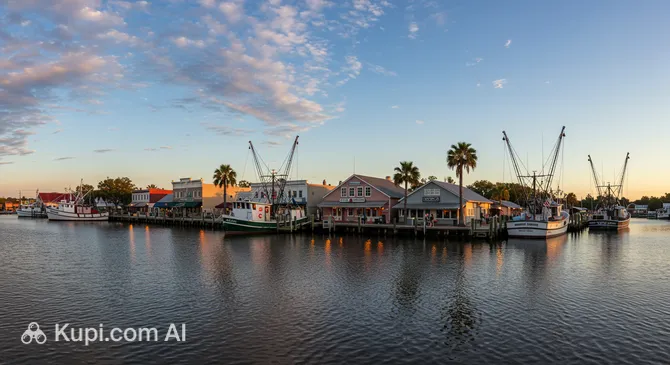
Apalachicola. Illustration.
Source: Kupi.com AI

A special charm is given to the city by the harmonious intertwining of nature and architectural heritage. Walking through the shaded streets, you will see magnificently preserved historic mansions neighboring working fishing docks. The rich history of Apalachicola is felt at every step, serving as a reminder of the heyday of maritime trade, yet the city lives a modern, albeit unhurried, life.

Apalachicola's main calling cards are its gastronomic and natural riches. The city proudly bears the title of "Oyster Capital," and trying the freshest mollusks here is a duty for every tourist. Additionally, it is a paradise for outdoor enthusiasts: fishing, kayaking on the river, and exploring the surrounding national parks are all popular here. Apalachicola is the perfect place to escape the hustle and bustle, breathe in the sea air, and immerse yourself in the unique coziness of "Old Florida."
Weather Overview

Погода:

The climate of Apalachicola can be described as humid subtropical, making the city attractive to visit almost year-round, although each season has its own distinct features. Proximity to the Gulf of Mexico tempers temperature fluctuations, creating an atmosphere of eternal Southern summer with mild transitions between seasons.

The summer months, from June to August, are truly hot and humid here. The average temperature during this period is around 27–28°C (81–82°F), and daily highs often exceed 30°C (86°F). This is also the rainy season: for instance, in July and August, the number of days with precipitation can reach 23–24. Showers are usually heavy but brief, bringing a welcome freshness.

Winter in Apalachicola is mild and very comfortable compared to northern states. In January, the coldest month, the average temperature stays at 13.4°C (56°F), rarely dropping below 10°C (50°F). Precipitation during the winter period is significantly lower—about 8–9 rainy days per month—which is conducive to long walks through the historic center.

Spring and autumn are considered the ideal times to visit. In April and May, the air warms to a pleasant 20–24°C (68–75°F), and October delights with an average temperature of around 23°C (73°F) and relatively dry weather. Expect a hot summer with periodic tropical showers and mild, comfortable winters. Detailed weather in Apalachicola by month will help you choose the best dates for your trip.

Average monthly temperature

Average monthly precipitation

Interesting Facts

Apalachicola holds many fascinating secrets beyond its main attractions that reveal the true character of the city. From world-scale inventions to curious architectural transformations, every corner here is steeped in history and local flavor.
  • The Birthplace of Air Conditioning. Few know that the idea for modern climate control was born in this small town. In the mid-19th century, local physician John Gorrie, trying to help patients with yellow fever in Florida's sweltering climate, invented a machine to make ice. His device became the prototype for modern air conditioners, forever changing life in hot regions of the planet.

  • Cotton Greatness. Before becoming the "Oyster Capital," Apalachicola was the third-largest port on the Gulf of Mexico, surpassed only by New Orleans and Mobile. During the cotton boom, life here was vibrant, and the river was filled with steamboats. The echoes of that wealth are preserved in more than 900 historic buildings, making a walk through the city feel like a journey through time.

  • Gastronomic Transformation. Many of the city's iconic spots have unusual pasts. For example, the popular Station Raw Bar, where tourists now enjoy delicacies, was originally a standard service station. By preserving elements of the original structure, the venue has become a symbol of how the city carefully adapts its heritage for a new life.

  • Legends of the Old Hotel. The elegant Gibson Inn, built in 1907, is considered not just an architectural gem but also a hub of local folklore. Residents whisper about a "permanent guest"—the ghost of a captain who, according to local legends, still watches over the hotel, adding a mystical charm to this historic site.

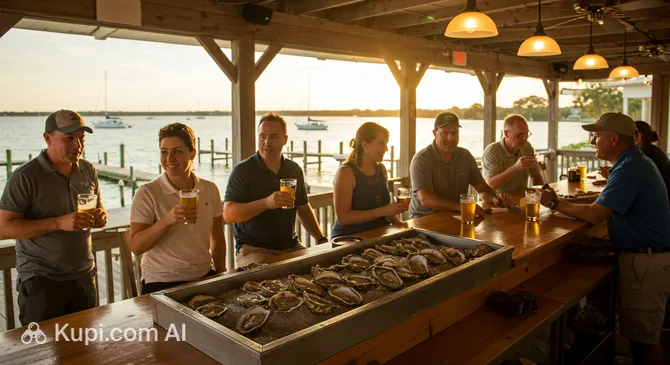
The Station Raw Bar. Illustration.
Source: Kupi.com AI

Traveler photos:

How to Get There

When planning a trip to this cozy corner of Florida, it is important to think about logistics in advance, as there is no direct air service to the city. You can find out more about how to get to Apalachicola, but the primary method remains flying into one of the neighboring major cities followed by a car trip.

The city of Apalachicola itself does not have an airport that accepts regular passenger flights. The most convenient option is Tallahassee International Airport (TLH), located in the state capital, Tallahassee. it is about 60 miles (96 km) from Apalachicola. The drive from there by rental car or taxi takes about 1 hour and 20 minutes, passing through the scenic forests of the Apalachicola National Forest.

Another popular option is Northwest Florida Beaches International Airport (ECP), located in Panama City, about 65 miles (105 km) to the west. This is a modern and fairly busy hub. The journey from the airport takes about 1.5 hours, and a significant part of the route can follow the coastline, offering beautiful views of the Gulf of Mexico.

For convenience, here is summary information on the main airports:

AirportPassenger trafficDistance
Tallahassee International Airport968 92696 km
Northwest Florida Beaches International Airport1.9 mln105 km
Destin–Fort Walton Beach Airport2.1 mln173 km
Dothan Regional Airport74 184183 km
Valdosta Regional Airport84 200202 km

Since there is no rail service to Apalachicola, a car remains the only way to cover the "last mile" from the airports. Travelers often rent a car directly at the arrival terminal. The drive into town, especially along the legendary US-98 highway that runs along the ocean shore, is considered one of the most beautiful drives in Florida and becomes a highlight of the trip itself.

Main Attractions

Apalachicola is a city where history comes alive on every street, and the spirit of "Old Florida" is felt in every detail. The main attractions here are not modern entertainment complexes, but the unique architecture and iconic sites that form the unmistakable character of this historic port.

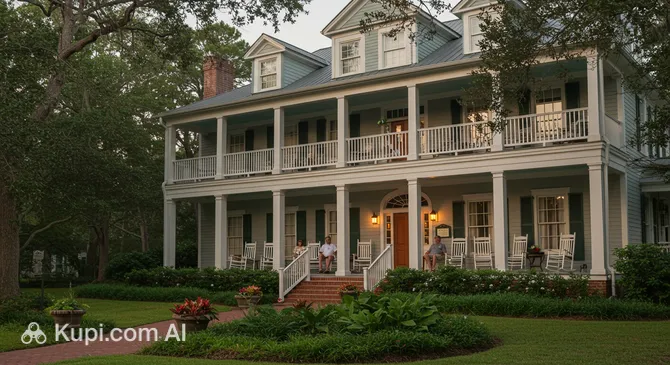
One of the city's most recognizable architectural gems is the Gibson Inn. This historic hotel, built in 1907, is considered the heart of Apalachicola. The Victorian-style building, with its signature cupola and spacious wraparound porches, serves as a beacon for travelers. Even if you don't plan to stay here, it's worth viewing the hotel from the outside and stepping into the lobby—decorated with cypress and pine paneling—to be transported back to the heyday of river commerce.

No less iconic is the Station Raw Bar, which has become a symbol of the city. Although technically a dining establishment, it has long held the status of a major attraction. The bar is located in a former service station, and its owners have carefully preserved the original industrial decor. This spot draws guests with its authentic atmosphere, where you can not only taste the famous local oysters but also feel the living rhythm of the city while chatting with locals.

To dive into the region's history, visit the Orman House Historic State Park. This grand mansion, built in 1838 by cotton tycoon Thomas Orman, stands on the banks of the Apalachicola River. The house is a beautiful example of antebellum Southern architecture and provides a glimpse into the life of the 19th-century merchant elite, while its grounds offer panoramic views of the river and marshes.

You can round out your introduction to the city with a walk through the Chestnut Street Cemetery. Established in 1831, it is one of the oldest cemeteries in Florida and holds the stories of city founders, riverboat captains, and soldiers. Moss-covered headstones beneath the shade of ancient trees create a special, mysterious, and peaceful atmosphere here.

Local Cuisine

The gastronomic scene in Apalachicola is a true ode to the bounty of the sea, and it is local cuisine that draws many travelers to this corner of Florida. The city proudly holds the title of "Oyster Capital," so your introduction to culinary traditions should start with these mollusks. They are prepared here with great skill: served raw on ice, baked with herbs and cheese, added to thick chowders, and even used as pie fillings. The main principle of local chefs is using the catch brought in from the bay on the very day it is served.

In addition to oysters, restaurant menus abound with dishes made from tender shrimp, blue crab, and fresh fish. Be sure to try "gumbo"—a thick, rich Southern-style soup with rice, spices, and seafood that is incredibly warming and filling. Another favorite is fried fish, traditionally served with golden hushpuppies. For those who want to immerse themselves in an authentic atmosphere, a visit to the Station Raw Bar is an excellent choice, where simple yet incredibly tasty dishes are served in a casual setting.

The Station Raw Bar. Illustration.
Source: Kupi.com AI

Traveler photos:

As for drinks, Apalachicola offers an excellent selection to accompany your meal. In bars and cafes, you can sample craft beers from Florida breweries or refreshing cocktails often infused with local citrus and aromatic herbs. In the evening, it's pleasant to have a drink at the bar of the historic Gibson Inn, enjoying the unhurried pace of Southern life.

The food culture here is casual and welcoming. Locals love hosting barbecues right on the beaches or in parks, and they often invite tourists to join in. It's also worth stopping by the farmers market, where they sell not only fresh vegetables and homemade sauces but also seafood delicacies you can cook yourself. The city regularly hosts food festivals, turning the streets into a grand celebration of flavor where everyone can experience the true hospitality of Apalachicola.

Travel Tips

Traveling to Apalachicola is an immersion into a relaxed pace of life, where it's important to know a few local nuances to ensure your vacation goes perfectly. We have gathered practical recommendations to help you feel confident in this charming corner of the USA and avoid typical tourist mistakes.

  1. Clothing and Comfort. The climate here is humid and subtropical, so prioritize clothing made from natural breathable fabrics like cotton or linen. Even in summer, it's worth bringing a light sweater as air conditioning in buildings can be quite powerful. Be sure to pack comfortable flat shoes—historic sidewalks can be uneven. Most importantly: don't forget repellent, as small biting flies (no-see-ums) are often active near the water.
  2. Transport Nuances. There is no traditional public transport in the city. For getting around the historic center, renting a golf cart or a bicycle is ideal—it's part of the local culture. However, to reach the beaches of St. George Island or neighboring cities, you will need a full-sized car. Don't rely on Uber or Lyft: in this small town, wait times can be very long, or they may not be available at all.
  3. Finances and Tipping. The main currency is the US Dollar. Cards are accepted almost everywhere, but it is highly recommended to carry some cash (small bills) for purchases at the farmers market, in small souvenir shops, or for tipping valets. Tipping culture here is strict: in restaurants and bars, it is customary to leave 15–20% of the check, as this forms the bulk of the staff's income.
  4. Health and Safety. Apalachicola is a safe and quiet city, but streets in residential areas can be poorly lit, so a phone flashlight will be useful at night. Note that pharmacies here close early (usually at 6:00 PM – 7:00 PM) and are not open 24/7, so it's better to bring a basic first-aid kit with you. Also, always use sunscreen, even if the sky is overcast.
  5. Communication and Navigation. English is the primary language, but be prepared for a specific Southern accent and slang. Wi-Fi is available in most cafes and hotels, but mobile service can drop in marshy areas or when out on the bay in a boat. It is recommended to download offline maps of the area in advance.
  6. Local Etiquette. Life here moves at a slower pace known as "Apalachicola time." Don't rush servers or shopkeepers—this may be perceived as rudeness. It is customary to greet passersby on the street even if you aren't acquainted and to engage in polite small talk in lines.
  7. What to Avoid. Don't plan a late dinner without checking a restaurant's hours first. Unlike in big cities, many kitchens here close strictly at 9:00 PM, and some establishments may not open at all on Sundays. Also, strictly avoid walking on the dunes at nearby beaches—this is a protected natural area, and violating the rules can result in a fine.
  8. Watch the Time. Apalachicola operates on Eastern Time. However, the region is close to the time zone boundary. Neighboring Port St. Joe is in the same time zone, but driving a little further west to places like Mexico Beach or Panama City puts you in Central Time, which is one hour behind. This is critical when planning flights from the Panama City airport (ECP) so you don't arrive too early or late.

We hope these tips help you easily adapt to local customs and focus on what matters most—relaxation and experiences. Apalachicola has a way of making you fall in love with its coziness, and by preparing in advance, you will leave with only the warmest memories and a desire to return.

Entertainment & Nightlife

The nightlife in Apalachicola perfectly matches the spirit of this historic port city: it is calm, soulful, and lacks the frenzy of big cities. Here, you won't find noisy nightclubs with neon signs or strict face-control. Instead, the city offers cozy evenings filled with the sounds of live music, craft beer, and unhurried conversations on porches. Most activity is concentrated in the historic center around Market Street and Water Street, where old buildings have been transformed into welcoming venues.

For lovers of a relaxed atmosphere and local flavor, the Station Raw Bar is a must-visit. In the evening, this place becomes a magnet for both tourists and locals. Here, you can enjoy dinner or spend time with a beer or wine in a casual setting, often accompanied by live performances from local musicians playing blues or country rock. The style is extremely laid-back, so evening gowns would be out of place.

The Station Raw Bar. Illustration.
Source: Kupi.com AI

Traveler photos:

For those who prefer a more elegant experience, the bar at the historic Gibson Inn is an ideal choice. The hotel's famous "Parlor Bar" offers signature cocktails and classic drinks in an early 20th-century atmosphere. In the evening, guests often settle on the hotel’s spacious open porch to enjoy the breeze and watch the city go by. This is perhaps the most romantic place to end a day in Apalachicola.

When planning your evening, keep the local schedule in mind. "Nightlife" here ends quite early: kitchens in many restaurants close as early as 9:00 PM – 10:00 PM, and while bars may stay open until midnight, they rarely go later. The dress code in most places is "resort casual" (shorts, polo shirts, summer dresses). Apalachicola is a very safe city, and nighttime walks pose no threat, but streets can be dimly lit, so be careful. Taxis and services like Uber are hard to find late at night, so if you stay far from the center, it's better to plan your transport in advance (a rental car or a walk).

If you're looking for daytime entertainment, the city offers an immersion into culture and history. Before evening falls, visit local museums dedicated to maritime heritage or stop by the historic Dixie Theatre, which is the region's center for performing arts and occasionally hosts plays and concerts. During the day, you can also stroll through numerous art galleries that frequently hold openings and meet-and-greets with artists.

Parks & Museums

The cultural and natural landscape of Apalachicola harmoniously complements its image as a historic port city. Here, green spaces flow seamlessly into historic districts, and museums carefully preserve the memory of times when this city was one of the largest trading centers on the Gulf Coast.

Among the natural areas, Lafayette Park deserves special attention. It is the heart of the city, where ancient oaks draped in Spanish moss create thick shade, providing a respite from the Florida sun. The park's centerpiece is an elegant white gazebo, which has become a popular spot for photo shoots and weddings. It is the perfect place for a leisurely picnic or reading a book in silence.

Plant lovers should visit the Chapman Botanical Garden. This cozy corner of nature is named after Dr. Alvan Chapman, a famous 19th-century botanist. The garden offers picturesque trails passing by blooming camellias, azaleas, and a butterfly garden. It adjoins a historic museum, allowing you to combine cultural discovery with a walk in the fresh air.

Immerse yourself in the region's maritime past at the Apalachicola Maritime Museum. The museum's exhibits are dedicated to the rich history of fishing, oyster harvesting, and shipping on the Apalachicola River. Here you can see collections of antique tools, ship models, and learn about the traditions of wooden shipbuilding that are still maintained by enthusiasts today.

Another unique institution is the John Gorrie Museum State Park. It tells the fascinating story of a local doctor who, in an attempt to alleviate his patients' suffering from the heat, invented an ice machine—the prototype of the modern air conditioner. Visitors can see a replica of this invention and learn more about city life in the mid-19th century.

The city's architectural face is inseparable from its historic buildings. Strolling through the center, you will see dozens of beautifully preserved homes in Greek Revival and Victorian styles. A prime example of this heritage is the Gibson Inn—a legendary hotel that is not only a place to stay but also an important architectural monument conveying the spirit of "Old Florida."

Gibson Inn. Illustration.
Source: Kupi.com AI

Traveler photos:

For those looking for spots hidden from most tourists, we recommend the Scipio Creek Boardwalk. This wooden walkway heads deep into the estuary, offering stunning views of the marshes and the river, especially at sunset. Here you can birdwatch and experience the pristine silence of wild nature just minutes from the city center.

Getting Around

The public transport system in Apalachicola is significantly different from what residents of major metropolises are used to. Due to the city's compact size and small population, it completely lacks standard forms of urban transport such as subways, trams, or transit buses. The city is laid out so that its historic center and main attractions can easily be explored on foot while enjoying the architecture and river views.

The most popular and colorful mode of transport for tourists is golf carts. In Apalachicola, they are officially permitted on most city streets and have become an integral part of the local culture. You can rent a golf cart at several rental points in the city center. It is a convenient and fun way to explore the area without getting worn out by the heat. Rental payment is usually daily or hourly, and both cards and cash are accepted. The average daily rental cost varies depending on the season and the vehicle model.

For outdoor enthusiasts, bicycles are an excellent alternative. The city's landscape is completely flat, traffic is light, and the streets are shaded, making cycling very comfortable. Bicycle rental points are often combined with golf cart rental locations. There are no special travel passes or transport cards in the city—you simply pay for the rental service on the spot.

As for taxi services and ride-sharing apps (Uber, Lyft), their presence in the city is limited. Cars may not always be available, and wait times often exceed usual standards. If you need to get to the airport or a neighboring city, it is highly recommended to book a transfer or arrange with local drivers in advance. For trips to the beaches of St. George Island or national parks, it is best to use a rental car, as public transport does not serve these areas.

Therefore, the main tip for a tourist is: settle in for leisurely walks, rent a golf cart for local flavor, and rely on a personal car for longer trips. You won't have to validate tickets or look for bus schedules here—the rhythm of life in Apalachicola dictates freedom of movement without strict schedules.

Accommodation

Accommodation in Apalachicola is not just a place to sleep, but part of the immersion into the "Old Florida" atmosphere. You won't find anonymous high-rise resorts or massive chain complexes here. The hotel stock primarily consists of cozy historic inns, charming bed and breakfasts (B&Bs), and private cottages or apartments for rent. For budget travelers, several classic motels are available, mostly located at the city entrance along Highway US-98.

The most popular and convenient area to stay is the Historic Downtown. By staying here, you will be within walking distance of the riverfront, major restaurants, museums, and souvenir shops, allowing you to ditch the car for evening strolls. Living in the center means being at the heart of cultural life, enjoying views of old mansions and quiet streets.

Among the accommodation options, the famous Gibson Inn stands out. This resort-style hotel is a true local icon. It offers guests a unique experience of staying in a Victorian-era building, combining historic charm with modern comfort and serving as an excellent base for exploring the area.

Booking Tip: Since Apalachicola is a boutique destination, the number of hotel rooms is limited. The best options sell out very quickly, so it is highly recommended to book your accommodation 2–3 months before your trip. This is especially true for the spring season and the dates of the annual Seafood Festival, when the city fills to capacity.

The price range in the city varies from mid-range to high. Even modest options can cost more than in large metropolises due to high demand and the uniqueness of the location. You can book stays through major international online aggregators, but many private B&Bs and owners of historic cottages prefer direct booking through their websites, which can sometimes lead to more flexible check-in terms.

Nearby Cities

For those looking to explore the surrounding area, Apalachicola serves as an excellent base for day trips to several interesting nearby locations:

Just an hour and a half drive to the west is Panama City. This is a vibrant resort center that differs starkly from the quiet and measured atmosphere of Apalachicola. People come here for the magnificent white-sand beaches, active shopping, and a variety of family entertainment. It is an ideal option for those who want a change of pace and a dive into the rhythm of a modern coastal city.

If you are more interested in history and culture, head to Tallahassee, the capital of Florida. The city is about 100 km (62 miles) to the northeast and offers a rich excursion program: from visiting the majestic Capitol and the Museum of Florida History to strolling through picturesque parks with ancient oaks draped in Spanish moss. Tallahassee harmoniously combines the charm of a Southern city with the dynamics of a university hub.

Lovers of historic architecture and cozy walks will enjoy a trip to Thomasville. Although it is in the neighboring state of Georgia, getting there is easy. This city is often called the "City of Roses" and is famous for its beautifully preserved historic center, brick-paved streets, and the atmosphere of the aristocratic South of the late 19th century.

CityPopulationDistance
Saint George Island10211 km
Panama City149 36681 km
Lynn Haven19 42586 km
Upper Grand Lagoon18 14088 km
Panama City Beach17 882104 km

These nearby destinations offer a glimpse into the diverse culture and landscapes of the region, making your trip even more fulfilling.

Shopping & Souvenirs

Shopping in Apalachicola is fundamentally different from typical trips to massive shopping centers. This city is famous for its independent boutiques, art galleries, and antique shops that fit perfectly into the "Old Florida" atmosphere. You won't find large chain stores here; instead, commerce is built on unique inventory and personal interaction with owners, who are often behind the counter themselves. It is the perfect place to find nautical-style home decor, rare books, and local artisan crafts.

The heart of the city's commercial life is the Historic Downtown. The main concentration of shops is on Market Street and Commerce Street. A walk along these streets is aesthetically pleasing: storefronts are located in restored 19th-century brick buildings. You can move from one shop to another, enjoying the city's unhurried rhythm and stopping by cozy cafes along the way.

Due to its size and historic status, Apalachicola does not have large shopping centers or malls. The absence of hypermarkets is a conscious choice by the city to preserve its authenticity. All shopping here is concentrated in a street-retail format. If you need large department stores or brand outlets, you will have to head to neighboring larger cities like Panama City or Tallahassee.

Special attention should be given to the Apalachicola Farmers Market, which usually takes place at the Mill Pond Pavilion. it operates on specific days (usually the second and fourth Saturdays of the month) and offers fresh local produce, homemade baked goods, and handmade crafts. It's also worth mentioning the fish markets, where you can buy the freshest seafood if you have the opportunity to cook for yourself.

The selection of souvenirs in Apalachicola is quite colorful and reflects the region's history. Be sure to look for the famous Tupelo Honey. This rare variety of honey, which does not crystallize, is harvested specifically in these parts, in the Apalachicola River valley. Another popular gift is natural sea sponges, a reminder of when the city was a hub for their harvest. Additionally, in souvenir shops—for instance, near the Gibson Inn—you can find high-quality textiles and nautical-themed jewelry.

Shops in the city operate on a relaxed schedule typical of a resort town. Most shops open around 10:00 AM and close at 5:00 PM or 6:00 PM. It's important to remember that many shops may be closed on Sundays or have reduced hours. Credit cards (Visa, MasterCard) are accepted almost everywhere, but for purchases at the market or very small stalls, it's better to have some US cash on hand.

The Tax Free (VAT refund) system in the US works differently than in Europe, and in small towns like Apalachicola, it is practically non-existent for tourists. Prices on tags are shown without sales tax, which will be added to the total at the register. In Florida, the tax rate varies, but be prepared to pay a little more than the price on the label.

Reached the end of the page?

That means the route is fully explored