Support

Biltmore Estate Winery

About

Imagine a slice of France in the heart of North Carolina: Biltmore Winery is the crown jewel of the famous Biltmore Estate in Asheville. It is a unique place where winemaking traditions intertwine with the grandeur of the largest privately owned home in the USA. The main estate building, constructed in the Châteauesque style, is breathtaking in scale and reminiscent of legendary Renaissance castles.
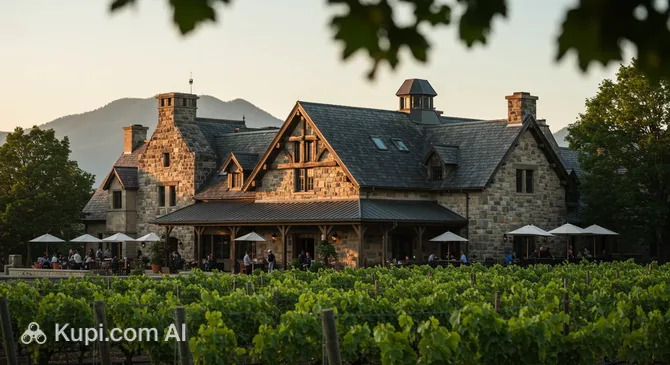
Biltmore Estate Winery. Source: Kupi.com AI

Today, the winery is considered one of the most visited in the country. It offers tourists not only the chance to sample excellent estate-grown wines in authentic cellars but also to enjoy strolls through **vast vineyards** and manicured gardens. The area surrounding the mansion features elegant conservatories with rare plants and parks adorned with classical white marble sculptures.

The significance of this site goes beyond simple gastrotourism. The estate, spanning over 3,000 hectares, is an important historical center where the American school of forestry was born. Every year, about a million travelers visit to immerse themselves in the atmosphere of the Gilded Age and enjoy the harmony of nature and architecture.

Contacts

To clarify details for your visit or to book special tasting tours, you can use the official communication channels. Below is reference information to help you quickly find your way and contact the Biltmore Winery administration.

Address 1 Lodge St, Asheville, NC 28803, USA
Phone +1 800-411-3812
Website biltmorewine.com
Google Maps Open map

What to Do

The highlight for every guest is the wine tasting in the historic cellars. Here, you can sample a wide range of varieties — from light whites to full-bodied reds, all crafted from grapes grown right on the estate. After your tasting, be sure to stop by the local shop to pick up a few bottles of exclusive wines as gifts or for your private collection.

A walk around the grounds is just as enjoyable. You can visit the Italian Garden with its picturesque ponds and marble sculptures or explore the massive conservatory where expert horticulturists grow rare ornamental flowers. If your visit coincides with the annual flower festival, you'll see an incredible array of poppies and other vibrant blooms.

For those seeking a deeper experience, special vineyard tours and workshops on the secrets of production are available. Complete your day with a meal at a cozy restaurant located in the former stables, serving farm-to-table products and fresh-baked bread that perfectly complements a glass of local wine.

Getting There

The easiest way to reach this scenic location is by car, as the estate covers a massive area; having your own transport will allow you to move freely between the mansion, Antler Hill Village, and the winery itself. From downtown Asheville, the drive takes only 10–15 minutes via the US-25 highway. Ample guest parking is provided on-site.

If you plan to arrive from Asheville Regional Airport (AVL), the trip by taxi or rental car will take about 20–30 minutes. Public transportation in this area is quite limited, so many tourists prefer using taxis or popular ridesharing services. For visitor convenience, special shuttles operate within the estate itself.

History & Facts

The history of this place is inextricably linked with the name George Washington Vanderbilt II, who decided to build a grand estate in Asheville in the late 19th century. Construction of the Châteauesque main house lasted from 1889 to 1895. The project was led by prominent architect Richard Morris Hunt and landscape designer Frederick Law Olmsted. Interestingly, Indiana limestone was used for the construction, hand-worked by thousands of laborers.

Vanderbilt was not only a connoisseur of art but also a pioneer in the field of forestry. It was here in 1898 that the first professional forestry school in the USA was founded — the Biltmore Forest School. After the founder's death, management of the estate passed to his wife Edith, and later to his daughter Cornelia, whose descendants still own the property today.

Biltmore Winery in its current form appeared much later, in the 1960s, when farm buildings were converted to promote tourism. In 1963, the estate was designated a National Historic Landmark. Today, the vineyards and wine cellars not only preserve agricultural traditions but also help maintain this architectural masterpiece in pristine condition.

Time Needed

To enjoy a leisurely wine tasting and tour the cellars, you usually need about 2–3 hours. This is plenty of time to get acquainted with the local selection, visit the conservatories, and stroll through the nearby gardens.

However, if you plan to combine your winery visit with a tour of **Biltmore House** itself and walks through the extensive parklands, you should set aside at least half a day (4–6 hours) or even a full day. The estate is so vast that you can spend hours soaking in the experience, moving from architectural masterpieces to natural landscapes.

Working Hours

Biltmore Winery warmly opens its doors to visitors daily. You can plan your visit for any day of the week, as the operating hours remain consistent from Monday through Sunday.

Guest hours: 12:00 PM to 5:00 PM. It is recommended to arrive early to allow time to enter the estate grounds and enjoy the tasting program before closing.

Nearby

A visit to the winery is just one part of what this scenic region has to offer. The surrounding area is home to many cultural and natural sites that will help you dive deeper into the atmosphere of North Carolina and learn more about the history of these lands.

Exploring the neighborhood will allow you to see both grand architectural ensembles and charming historical memorials dedicated to prominent figures and events of the past.

Name Distance (km)
Biltmore 1.7
Asheville Museum of History 3.1
Biltmore Gate House 3.5
Thomas Wolfe Memorial State Historic Site 5.4
Zealandia's Bridge (Helen's Bridge) 6.0
Blue Ridge Parkway 6.4
Grovewood Village 8.1
Estes-Winn Antique Car Museum 8.1
Vance Birthplace 17.9
Black Mountain Inn 23.1

Reached the end of the page?

That means the route is fully explored