Support

Railroad Park

About

The Railroad Park, also known as the Heart of Dixie Railroad Museum, is a fascinating place in the city of Birmingham, USA, dedicated to the rich railway history of the region. This museum is an important attraction that allows visitors to dive into the past and learn about the key role of the steel rails in the development of the city and the entire state of Alabama.
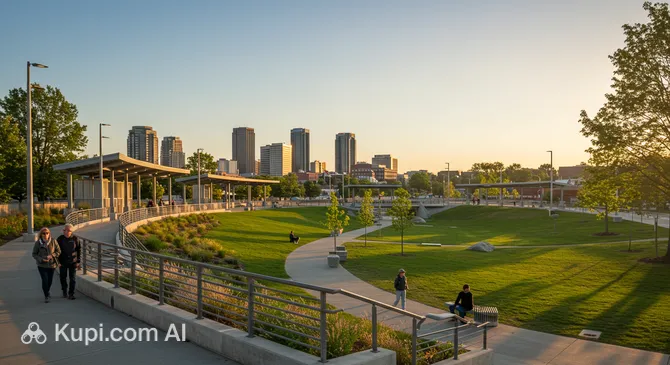
Railroad Park. Illustration.
Source: Kupi.com AI

Traveller photos:

Historically, Birmingham was a major railway hub, which played a decisive role in its establishment as a powerful industrial center. Since the city's founding in 1871, a developed railway junction was planned, allowing for the efficient transport of coal, iron ore, metal, and other industrial goods. The Railroad Park carefully preserves and vividly demonstrates this important part of American industrial history.

A visit to the park-museum provides a unique opportunity to see a collection of historic locomotives, passenger and freight cars, and other railway equipment. The exhibits tell the stories of past technologies, the lives of railway workers, and how the railroads shaped the economy and daily life. This place will be of interest to railway enthusiasts and history buffs alike, as well as families looking for an educational outing.

Contacts

To find current contact details for the Railroad Park, including telephone and operating hours, we recommend visiting the official Heart of Dixie Railroad Museum website or contacting tourist information centers in Birmingham. As this is a popular attraction, information can also be found on travel portals dedicated to the USA.

The Railroad Park is located in the city of Birmingham and can generally be reached by public transport or car; it is best to check exact routes locally or on city maps.

How to contactContact
Address1600 1st Ave S, Birmingham, AL 35233, USA
Phone+1 205-521-9933
Websitewww.railroadpark.org

What to Do

The main adventure at the Railroad Park is undoubtedly the train rides. Visitors get a unique opportunity to ride both a full-sized diesel-electric train and a charming narrow-gauge steam locomotive. These rides allow you not just to see history, but to literally feel the atmosphere of railway travel from years gone by, which is a special treat for both children and adults.

In addition to the exciting rides, the museum offers an immersion into railway history through informative exhibits. Here, you can closely examine impressive historic locomotives, various railcars, and other authentic railway equipment. The exhibits tell the story of how rail transport developed in the region and what an important role it played in the industrial development of Birmingham and the entire state of Alabama.

Getting There

Getting to the Railroad Park (also known as the Heart of Dixie Railroad Museum) in Birmingham, Alabama, is quite simple thanks to the city's well-developed transport infrastructure. Whether you are arriving from another city or are already in Birmingham, you will have several convenient options.

If you prefer traveling by car, you can easily find the museum by following road signs in the city or using GPS navigation. Birmingham has a good road network, and access to major attractions is usually well-marked. It's worth checking parking availability near the museum in advance, though such sites usually provide it.

For those relying on public transport, Birmingham offers various routes. From the city center, the Railroad Park can be reached by bus or taxi. Additionally, Birmingham is an important railway hub, and its Birmingham New Street station is one of the busiest in the region. From the train station, you can also reach the museum by taxi or city transport after checking the suitable routes.

Nearest city: Birmingham

History & Facts

The history of the Railroad Park, also known as the Heart of Dixie Railroad Museum, is inextricably linked to the founding of Birmingham itself. The city was established in 1871, following the US Civil War, and was named after the industrial center in Great Britain. The site for the new settlement was not chosen by chance: the proximity of rich iron ore, coal, and limestone deposits, along with a strategic plan to create a major railway hub, predestined its future. This is the vital part of the heritage that the museum seeks to preserve.

Railways became the lifeblood of young Birmingham, ensuring its rapid transformation into the leading industrial center of the US South. By the turn of the 20th century, local steel production had taken a leading position in the region. Rail transport played a key role in this process, continuously delivering raw materials to factories and shipping finished products across the country. Today, the Railroad Park clearly demonstrates this era of prosperity, when the whistles of steam locomotives symbolized progress and prosperity.

However, the history of Birmingham's railways has seen more than just high points. The hard times of the Great Depression in the 1930s dealt a serious blow to the city's economy, which inevitably affected the railway industry. The situation was so critical that President Franklin D. Roosevelt called Birmingham "the worst-hit city in the country." The exhibits of the Railroad Park reflect these difficult pages of history, showing the full scope and drama of the path traveled by the region's steel highways.

Time Needed

To fully explore the Railroad Park, also known as the Heart of Dixie Railroad Museum, and its exhibits, it is usually recommended to set aside 2 to 3 hours. This time will allow you to not only view all the exhibits presented but also to immerse yourself in the atmosphere of the region's railway history without rushing.

A significant portion of this time may be taken up not only by exploring the collection of locomotives and railcars but also by an exciting ride on a historic train—one of the park's main highlights. If you plan to take advantage of this opportunity, aim for this specified time interval to get the most out of your visit and fully enjoy the experience.

When planning your visit, especially if it's part of a busier day of sightseeing in Birmingham, take these 2-3 hours into account. For example, if you are using a city attraction pass, this time will allow you to harmoniously include the Railroad Park into your itinerary without missing anything interesting.

Working Hours

The exact operating hours of the Railroad Park (also known as the Heart of Dixie Railroad Museum) in Birmingham can vary, and unfortunately, current information about them is not available at this time. To get the latest schedule information, it is highly recommended to visit the official Heart of Dixie Railroad Museum website or contact them directly. It is also helpful to check local Birmingham tourist information resources.

Given that one of the main activities at the park is train rides, it is recommended to check if advance booking is required for tickets, especially during peak seasons or for special events. Information on whether the park is open year-round or has seasonal restrictions will also be available on official resources. When planning a visit, it is always best to check the latest data in advance to ensure your visit is as comfortable and interesting as possible.

7:00 – 23:00

Nearby

A visit to the Railroad Park in Birmingham is an exciting journey into history in itself, but exploring its surroundings can significantly enrich your experience. Often, other interesting sites are located near such iconic places, helping to build a more complete picture of the city and its cultural heritage.

Exploring nearby attractions will not only diversify your itinerary but also allow you to discover new facets of Birmingham. Perhaps just a few steps from the Railroad Park, cozy cafes, other museums, or historical monuments worthy of attention await you. Below is a list of some interesting places located nearby.

NameDistance
Social Club0.5 km
McWane Science Center0.7 km
Bartow Arena0.7 km
Alabama Peanut Company0.8 km
Birmingham Civil Rights Institute0.9 km
Kelly Ingram Park0.9 km
Jim Reed Books / Museum of Fond Memories1 km

Reached the bottom of the page?

Looks like you know this route inside out