Support

16th Street Baptist Church

About

The 16th Street Baptist Church is more than just a majestic religious structure; it is one of the most significant historical symbols in Birmingham. Founded in 1873, it became the city's first African American church and has remained the heart of the local community for over a century and a half. This site is recognized as a National Historic Landmark and is an important part of the cultural heritage protected by the USA.
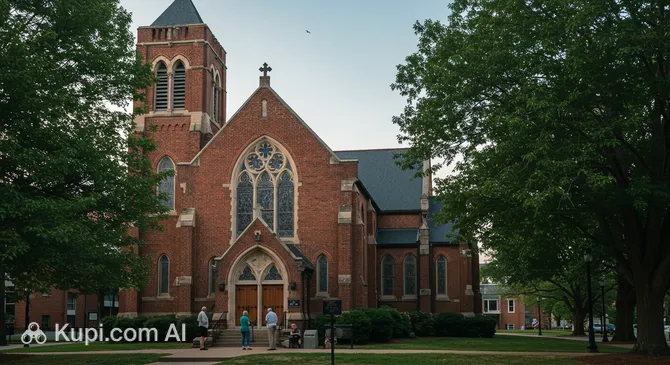
16th Street Baptist Church. Source: Kupi.com AI

Completed in 1911 and designed by the talented architect Wallace Rayfield, the building's architectural appearance is striking for its monumentality and brickwork. The church is located in the very center of the Civil Rights District, adjacent to the Civil Rights Institute and the picturesque Kelly Ingram Park, making it a must-visit on any tourist itinerary.

Today, the 16th Street Baptist Church is both an active parish and an important educational site. With a high trust rating among visitors, it attracts thousands of tourists annually, not only for its beauty but also for its role in the history of the struggle for human rights. The church is even included on the tentative list of UNESCO World Heritage sites, underscoring its global significance.

Contacts

To plan your visit or for more information about events, you can use the official communication channels.

Contact Information Details
Address 1530 6th Ave N, Birmingham, AL 35203, USA
Phone +1 205-251-9402
Official Website 16thstreetbaptist.org

What to Do

A visit to the church offers guests a profound educational and spiritual experience. Start with a guided tour, where guides will share the history of the congregation and its role as a hub for meetings and lectures by prominent historical figures. Pay special attention to the interior: take in the antique stained-glass windows and memorial elements that create a unique atmosphere of being part of history.

In addition to exploring the architecture, visitors can attend worship services to experience the vibrant African American spiritual tradition. The church often hosts special cultural programs and social events that tourists can participate in with a pre-planned visit.

The best way to conclude your visit is with a walk to the neighboring Kelly Ingram Park. It features sculptures dedicated to the themes of peace and reconciliation, which logically complements a visit to the church. The peaceful atmosphere of this location is perfect for reflection, photography, and exploring history through art.

Getting There

Located in the heart of Birmingham, the church is within walking distance of the business district and major municipal buildings. If you are traveling by car, it is most convenient to use the I-20/I-59 highway, taking the exit toward 6th Avenue North, where parking is usually available in the vicinity.

For those who prefer public transportation, BJCTA buses are a good option, with stops located just a few minutes' walk away. If your journey begins at Birmingham-Shuttlesworth International Airport (BHM), a taxi or ride-sharing services like Uber or Lyft will take about 15–20 minutes.

Once in the Civil Rights District, you can easily move between sites on foot. The church is directly across from Kelly Ingram Park and literally across the street from the Civil Rights Institute, making it an ideal starting point for a walking tour.

History & Facts

The congregation began its history on April 20, 1873, when the First Colored Baptist Church was founded in Birmingham. This occurred just two years after the official founding of the city itself. Initially, meetings were held in a small space, but by 1884, the parishioners had built their own brick building at its current location in the USA.

The church took on its modern appearance in 1911 after the old building was demolished due to structural defects. The design for the new majestic sanctuary was developed by Wallace Rayfield, a prominent African American architect of the time. In the first half of the 20th century, the church became not only a religious but also a powerful cultural center, hosting figures such as W.E.B. Du Bois and Paul Robeson.

For decades, the 16th Street Baptist Church played a key role in public life, earning the nickname "everybody’s church." Its historical significance was officially recognized at the federal level: in 1980, it was added to the National Register of Historic Places, and in 2006, it was designated a National Historic Landmark.

In 2013, the victims of the momentous events of 1963 were posthumously awarded the Congressional Gold Medal—the highest civilian award that can be bestowed in the United States. Today, the building is part of the Birmingham Civil Rights National Monument, preserving the memory of the country's path toward equality and justice.

Time Needed

For a basic look at the building's architecture and a brief visit to the interior with a tour, you will need about 1–2 hours. This is enough time to appreciate the interiors, see the famous stained-glass windows, and soak in the atmosphere of the place.

However, if you plan to explore the entire Civil Rights District in detail, including a walk through Kelly Ingram Park and a visit to the neighboring Civil Rights Institute, we recommend setting aside 3 to 4 hours for this part of your trip. This will allow you to immerse yourself in the historical context and view all the memorial sites without rushing.

Working Hours

If you are planning to visit the 16th Street Baptist Church in Birmingham, please note its operating schedule. For tourists and guided tours, the doors are open from Monday to Friday, 9:00 AM to 5:00 PM.

Saturday and Sunday are closed for general visiting, as the church holds internal events and traditional Sunday services for parishioners at these times.

Nearby

A visit to the 16th Street Baptist Church opens the door to an entire historical quarter, where virtually every building and park has its own unique story. A walk through the surrounding area will help you feel the spirit of the city and its cultural heritage more deeply.

Below are interesting nearby locations to include in your itinerary:

Attraction Name Distance (km)
Birmingham Civil Rights National Monument 0.1
A.G. Gaston Motel 0.2
Alabama Peanut Co. 1.0
Oak Hill Cemetery 1.0
Topgolf Birmingham 1.5
Sloss Furnaces National Historic Landmark 2.3
The Historic Bethel Baptist Church 4.1
Splash Pad 4.7
Urban Air Trampoline and Adventure Park 6.1
Vestavia Hills Sibyl Temple 7.3

Reached the end of the page?

That means the route is fully explored