Support

Chevak Airport

About the Airport

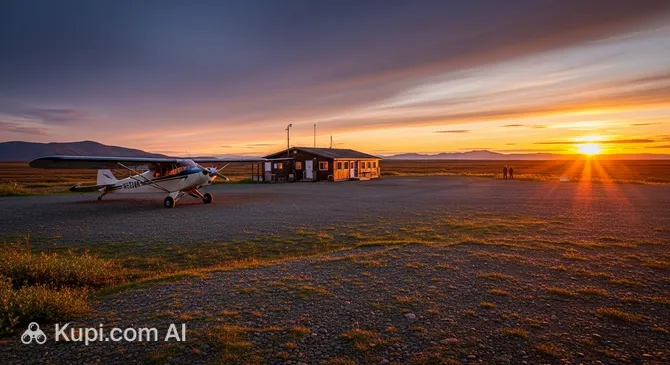
Chevak Airport. Source: Kupi.com Binoculars
Chevak Airport is not merely a transport hub, but a vital "lifeline" for the residents of this remote corner of Alaska, which cannot be reached by car from the outside world. There are no familiar glass terminals or long queues here; instead, passengers are greeted by the rugged romance of the tundra and the spirit of the true North. Landing on a gravel strip amidst the vast expanses of the Yukon-Kuskokwim Delta offers travellers unforgettable emotions even before they begin to explore the culture of the local inhabitants.
IATA Code VAK
ICAO Code PAVA
City Chevak
Distance to centre 1.6 km
Status Regional (Domestic)
Annual Passengers Approx. 3,500
Schedule Upon request from the carrier

Features and advantages of the airport:

Chevak Airport plays a critically important role in the life of the community, serving as the main channel for the delivery of mail, groceries, medicine, and passenger transport. Its compactness and simplicity make the departure and arrival process as fast as possible, eliminating the stress typical of large hubs. The gravel runway, characteristic of small Alaskan airports, adds authenticity to the journey and allows one to experience the specifics of flying in wild nature conditions.

Contact Information

  • Official Website: dot.alaska.gov (The airport is managed by the Alaska Department of Transportation)
  • Address: Chevak Airport, Chevak, AK 99563, USA
  • Help Desk Phone: +1 907-269-0770 (Central Region Airport Management)
  • Email: There is no direct address; inquiries are sent via the general form on the Department of Transportation website.
  • Social Media: Official airport pages are not available.
  • Lost Luggage Information: The airport does not have its own terminal with a lost and found department. For issues regarding lost or damaged items, you must contact the air carriers directly (e.g., Grant Aviation or Ryan Air).
  • Passenger Support Contacts: Personal support is provided by airline representatives directly during flight check-in.

How to get to the airport

Transport logistics in the town of Chevak have their own unique features, dictated by the remoteness of the region and the harsh climate of Alaska. Since the airport is located just 1.6 km from the settlement centre, methods of movement familiar to metropolises are replaced here by more practical and authentic options. The road to the terminal is not a boring drive along a highway, but a small adventure with a view of the tundra.

Public Transport

There is no classic public transport system in Chevak. You will not find bus routes, trains, or a metro here. Due to the compact size of the settlement and the small number of residents, regular scheduled services are simply not feasible. Most locals get to the runway by private transport or on foot, if the weather and amount of luggage permit.

Taxi and Transfer: Local Experience

Taxi services in Chevak are informal. Uber or large taxi fleets do not operate here. Transportation is provided by local residents in private vehicles. It is important to consider transport seasonality:

  • In Summer: You may be given a lift in a pickup truck, SUV, or quad bike (ATV).
  • In Winter: Snowmobiles become the primary means of transport. If you have a lot of luggage, be sure to warn about this in advance so the driver can prepare special sleds.

Usually, a transfer is ordered through the hosts of the guest house where you are staying, or by agreement with local residents. It is recommended to arrange the trip in advance, as finding a car spontaneously at the airstrip can be difficult.

Car Rental and Parking

There are no offices of international rental companies (such as Hertz or Avis) in Chevak. It is impossible to rent a car here, and it is not necessary: the road network is limited to the boundaries of the village, and you cannot drive out of its borders as there are no highways connecting Chevak with other cities.

Parking at the airport consists of an open dirt area next to the runway. It is free and used mainly by those meeting or seeing off passengers. There is no guarded parking, so leaving valuables in vehicles is not recommended.

Travel Time and Cost

A trip from any point in the residential zone to the airport takes only 5–10 minutes. The fare is usually fixed and is about 5–10 USD per person one way. Payment is accepted in cash only, so it is worth preparing small bills in advance.

Nearest Transport Hubs

Since Chevak can only be reached by air, it is useful to know about neighbouring airports that can serve as transfer points or alternative destinations in the Yukon-Kuskokwim Delta region. The main hub for flights to Chevak is Bethel Airport, located approximately 220 km to the southeast.

Other airports within a 300 km radius:

Terminals and Map

The infrastructure of Chevak Airport (VAK) is a classic example of an Alaskan "bush airport", where functionality and resilience to harsh weather conditions are prioritized over architectural excesses. For travellers accustomed to huge hubs with endless corridors and Duty Free shops, the local terminal will seem surprisingly compact and homelike in its simplicity.

Number of Terminals and Their Purpose

The airport has only one small terminal, which is a single-story building serving simultaneously as a waiting room, check-in area, and baggage claim point. There is no separation into international and domestic sectors, as all flights are regional. The building serves as a shelter from the wind and frost for passengers awaiting the arrival of small aircraft (usually models like the Cessna Caravan or Piper Navajo).

Airport Layout and Zones

Navigation at Chevak Airport is intuitive and does not require maps or apps. The entire space is organized very logically:

  • Check-in Zone: Usually, this is a small counter or table inside the building where airline representatives (e.g., Grant Aviation or Ryan Air) check documents and weigh luggage.
  • Waiting Room: A small space with seats where you can warm up before departure.
  • Departure and Arrival Zone: Unlike large airports, there are no jet bridges or buses here. Boarding takes place directly from the terminal door onto the apron. Passengers walk to the aircraft on their own, following the instructions of the pilot or ground staff.

Service Features and Procedures

The process of completing formalities here is simplified as much as possible but has its own specifics related to light aviation:

  • Check-in and Security: Classic security screening (TSA) with frames and scanners is generally absent in Chevak, as flights are operated on small vessels. However, airline staff may visually inspect luggage. Check-in takes mere minutes.
  • Weighing: This is a critically important stage. To balance small aircraft, they weigh not only suitcases but often the passengers themselves (or ask for their weight). This should be treated with understanding — it is a matter of flight safety.
  • Arrival Time: It is recommended to arrive at the airport 30–45 minutes before departure. This time is quite sufficient for processing documents and checking in luggage.

Transfers and Luggage

The concept of "transit" within Chevak Airport is not relevant, as there are no connecting flights of different airlines within a single ticket with automatic luggage transfer. If you are flying with a transfer, luggage is handed out right at the aircraft side upon arrival (often the pilot unloads it personally) or brought into the terminal building. Retrieving items takes no more than 5–10 minutes after the engines stop.

Navigation Recommendations

The main advice for navigation at Chevak Airport is to observe the weather and staff commands. In winter, the apron can be slippery and the wind piercing, so dress warmly before leaving the building. If you do not see an employee at the counter, they are likely on the strip meeting a plane. Simply wait in the warm room — no one is left unattended here.

Airport History

The history of Chevak Airport (VAK) is inextricably linked with the fate of the settlement itself and the development of light aviation in Alaska. Unlike large international hubs, the chronicle of this small airfield is measured not by architectural awards, but by decades of reliable service in the harsh conditions of the tundra, ensuring the survival of the local Kashunamiut community.

Inception and Early Years

Aviation connections in this area began to develop in the early 1950s, almost immediately after residents were forced to leave the historic settlement of Old Chevak due to flooding and founded New Chevak on higher ground. The first airstrip was equipped in the very heart of the new village. It was a simple dirt embankment that allowed for the reception of light mail and cargo planes, vital for supplying the isolated region.

The Era of the Old Airfield and Safety Issues

For half a century, the old airport was located in immediate proximity to residential houses and the school. Such a location was convenient for logistics but created serious safety threats. The noise of engines interfered with classes, and pilots had to display miraculous skill, approaching for landing literally over the roofs of buildings in strong crosswinds. Moreover, the short strip limited the types of aircraft that could land in Chevak and made flights impossible in the dark or in bad weather.

Key Stage: Construction of the New Airport

A major milestone in the facility's history was a large-scale modernization programme implemented in the early 2000s. The Alaska Department of Transportation decided to move the airport to a new location, outside the residential zone. This project became a real engineering challenge due to swampy soil and permafrost.

  • 2002–2004: Active construction phase. A new gravel strip about 975 metres (3200 feet) long was built, significantly exceeding the parameters of the old field.
  • October 2004: The new airport was officially put into operation. This event was a celebration for the entire town, as it opened up opportunities for more stable air communication.

Modernization and Technology

The opening of the new complex brought modern technologies previously unavailable. Modern lighting equipment was installed, allowing flights to be received around the clock, which is critically important for medical evacuation during long winter nights. An access road was also built connecting the terminal to the village, and an apron was equipped for parking several aircraft simultaneously.

Interesting Historical Facts

  • Fate of the Old Strip: After the opening of the new airport, the old airstrip in the centre of Chevak was not abandoned. It became a sort of wide boulevard and is used by locals for moving around on quad bikes and snowmobiles.
  • Logistical Feat: All materials for the construction of the new airport, including heavy machinery and thousands of tonnes of gravel, were delivered by barges along the river during the short summer navigation period, as overland roads to Chevak do not exist.
  • Reliability Records: Despite extreme weather conditions (storm winds from the Bering Sea and frosts down to -40°C), Chevak Airport has one of the highest availability rates among small airports in the region thanks to the successful location of the new strip relative to the wind rose.

Today, the airport continues to write its history, remaining the main gateway to the outside world for the residents of Chevak and a symbol of the resilience of life in the Far North.

Services and Facilities

The infrastructure and service at Chevak Airport (VAK) fully correspond to the spirit of the real Alaska: functional minimalism reigns here. Travellers accustomed to the comfort of international hubs should prepare in advance for basic facilities. There is no familiar set of commercial services here, but there is a sincere readiness of the staff to help in any situation.

Dining and Shops

There are no cafes, restaurants, beverage outlets, or vending machines on the airport territory. The terminal building does not have commercial spaces.

  • Tip for tourists: Be sure to take care of snacks and water in advance. You can purchase groceries only in the village of Chevak itself (for example, at the general store Chevak Company Corporation Store) before leaving for the airport.
  • Souvenirs: There are no Duty Free shops or souvenir stalls here either. It is better to look for and buy folk art items and products of local craftsmen directly in the village during your stay.

Connectivity and Electronics

The airport does not provide a public Wi-Fi network. Mobile reception in the terminal area may be unstable and depends on your operator (local providers such as GCI work best in Alaska).

  • Device Charging: There are no specialized charging stations (like USB ports in seats) in the waiting room. There may be standard power outlets in the building, but their availability and accessibility are not guaranteed. It is recommended to have a fully charged power bank with you, especially in winter when batteries drain faster due to the cold.

Financial Services

There are no ATMs or currency exchange points in the terminal. In Chevak, as in many remote Alaskan settlements, cash payment is preferred, especially when paying for private transfers or buying souvenirs from individuals. It is better to withdraw cash in advance in a major transfer city (such as Anchorage or Bethel) or use an ATM in the village store before arriving at the airport.

Waiting Rooms and Business Services

The concept of a VIP lounge or business lounge is not applicable at Chevak Airport. The entire terminal is a single small waiting room where all passengers stay together. Conference rooms or document printing services are absent.

Medical Assistance

There is no medical centre or pharmacy at the airport. Airline staff usually have a first aid kit. It is important to remember that the airport itself is a key hub for air ambulance services: it is from here that emergency evacuation of patients to major regional clinics takes place.

Services for Passengers with Special Needs

Despite the lack of high-tech equipment (lifts, jet bridges), passengers with reduced mobility or those travelling with children can count on comprehensive assistance.

  • Boarding the Aircraft: Since boarding is carried out from the ground, pilots and ground staff personally help passengers board, and carry strollers and luggage.
  • Families with Children: There is no mother and child room in the terminal. However, the atmosphere in the waiting room is calm, and locals are always friendly towards young travellers.

Accommodation: Hotels Nearby

There are no hotels or sleeping pods on the airport territory itself. The nearest accommodation options are in the residential area of Chevak village, just a 5–10 minute drive away.

Tourist infrastructure is limited to small guest houses or rooms rented out by locals (Bed & Breakfast). There are no large chain hotels here. It is recommended to book accommodation in advance through the settlement administration or personal contacts, as the number of places is limited.

Where to Eat

Dining at Chevak Airport (VAK) is an aspect of travel that requires special attention and planning. Due to the remote location and modest size of the terminal, passengers should not count on the service familiar to big cities. The concept of "airport food" is completely absent here, so your comfort depends entirely on your foresight.

Restaurants, Cafes, and Lounges

In the airport's single passenger terminal, there is not a single catering establishment. You will not find coffee shops, fast food chains, or even small buffets here. The division into "landside" and "airside" zones is nominal here and does not affect the availability of services: there is no food in either zone. Also, the building is completely devoid of vending machines with drinks or snacks.

Where to buy food before departure?

The only way not to go hungry while waiting for a flight or during the flight is to purchase groceries in advance in the village of Chevak itself. It is recommended to visit the local general store (e.g., Chevak Company Corporation Store) before you head towards the airport. There you can buy bottled water, biscuits, canned goods, or ready-made packaged snacks.

Local Cuisine: What to try (or take with you)

Although meals are not served at the airport, a trip to this region is a great chance to discover the unique cuisine of the Kashunamiut (Cup'ik) people, if locals treat you or you find homemade preparations in the village. This is an excellent option for a "dry ration" for the road:

  • Yukola (Dry fish): Sun-dried or cured fish (usually salmon or pike). It is light, nutritious, keeps for a long time, and does not require special transport conditions — an ideal snack for a flight over the tundra.
  • Smoked Fish: Strips of cold-smoked salmon — a traditional Alaskan delicacy.
  • Akutaq (Eskimo Ice Cream): This dish is harder to take on a plane as it requires cold, but it is definitely worth trying in the village before departure. It is a mixture of fat, berries (cloudberries, blueberries), and sometimes fish or sugar.

Special Dietary Requirements (Vegetarian, Vegan, Gluten-Free, Halal)

Since there is no centralized catering, passengers with special dietary needs are safe from accidental ingredients but must rely entirely on their own supplies. In the village store, the selection of specialized products (for example, gluten-free bread or Halal meat) may be extremely limited or non-existent. Vegans and vegetarians are better off relying on simple basic products: nuts, fruits (if available), or crackers.

Price Range

There is nowhere to spend money at the airport itself. However, it is worth noting that grocery prices in Chevak stores are significantly higher than in the continental US due to complex logistics (delivery only by air or barge). Be prepared that a simple bottle of water or a pack of crisps will cost 2–3 times more than the usual price.

Recommendations for Passengers

  • For a quick snack: Always have an energy bar, chocolate, or a packet of nuts in your hand luggage. Light aviation flights can be delayed due to weather, and waiting in the terminal can drag on for several hours.
  • Drinks: There are no drinking fountains in the terminal. Be sure to take a supply of water with you, especially if travelling with children.
  • Thermoses: In winter (which is most of the year), the best solution is to take a thermos of hot tea or coffee from your accommodation. This will help keep you warm in the cool waiting room.
Travel Tips

Travelling through Chevak Airport is a unique experience that differs greatly from flying through major international hubs. Here, in the vastness of Alaska, unwritten rules apply, dictated by the harsh climate and the specifics of light aviation. To ensure your trip goes smoothly and without unnecessary stress, we have prepared a number of practical recommendations.

Optimal Arrival Time

In Chevak, there is no need to arrive at the airport 2–3 hours in advance. The terminal is small, and processing procedures are quick. However, you cannot be late either: planes fly on a tight schedule, and sometimes they may even depart 5–10 minutes early if all passengers are already assembled.

  • Recommended Time: Arrive at the terminal 40–50 minutes before departure. This time is enough to check in, weigh your luggage, and chat with the airline representative.
  • In Winter: Consider weather conditions on the way to the airport. Even a short snowmobile ride can be prolonged due to a blizzard, so allow a small time buffer for the journey.

Check-in and Security Control

Forget about long queues, removing shoes, and scanning liquids. The security procedure here is simplified but strict.

  • Weighing: Be prepared to be asked to stand on the scales together with your hand luggage. This is not a whim, but a crucial safety requirement for balancing small aircraft (Weight & Balance). Honesty when answering the question about weight is key to a successful takeoff.
  • Documents: Keep your identification (passport or ID) handy, even if the atmosphere seems informal.

Seat Selection on the Plane

In aircraft like the Cessna or Piper, there is no online seat reservation. Passenger seating is directed by the pilot.

  • Weight Distribution: The aircraft commander will assign you a specific seat based on weight distribution on board. You cannot argue with this decision.
  • Views and Noise: If weight permits, ask for a window seat — the views of the Yukon Delta are stunning. Note that it is quite noisy in small planes, so having noise-cancelling headphones or earplugs will make the flight much more comfortable.

Hand Luggage and Baggage

The interior space of "air taxis" is extremely limited. There are no overhead luggage bins like in large liners.

  • Type of Bags: It is better to use soft sports bags or backpacks rather than rigid suitcases on wheels. Soft luggage is easier to fit into the compact cargo hold.
  • What to take in the cabin: Keep everything most valuable (documents, money, vital medicines, phone) in your jacket pockets or in a small bag on your lap. Access to main luggage during the flight will be impossible.
  • Prohibited Items: Despite the lack of scanners, rules for carrying dangerous substances (gases, flammable liquids, weapons without a case) apply strictly. Weapons and ammunition are transported only in checked baggage in accordance with airline rules.

Tips for Transit Passengers

Most flights from Chevak head to the regional hub — the city of Bethel, from where you can fly to Anchorage.

  • Time Buffer: Never plan a connection back-to-back. Weather in Alaska is unpredictable, and a delay of a flight from Chevak by a couple of hours is common. It is recommended to allow at least 3–4 hours for a transfer in Bethel, or better yet — plan departure from the hub for the next day, especially in the winter season.
  • Luggage: Most often, luggage is not automatically transferred between different local airlines. You will have to collect it in Bethel and check it in again for the next flight.

Customs Control

Since Chevak Airport serves only domestic flights, there is no customs or border control here. All formalities, if you are flying from abroad, are completed at the first point of entry into the USA (usually Anchorage, Seattle, or Los Angeles).

How to Save Time and Money

  • Cash: Always have small cash bills (US Dollars) with you. They will be needed to pay for the ride to the airport or buy souvenirs, as cards are not accepted everywhere.
  • Groceries: Food in rural Alaskan stores is very expensive. If you want to save money, bring basic snacks (nuts, chocolate, crackers) with you from the "big city" (Anchorage). This will also save you from hunger in case of a flight delay.
  • Tickets: Buy tickets in advance. Despite the fact that this is "rural aviation", prices closer to the departure date can rise significantly, and seats can run out, as planes accommodate only 4–9 passengers.

What to do in case of Flight Delay

Delays and cancellations due to fog, wind, or blizzards are part of life in Chevak. The main rule: stay calm.

  • Communication: Ensure the airline has your current mobile phone number for notifications.
  • Waiting: If the flight is postponed for several hours, it is better to return to the village than to wait in the cold terminal without amenities. Stay in touch with your accommodation hosts — you may need to extend your stay for another day.
  • Entertainment: Be sure to bring a book, downloaded films or music, and a fully charged power bank. There may be no sockets or Wi-Fi at the airport, and waiting for the weather sometimes takes all day.

Reached the end of the page?

That means the route is fully explored