Support

Coos Bay

About

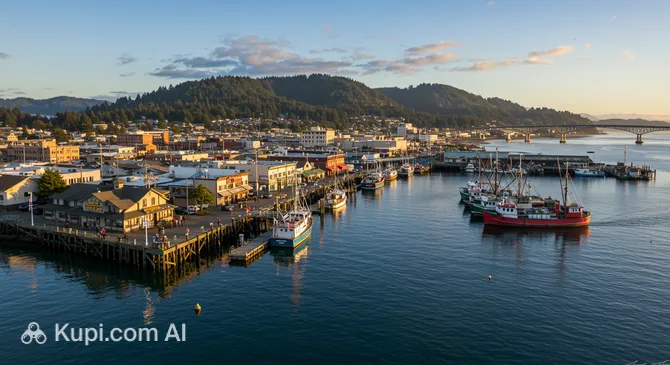
Coos Bay is a picturesque and cozy town located on the Pacific coast of Oregon, USA. It sits at the mouth of the bay that shares its name, where the majesty of the ocean meets dense coniferous forests and winding rivers. Thanks to this unique location, the city is considered a true gem of the region: on one side, endless beaches and sand dunes stretch out, while on the other, green parks seem perfectly designed for leisurely strolls.

Despite a population of only about 16,000, the city plays an important role as the county's administrative center and boasts the largest port on the Oregon coast. The rich history of Coos Bay is inextricably linked to the sea and the development of the region, giving the place a special charm. An atmosphere of tranquility and friendliness reigns here, where every guest can feel right at home.

Coos Bay. Illustration.
Source: Kupi.com AI

Coos Bay attracts tourists primarily with its natural beauty and opportunities for outdoor activities. It is a paradise for lovers of fishing, kayaking, and photo safaris. Travelers come here to explore the famous Oregon dunes, walk scenic forest trails, and enjoy the fresh sea air, which feels exceptionally clean here.

Coos Bay is the perfect place to escape the hustle and bustle of big cities and find inspiration in the solitude of nature. Be sure to stay until evening to witness the stunning Pacific sunsets that will remain in your memory for a long time.

Weather Overview

The city's climate can be described as temperate maritime, providing mild conditions year-round without extreme heat or severe frost. To plan your perfect vacation, it's worth checking in advance what the weather in Coos Bay will be during your visit, as the seasons here differ significantly in terms of moisture.

Summer is the most popular time for traveling to this region. In July and August, precipitation is almost non-existent (ranging from 0 to 1 rainy day), and the air warms up to a comfortable 21°C during the day, with an average temperature of about 17°C. This is the best time for long walks and exploring the coast.

The winter period, on the other hand, brings abundant rain: in December and January, up to 19 rainy days per month are recorded. However, temperatures remain above freezing, ranging between 6–11°C, and rarely drop below 5°C even at night.

Spring and autumn serve as smooth transitions between these contrasts. May and September often delight with pleasant warmth up to 16–20°C and moderate dryness, while November and March are rainier. Expect warm, sunny summers and cool, wet winters typical of the Pacific Northwest.

Average monthly temperature

Average monthly precipitation

Interesting Facts

Beyond the picturesque dunes and forests, Coos Bay hides many curious details that reveal themselves only to the attentive traveler. Here are a few facts that will help you better understand the character and history of this place:

  • Largest Natural Harbor. Coos Bay holds a unique geographic status — it is the largest natural port on the coast between San Francisco and Seattle. Due to this, the city has been a vital trade and fishing hub in the Northwest USA since the 19th century.

  • Birthplace of a Sports Legend. It was here that Steve Prefontaine, the iconic American middle- and long-distance runner, was born and raised. His story has inspired generations of athletes, and locals cherish the memory of their famous countryman, who began his training on the streets of this city.

  • Lights Over the Ocean. The city is famous for its annual "Shore Acres Holiday Lights" festival. During this time, the historic Shore Acres Park is transformed into a shimmering wonderland: thousands of colorful lights decorate the gardens against the backdrop of the dark ocean, creating an unforgettable festive atmosphere.

  • Mystical Legends. The history of the coast is inextricably linked with the sea and its dangers. Stories of old shipwrecks and even ghost ships that, according to local lore, occasionally appear in the thick fog over the bay waters are popular among residents.

How to Get There

When planning a trip to the scenic Oregon coast, it is important to think about logistics in advance, as the city is located some distance from major metropolitan areas. You can learn more about how to get to Coos Bay to choose the most suitable route, whether by air or by car.

The fastest way to get close to your destination is to use local flights. The nearest transport hub is Southwest Oregon Regional Airport (OTH). It is important to note that it is not located in Coos Bay itself, but in the neighboring city of North Bend, just 6.1 km from the center. Despite the proximity, considering transport waiting times and the drive, the journey by taxi or bus will take about 30 minutes. This is a small airport, convenient for regional flights.

For travelers who prefer larger hubs with a wider geography of flights, Eugene Airport (EUG) is a good option. It is located in the city of Eugene, at a distance of 116.1 km. This is a significant transport hub in the region with high passenger traffic. The drive from there to the coast will take approximately 3 hours and 15 minutes.

An alternative is Rogue Valley International-Medford Airport (MFR), located in the city of Medford (155.8 km from Coos Bay). Many flights arrive here, but the transfer time to the coast will be longer — about 4 hours and 15 minutes.

For clarity, here is a summary of the main airports:

AirportPassenger trafficDistance
Southwest Oregon Regional Airport42 0006 km
Eugene Airport1.7 mln116 km
Rogue Valley International-Medford Airport1.0 mln156 km
Del Norte County Regional Airport16 000177 km
McNary Field30 000197 km

Since there is no direct passenger rail service in the immediate vicinity of the city, many tourists prefer to rent a car at one of the major arrival airports. Driving along the famous Highway 101, which passes through Coos Bay, is an adventure in itself, with views of the ocean and forests.

Main Attractions

Coos Bay and its surroundings are a real treasure trove for nature and history lovers. The city serves as a gateway to some of Oregon's most impressive landscapes, where rugged cliffs give way to manicured gardens and cultural sites tell the story of the region's rich past. Here are a few places that are definitely worth including in your travel itinerary.

Shore Acres State Park. This is perhaps the most famous attraction in the county, perched on high cliffs above the ocean. Located on the site of a former timber baron's estate, the park is famous for its magnificent botanical gardens, including a lush rose garden and an elegant Japanese-style garden. However, it's not just the flowers that draw tourists: the observation deck offers breathtaking views of the ocean, where powerful waves crash thunderously against sandstone cliffs. It's an ideal spot for spectacular photos and whale watching.

Oregon Dunes National Recreation Area. To the north of the city begins a unique natural landscape — the largest expanse of coastal sand dunes in North America. Mountains of sand here stretch for dozens of miles and can reach heights of 150 meters. This place attracts outdoor enthusiasts: you can rent a buggy or ATV, or even try sandboarding. For those who prefer peace and quiet, there are hiking trails through the dunes to secluded beaches.

Cape Arago State Park. This scenic cape is located at the end of the road leading from Shore Acres and offers some of the best panoramic views of the coast. The main feature of this place is the opportunity to observe wild marine life in its natural habitat. From the south cove trails, you can often hear and see colonies of sea lions and seals resting on the coastal rocks. From here, you also get an excellent view of the historic Cape Arago Lighthouse, standing on a separate islet.

Coos Art Museum. For those who want to experience the city's cultural life, it's worth visiting this museum, located downtown in a historic Art Deco building that was once a post office. It is a key center for visual arts on the southern Oregon coast. In addition to its collection of paintings and contemporary graphics, there is a special memorial gallery dedicated to the legendary runner Steve Prefontaine, a local native, where his awards and personal belongings are kept.

Local Cuisine

The gastronomic scene in Coos Bay is inextricably linked to the ocean, and it is the freshest seafood that forms the basis of the local menu. The main delicacy of the region is rightfully considered the Dungeness crab, whose sweet and tender meat can be found in almost any establishment in town. Local oysters and mussels, harvested right from the city docks, are equally popular and guarantee exceptional freshness.

For those looking to warm up after a walk along the windy coast, a classic clam chowder — a thick, creamy soup traditionally served in a bread bowl — is the perfect choice. In street cafes and pubs, keep an eye out for simpler but no less delicious dishes: crab sandwiches, beer-battered cod, or seafood tacos, which have become a local street food hit.

The food culture in Coos Bay is characterized by its casual nature and closeness to the environment. Locals and tourists alike enjoy visiting farmers' markets where you can buy not only smoked fish but also organic vegetables, farmhouse cheeses, and jams made from wild berries gathered in the area. The city is also famous for its gastronomic events: in the summer, oysters are celebrated at a special festival, and in winter, seafood fairs with culinary masterclasses are held.

Among beverages, local craft ales and beers brewed at small breweries in the city and surrounding areas hold a special place. They perfectly complement fish dishes and create a cozy atmosphere for evening relaxation. For lovers of non-alcoholic drinks, fruit juices and lemonades made from local berries highlight Oregon's "forest" flavor.

Travel Tips

A trip to Coos Bay promises to be an unforgettable adventure full of maritime romance and natural discoveries. To ensure your trip is as comfortable as possible and free of surprises, we have prepared a list of useful recommendations to help you feel confident in this scenic corner of Oregon.

  1. Clothing and Gear. Weather on the Pacific coast is changeable, so layering is your best friend. Even in summer, be sure to bring a windbreaker or a quality raincoat, as the ocean breeze can be cool. For walks on the dunes and forest trails, you will need comfortable, waterproof shoes with flat soles. If you are traveling from another country, don't forget a power adapter (type A or B).

  2. Transport. Although there are buses in the region, it's best to rent a car to fully explore the surroundings. Many key locations, such as remote beaches or park viewpoints, are outside the reach of public transport. Taxi apps (Uber, Lyft) work, but wait times can be long, especially in the evening.

  3. Finances. The official currency is the US dollar. Bank cards are accepted almost everywhere, from restaurants to souvenir shops, but having some cash (bills of 1, 5, 10 dollars) is useful for tips or purchases at small farmers' markets. The tipping culture here is standard for the country: it is customary to leave 15–20% of the check in cafes and restaurants.

  4. Health and Safety. Coos Bay is a safe and quiet town, but nature demands respect. The main hazards are ocean currents and so-called "sneaker waves" that can unexpectedly surge onto the shore. Be vigilant on beaches. Large chain pharmacies operate on a standard schedule, but 24-hour locations may not be within walking distance.

  5. Connection and Communication. The primary language is English. Locals are friendly and patient with tourists, so a basic set of phrases will be enough. Free Wi-Fi is available in many cafes and hotels, but cell signals can drop along the coast and in forest areas. We recommend downloading offline maps of the region in advance.

  6. Local Etiquette. Oregon has a relaxed and friendly atmosphere. It is customary to greet staff in shops and bus drivers. Special attention is paid to ecology: littering in nature is considered extremely rude. Locals are very protective of the cleanliness of their beaches and forests.

  7. What to Avoid. Never turn your back to the ocean when at the water's edge, and do not walk on driftwood logs. During high tide, even massive logs can unexpectedly shift under the weight of the water, posing a serious danger.

  8. Local Life Hack. If you want to explore the famous tide pools at Cape Arago and see starfish and anemones, be sure to check a tide chart. The most interesting sights are only visible during low tide, and you should plan your visit specifically for that time.

We hope these tips help you plan the perfect trip and avoid minor inconveniences. Coos Bay is ready to reveal its secrets and offer you the peace that can only be found on the shores of the majestic Pacific Ocean.

Entertainment & Nightlife

Nightlife in Coos Bay is characterized by a calm and steady rhythm typical of small Oregon coastal towns. You won't find noisy metropolitan nightclubs with face control and strict dress codes here. Instead, the city offers a cozy atmosphere of craft breweries, historic taverns, and entertainment centers where everyone is welcome. Most of the action is concentrated in Downtown and along the boardwalk, where you can safely walk in the evening enjoying the fresh sea air.

The center of attraction for those who don't want to sleep is The Mill Casino. This is not just a place for gambling, but also the region's main concert venue. It regularly hosts musical groups, comedy shows, and themed nights. The complex is open late, offering guests several bars and restaurants with bay views, making it an ideal place to end a busy day.

Connoisseurs of quality beer and live music should head to 7 Devils Brewing Co. This establishment has become the heart of local culture: they brew excellent ale using local ingredients and often host free concerts by local folk and rock performers. The atmosphere here is as democratic as it gets — the crowd comes in jeans and fleece jackets, and you might find tourists sitting next to local fishermen.

For an immersion into the authentic atmosphere of small-town America, stop by Coney Station. This is a classic bar and grill with a rich history, located in the city center. They serve hearty snacks and offer a wide selection of drinks in a setting filled with sports broadcasts and friendly conversation. It's a great place to feel the true spirit of the city and chat with locals.

When planning your evening, keep a few practical points in mind. Most bars and restaurants close their kitchens around 9:00 PM–10:00 PM, although the establishments themselves may stay open until midnight or 2:00 AM on weekends. Taxi and rideshare services (Uber, Lyft) may be busy or unavailable late at night, so plan your route back to the hotel in advance, especially if you are staying outside the center.

Daytime entertainment in Coos Bay also deserves attention and often transitions into the evening program. Be sure to visit the famous Egyptian Theatre — an architectural masterpiece in the Egyptian style that still shows movies and hosts organ concerts. History buffs will enjoy a walk along the boardwalk with a visit to the maritime museum, while families with children can spend time at North Bend Lanes bowling center, located nearby.

Parks & Museums

The cultural and natural landscape of Coos Bay extends far beyond its famous coastline: here, travelers will find cozy urban oases and unique museum collections that reveal the soul of this port city. Green zones are harmoniously integrated into the urban terrain, while historical exhibitions allow a look at Oregon through the eyes of early settlers, sailors, and loggers.

Mingus Park is the green heart of the city, located just a few minutes' walk from the business center. It's an ideal place for peaceful relaxation: there are scenic trails around a pond with waterfowl, an outdoor swimming pool, and an amphitheater. The park's crowning jewel is the magnificent Japanese garden, a gift from the sister city of Choshi. Tourists should visit for the atmosphere of tranquility, blooming rhododendrons, and the chance to have a picnic in the shade of ancient trees.

For those ready for a short trip inland, Golden and Silver Falls State Natural Area is a must-visit. Located about 40 minutes from the city, this park hides two majestic waterfalls plunging from a height of over 60 meters amidst a dense old-growth forest. This spot attracts hikers and photographers with its pristine beauty and lack of large crowds typical of coastal locations.

The main guardian of the region's memory is the Coos History Museum. The new, modern museum building stands right on the waterfront, offering a view of the bay that has fed locals for centuries. The exhibits fascinatingly tell of the maritime heritage, the culture of indigenous peoples, and the era of rapid logging development. This is not just an exhibition of artifacts, but an interactive space that helps you understand how the character of this rugged land was formed.

Lovers of unusual attractions and old-world atmosphere should visit The Marshfield Sun Printing Museum. This is a true "time portal": the old newspaper office building has remained virtually unchanged since the early 20th century. Inside, you can see original printing presses and type cases used by journalists of the past to document city life when it was still named Marshfield.

Insider Tip: After visiting the History Museum, be sure to walk along the wooden boardwalk on the waterfront. Here you can not only enjoy the sea breeze but also see historic locomotives at the small open-air Oregon Coast Historical Railway museum. It's a great opportunity to take atmospheric photos against the backdrop of vintage machinery without any extra fuss.

Getting Around

Given the city's small size and population, the public transport system here is quite compact and represented exclusively by bus routes. There is no subway, tram, or trolleybus in Coos Bay. The primary carrier is Coos County Area Transit (CCAT), which connects the city with neighboring North Bend and Charleston. This is a reliable and budget-friendly way to move between major residential areas, shopping centers, and medical facilities.

CCAT buses run on fixed routes, the most popular being the Loop line, which covers key points of the metropolitan area. Tourists should take the schedule into account: trips are mostly performed during the daytime on weekdays. On weekends, the number of trips may be significantly reduced, and some routes may not operate at all. It is highly recommended to check the current schedule in advance on the carrier's official website or via navigation apps like Google Maps.

Fare is paid when boarding the bus. The most common method is paying cash to the driver. It is critical to have the exact amount (small bills and coins), as drivers do not provide change. The cost of a single trip is low, and special transfers may be issued for switching between routes. If you plan to use the bus actively throughout the day, it is more economical to purchase a day pass from the driver.

Despite the availability of buses, renting a car remains the most convenient option for full-scale tourism. Many of the main natural attractions, such as Shore Acres Park or remote parts of the Oregon Dunes, are outside the public transport coverage area. A car will provide the necessary freedom of movement and allow you to explore the scenic coast at your own pace without being tied to infrequent bus schedules.

Alternatively, taxi services and rideshare apps like Uber and Lyft are available. However, be prepared for significantly longer wait times than in major cities, sometimes reaching 20–30 minutes. In the evening and at night, the availability of cars drops sharply. For short trips around the historic Downtown and the waterfront, walking is a great option — distances are short, and the sidewalks are pedestrian-friendly.

Accommodation

The choice of accommodation in Coos Bay and neighboring North Bend is diverse enough to satisfy the needs of most travelers, even though there are no massive five-star global chains here. The hotel stock primarily consists of mid-range hotels, classic American motels, cozy lodges, and modern campgrounds. The city caters to auto tourists traveling along the coast, so almost everywhere offers free parking and easy access to the highway.

In terms of geography, the most popular and convenient area to stay is along Highway 101. This is where most hotels are concentrated, providing easy access to shops, restaurants, and major transport links. If you are looking for a quieter atmosphere and scenic views, consider accommodation options closer to the bay waterfront or in the Empire district, which offers faster access to ocean beaches.

A special category of accommodation in the region is casino resorts and outdoor vacation complexes. For example, staying at the casino property is popular, where guests are offered not only comfortable rooms with bay views but also access to entertainment, a swimming pool, and restaurants without leaving the building. For lovers of total unity with nature, many RV parks and yurts are available near Coos Bay, located in the immediate vicinity of the dunes and forests.

Booking Tip: The tourist season in Oregon has a pronounced peak in the summer months (July–August). During this time, as well as during major festivals, the best accommodation options are booked several months in advance. We strongly recommend booking your room early if your trip falls in the summer or on a holiday weekend.

The price range in Coos Bay can be described as moderate. It's easy to find budget motels for an overnight stop, and the cost of staying in "comfort" category hotels is usually lower than in the large metropolitan areas of the West Coast. Booking is available through popular international online platforms and directly on hotel websites, which sometimes allows you to find special offers for extended stays.

Nearby Cities

For those who want to explore the surrounding area, Coos Bay serves as an excellent starting point for day trips to several interesting nearby locations:

One of the most attractive destinations is Eugene — the state's second-largest city, located in the scenic Willamette Valley. It is often called the "Emerald City" for its abundance of greenery and parks. Here you can visit museums at the University of Oregon, stroll through the famous Saturday Market, or enjoy dinner at one of the restaurants focusing on organic products.

For adventure and wildlife lovers, a trip to Grants Pass is an excellent choice. This city is known as the gateway to the wild Rogue River, offering exciting opportunities for rafting and fishing. The historic city center retains the charm of old Oregon, and the climate here is generally sunnier and warmer than on the coast itself.

If you are interested in gastronomic tourism and shopping, consider Medford. Located in the southern part of the state, it serves as the center of the Rogue Valley wine region. Here you can visit the tasting rooms of local wineries, try the famous Oregon pears, and stroll through modern shopping centers.

CityPopulationDistance
Lakeside31 12523 km
Bandon3 30032 km
Roseburg23 55173 km
Gold Beach2 000108 km
Eugene273 904118 km

These nearby destinations offer a glimpse into the diverse culture and landscapes of the region.

Shopping & Souvenirs

Shopping in Coos Bay and its surroundings is a pleasant blend of practicality and searching for unique local treasures. As the largest settlement on the Oregon coast, the city offers tourists everything they need: from large supermarkets with camping supplies to cozy antique shops and boutiques with handmade products. You won't find luxury high-fashion brands here, but it's the perfect place to buy authentic souvenirs, high-quality outdoor clothing, and the freshest regional products.

The heart of commercial life is the historic Downtown, especially Central Avenue and Broadway. A stroll through this area will delight lovers of vintage and antiques: there is a concentration of antique shops where you can find nautical relics, old books, and interior items. Additionally, the center features small art galleries and gift shops offering works by local artisans inspired by the ocean and nature.

For those who prefer a classic shopping format, the main attraction is Pony Village Mall. Although technically located in the neighboring city of North Bend, it is effectively a single shopping zone with Coos Bay. This is the largest indoor shopping center on the Oregon coast, housing clothing, shoe, electronics, and home goods stores under one roof. Here you can find familiar American brands and restock your wardrobe with everything needed for your journey.

A special atmosphere can be felt at the Coos Bay Farmers Market. It traditionally takes place downtown on Wednesdays during the warm months (usually from May to October). This is not just a place to buy food, but a real social event. Tourists come here for fresh berries, homemade baked goods, honey, flowers, and unique crafts by local makers. The market is a great opportunity to chat with residents and get a taste of Oregon.

When choosing what to take home as a memory, look for items made from Myrtlewood. Oregon Myrtlewood is the pride of the region, and local craftsmen create stunning bowls, kitchen utensils, and figurines with beautiful textures from it. Another essential souvenir is candy, especially products made from local cranberries. Visit the famous Cranberry Sweets store to buy candies, jams, or chocolates with berries. Premium canned seafood, such as local tuna or salmon, is also popular.

Shops in Coos Bay typically operate from 10:00 AM to 6:00 PM or 8:00 PM, while large supermarkets and shopping centers may be open longer. Sunday is often a short day. Cash dollars and major credit cards are widely accepted. Contactless payment with a smartphone is available in most places, but small stalls at the market may prefer cash.

A huge advantage of shopping in the state of Oregon, and in Coos Bay in particular, is the absence of sales tax. Unlike most other states in the USA, the price you see on the tag is the final amount you pay at the register. This makes electronics, clothing, and souvenir purchases particularly profitable for tourists, as you automatically save between 5% and 10% compared to neighboring states.
Reached the end of the page?

That means the route is fully explored