Support

Cortland

About

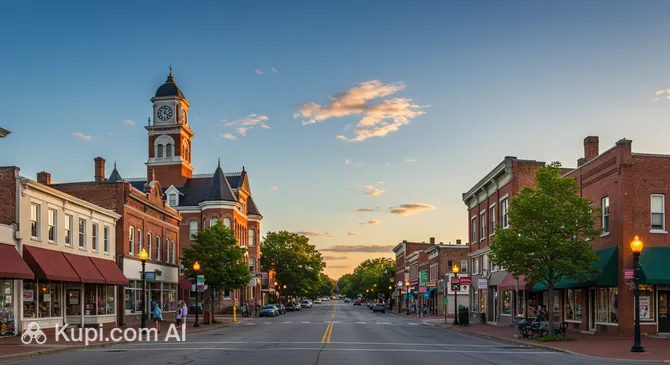
Cortland is a cozy and atmospheric city located in Upstate New York, in the heart of the picturesque Finger Lakes region. Situated in a valley surrounded by rolling hills and dense forests, it is a true find for nature lovers. When traveling through the USA, it is worth stopping by here to experience the harmony between quiet provincial life and modern comfort.

Cortland. Illustration.
Source: Kupi.com AI

The city is home to about 17,500 people, creating an intimate and friendly environment. However, Cortland is far from a sleepy town: thanks to the well-known SUNY Cortland college, a youthful spirit and liveliness prevail here year-round. Its convenient geographical location between the cities of Syracuse and Ithaca makes it an excellent starting point for exploring the region.

The city center is attractive for its architecture, where you can admire beautifully preserved 19th-century buildings. The fascinating history of Cortland is revealed in the details of the facades, local museums, and antique shops. The city is famous for its hospitality, farmers' markets, and various festivals that will interest tourists of all ages.

If you are looking for a place to take a break from the hustle and bustle, enjoy walks along nature trails, and taste local delicacies, Cortland is definitely worth your attention. It is an ideal corner for getting acquainted with the traditions and authentic atmosphere of the American heartland.

Weather Overview

The climate in Cortland is characterized by distinct seasonality, allowing tourists to enjoy various types of recreation year-round. Summers are usually pleasant and not too sweltering: the average temperature in July is about 71°F (21.7°C), and on the warmest days, the air warms up to 79°F (26.1°C). This is a wonderful time to explore the region, though an umbrella might come in handy as rainy days happen even in the height of the season.

Winter brings real cold and snowfall. January is considered the harshest month with an average temperature of 25°F (-3.9°C) and night frosts down to 18.7°F (-7.4°C). Precipitation occurs fairly regularly throughout the year: the number of days with precipitation varies from 11 in September to 19 in December, so humidity is a common occurrence here.

Expect warm summers with occasional rain and cold winters with frequent precipitation. To ensure you choose the right clothing and make the right vacation plans, we recommend checking the weather in Cortland in advance before your trip.

Average monthly temperature

Average monthly precipitation

Interesting Facts

Beyond its picturesque landscapes and cozy streets, Cortland holds many fascinating secrets that reveal themselves only to curious travelers. Here are a few facts that will help you see this city in a new light:

  • City of Inventors: In the 19th century, Cortland was famous as a center of innovation, especially in the manufacturing of furniture and machinery. Local legend has it that a unique type of plow was invented and built here, cementing the city's reputation as a place where pioneering ideas are born.

  • Stellar Roots: The city is proud to be the birthplace of Carl Sagan—the world-renowned astronomer and science communicator. His contribution to the study of the Universe is invaluable, and local residents respectfully honor the memory of their outstanding fellow citizen.

  • "The Little York of Theater": Cortland earned this unofficial but flattering nickname due to its incredibly vibrant cultural life. The abundance of student productions and active theater groups creates an atmosphere of creativity rarely found in small towns.

  • A Window into the Victorian Era: One of the architectural gems is The 1890 House Museum. This is not just a building, but a real portal to the past, where you can immerse yourself in the atmosphere of the late 19th century and learn how the local elite of that time lived.

How to Get There

When planning a trip to this cozy corner of New York State, it is worth thinking through the logistics in advance, as there are no major transport hubs within the city itself. However, thanks to its convenient location between several regional centers, getting here is easy. You can learn more about how to get to Cortland by exploring all available route options.

There is no airport in the city of Cortland itself, so travelers usually fly into neighboring cities. The most convenient option is Syracuse Hancock International Airport (SYR), located in Syracuse. The distance to Cortland is about 35 miles (57 km), which allows you to reach your destination by taxi or rental car in about 45–50 minutes. This is a major air hub with good passenger traffic, accepting flights from many cities across the country. If you prefer to fly even closer, consider Ithaca Tompkins International Airport (ITH) in Ithaca. It is located just 16 miles (26 km) from Cortland, and the drive takes about 30 minutes, though the number of flights there may be fewer.

For convenience, here is a summary of the main airports in the region:

AirportPassenger trafficDistance
Ithaca Tompkins Regional Airport136 00026 km
Greater Binghamton Airport73 00047 km
Hancock International Airport3.0 mln57 km
Elmira Corning Regional Airport171 39276 km
Greater Rochester International Airport2.6 mln135 km

Rail travel is also a popular way to reach the region, although there is no train station in the city of Cortland itself. The nearest and most convenient Amtrak stop is the Syracuse Regional Transportation Center, located in Syracuse, approximately 36 miles (58 km) from Cortland. From the station, you can reach your final destination by intercity bus or taxi in about an hour.

Below is information about the nearest train stations:

StationPassenger trafficDistance
Syracuse Railway Station160 30158 km
Rochester NY Railway Station123 329135 km
Albany–Rensselaer Station909 772200 km
Buffalo Depew Station122 682212 km
Penn Station219 mln274 km

Main Attractions

Cortland is a city where history meets picturesque nature, offering tourists a rich cultural program. Whether you are interested in Victorian-era architecture, industrial heritage, or peaceful forest walks, there is a place here that will leave a lasting impression.

The 1890 House Museum is a true architectural gem of the city. This majestic limestone mansion, resembling a castle, once belonged to local industrialist Chester Wickwire. Today, it is a museum where you can immerse yourself in the atmosphere of the late 19th century. Tourists are drawn to the beautifully preserved interiors, elegant stained-glass windows, and the opportunity to learn about the lives of both the wealthy owners and their servants, providing a complete picture of life in that era.

Fans of technology and local history should definitely visit the CNY Living History Center. This large-scale complex brings together several unique collections under one roof. Of particular pride is the Brockway Truck Museum—a legendary brand that was manufactured right here in Cortland. Additionally, antique tractors, Civil War artifacts, and items related to the development of the region's railroads are on display.

For those seeking communion with nature, the Lime Hollow Nature Center is the perfect destination. It is a vast conservation area with miles of well-maintained trails passing through dense forests, fields, and wetlands. The center is open year-round: hiking and birdwatching are popular in the summer, while snowshoeing takes over in winter. A highlight of the park is the "Art Trail," where the natural landscape is complemented by creative installations.

The cultural life of the city is impossible to imagine without the Cortland Repertory Theatre. This is one of the most respected professional theaters in the state, delighting audiences with its productions for over half a century. Performances, ranging from Broadway musicals to classic dramas, take place in a historic pavilion in the scenic Little York Park, making every visit a true aesthetic pleasure.

Local Cuisine

The culinary scene in Cortland is a harmonious blend of classic American traditions and vibrant international accents. The undisputed culinary symbol of the city is the legendary Doug's Fish Fry. They prepare excellent fish sandwiches and seafood following old family recipes. Tourists are strongly recommended to try their signature fried fish, the flavor of which is perfectly complemented by their homemade sauces.

Cozy cafe lovers should stop by Coffee Mania, which serves specialty drinks and fresh pastries. If you crave variety, the city offers a decent selection of international cuisine: from Lebanese and Mediterranean dishes at the Pita Gourmet bistro to authentic Italian pasta and pizza at the Green Arch Restaurant.

The food culture in Cortland is closely linked to local agriculture. Farmers' markets here are a true celebration of taste, where you can buy fresh honey, seasonal vegetables, and the famous New York apples. Especially popular are the sweet treats that have become the region's hallmark—homemade apple and wild berry pies.

Food trucks can often be found on the city streets, offering simple and hearty fare: juicy burgers, hot dogs, and fragrant grilled corn. In addition, Cortland is famous for its gastronomic festivals, where guests are invited to taste local craft beer and farm cheeses. Establishments maintain a friendly and open atmosphere, so don't hesitate to ask locals for advice—they will gladly share their favorite spots.

Travel Tips

Welcome to Cortland! To make your acquaintance with this cozy college town and the picturesque Finger Lakes region as comfortable as possible, we have prepared a list of helpful recommendations. These simple tips will help you avoid minor inconveniences and feel confident in any situation.

  1. Clothing and Essentials. The weather in Upstate New York is changeable. In winter, a down jacket, hat, and warm waterproof shoes are essential due to frequent snowfalls. In summer, light clothing is sufficient, but always bring a windbreaker or hoodie for cool evenings. An important detail: the USA uses Type A and B sockets with 110V voltage, so be sure to get a power adapter for charging your gadgets in advance.
  2. Transportation. Although Cortland Transit buses run in the city, their schedules and routes can be limited, especially on weekends. The most convenient way for a tourist to get around is by renting a car. This will give you the freedom to explore not only the city but also the surrounding natural parks. Rideshare apps (Uber, Lyft) work, but pickup times may be longer than in major metropolitan areas.
  3. Finances. The official currency is the US Dollar. Bank cards are accepted almost everywhere: from hotels to small coffee shops. However, it is recommended to carry some cash ($1, $5, $10 bills) for tips or purchases at farmers' markets. Tipping culture is very important here: it is customary to leave 15–20% of the total bill in restaurants, as well as $1–$2 per drink for bartenders.
  4. Health and Safety. Cortland is a quiet and safe city, but basic vigilance is still good: do not leave valuables in your car in plain sight. Large chain pharmacies (CVS, Walgreens) are available here, but they do not always operate 24/7, so it's better to pack a personal first-aid kit in advance. The emergency number for police, ambulance, or fire is 911.
  5. Communication. The primary language of communication is English; service staff rarely speak other languages, so a basic set of phrases or an online translator will come in handy. There are usually no problems with Wi-Fi: free access is available in most cafes, libraries, and hotels. It is best to purchase a local SIM card from a major airport upon arrival or at mobile stores in the city's shopping zones.
  6. Local Etiquette. In small towns like Cortland, people are more open and friendly than in big cities. It is customary to greet staff in stores, hold the door for the person behind you, and smile when making eye contact. Respect queues and personal space—Americans value distance when communicating.
  7. What to Avoid. You should not walk onto private property outside the city without permission. If you see a "Private Property" or "No Trespassing" sign, it means entry is strictly prohibited and should be respected. Also, avoid comparing Cortland to New York City in conversations with locals—they are proud of their identity and relaxed pace of life.
  8. Additional Tip. Consider the SUNY Cortland college schedule. During major university events, such as graduation or alumni weekends, the city is crowded and accommodation prices can rise. However, this is also when the city has its most lively and festive atmosphere!

By following these simple rules, you can enjoy the atmosphere of Cortland without any extra worries. We wish you an exciting journey full of pleasant impressions and only positive emotions from your introduction to the American heartland!

Entertainment & Nightlife

The nightlife in Cortland is closely tied to its status as a college town. Thanks to the students of the local college, the atmosphere here is democratic, lively, and relaxed. Most of the activity is concentrated in the historic center, where old architecture stands alongside modern bars and pubs, creating a cozy backdrop for evening strolls.

The epicenter of evening entertainment is Main Street. This is where the most popular establishments are located, with doors open until late at night. Unlike large metropolises, you will rarely encounter a strict dress code or pretentious night clubs with guest lists in Cortland. The style of most places is "casual": jeans and t-shirts are perfectly appropriate. The crowd is diverse, ranging from boisterous student groups to local residents stopping by for a drink after work.

If you want to dive into the local bar culture, be sure to check out a few iconic spots. One favorite is the Cortland Beer Company. This is an excellent brewery in the city center offering a wide selection of their own craft beers. Live music is often played here, and the atmosphere is perfect for long friendly conversations. Another cult spot is The Red Jug Pub—a legendary bar known for its massive selection of draft beers and signature T-shirts, which have become a sort of souvenir for visitors.

For those who prefer cultural leisure over loud parties, an evening at the Cortland Repertory Theatre is an ideal choice. Although mentioned as a landmark, it is worth noting specifically as a center of evening life: professional musicals and dramas are staged here regularly, drawing full houses of art lovers.

Practical tips for tourists:

  • Operating Hours: Bars typically stay open until 2:00 AM. The liveliest times are Thursday through Saturday nights.
  • Prices: Cortland offers pleasantly affordable prices. The average price for a drink here is significantly lower than in New York City, typically around $5–$8.
  • Safety and Transport: The city center and the Main Street area are considered safe for night walks, and the streets are well-lit. Since public transport is rare at night, it is better to use taxi services like Uber or Lyft to return to your hotel.
  • Identification: Age verification is taken very seriously in the USA. Even if you look older than 21, be sure to carry your passport or driver's license when entering bars.

During the day, Cortland offers more relaxed forms of recreation that perfectly complement your itinerary before heading out for the evening. You can visit local museums, walk through scenic parks, or head to the Greek Peak Mountain Resort if you are traveling in winter. This creates a great balance: an active day in nature and a relaxing evening in a cozy downtown bar.

Parks & Museums

Cortland offers travelers a balanced mix of outdoor recreation and immersion in the region's cultural heritage. The city and its surroundings are rich in green spaces where you can escape the daily grind, while local museums carefully preserve stories of the industrial past and the Victorian era.

Among the natural areas, Yaman Park is particularly popular. It is an ideal spot for family vacations, located near the highway exit, making it easily accessible for tourists. The park's main feature is a picturesque pond with a developed beach area, where you can swim and sunbathe in the summer. There are also spacious picnic areas, playgrounds, and a skate park for active leisure enthusiasts.

For those who prefer a deeper connection with nature, the Lime Hollow Nature Center is a must-visit. This is a true oasis of biodiversity with miles of hiking trails passing through forests, streams, and marshes. The park functions as an open-air educational platform where visitors can go birdwatching and study the local flora. The trails are accessible year-round, offering great snowshoeing opportunities in winter.

Another significant green space is Suggett Park. It serves as the city's sports hub, offering baseball and softball fields, basketball courts, and a swimming pool. On hot days, it is especially crowded thanks to the modern splash pad, which is a delight for young travelers.

A cultural itinerary should begin with the Suggett House Museum. This building is the headquarters of the Cortland County Historical Society and houses an extensive collection of artifacts telling the story of the region since its founding. Here you can see antique furniture, textiles, military relics, and household items, as well as make use of the rich genealogical library.

Equally impressive is the CNY Living History Center. This museum complex is a real find for fans of machinery. the exhibition includes the famous Brockway trucks, which were manufactured in Cortland and became a symbol of the city's industrial power. Additionally, there is an impressive collection of antique tractors and exhibits dedicated to railroad history, allowing you to trace the evolution of transport in the USA.

Art and architecture lovers should pay attention to the historic city center. Strolling through the streets, you will see magnificent examples of 19th-century buildings, including the majestic 1890 House Museum. This mansion provides a glimpse behind the scenes of high-society life in the Victorian era, showcasing luxurious interiors and unique decorative art objects.

As an insider tip, we recommend checking out the Cortland Corset Building. Once an industrial site, today it is a creative space housing artist studios, craft workshops, and small shops. It is a great place to feel the modern pulse of the city and find unique handmade souvenirs.
Getting Around

The public transport system in Cortland is compact and simple, perfectly matching the measured pace of life in this small city. You won't find subways or trams here; the primary means of transportation for locals and tourists alike is the bus. The transit network is designed to connect residential areas, shopping centers, the university campus, and main streets, providing basic mobility without unnecessary complications.

The main transport operator is Cortland Transit. Buses run on several fixed routes, covering both the city itself and the surrounding areas of the county. This is a reliable way to reach major attractions, supermarkets, or medical centers. These buses are easy to recognize by their signature branding, and stops are usually marked with special signs, though in some areas, drivers may stop upon request if it is safe to do so.

Paying for fares in Cortland is handled conservatively. The most common method is paying cash upon boarding. It is extremely important for tourists to remember the rule: drivers do not give change, so you must have the exact fare ready in advance. The fare is very affordable and depends on the distance (within the city or traveling out into the county). Commuter passes exist but are geared more toward permanent residents; for a short-term visit, using cash is more convenient.

Since Cortland is a college town, SUNY Cortland campus shuttles run frequently. While they are primarily intended for university students and staff, their presence significantly reduces city traffic. If you see a bus with college branding, keep in mind that its route is limited to the campus territory and nearby student housing.

For those who prefer more freedom and comfort, taxi and rideshare services are excellent alternatives. Popular apps like Uber and Lyft operate in the city, though wait times for a car may be longer than in large cities, especially in the early morning or late at night. Local taxi companies are also available, with phone numbers easily found online or at hotel receptions.

In the warmer months, Cortland becomes very convenient for walking and cycling. The historic city center is compact, and many interesting spots are within walking distance of each other. Cyclists should be attentive, as dedicated bike lanes are not available everywhere, but drivers are generally accustomed to the presence of two-wheeled transport on the roads.

Practical tips for tourists: Be sure to check bus schedules in advance on the official Cortland Transit website or using online maps. Keep in mind that on weekends and holidays, the number of trips is significantly reduced, and evening routes may end quite early. If you plan a trip outside the center late at night, it is better to book a taxi in advance.

Accommodation

The choice of accommodation in Cortland will pleasantly surprise travelers with its variety and affordability. The city offers options suitable for both transit tourists traveling through the USA by car and those planning to stay longer to explore the Finger Lakes region. For the most part, reliable mid-range chain hotels and cozy inns predominate here, but you can also find budget motels and atmospheric Bed and Breakfast options.

Geographically, hotels in Cortland can be roughly divided into two main groups. The first and most numerous group is located near the I-81 interstate exits (particularly in the Riverside area). This is a strategically convenient location for those who value quick highway access and proximity to major supermarkets and chain restaurants. Staying here guarantees modern comfort standards and ample parking.

The second category of accommodation is located closer to the historic center and the university campus. This area is ideal for tourists who prefer walking to museums, local cafes, and the theater. Here you can find charming guesthouses located in restored Victorian mansions, which allow for a deeper immersion into the atmosphere of old Cortland. For lovers of nature and active recreation, staying near the ski resort is an excellent choice, where resort lodges and apartments with views of the picturesque hills are available.

Booking Tip: Although Cortland is a small city, the demand for accommodation can spike sharply. It is critical to book rooms in advance (several months ahead) if your trip coincides with major events at SUNY Cortland, such as graduation weekends, alumni reunions, or the start of the academic year. High occupancy is also observed during the peak of the ski season in winter.

The price range in the city can be described as moderate. While it is difficult to find ultra-luxury five-star hotels here, the prices for quality "comfort" and "standard" category accommodations remain very affordable compared to the major metropolitan areas of New York State. Booking is most convenient through popular international online platforms, which allow you to compare reviews and find the best deals, though many local B&Bs also welcome direct booking through their websites.

Nearby Cities

For those who want to explore the surroundings, Cortland serves as an excellent starting point for day trips to several interesting nearby locations.

Just about 31 miles (50 km) to the north lies Syracuse. This is a major cultural and economic center of the region, perfect for shopping and entertainment enthusiasts. It is home to the massive Destiny USA complex, as well as many museums, including the famous Erie Canal Museum, which tells the story of the waterways' role in the state's development.

To the south, about an hour's drive away, is Binghamton, often called the "Carousel Capital of the World." Six antique carousels are preserved in local parks, and rides are free for everyone. The city is also famous for its picturesque views of the confluence of rivers and its cozy college-town atmosphere.

Literature and history buffs should visit the city of Elmira. This place is closely tied to Mark Twain: it was here, in his study at Quarry Farm, that he wrote his most famous works. Additionally, Elmira is known as a center for soaring, hosting the National Soaring Museum.

CityPopulationDistance
Ithaca31 81932 km
Manlius33 59148 km
Camillus25 33350 km
Syracuse418 87550 km
Owego18 79656 km

These nearby destinations provide a great overview of the region's diverse culture and landscapes.

Shopping & Souvenirs

Shopping in Cortland is a relaxed and pleasant activity, devoid of the hustle and bustle of massive metropolises. The city doesn't claim to be a fashion capital, yet there is a special atmosphere of supporting local business here. Travelers can expect a harmonious blend of familiar American retail chains and cozy independent shops where you can find unique goods and feel the spirit of the true American heartland.

The heart of the city's commercial life is historic Main Street. A walk down this street will delight fans of architecture and leisurely shopping. Independent boutiques offering clothing, books, and home decor are concentrated here. Antique shops add a special charm to the area, where you can find rare vintage items with a history.

For more practical and large-scale purchases, head to the Riverside Plaza area. This is a large open-air shopping zone featuring popular chain stores for clothing, home goods, and sporting equipment. Large supermarkets are also located here, making it a convenient spot to restock if you are traveling by car.

An essential part of the local culture is the farmers' markets, which operate during the warmer months. This is the best place to get acquainted with the region's gastronomic riches. Tourists and locals alike come here for fresh seasonal vegetables, homemade jams, pastries, and flowers. The market atmosphere is always friendly and encourages interaction with the farmers.

Popular souvenirs from Cortland often include items with SUNY Cortland college branding—hoodies and caps are in constant demand. It is also worth looking at products from local artisans and gastronomic souvenirs: the famous New York maple syrup, apple chips, or locally produced craft beverages make excellent gifts.

Stores in major shopping centers typically operate from 10:00 AM to 9:00 PM, while small independent shops downtown may close earlier—around 5:00 PM or 6:00 PM—and may have reduced hours on Sundays. Credit cards and contactless payments are accepted almost everywhere, but it is recommended to have cash dollars on hand for markets and fairs.

Tourists should remember that in New York State, as in many other USA states, Sales Tax is not included in the price tag and is added to the total at the checkout. The Tax Free return system for foreign tourists common in Europe does not apply here, so plan your budget with this surcharge in mind.

Reached the end of the page?

That means the route is fully explored