Support

Coors Field

About

Coors Field is not just a baseball stadium, but a true landmark of Denver, located in the USA. This modern arena is the home field for the famous Major League Baseball (MLB) team, the Colorado Rockies. Opened in 1995, the stadium quickly became one of the most visited in the league and a key point of attraction in the city.

Located in the heart of the city in the vibrant historic Lower Downtown (LoDo) district, the stadium is easily accessible to both locals and tourists. Its construction in the mid-90s gave impetus to the renewal of Denver's entire downtown area. Coors Field is known for its unique atmosphere during matches and the magnificent views of the Rocky Mountains from the stands.
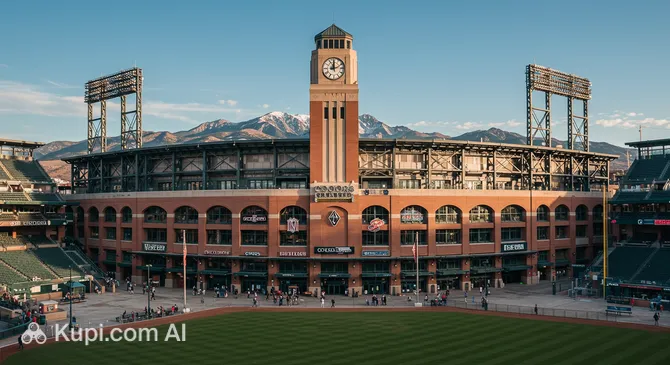
Coors Field. Illustration.
Source: Kupi.com AI

Traveler photos:

In addition to sports, the arena attracts visitors with its thoughtful design and is considered an important cultural and architectural symbol. A special feature of the stadium is a row of purple seats on the upper tier that mark the exact altitude of one mile (1,609 meters) above sea level, highlighting Denver's nickname — "The Mile High City." Even if you are not a big baseball fan, a visit to Coors Field will provide bright impressions and allow you to feel the authentic spirit of this American city.

Contacts

For the most up-to-date information on match schedules, ticket purchases, or event organization at Coors Field, we strongly recommend contacting official sources. Since contact details and visiting conditions may change, the best solution is to find the official website of the Colorado Rockies baseball team or use search engines just before your visit. This ensures you receive accurate and current information.

How to contactContact
AddressCR-Peezo House, 2001 Blake St, Denver, CO 80205, USA
Phone number+1 303-292-0200
Websitewww.mlb.com

What to Do

The main reason to visit Coors Field is, of course, baseball. Attending a home game of the Colorado Rockies, who play in Major League Baseball (MLB), means plunging into an unforgettable atmosphere of excitement and unity. Even if you are not a long-time fan of the sport, the energy of the stands and the spectacle of the game will not leave you indifferent. Besides the match itself, visitors can freely wander the stadium grounds, stopping by numerous cafes and bars for a snack, and souvenir shops in search of their favorite team's gear. From the upper tiers, magnificent views of downtown Denver and the majestic Rocky Mountains open up.

Even on non-game days, Coors Field is not empty and offers guests interesting opportunities. Special stadium tours are organized for tourists, allowing a look "behind the scenes" of major sports. During such a tour, you can learn about the history of the Colorado Rockies, the architectural features of the arena, and visit places usually closed to the general public, such as player locker rooms or commentary booths. Additionally, the stadium regularly serves as a venue for major events—from grand concerts by world stars to city festivals and private celebrations.

Getting There

Getting to Coors Field is easy thanks to its prime location in the heart of Denver, in the Lower Downtown (LoDo) district. If you are staying at one of the downtown hotels or sightseeing in this part of the city, the most pleasant way to reach the arena is on foot. The walk won't take much time and will allow you to better experience the atmosphere of the bustling city.

For those who prefer public transport, there are many convenient options. Bus and light rail stops are located near the stadium, providing excellent transport accessibility from various areas. Additionally, the city's main transportation hub, Union Station, is just a few blocks away, where trains and numerous bus routes arrive, making it an ideal starting point for your trip to the game.

If you plan to travel by car, spacious parking areas are provided around Coors Field. This is a convenient option for those traveling by car; however, on match days, it is recommended to arrive early or book a parking space online to avoid any hassle.

Nearest city: Denver

History & Facts

The history of Coors Field, one of the iconic arenas in the USA, began in 1993 when construction started, and it officially opened to fans on April 26, 1995. The project was designed by the renowned architectural firm HOK Sport (now known as Populous). This stadium became Denver's first dedicated baseball facility, replacing the old Mile High Stadium, where the Colorado Rockies played their initial seasons.

The emergence of Coors Field played a key role in the transformation of the Lower Downtown (LoDo) district. Thanks to the stadium's construction, this once-industrial neighborhood turned into a vibrant center of urban life, filled with restaurants, bars, galleries, and shops. Thus, the arena became not just a sports facility but a catalyst for urban development, breathing new life into the historic part of Denver.

One of the stadium's most intriguing features is its reputation for high-scoring, spectacular games. Due to Denver's high-altitude location, the ball flies further here, leading to higher-scoring matches. For this, the stadium earned the unofficial but very apt nickname "Coors Canaveral," by analogy with the Cape Canaveral spaceport where rockets are launched. This fact adds an element of unpredictability to every match and makes visiting Coors Field even more exciting.

Time Needed

When planning a visit to Coors Field, it is worth setting aside 2 to 4 hours, depending on exactly what you want to see and do. This time is generally sufficient to either watch a game or take a tour of the arena. However, to get the most enjoyment out of your visit, a few details should be considered.

If your goal is to attend a baseball game, remember that the game itself lasts about three hours on average. You should add at least an hour to this for security checks, finding your seats, buying food and drinks, and walking around the stadium to experience its unique atmosphere. Therefore, it is best to budget at least 4 hours for a match. For those who prefer to see the arena on a non-game day, special guided tours are available. Such a tour usually takes about 70–90 minutes and allows you to peek into the most interesting corners of the stadium.

Working Hours

The operating hours of Coors Field depend entirely on the schedule of baseball games and other events, so it does not have standard visiting hours. On game days, the gates usually open for spectators 1.5–2 hours before the start of the match. This allows fans to take their seats without rushing, have a snack, and enjoy the festive atmosphere.

For those who want to get to know the arena better, special guided tours are organized. Tours are held on non-game days, as well as in the morning hours before evening matches. Since tour schedules can change and the number of spots in groups is limited, it is strongly recommended to check the current information and book tickets in advance on the official Colorado Rockies website. This is the best way to guarantee a spot and get the most accurate information about the tour start time.

Nearby

Visiting Coors Field is a wonderful opportunity to discover other interesting places that the city of Denver has to offer. The arena is located in the lively historic LoDo (Lower Downtown) district, and a short walk through its surroundings can significantly enrich your trip to the USA. This area is famous for its atmosphere, combining historic architecture with a modern rhythm of life.

Near the stadium, you will find many establishments for every taste: from cozy restaurants and lively bars to unique markets and museums. Exploring these places will allow you to dive deeper into the city's atmosphere and make your visit even more rewarding and memorable. Below is a list of some attractions located within walking distance of Coors Field.

NameDistance
Blue Sushi Sake Grill0.8 km
Denver Central Market0.9 km
Museum of Illusions1 km
Grand Hyatt Denver1.2 km
Corinne Bar1.3 km
Cervantes' Masterpiece Ballroom & Cervantes' Other Side1.3 km
Island Kingdom Water Park1.6 km

Have you reached the end of the page?

So the route has been studied inside and out