Support

Rocky Mountain Arsenal National Wildlife Refuge

About

The Rocky Mountain Arsenal National Wildlife Refuge is a stunning natural corner located just 13 kilometers northeast of downtown Denver, Colorado, USA. This vast protected area is a unique place where urban environments meet wilderness, offering visitors a rare opportunity for wildlife viewing and peace.
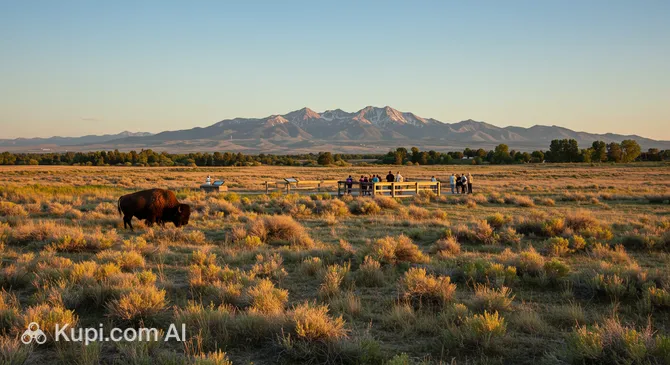
Rocky Mountain Arsenal National Wildlife Refuge. Illustration.
Source: Kupi.com AI

Traveler photos:

What makes this refuge special is its incredible history of transformation. Originally, this land was used as a chemical weapons manufacturing plant for the U.S. Army. After the military facility closed in 1992—and thanks to various wildlife species beginning to inhabit the area on their own as early as the mid-1980s—the decision was made to convert the site into a wildlife refuge.

Today, the Rocky Mountain Arsenal National Wildlife Refuge serves as an important sanctuary for many animal species, including bison, deer, coyotes, prairie dogs, and over 280 species of birds, as well as a variety of plants, including some endangered species. This place is a prime example of successful ecosystem restoration and a popular destination for those wanting to experience the region's wildlife and learn more about the importance of conservation.

Contacts

For the most up-to-date information on the hours of operation for the Rocky Mountain Arsenal National Wildlife Refuge, admission fees (if any), available tours, or visitation rules, we recommend visiting the refuge's official website. Additional information and assistance with trip planning can also be obtained at Denver tourist information centers.

How to contactContact
Address6550 Gateway Rd, Commerce City, CO 80022, USA
Phone number+1 303-289-0930
Websitewww.fws.gov

What to Do

At the Rocky Mountain Arsenal National Wildlife Refuge, visitors immerse themselves in the world of wilderness, observing the region's rich variety of flora and fauna. It's an ideal spot for ecotourism enthusiasts, where you can encounter majestic bison, graceful deer, clever coyotes, and watch the lives of over 280 bird species in their natural habitat. The refuge offers a unique chance to see wild animals right next to bustling Denver.

For those who prefer active recreation, the refuge features numerous hiking trails of varying lengths. These routes are perfect for walking, where you can not only enjoy the picturesque landscapes of prairies and wetlands but also engage in wildlife photography or simply relax your mind while listening to the sounds of nature. Bird watching is also a popular activity among visitors.

In addition to experiencing the nature of the USA, a visit to the refuge is an opportunity to touch its remarkable history. Once a military site, the area has been transformed into a thriving natural oasis thanks to remediation efforts and natural recovery. This transformation serves as a clear example of how nature can be reborn, and learning about this process adds educational value to your visit.

Getting There

Getting to the Rocky Mountain Arsenal National Wildlife Refuge is quite simple, especially if you are in Denver. The refuge is located just 13 kilometers northeast of downtown Denver, in Commerce City, Colorado. Such proximity makes it an easy choice for a day trip.

The most convenient way to reach the refuge is by car. The drive from downtown Denver usually doesn't take long, depending on traffic. Having your own or a rental car also gives you the freedom to explore the refuge itself, which features dedicated wildlife viewing auto tours.

For travelers arriving in Denver by air, it's worth noting that the refuge is near the former Stapleton International Airport (now a Denver neighborhood). This also contributes to its accessibility. If you don't plan to rent a car, consider taxis or rideshare services from Denver or nearby areas. It is recommended to check the availability of public transportation to the refuge in advance, as direct routes may be limited or unavailable.

Nearest city: Denver

History & Facts

The history of the Rocky Mountain Arsenal National Wildlife Refuge is rooted in the dramatic events of the 20th century. Its creation was directly linked to World War II. In December 1942, after the USA entered the war, the United States Army acquired a vast plot of land covering approximately 81 square kilometers north of Denver. This site was chosen for its proximity to the then Stapleton Airport and its terrain, which made it strategically convenient for housing production facilities intended for defense needs.

Initially, a center for the production of various chemicals was established on the territory of the future refuge. Among the products were compounds such as mustard gas, napalm, and white phosphorus. Starting in the early 1960s, the US Army began leasing part of its facilities to private companies for non-military production, such as pesticides. For instance, Shell Oil leased the facilities and produced agricultural chemicals here from 1952 to 1982. All manufacturing activities at the site finally ceased in 1982, marking the first step toward future changes.

The turning point in the arsenal's history came in the early 1980s. The site was added to the federal Superfund program list, aimed at cleaning up heavily contaminated areas. During this period, in the mid-1980s, something remarkable happened: wildlife, including endangered species, began to return to the former arsenal lands. This natural rebirth inspired a unique decision: to transform the former military and industrial site into a true wildlife oasis. The culmination of this transformation was the decision by the USA Congress, which officially designated the area as the Rocky Mountain Arsenal National Wildlife Refuge in 1992, securing its new, strictly conservationist status.

Time Needed

The time needed to explore the Rocky Mountain Arsenal National Wildlife Refuge largely depends on your interests and how deep you want to dive in. For a quick overview via one of the auto tours, 1–2 hours may suffice. However, if you want to fully enjoy nature, observe the animals, and walk one of the scenic trails, you should plan for at least half a day.

The refuge offers various activities that affect the duration of your visit. There are dedicated auto tour routes that allow you to see many inhabitants, such as bison or deer, right from your car window. Such a drive can take about an hour or more, especially if you stop for photos or more careful observation. If you plan to visit the visitor center to learn more about the refuge, walk one of the many hiking trails of varying lengths, or spend time watching over 280 species of birds, your visit will naturally require more time.

To make the most of your time and get the best experience, we recommend checking the refuge map in advance and planning your route according to your interests. Nature lovers, photographers, and those seeking peaceful outdoor relaxation will likely want to spend at least 3–4 hours, if not more, to explore this unique natural oasis located so close to Denver without rushing.

Working Hours

The Rocky Mountain Arsenal National Wildlife Refuge is generally open to visitors year-round; however, specific operating hours may vary depending on the season, weather conditions, or special events. To get the most accurate and up-to-date information on hours, as well as to learn about any entry fees or the need for advance reservations, it is highly recommended to visit the official refuge website before your trip.

Typically, for visiting vast natural areas like the Rocky Mountain Arsenal National Wildlife Refuge, advance registration for individual visitors is not required, but it is always best to verify. If you plan to join any special programs, guided tours, or group events, advance booking may be mandatory. Checking the official website or contacting the refuge's information center will help you plan your visit effectively and avoid any surprises.

Nearby

Visiting the Rocky Mountain Arsenal National Wildlife Refuge is undoubtedly a highlight, but Denver and its surroundings have much more to offer. By expanding your itinerary and exploring nearby attractions, you can dive deeper into the atmosphere of this amazing city in the USA and make your trip even more fulfilling and memorable.

Near the refuge, you'll find places to suit every taste, from cultural centers and museums to shopping complexes and entertainment venues. Getting to know them will give you a more complete picture of Denver and its multifaceted character. Below is a list of some interesting sites located nearby.

NameDistance
Denver Museum of Nature & Science12.9 km
Denver Zoo13.2 km
City Park Pavilion13.5 km
Wings Over the Rockies Air & Space Museum13.6 km
Denver Central Market14.5 km
Cervantes' Masterpiece Ballroom & Cervantes' Other Side14.5 km
Denver Botanic Gardens15.2 km

Have you reached the end of the page?

So the route has been studied inside and out