Support

Carson Park

About

On a picturesque peninsula surrounded by the calm waters of Half Moon Lake lies one of the most vibrant attractions in Eau Claire. This is the famous Carson Park—a historic recreational area spanning an impressive 134 acres. It first appeared on the USA map in 1915 as a generous gift to the city from the family of lumber baron William Carson.
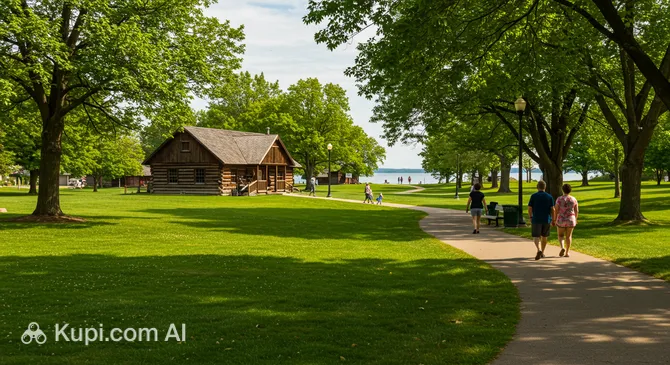
Carson Park. Source: Kupi.com AI

Today, the site is a harmonious blend of a nature reserve and a cultural and sports hub. Located on the old riverbed of the Chippewa River, the park offers unique landscapes and a sense of seclusion right within the city limits. It is more than just a green space; it is a true symbol of regional history and a favorite spot for locals and tourists alike.

Carson Park attracts visitors with its diversity, featuring important museums, legendary sports arenas, and numerous walking trails. Whether you are looking for quiet moments by the water or want to dive into Wisconsin's past, this peninsula offers plenty of fascinating discoveries.

Contacts

To inquire about events or pavilion rentals, you can use the following contact information. The park is managed by the city's recreation department and is open for visits throughout the season.

Address 100 Carson Park Dr, Eau Claire, WI 54703, USA
Phone +1 715-839-5039
Official Website eauclairewi.gov
Google Maps Open on map
Google Rating 4.7 out of 5 (based on more than 2,100 reviews)

What to Do

Everyone will find something to enjoy here. History buffs should head to the Chippewa Valley Museum, where they can peek into the historic one-room Sunnyview School or explore a mid-19th-century Norwegian log house. The Paul Bunyan Logging Camp Museum is equally fascinating—here, guests are greeted by giant figures of the legendary lumberjack and his blue ox, Babe, which serve as perfect backdrops for photos.

For those who prefer active recreation, Half Moon Lake provides ideal conditions for fishing, kayaking, and canoeing. Note that motorboats are prohibited, which maintains a peaceful and quiet atmosphere. On land, you'll find forest trails, horseshoe pits, and even geocaching opportunities. During the summer months, the Chippewa Valley Railroad (a miniature train) is particularly popular, especially with younger visitors.

Sports life never stops here: you can catch an exciting Eau Claire Express baseball game at the historic stadium or make use of the tennis courts and football fields. For family outings, there are cozy picnic pavilions and modern inclusive playgrounds where children can play and socialize safely.

Getting There

Reaching this scenic location is easy as it is situated right in the heart of the city. The park is located at 100 Carson Park Dr, Eau Claire, WI 54703. If you are using a navigator, simply enter the exact address or GPS coordinates to quickly reach the entrance to the peninsula. Convenient parking areas are available on-site for drivers.

For those who prefer public transport, the city bus network offers routes that pass in close proximity to Half Moon Lake. A taxi ride from the city center takes only a few minutes, making the site accessible even for those visiting the city for a short time. Additionally, thanks to the well-developed infrastructure and proximity to the Chippewa River, the park is easily reachable on foot or by bicycle from downtown.

History & Facts

The name of this site is inextricably linked to William E. Carson, a prominent lumberman of that era. In 1914, his heirs purchased the territory, then known as Shaw Island, and donated it to the city. The primary condition of this gesture was the creation of a public park in memory of their father, which the city was to carefully maintain as Carson Park. It officially opened in 1915.

A significant portion of the park's architectural character was shaped in the 1930s. Thanks to the success of the local Eau Claire Bears baseball team, the city received federal funding to build a stadium. In 1937, a grandstand made of local sandstone was constructed, capable of seating over 1,500 spectators. It was here in 1952 that the great Hank Aaron began his legendary professional career, leaving an indelible mark on the history of world baseball.

In the early 2000s, the park's baseball stadium was officially added to the National Register of Historic Places. It is considered one of the few surviving sports facilities built under the federal infrastructure programs of that era. A major renovation completed in 1998 helped preserve the arena's historic appearance while making it comfortable and accessible for modern visitors.

Time Needed

When planning your visit, consider how much time you'd like to spend on the details. For a quick overview and a short walk along the shores of Half Moon Lake, 1–2 hours will be sufficient. This is enough time to appreciate the natural beauty and take a few memorable photos.

If you plan to visit the local museums and see the famous baseball stadium, it's better to allow 3–4 hours. For families with children or water sports enthusiasts, a full day (about 5–6 hours) is recommended to enjoy canoeing, a picnic, and a ride on the miniature railway during the summer season.

Working Hours

The site is open to visitors daily, making it a very convenient spot for walks in both the early morning and late evening. The park is open to guests from 4:00 AM to 11:00 PM all week, from Monday to Sunday.

This schedule allows you to plan your visits at any convenient time, whether it's a quiet morning jog or a relaxing evening by the lake after work. Please note that individual facilities within the park, such as museums or gift shops, may have their own operating hours that differ from the general park schedule.

Nearby

The area surrounding the park offers many interesting locations that help you experience the city's atmosphere more deeply. A walk through the nearby neighborhoods reveals unique historic mansions and modern public spaces.

Name Distance (km)
Phoenix Park Footbridge 1.7
Confluence Commercial Historic District 1.9
High Bridge 2.1
Schlegelmilch-Mc Daniel House 2.1
John S. Owen House 2.1
Addison-Cutter House 2.2
Winslow-Arnold House 2.2
Byron A. Buffington Home 2.3
Francis W. Woodward House 2.3
Sumner Moon House 2.5

Reached the end of the page?

That means the route is fully explored