Support

Museum of Northern Arizona

About

Surrounded by majestic pines, the Museum of Northern Arizona serves as the primary gateway to the history and nature of the Colorado Plateau. This prestigious regional institution is located in the northern part of Flagstaff and offers guests a deep dive into the cultural landscape of Arizona in the USA.
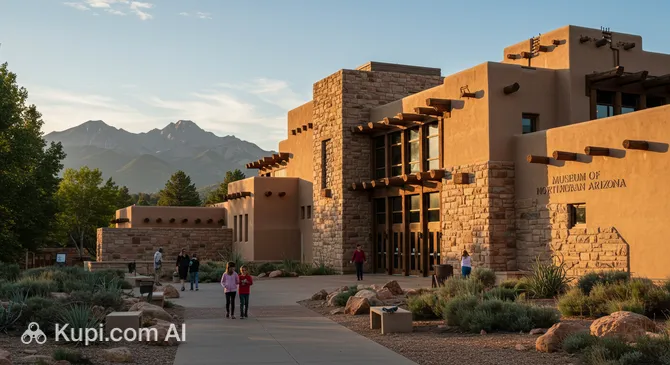
Museum of Northern Arizona. Source: Kupi.com AI

Founded in 1928, the museum is a harmonious blend of exhibition galleries and research centers. It houses unique collections dedicated to the archaeology, ethnography, and ecology of the region. The museum's greatest value lies in its close ties with the indigenous peoples of the Southwest: members of the Hopi, Navajo, and Zuni tribes, whose heritage and traditions are carefully preserved within these walls.

Visitors can see not only ancient artifacts but also contemporary works of art, as well as learn about the geological processes that shaped this land. This place is perfect for those who want to understand the soul of the region before heading to the Grand Canyon or other nearby natural wonders.

Contacts

For those planning a visit, it is helpful to have the institution's current contact information at hand. You can check information by phone or find details on the museum's official website.

Address 3101 N Fort Valley Rd, Flagstaff, AZ 86001, USA
Phone +1 928-774-5213
Website musnaz.org
Google Maps View on map

What to Do

Inside the museum's halls, the fascinating world of Native Americans will unfold before you. Be sure to take time to explore the extensive collection of Native American pottery, jewelry, and unique woven textiles. The exhibits are designed to showcase the region's history from ancient times to the present day, focusing not only on art but also on the daily lives of local tribes.

Nature lovers will enjoy the geology and paleontology sections, featuring finds that tell the story of the Colorado Plateau's ecology over millions of years. After exploring the main exhibits, it's worth taking a walk around the grounds to enjoy views of the Flag River and the surrounding mountain scenery.

Don't forget to stop by the museum gift shop. It is widely considered one of the best in the region for purchasing authentic traditional art, including famous Navajo rugs and silver jewelry. Additionally, the museum frequently hosts special exhibitions and educational programs that make every visit unique.

Getting There

The attraction is conveniently located in the northern part of the city at 3101 N Fort Valley Road. The museum is situated directly on Highway 180, which is the primary route for travelers heading from the city toward the Grand Canyon.

The easiest way to get here is by car. The drive from the city center takes no more than 10–15 minutes, and free parking is provided for visitors on the museum grounds. You can also use taxi services or popular ride-sharing apps.

Flagstaff is a major transportation hub for northern Arizona, so the route to the museum is often included in broader regional itineraries. While most tourists prefer private transport, the proximity to the city makes this location accessible even for those who prefer short taxi rides from the central station.

History & Facts

The history of this unique scientific center began in 1928. It was founded by the renowned archaeologist Harold Colton, who sought to preserve and interpret the region's rich heritage. It was Colton who introduced the term Sinagua culture (Spanish for "without water") into scientific use, referring to the people who lived here between 1100 and 1250 AD.

Over its nearly century-long history, the Museum of Northern Arizona has grown from a small collection into a major research institute. Today, it operates four key departments: anthropology and archaeology, geology and paleontology, ecology, and fine arts. This allows scientists to study the Colorado Plateau comprehensively, examining the relationship between nature and humanity.

Today, the museum holds one of the world's most significant collections dedicated to the indigenous tribes of the Southwest. The institution continues to play a vital role in preserving indigenous traditions, serving as a living bridge between the ancient past and the modern art of local craftsmen.

Time Needed

To thoughtfully explore the exhibits dedicated to indigenous culture, geology, and paleontology, most visitors need 2 to 3 hours. This is enough time to walk through the main halls and browse the gift shop.

If you have a deep interest in indigenous history or plan to study the temporary exhibitions in detail, your visit may take half a day. In any case, the museum offers a comfortable pace of exploration, allowing you to enjoy the atmosphere of the Colorado Plateau without rushing.

Working Hours

Planning a visit to the museum is very convenient, as it is open to guests throughout the week. The schedule remains stable, making it easy to fit a visit into any Flagstaff travel itinerary.

The museum welcomes visitors daily, Monday through Sunday, from 10:00 AM to 5:00 PM. Please note that admission to the galleries stops shortly before closing, so it is best to arrive in the first half of the day to ensure you see all the collections.

Nearby

Exploring the surroundings after visiting the museum will help you get an even better feel for the atmosphere of Northern Arizona. The region around Flagstaff is famous for its historic hotels, observatories, and nature parks, which will perfectly complement your cultural program.

Many interesting locations are within 5–10 kilometers of the museum, making it easy to combine them in a single day. Below are the most noteworthy sites nearby:

Name Distance (km)
Lowell Observatory 3.6
Historic David Babbitt Home 4.0
Weatherford Hotel 4.3
Babbitt's Backcountry Outfitters 4.3
Masonic-Temple 4.3
Flagstaff Ghost Tours & Haunted Pub Crawls 4.4
T 5.5
Route 66 Historical Marker 6.9
Flagstaff Extreme Adventure Course 10.5
Historic fort Tuthill quad 10.7

Reached the end of the page?

That means the route is fully explored