Support

Forest Park

Attractions

About

Forest Park is a cozy and picturesque suburb of Chicago, located on the banks of the Des Plaines River in Illinois. This city offers travelers a unique combination of the big-city rhythm and the relaxed atmosphere of traditional small-town America. When heading to the USA, many tourists look for exactly such places where they can feel like part of a friendly community and see the country's real life from the inside.

Its geographical location makes the city incredibly convenient to visit: thanks to the terminus of the Blue Line train and proximity to the Eisenhower Expressway, you can reach downtown Chicago in just minutes. At the same time, Forest Park itself, with a population of about 20,000, maintains its compact and intimate feel, allowing guests to take a break from the hustle and bustle of the big city.

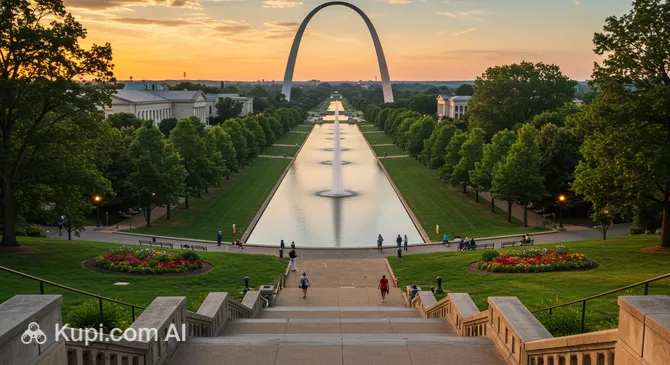
Forest Park. Illustration.
Source: Kupi.com AI

The heart of the city's social life is Madison Street. This street is famous for its boutiques, antique shops, and variety of cafes that create a unique local flavor. Forest Park's history is harmoniously interwoven with modernity here, making walks through the center particularly fascinating for lovers of architecture and urban culture.

For those who prefer outdoor recreation, the city offers well-maintained green spaces. In the very center is an extensive park with a modern aquatic center, which is especially popular with families. Forest Park is the perfect place to slow down, enjoy nature, and discover the charm of the American suburbs.

Weather Overview

The climate in Forest Park is characterized by distinct seasonality, typical of the US Midwest. Summers are usually warm and pleasant for walking: in July and August, the average temperature stays around 23°C, and during the day, the air often warms up to 27–28°C. This is the most popular time for tourism, though you should keep in mind that even in summer, there are 11 to 13 days of precipitation per month.

Winter brings a noticeable cooling. January is considered the coldest month, with an average temperature of -2.4°C and night frosts down to -5.6°C. Spring arrives gradually, with May standing out as the wettest month of the year — up to 15 days with precipitation. September often brings a "shoulder season" with a comfortable 20°C before autumn fully takes hold.

Expect warm summers with occasional rain and cold winters with temperatures frequently dropping below freezing. To precisely plan your travel wardrobe, we recommend checking the current weather in Forest Park ahead of your visit.

Average monthly temperature

Average monthly precipitation

Interesting Facts

Beyond its cozy streets and parks, Forest Park holds many fascinating secrets and unexpected historical details. Here are a few facts that will help you look at this city from a new perspective:

  • "City of Cemeteries". Forest Park is unique in that the number of people buried on its territory significantly exceeds the living population. It is home to the famous Forest Home Cemetery with the Haymarket Martyrs' Monument — an important landmark in the history of the labor movement, visited by tourists studying the USA and its cultural heritage.

  • Legacy of the "city of a thousand bars". In the past, the city was known as a center of boisterous nightlife and entertainment. Immediately after its founding in 1907, a huge number of taverns opened here. Today, family restaurants and antique shops operate in the place of many noisy bars, but the reputation as one of the most hospitable and fun places in the area remains to this day.

  • Legends and Mystery. The abundance of old necropolises has become the breeding ground for many urban legends and folklore. Mystery lovers come here for stories of ghosts and mystical events, and tours of historical sites often include elements of mysterious investigations, adding a special charm to the walks.

  • Unusual Traditions. Locals know how to turn history into a celebration: the city regularly hosts themed quests and tours of memorable sites. These events, along with annual picnics in the parks, create a unique atmosphere that unites the past and the present.

How to Get There

Due to its location in the immediate vicinity of Chicago, Forest Park has excellent transport accessibility. It is easy to reach from anywhere in the world by using the major transport hubs of the neighboring metropolis. You can find out more details on how to get to Forest Park by studying all possible routes, but most often tourists choose a flight or a train trip via Chicago.

Forest Park does not have its own airport, but this doesn't pose a problem for travelers. The nearest and most popular option is O'Hare International Airport (ORD), located in Chicago. It is only 13.4 km from the center of Forest Park. A taxi or car ride from the terminal takes about 40 minutes, depending on traffic. It is one of the world's largest aviation hubs, receiving flights from all continents.

Another convenient alternative is Midway (MDW), also located within Chicago city limits. The distance to Forest Park is approximately 11.7 km, and the travel time by car is about 38 minutes. This airport is often chosen for domestic flights within the US. From both airports, you can reach your destination not only by taxi but also by using Chicago's extensive public transportation system.

For clarity, here is summary information on the main airports convenient for reaching the city:

AirportPassenger trafficDistance
Chicago Midway International Airport22 mln12 km
O'Hare International Airport73.9 mln13 km
Midway International Airport22 mln16 km
Chicago Rockford International Airport262 432112 km
General Mitchell International Airport6.3 mln119 km

Train travel enthusiasts can also reach the region comfortably. There is no long-distance train station in Forest Park itself, but you can arrive at Chicago Union Station in Chicago, which is about 14.4 km from Forest Park. From there, you can reach the city by taxi or public transport in approximately 42 minutes. This is a legendary historic station and a major transportation hub for the Midwest.

Below is information about the nearest major railway station:

StationPassenger trafficDistance
Chicago Union Station38 mln14 km

Main Attractions

Although Forest Park is often perceived as a quiet Chicago suburb, it boasts several iconic spots that deserve a traveler's attention. The city carefully preserves its history and offers guests cozy locations for relaxation, shopping, and getting to know the local culture.

The absolute center of attraction for tourists is Madison Street. This lively street is often called the city's main shopping and gastronomic artery. Here, you won't find boring chain stores — instead, the street is adorned with independent boutiques, vintage shops, and antique stores where you can find unique souvenirs. In the evening, Madison Street transforms thanks to numerous restaurants and pubs offering a wide range of global cuisines, from classic American to more exotic fare.

For connoisseurs of history and architecture, an important stop on the itinerary is Forest Home Cemetery. This place surprisingly combines the functions of a memorial complex and a landscape park. Tourists visit it to see the famous Haymarket Martyrs' Monument, which holds the status of a National Historic Landmark. A walk along the well-kept paths among old sculptures and majestic trees provides a sense of peace and allows you to touch the region's past.

On hot summer days, the Forest Park Aquatic Center, located in the main city park, becomes a popular vacation spot. It is a modern open-air complex with swimming pools, water slides, and children's play areas. The park area around the center is excellent for leisurely walks, picnics, and sports, allowing visitors to enjoy the atmosphere of a typical American outdoor getaway.

Local Cuisine

The gastronomic life of Forest Park is a bright reflection of its multi-ethnic soul and its proximity to Chicago's culinary traditions. The main magnet for foodies here is the lively Madison Street. This street is home to establishments with completely different characters: from classic American diners with juicy burgers to cozy restaurants serving authentic Italian, Mexican, and even Polish cuisine. Many of these places take pride in cooking according to old family recipes passed down through generations.

Special attention should be paid to street food and baked goods. If you find yourself in the city during one of the food festivals or stop by the farmers' market, be sure to try the freshest hot dogs and grilled corn — dishes without which it is impossible to imagine the USA. Those with a sweet tooth will love the local bakeries: they bake magnificent cinnamon rolls, homemade pies, and donuts, the aroma of which can be smelled from a mile away.

The drink culture in Forest Park is also top-notch. The city is famous for its bars and pubs, where you can taste original craft beers and ciders, as well as signature cocktails. In the evenings, these establishments become centers for local socializing, often hosting themed dinners dedicated to the cuisines of various countries around the world. For tourists, this is a great opportunity not only to eat well but also to immerse themselves in the friendly atmosphere of this welcoming suburb.

Travel Tips

A trip to Forest Park promises to be comfortable and interesting, as this city combines suburban coziness with metropolitan accessibility. To ensure your journey goes smoothly, we have prepared a list of practical recommendations to help you navigate locally and avoid typical tourist mistakes.

  1. Clothing and Seasonality. The climate here has distinct seasons, so your wardrobe depends on the time of year. In winter, you will definitely need a warm jacket, a hat, and waterproof shoes, as snowfalls and winds are common. Summers are hot and humid, so bring light clothing made of natural fabrics. Be sure to pack comfortable shoes for walking along Madison Street. Also, don't forget a power adapter (Type A or B), as standards in the USA differ from European ones.
  2. Transport Logistics. Forest Park is the terminus of the CTA Blue Line, making it an ideal base: you can reach downtown Chicago or O'Hare Airport without traffic or extra expense. For fare payment, it's most convenient to use a Ventra card or a contactless bank card. Renting a car only makes sense if you plan to travel to neighboring states; within the city, you can easily get by with walking and taxis (Uber, Lyft).
  3. Financial Matters. The official currency is the US Dollar. Cash may only be needed for small purchases at farmers' markets or for tipping housekeeping; elsewhere (99% of cases), cards are accepted. ATMs are available everywhere. Remember the tipping culture: in restaurants and taxis, it is customary to leave 18–20% of the bill, as service is usually not included.
  4. Health and Safety. Forest Park is considered a safe and family-oriented suburb, but follow standard precautions: do not leave valuables in plain sight in your car. In case of emergency, call 911. Major chain pharmacies (CVS, Walgreens) are easy to find, where you can buy basic over-the-counter medicines, but for serious treatment, you will need insurance, which we strongly recommend obtaining before your flight.
  5. Communication and Internet. The main language is English. Free Wi-Fi is available in almost all cafes and public areas. For mobile connectivity, it's most profitable to buy a prepaid SIM card (T-Mobile, AT&T) or activate an eSIM in advance. Download Google Maps for navigation and Transit for tracking train and bus schedules in real-time.
  6. Local Etiquette. Midwesterners are known for their friendliness. It's common to say hello to shopkeepers, bus drivers, and even random passers-by in residential neighborhoods. Respect personal space in lines and be polite — a smile and a simple "Hello" will open many doors.
  7. What to Avoid. Never try to "negotiate" with police officers or violate traffic rules — laws are strictly enforced here. Also, avoid making loud, negative comparisons between Forest Park and Chicago; locals are proud of their unique "small town" atmosphere and independent spirit.
  8. Parking Rules (Important!). If you do rent a car, be extremely careful with parking. In Forest Park, like many suburbs, there is a ban on overnight street parking (usually from 2:00 to 5:00 AM) without a special permit. Read signs carefully, especially in winter when snow removal restrictions are in place, to avoid fines.

By following these simple tips, you can focus on the main thing — relaxation and new experiences. Forest Park is a place where comfort and neighborliness are valued, so by showing a little respect for local rules, you are sure to receive a warm welcome.

Entertainment & Nightlife

Nightlife in Forest Park is a bright example of how a cozy suburb can give a noisy metropolis a run for its money. The main fun here is concentrated on the famous Madison Street, which locals proudly call the main entertainment artery of the western Chicago suburbs. Unlike the pretentious clubs downtown, a democratic and relaxed atmosphere reigns here, perfect for "bar-hopping" — fun strolls from one establishment to another.

The crowd in local venues is quite diverse, ranging from young people and students to couples and long-time residents. There is no dress code in most places, so a casual style is appropriate everywhere. Parties usually start around 9:00 PM and continue until 2:00 or 3:00 AM. It's a great place to listen to live music, cheer for your favorite team in a sports bar, or simply chat with friendly bartenders who know the regulars by name.

Among the many establishments, several iconic spots stand out. O'Sullivan's Public House is a classic Irish pub with a great beer selection and a cozy patio where there's always a sense of heartfelt fun. For those seeking a more active atmosphere, Doc Ryan's is one of the oldest venues on the street, frequently hosting DJs and rowdy parties. Craft drink lovers and foodies should stop by The Fatduck, where you can not only have a signature cocktail but also enjoy a delicious dinner even late at night.

The Madison Street area is considered safe for night walks: the street is well-lit, busy, and patrolled. However, as elsewhere in the USA, it is wise to maintain reasonable vigilance. To get home after a party, we strongly recommend calling a taxi via apps (Uber or Lyft) — it's fast, inexpensive, and reliable. Although the "Forest Park" Blue Line station operates 24/7, a personal transfer is a more comfortable and safer option at night.

Daytime entertainment in the city is more low-key and perfectly complements the nightly program. Before sunset, you can stroll through local boutiques, browse antique shops, or visit the Escape Factor escape rooms for a mental workout. But it's only with the onset of dusk that Forest Park reveals its true, hospitable character, turning into a magnet for all lovers of high-quality recreation.

Parks & Museums

Forest Park offers guests a harmonious blend of well-kept recreational areas and a deep historical context rarely found in small suburbs. Despite the city's compact size, there are places here to enjoy nature and sites that tell fascinating stories about the past of this corner of Illinois.

The main attraction for outdoor enthusiasts is The Park District of Forest Park. This is a vast green territory that serves as the heart of the city's social life. It features not only sports fields and tennis courts but also the famous aquatic center. The park is perfect for morning jogs or peaceful picnics in the shade of sprawling trees. It is especially lively in the summer: the manicured lawns and flower beds create a wonderful atmosphere for family recreation.

Another important natural area is the territory along the Des Plaines River. While it is more of a natural corridor than a classic park, the trails along the river attract hikers and cyclists. This spot allows you to briefly forget the city bustle and observe local flora and fauna, just minutes from busy Madison Street.

In terms of cultural heritage, Forest Park is unique: its main "open-air museum" is rightfully considered to be Forest Home Cemetery. This is not just a necropolis, but a true landscape park and historical archive. It houses the famous Haymarket Martyrs' Monument, recognized as a National Historic Landmark. Tourists visit this site to see majestic Victorian-era sculptures and pay tribute to historical figures whose names are forever etched in the history preserved by the USA.

The keepers of local memory are the Historical Society of Forest Park. While they don't have a huge exhibition hall, the organization regularly holds exhibitions and events in various locations around the city. Their activities are aimed at preserving unique artifacts, photographs, and stories related to the city's development — from its days as a popular resort with amusement parks to today's cozy suburb.

From an architectural standpoint, St. Bernardine Catholic Church is of interest. Built in the Spanish Colonial style, this building stands out against the traditional Midwest architecture. Its majestic facade and interiors catch the attention of both the faithful and architecture lovers.

Insider Tip: If you find yourself in town during the summer, be sure to attend the "Groov'n in the Grove" concert series held at the Park District. It's a great chance to see how the locals relax, listen to live music outdoors, and feel the real atmosphere of an American community, hidden from the eyes of the average tourist.

Getting Around

Forest Park boasts one of the most convenient transport locations among all western suburbs, essentially acting as an important regional transportation hub. The main artery for tourists is the CTA Blue Line. The "Forest Park" station is the terminus of this line, which gives travelers a huge advantage: starting from here, you are guaranteed to get a comfortable seat. Trains run 24/7, providing a direct link to both downtown Chicago and O'Hare International Airport, although the trip to the latter takes quite a while as the route passes through the entire metropolis.

Ground transport is represented by a dense network of bus routes served by two different operators: CTA (city buses) and Pace (suburban buses). The Forest Park transit terminal combines these routes, allowing for easy transfers from the train to a bus. Pace buses are a great option if you need to get to neighboring shopping centers or attractions in other suburbs without heading into the noisy downtown area.

The fare payment system here is unified and high-tech. The foundation of it all is the Ventra card, which works on the trains and buses of both operators. You can purchase it or single-ride tickets at special vending machines at the Blue Line station. For tourists, the most convenient option is often contactless payment: readers at turnstiles and on buses accept bank cards, as well as Apple Pay and Google Pay. This eliminates the need to figure out zones and paper ticket types. The cost of a single trip varies around $2.25–$2.50, and transfers within two hours cost very little.

As an alternative to public transport, taxi and rideshare services like Uber and Lyft are widely used in the city; the car arrival time is usually just a few minutes. For short trips around the area or rides along the Des Plaines River, the Divvy bike-share system is ideal. Stations with recognizable blue bikes (including e-bikes) are located near the train station and along the main shopping street, Madison Street, allowing you to rent a bike at one point and return it at another.

For comfortable travel, we recommend installing the Transit app on your smartphone or using Google Maps, which show real-time transport arrival times with high accuracy. Be careful: while the train runs 24/7, Pace buses may stop running earlier or run less frequently on weekends. Also, remember that during rush hours (7:00–9:00 AM and 4:00–6:00 PM), train cars can be packed, so for trips with large luggage, it's better to choose quieter times.

Accommodation

Choosing accommodation in Forest Park has its own peculiarities, dictated by its status as a cozy and compact suburb. You won't find massive hotel complexes or skyscrapers with hundreds of rooms here, which are typical of downtown Chicago. The main housing stock for tourists consists of small hotels, motels, and, particularly popular, short-term rental apartments. This is an excellent choice for those who want to feel like a local and live in a real American home.

When choosing a place to stay, you should be guided by your plans. If your main goal is frequent trips to downtown Chicago, the most convenient area will be the northern part of the city, adjacent to the Blue Line terminus. This will significantly save you travel time. For those who prefer to be at the heart of local life, accommodation options within walking distance of Madison Street are ideal. Staying here, you will be just a couple of minutes' walk from the city's best restaurants, bars, and shops.

Since the choice of hotels directly within Forest Park is limited, many travelers also consider options in neighboring communities like Oak Park or Hillside, which are literally just across the street. This expands the choice from budget chain motels to historic boutique hotels, while maintaining access to all of Forest Park's infrastructure.

Price Range and Booking

The cost of living here generally falls into the mid-price segment and is noticeably lower than in downtown Chicago. You can find both budget options and more comfortable apartments for the whole family. It is recommended to book accommodation through popular online platforms. An important tip: if your trip falls during the summer months or major festival periods (e.g., St. Patrick's Day or summer music festivals), take care of booking 2–3 months in advance, as the best options in this small town get snatched up very quickly.

Nearby Cities

For those looking to explore the surroundings, Forest Park serves as an excellent starting point for day trips to several interesting nearby locations. Its convenient location allows you to reach cities with unique cultural and historical heritage in just a few minutes.

Oak Park, bordering Forest Park, deserves special attention. It is a world-famous destination for architecture lovers: it features the home and studio of the legendary architect Frank Lloyd Wright, as well as many buildings constructed in his famous "Prairie School" style. Additionally, the city is known as the birthplace of writer Ernest Hemingway, whose childhood home is open to the public. A walk through the shaded streets of Oak Park offers aesthetic pleasure and immersion into American art history.

For a more quiet getaway, Elmhurst is perfect. This city is famous for its Elmhurst Art Museum, located in a building designed by Mies van der Rohe. It is also worth visiting the beautiful Wilder Park with its historic conservatory and strolling through the cozy city center, where many family restaurants and boutiques are concentrated. It's a great choice for a relaxed trip with the whole family.

CityPopulationDistance
Maywood25 4772 km
River Forest11 7422 km
Oak Park54 1003 km
Melrose Park25 4174 km
Berwyn56 9604 km

These nearby destinations provide an insight into the diverse culture and landscapes of the region, making your trip through Illinois even more rich and memorable.

Shopping & Souvenirs

Shopping in Forest Park is fundamentally different from what tourists are used to seeing in major metropolises. Here you won't find endless labyrinths of glass and concrete, but you will discover a true treasure for fans of a "down-to-earth" atmosphere and unique finds. The city focuses on supporting small businesses and individuality, so a stroll through local shops feels like an exciting hunt for exclusives — from rare vintage to pieces by modern designers.

The main shopping artery and city hallmark is the famous Madison Street. This lively street is often called the heart of local shopping. It concentrates many independent boutiques offering fashionable clothing, original accessories, and home goods that cannot be found in mass-market stores. The area is particularly famous for its antique shops and secondhand stores. Madison Street remains one of the best places in the region to find interior items with history, collectible books, and retro jewelry.

If you are interested in major chain brands and a more familiar shopping format, pay attention to Forest Park Plaza, located on Roosevelt Road. This is a convenient open-air shopping complex where locals go for essentials. Additionally, due to the compactness of the suburbs, tourists can literally cross the street and find themselves in the neighboring town of North Riverside, which is home to the large classic North Riverside Park Mall with a wide selection of clothing, shoes, electronics, and a food court.

Gourmet discovery lovers should visit the Forest Park Farmers Market. it traditionally operates on Fridays during the warm season (usually from June to October) at Constitution Court. Here, local farmers and artisans sell fresh vegetables, fruits, homemade baked goods, and cheeses. It's not just a place to shop, but a vibrant part of urban culture where you can taste local delicacies and feel the community spirit.

For souvenirs, it's best to bring back items that reflect the cozy and creative character of the city. Antique trinkets or vintage posters found during a walk through the center would be excellent choices. Locally produced goods are also popular: craft soap, handmade candles, or signature sweets from local bakeries, which will serve as a delicious reminder of your trip to the USA.

Most shops in Forest Park open at 10:00 or 11:00 AM and operate until 6:00–7:00 PM. On Thursdays and Fridays, some boutiques may extend their hours, but on Sundays, many establishments close earlier or take the day off entirely. Bank cards are accepted almost everywhere, including small coffee shops, though cash might be useful at the farmers' market.

It is important for tourists to remember that in Illinois, unlike in many European countries, there is no Tax Free return system for foreign guests. The Sales Tax in Forest Park is quite high, around 10–11%. This amount is not included in the price tag and is added to the item's cost only at the register, so keep this feature of American pricing in mind when planning your budget.
Reached the end of the page?

That means the route is fully explored