Support

Hollister

About

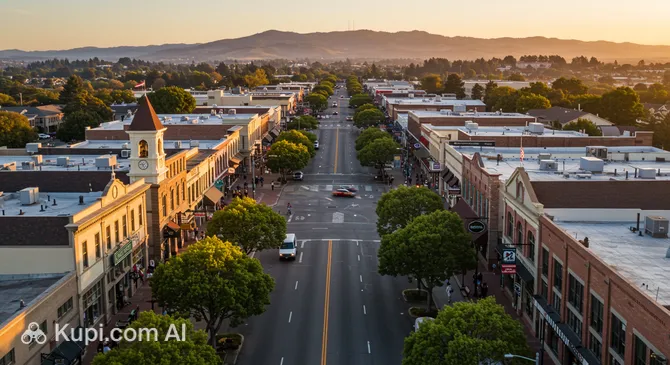
Hollister is a cozy corner in the heart of California, located in the picturesque Central Coast region. This city in the USA is ideal for those seeking peace, proximity to nature, and an authentic atmosphere away from the noise of major metropolises.

Hollister. Illustration.
Source: Kupi.com AI

Strategically positioned between San Francisco and Los Angeles, Hollister is situated about 50 kilometers from the Pacific coast. The city is surrounded by scenic hills and endless vineyards, creating a sense of complete harmony with the surrounding landscape. Despite a population of about 41,000 people and its status as the seat of San Benito County, it maintains an intimate and friendly atmosphere.

The rich history of Hollister is reflected in its architecture and carefully preserved family traditions. The city harmoniously combines rural charm with modern amenities, making it a wonderful place for leisurely strolls. The main feature of this place is the lack of the gloss and bustle typical of major tourist centers.

It is worth visiting for the gastronomic experiences: local wineries and farmers' markets offer fresh produce and excellent wines. Hollister invites travelers to stop, breathe in the fresh air, and enjoy real American life at a relaxed pace.

Weather Overview

Hollister's climate can be described as comfortable and mild, typical for Central California. Expect warm, dry summers and cool winters with occasional precipitation. In the hottest months, July and August, daytime temperatures rise to an average of +27...+28°C, and rain during this period is almost non-existent.

In winter, it gets fresher: in January and December, daytime air warms up to +15°C, but nights can be cold, with temperatures around +5...+6°C. The highest number of cloudy and rainy days occurs during the winter months and early spring. Checking the current weather in Hollister will help you more accurately plan your wardrobe before your trip.

Average monthly temperature

Average monthly precipitation

Interesting Facts

Beyond its scenic landscapes and vineyards, Hollister holds many fascinating secrets that make it a truly unique city. Here are a few facts to help you get to know this corner of California better:

  • Seismic Capital. Hollister is often called the "earthquake capital" of the region because the famous San Andreas Fault runs right through it. It is one of the few places on the planet where tectonic plate movement can be seen with the naked eyes: some streets feature curved curbs and shifts in building foundations, which attracts geology enthusiasts.

  • Home of a Biker Legend. In 1947, the city hosted the first major biker rally in US history. These events inspired Hollywood to create the cult film "The Wild One" starring Marlon Brando. Today, this heritage lives on in the annual Hollister Independence Rally, which draws thousands of motorcyclists.

  • Spanish Flair. The city is proud of its roots and carefully preserves the heritage of its early settlers. The influence of Spanish and Mexican culture is felt in everything from architectural details and street names to colorful fiestas and authentic cuisine, which is a must-try.

  • Organic Farming Hub. Hollister is famous for its eco-friendly produce. Local farms are known far beyond the city for growing rare varieties of fruits and vegetables, as well as producing unique cheeses and wines that can be found at local farmers' markets.

How to Get There

When planning a trip to California, it is important to think through your logistics in advance. You can explore all the ways to get to the city of Hollister to choose the most convenient route. Since the city itself does not have its own passenger airport, travelers usually fly into the hubs of neighboring major cities and then continue their journey by car.

One of the most convenient options is San Jose Mineta International Airport (IATA: SJC). Although it is located in San Jose rather than Hollister, it is the closest major transportation hub, about 73 km from your destination. The drive from here by taxi or rental car takes approximately 50–60 minutes, barring major traffic jams. This is a high-traffic airport accepting many domestic and international flights.

If you are looking for an option with minimal ground travel, consider Monterey Regional Airport (IATA: MRY). It is located in Monterey, just 49 km from Hollister. The driving time is about 45–50 minutes. This is a smaller regional airport, making it quieter than major hubs, and security procedures often go faster.

For those flying from further away, the main gateway is often San Francisco International Airport (IATA: SFO). It is located in San Francisco, 121 km from Hollister. A transfer from here takes between 1.5 and 2 hours depending on traffic. This is the region's largest airport with a vast selection of flights from all over the world.

For clarity, here is summary information on the main airports:

AirportPassenger trafficDistance
Monterey Regional Airport622 54349 km
Norman Y. Mineta San Jose International Airport11.8 mln73 km
Merced Municipal Airport15 00092 km
Stockton Airport127 000116 km
San Francisco International Airport52.3 mln121 km

There is no direct rail connection to the city, so roads remain the primary way to travel between the airports and Hollister. It is recommended to rent a car or use intercity bus services and taxis to reach your holiday destination comfortably.

Main Attractions

Hollister offers travelers an interesting blend of natural beauty and historical heritage. The city serves as an excellent starting point for exploring the picturesque surroundings and getting to know the culture of the Californian heartland. Here are a few places worth including in your itinerary.

Pinnacles National Park. Although the park is a separate territory, the road to its eastern entrance passes right through Hollister. This place is unique for its rock formations—the remnants of an ancient volcano. Tourists come here for breathtaking hiking trails that pass through dark talus caves and steep cliffs. Additionally, the park is known as one of the best places to spot rare California condors.

Hollister Hills State Vehicular Recreation Area. This is a true legend among outdoor enthusiasts and off-road fans. The vast territory of the park is interlaced with tracks for motorcycles, ATVs, and 4x4s of all skill levels. Even if you don't plan to get behind the wheel, it’s worth visiting for a picnic and the stunning panoramic views of golden hills and oak groves from the ridge tops.

San Benito County Historical Park. This open-air museum allows you to literally touch the region's past. The park features historical buildings saved from destruction and transported here from various parts of the county: an old schoolhouse, a jail, residences, and a dance hall. A walk here is a peaceful and educational journey through time, revealing the daily lives of early settlers.

Cienega Valley Wineries. The outskirts of Hollister are famous for vineyards that often remain in the shadow of their more famous neighbors but are by no means inferior in quality. Visiting local wineries, such as Leal Vineyards or Pietra Santa, provides an opportunity to enjoy tastings in a cozy, almost domestic atmosphere without the tourist crowds. It’s the perfect way to end the day, watching the sunset over the vines.

Local Cuisine

Hollister's gastronomy is a hymn to freshness and local products. Thanks to its location in the fertile San Benito County valley, the city's cuisine relies on the "farm-to-table" principle. Menus in local establishments often change with the season, and the stars of the plate are artichokes, asparagus, and fresh greens grown literally next door. Be sure to try the signature turkey and avocado sandwiches, which are considered a local classic and a perfect option for a hearty lunch.

Mexican cuisine holds a special place in the city's culinary culture. Hollister is home to many family-run restaurants that stay true to old recipes. Here, you will be offered authentic tacos, burritos, and enchiladas, the taste of which is far from chain fast food. This is honest, spicy, and rich food that reflects the region's historical heritage.

For gourmets and those who enjoy cooking for themselves, the farmers' markets will be a real discovery. These are not just places of trade, but centers of social life where you can chat personally with producers. Tourists often buy artisanal bread, local olive oil, fresh honey, unusual jams, and delicate goat cheese here. In the summer season, the city comes alive with gastronomic festivals where the county's best chefs showcase their creations.

As for drinks, Hollister is a hidden gem for wine connoisseurs. Small, cozy wineries are scattered around the city, offering tastings of rare varieties that are hard to find in mass retail. Non-alcoholic pleasure-seekers will enjoy local coffee shops and bakeries: they serve excellent coffee, fresh croissants, and traditional American pies. And on a hot day, there’s nothing better than a scoop of local ice cream with seasonal berries and fruits.

Travel Tips

A trip to Hollister promises to be peaceful and rewarding if you consider a few important nuances in advance. We have prepared a list of practical recommendations to help you feel confident and comfortable in this colorful California city.

  1. Dress in layers. The climate here features temperature swings: it can be hot during the day and cool in the evening. Bring light clothes, but be sure to pack a sweatshirt or windbreaker for evening strolls. Comfortable shoes are a must, especially if you plan to visit Pinnacles National Park or walk through vineyards.

  2. Prioritize personal transport. Hollister is a typical American city where a car is a necessity. Public transport is limited, so for freedom of movement, it is strongly recommended to rent a car. Ride-sharing apps (Uber, Lyft) work, but wait times may be longer than in big cities.

  3. Finances and Tipping. The official currency of the USA is the dollar. Bank cards are accepted almost everywhere, but it's worth having some cash ($1, $5, $10 bills) for purchases at farmers' markets or small family-run shops. Don't forget the tipping culture: it is customary to leave 15–20% of the bill in restaurants, as this is the primary part of a server's income.

  4. Health and Insurance. Medical care in the country is very expensive, so having travel insurance is critically important. The city has Hazel Hawkins Memorial Hospital and many pharmacies (such as CVS or Walgreens) where you can buy basic over-the-counter medicine. Tap water is safe to drink, but many tourists prefer bottled water due to a specific taste.

  5. Communication and Language. The main language of communication is English, but due to the region's agricultural focus, Spanish is very common. For mobile internet, it's best to buy a prepaid SIM card (T-Mobile or AT&T) at a large supermarket. Don't forget to bring a Type A or B power adapter, as European plugs will not fit here.

  6. Local Etiquette. Hollister residents are friendly and open. It is customary to greet staff in shops and smile at passersby. The phrase "How are you?" is a form of greeting, not a detailed question about your life—answer briefly with "Good, thanks" and smile back.

  7. What to Avoid. Strictly respect private property boundaries. Many picturesque vineyards and fields are private land; do not enter the territory for photos without the owners' permission, as this is considered bad form and a violation of the law. Also, given the dry climate, be extremely careful with fire and do not throw cigarette butts on the ground—the risk of wildfires is very high.

  8. Geological "Highlight". Hollister is unique because it sits right on the Calaveras Fault (a branch of the San Andreas Fault). While walking along old streets downtown, notice the curbs and sidewalks: in many places, they are buckled or shifted relative to each other. These are visible signs of the slow movement of tectonic plates, which have become a unique city attraction.

Following these simple rules will help you avoid minor troubles and focus on the main thing—enjoying the atmosphere of the California countryside. Hollister is welcoming to those who respect its traditions and nature!

Entertainment & Nightlife

Nightlife in Hollister is nothing like the loud parties of major cities. Here, you won't find massive nightclubs with laser shows and entrance queues. Instead, the city offers a relaxed, friendly atmosphere where an evening can be spent over a glass of local wine or a pint of beer in the company of locals. The epicenter of evening activity is the historic city center, especially San Benito Street, where most establishments are concentrated.

The primary form of entertainment here consists of classic American bars, pubs, and grill houses. The crowd in these venues is diverse: from local farmers and winemakers to bikers and tourists visiting the national parks. There is virtually no dress code: "casual" style (jeans and t-shirts) is appropriate anywhere. Most bars stay open until midnight or until 1:00 AM–2:00 AM on weekends.

If you want to feel the true spirit of the city, be sure to visit Johnny's Bar and Grill. This is a legendary spot with a rich history, closely tied to biker culture and the events of 1947 that inspired the film "The Wild One." It has an old-school atmosphere, serving classic drinks and hearty food. Another popular spot is The 19th Hole—a typical dive bar loved by locals for its laid-back setting, billiards, and karaoke nights. For a quieter dinner with cocktails, Running Rooster is a great choice, often featuring live music and a spacious patio area.

Regarding prices, an evening in Hollister will cost less than in San Francisco or San Jose. The average check for dinner with drinks is quite affordable. However, keep transport in mind: public transit doesn't run at night, and ride-sharing services (Uber or Lyft) may take longer than usual to find a car due to the small number of drivers in town. If you plan to drink, arrange a transfer in advance or designate a "sober driver."

In terms of safety, downtown Hollister is a quiet place. San Benito Street is well-lit, and walking here in the evening is comfortable. Nevertheless, as in any city, it's best to avoid dark alleys and not leave valuables in plain sight in your car. Locals are generally very open and ready to give directions or recommend a drink.

Besides bars, there are other ways to spend time in the city. For movie lovers, the modern Premiere Cinemas shows the latest Hollywood releases. During the day, entertainment is more active: guests can go bowling, visit local museums, or stroll through parks, enjoying the California sun before evening sets in.

Parks & Museums

Hollister is a city where nature and history intertwine in surprising ways, offering travelers not only scenic landscapes but also a deep dive into California's cultural heritage. In addition to the famous vineyards, there are cozy green zones for relaxation and museums that preserve the memory of the early settlers and cowboy eras.

Among the city's parks, Vista Park Hill deserves special attention. This is not just a green space, but the best observation deck within the city limits. The park is located on an elevation, offering a breathtaking panorama of the valley and city blocks. Tourists come here to have a picnic in the shade of the trees, enjoy the silence, or watch the sun set over the horizon. It's the perfect place to appreciate the beauty of the San Benito County landscape without leaving the city.

Another important spot for relaxation is Dunne Park. This is one of Hollister's oldest parks, serving as a hub for community life. It has the atmosphere of a classic American town: manicured lawns, tennis courts, and playgrounds. Travelers will find it interesting to walk along its paths to feel the measured rhythm of the local residents' lives. City festivals and small open-air concerts are often held here.

To learn about the region's past, be sure to visit the San Benito County Historical Society Museum, located in the city center. The museum's exhibits tell the rich history of the area: from the life of indigenous peoples to the era of Spanish missions and the development of agriculture. Here, you can see old photographs, everyday objects, and documents that help you understand how the unique character of this corner of California was formed.

Another key cultural point is the San Benito County Historical Park. Although this place is often referred to as a park, it is essentially a large-scale open-air museum complex. It houses authentic historical buildings moved from various parts of the county, including an old school, residential houses, and 19th-century farm buildings. A walk here feels like a journey back in time, allowing you to literally touch walls that saw the history of the Wild West.

Art lovers and those who enjoy hidden details should pay attention to the street murals in downtown Hollister. While walking along the main streets, look around carefully: the walls of many buildings are decorated with colorful paintings depicting scenes from the city's history, local flora, and fauna. This is a kind of open-air gallery that adds vibrant colors to your stroll and allows you to take great souvenir photos.

Getting Around

Hollister's transportation system is quite modest and typical for small American cities. Since distances here are relatively small and the pace of life is measured, you won't find a subway, trams, or trolleybuses. The primary means of transportation for locals and most tourists remains the personal car; however, a public transport system does exist and can be useful for certain routes.

The only type of public transport in the city and surrounding areas is the bus, operated by County Express. The route network is divided into two types: Fixed Route services that circulate along Hollister's main streets, and Intercounty routes connecting the city with neighboring Gilroy and the Gavilan College transit center. The buses are modern, clean, and usually equipped with bike racks on the front, which is convenient for cycling tourists.

The fare payment system is as simplified as possible. You can pay for your trip in cash directly to the driver upon boarding. It’s important to remember that drivers do not give change, so you must have the exact amount (coins and 1-dollar bills). City fares are very affordable, while the price for transfers to neighboring counties will be slightly higher. Day passes and monthly passes can be purchased at the transport company's office or at some local supermarkets.

For those who prefer digital technology, payment is available via the Token Transit mobile app. This is the most convenient way for a tourist: you simply buy a ticket on your smartphone and show the screen to the driver when boarding. This eliminates the need to search for change.

When planning bus travel, consider the hours of operation. Public transport in Hollister does not run 24/7. Trips usually run from early morning to early evening (approximately until 6:00 PM–7:00 PM). On weekends, the schedule is significantly reduced, and some routes may not operate at all. It is highly recommended to check the current schedule on the official County Express website or via Google Maps before heading out.

Given the limitations of the bus network, the best alternative for comfortably exploring the region remains renting a car. This will give you the freedom to visit outlying wineries and Pinnacles National Park, where public transport does not go. Popular taxi and ride-sharing services (Uber, Lyft) also operate in the city, but wait times for a car can be 15–20 minutes, as there are fewer drivers here than in major metropolises.

An important transport feature is the connection to the rail network. There is no passenger rail station in Hollister itself. The nearest major transport hub is in Gilroy (Gilroy Caltrain station), which can be reached by County Express bus. From there, you can take a train toward Silicon Valley and San Francisco, making the bus an important link for those traveling without a car.

Accommodation

Accommodation options in Hollister are primarily geared toward practical travelers, road-trippers, and nature lovers heading to the national parks. You won't find massive five-star resorts here; however, the city offers a decent selection of cozy motels, reliable mid-range chain hotels, and charming Bed & Breakfast (B&B) options.

Most hotels are concentrated in two main areas. The first is the district along San Felipe Road, which serves as the northern gateway to the city. This is the most convenient location for those traveling by car: it offers easy highway access and is close to supermarkets and gas stations. The second area is the historic center around San Benito Street. Staying here puts you within walking distance of the best local restaurants, bars, and shops, allowing you to enjoy the city's evening atmosphere without needing to drive.

For those seeking seclusion and romance, consider staying in the city's outskirts, closer to the Cienega Valley vineyards. Some local ranches and wineries offer guest houses or cottages where you can wake up to views of scenic hills and vines. It’s a great way to immerse yourself in the relaxed atmosphere of the California heartland.

Booking Tip: Hollister is a small city, and room inventory is limited. It is highly recommended to book accommodation in advance, especially if your trip coincides with summer weekends or major event dates, such as the famous Hollister Independence Rally in July. During these days, finding a vacant room is nearly impossible, and prices can rise significantly.

The price range in the city can be described as moderate, especially compared to the expensive Monterey coast or Silicon Valley. Most offerings consist of budget and mid-priced options. Booking is most convenient through popular international online platforms, though for unique guesthouses on wineries, it is sometimes better to contact the owners directly.

Nearby Cities

For those who want to explore the surrounding area, Hollister serves as an excellent starting point for day trips to several interesting nearby locations:

Just a 20-minute drive away is Gilroy. This city is world-famous as the "Garlic Capital of the World," hosting a famous annual themed festival. Beyond gastronomic discoveries, tourists are drawn here by large premium outlets offering great opportunities for bargain shopping.

If you're drawn to the ocean, head to Santa Cruz, which is about an hour's drive away. It is a legendary California resort with a historic amusement park right on the waterfront (Santa Cruz Beach Boardwalk), wide sandy beaches, and a unique surfing culture.

Also of interest is Salinas—the "Salad Bowl of the World" and the birthplace of the famous writer John Steinbeck. The city attracts history and literature buffs who can visit the National Steinbeck Center and stroll through the colorful old downtown.

CityPopulationDistance
Gilroy114 46122 km
Prunedale19 89325 km
Salinas199 29030 km
Watsonville76 28532 km
Morgan Hill45 26738 km

These nearby destinations provide a sense of the region's diverse culture and landscapes, from the sunny coast to fertile agricultural valleys.

Shopping & Souvenirs

General Overview

Shopping in Hollister is a quiet and pleasant activity, free from the hustle of huge metropolises. The city doesn't claim to be a high-fashion capital, but it charms with its authenticity. Here, you'll find many family-run shops, antique stores, and boutiques where owners know their customers by name. Hollister is famous for supporting local producers, so the main focus of your shopping should be on locally made goods: from farm products to unique artisanal crafts.

Main Shopping Districts and Streets

The heart of trade and community life in the city is historic San Benito Street. A walk along it is not just a shopping trip but an introduction to the architecture and spirit of the old town. Clothing stores, souvenir shops, cozy bookstores, and gift salons are concentrated here. Tourists love this place for the chance to find unusual items not found in large chain stores and for the classic American downtown atmosphere.

Shopping Centers

Hollister itself is dominated by small open-air shopping plazas featuring supermarkets and essential goods stores like Target or Marshall’s. However, for large-scale shopping, locals and tourists head to the neighboring city of Gilroy, located just 20 minutes away. There you will find the famous Gilroy Premium Outlets—one of the largest outlet centers in California, featuring hundreds of global clothing, shoe, and accessory brands at significant discounts.

Markets

A true pride of the city is the Hollister Certified Farmers’ Market, which usually operates downtown on Wednesday afternoons (seasonally, from spring to autumn). This is a magnet for foodies: here you can buy the freshest vegetables and fruits grown in the San Benito Valley, fragrant honey, homemade jams, and pastries. The market is often accompanied by live music and entertainment, turning into a city celebration.

Souvenirs

From a trip to Hollister, it’s worth bringing back something that reflects the unique character of the region. Here is a list of popular purchases:

  • Wine and Olive Oil. Products from local wineries and farms make excellent gastronomic souvenirs.
  • Sweets. The region is famous for producing chocolates and dried fruits, especially chocolate-covered apricots.
  • Biker Memorabilia. Given the city's history, T-shirts or caps with symbols of the famous moto rallies or the logo of the legendary Johnny's Bar & Grill are in high demand.
  • Antiques. There are several excellent antique shops in the city center where you can find vintage jewelry or Western-style interior items.

Opening Hours and Payment

Most shops in the city center open around 10:00 AM and work until 6:00 PM–7:00 PM. Large chain supermarkets may stay open until 9:00 PM or 10:00 PM. On Sundays, small private shops often have shortened hours or are closed. Bank cards (Visa, MasterCard, American Express) and contactless payments are accepted almost everywhere. Cash may only be needed at the farmers' market or for very small purchases.

Tax Free

In the USA, there is no single federal Value Added Tax (VAT) refund system for tourists like the one common in Europe. Sales Tax in California is added to the cost of the item at the register and is not refundable upon leaving the country. Be prepared for the final amount on your receipt to be higher than the price shown on the tag (on average by 7.25% or more, depending on local fees).
Reached the end of the page?

That means the route is fully explored