Support

Salinas

About

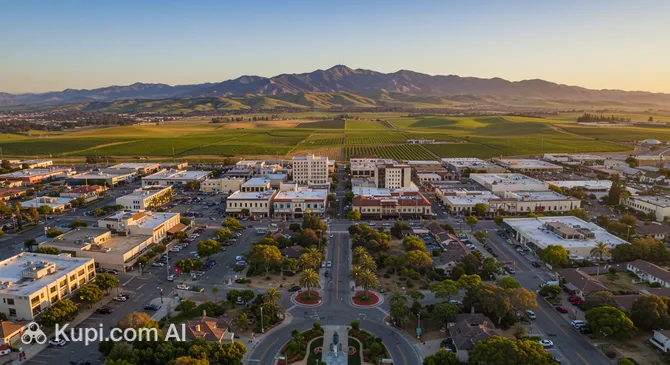
Salinas is often called the "Salad Bowl of the World" thanks to its incredibly fertile land and mild climate, which is ideal for growing fresh vegetables and fruits. Located in the sunny state of California, this city serves as a gateway to the picturesque valley and is situated just a few kilometers from the Pacific coast and the famous Monterey Bay. A trip to the USA would be incomplete without visiting this cozy corner, where agricultural traditions harmoniously intertwine with the rhythm of modern life.

Salinas. Illustration.
Source: Kupi.com AI

As the administrative center of Monterey County with a population of about 199,000, the city combines the energy of a major hub with provincial charm. The rich history of Salinas is inextricably linked with the name of Nobel laureate John Steinbeck. The writer was born here and immortalized his hometown in his famous novels, so a walk through the city streets often feels like a journey through the pages of a literary classic.

In addition to its cultural heritage, Salinas attracts tourists with its natural wealth and gastronomic opportunities. The city's surroundings are famous for magnificent vineyards and farms, while the picturesque mountain ranges provide a stunning backdrop for photographs. Salinas is an ideal place for those who want to feel the real, authentic spirit of California and enjoy the tranquility and hospitality of the local residents.

Weather Overview

The climate in Salinas can be described as mild and temperate, typical for coastal areas of California. The proximity of the ocean smooths out temperature fluctuations, so exhausting heat or severe frosts are rare here. Overall, expect warm, dry summers and cool winters with occasional rain.

The warmest period is August and September, when the average temperature is about 19°C, and during the day the air warms up to a comfortable 23.6°C. In the summer months, starting from June, precipitation is virtually non-existent, and sunny days become the norm. This is an ideal time for walking and visiting local festivals.

In winter and early spring, it gets cooler. In December and January, average indicators drop to 11°C, and night temperatures can reach 6–7°C. During this season, nature comes alive thanks to the rains: for example, in March, up to 12 rainy days are recorded. When planning a trip in the off-season, be sure to check the detailed weather in Salinas to prepare a suitable wardrobe.

Average monthly temperature

Average monthly precipitation

Interesting Facts

In addition to its well-known landmarks, Salinas holds many fascinating stories and unique traditions that reveal the true character of this Californian city. Here are a few facts every traveler should know:

  • The region's literary capital. Salinas is not just the birthplace of Nobel laureate John Steinbeck, but also the setting for many of his works. It is home to the National Steinbeck Center — the largest museum in the USA dedicated to a single writer, and the city streets and valley landscapes are easily recognizable in the descriptions of the novels "East of Eden" and "The Grapes of Wrath."

  • "Salad Bowl of the World." The city holds this unofficial but well-deserved title thanks to the incredible productivity of the local land. The Salinas Valley provides much of the country with fresh greens and vegetables: this is where huge volumes of lettuce, broccoli, cauliflower, and spinach are grown before reaching American tables.

  • Legendary Rodeo. The city hosts one of the most prestigious and oldest rodeos in the country — California Rodeo Salinas. This event goes far beyond sports: it turns into a massive festival with street parades, music, and fairs, immersing guests in the atmosphere of the Wild West.

  • Shows in the sky. Salinas is known for its International Airshow, which attracts thousands of spectators. It is one of the few places where you can see breathtaking stunts by the best civilian and military pilots, as well as the power of jet aircraft against the backdrop of the Californian sky.

How to Get There

Salinas enjoys a favorable geographical location, making a trip here comfortable for both road trip enthusiasts and those who prefer flying. To plan your route in detail and consider all logistics nuances, we recommend learning more about how to get to Salinas.

While there is no major passenger terminal within the city limits, travelers actively use the infrastructure of neighboring locations. The nearest gateway is Monterey Regional Airport (MRY), located just 19 km from downtown Salinas. This is an excellent choice for domestic flights. The journey by taxi or rental car will take very little time — approximately 25–30 minutes.

If you need a wider choice of airlines, consider Norman Y. Mineta San Jose International Airport (SJC). It is located about 80 km away. Thanks to convenient highways, the drive from there to Salinas usually takes about 1 hour 15 minutes, making this option quite popular with tourists.

For those arriving from abroad and visiting the USA for the first time, the main point of arrival is often San Francisco International Airport (SFO). It is one of the country's largest hubs, located 122.5 km from the destination. A car trip from here to Salinas will take between 1.5 to 2 hours depending on traffic, but this airport often offers the best rates for international flights.

Below is a summary of information on the nearest airports for convenient planning:

AirportPassenger trafficDistance
Monterey Regional Airport622 54319 km
Norman Y. Mineta San Jose International Airport11.8 mln80 km
Merced Municipal Airport15 000122 km
San Francisco International Airport52.3 mln122 km
Metropolitan Oakland International Airport10.8 mln127 km

In addition to air travel, Salinas is easily accessible by land transport. The famous Highway 101 passes through the city, connecting it with key points in California. The legendary Amtrak Coast Starlight train also stops here, offering one of the most scenic rail routes in the country, and intercity buses are available as well.

Main Attractions

Salinas is a city where Wild West history meets literary heritage and the natural beauty of California. A walk through the local attractions will allow you to gain a deeper understanding of this unique region's culture and enjoy its atmosphere.

The undisputed center of attraction for tourists is the National Steinbeck Center. This is not just a museum, but an interactive space dedicated to the life and work of the great American writer. Here you can see the author's personal belongings, manuscripts, and even his famous truck "Rocinante," in which he traveled across the country. The exhibits are designed to immerse visitors in the worlds of his novels, making literature tangible and alive. This place is a must-visit for anyone who wants to touch the soul of California.

Just a few blocks from the center is the Steinbeck House — a magnificent Victorian mansion where the future Nobel laureate was born and spent his childhood. The building, constructed in the late 19th century, is an architectural masterpiece in its own right, featuring carved elements and a cozy garden. Today, it houses a restaurant run by volunteers, where you can have lunch in a historical setting and feel the spirit of a bygone era.

Those who enjoy leisurely walks should head to Oldtown Salinas. This district has preserved the charm of years past: brick buildings, vintage signs, and cozy streets create beautiful backdrops for photos. It is home to many antique shops, boutiques, and cafes serving dishes made from the freshest local products. A walk through Oldtown is a great way to experience the modern rhythm of local life surrounded by historical walls.

For those who prefer outdoor recreation, Toro Park, located just a few kilometers from the city limits, is an excellent choice. This vast green space of nearly 2,000 hectares is perfect for picnics, hiking, and wildlife watching. The park's picturesque hills and oak groves offer great opportunities for active recreation and allow you to enjoy the silence away from the city bustle.

Local Cuisine

Salinas's local cuisine is a true gastronomic celebration based on the incredible freshness of the ingredients. Thanks to the fertile land of the valley, often called the "Salad Bowl of the World," the journey from farm to plate is minimal. In the city's restaurants and cafes, you will always find dishes prepared from freshly harvested vegetables: crisp lettuce, sweet corn, fragrant strawberries, and the famous artichokes that have become one of the region's culinary symbols.

The city's gastronomic scene is a vibrant mix of California traditions and Mexican flair. Be sure to try local grilled vegetable tacos, hearty quesadillas, and various salsas made from ripe tomatoes. Special attention should be given to the famous artichoke cream soup — a delicate and rich dish found in many establishments. The proximity to the ocean also leaves its mark: the menu always features fresh seafood, including shrimp, mussels, and fish caught off the coast.

The food culture in Salinas is democratic and diverse. Locals enjoy snacking on street food: numerous food trucks offer excellent burritos and homemade pies. To quench your thirst on a hot day, the signature California strawberry lemonade is ideal, its taste being particularly intense here thanks to the local berries. Fans of gastronomic discoveries often visit farmers' markets, where you can not only buy delicacies but also chat with the producers themselves.

The region's wine list deserves a separate mention. The Salinas Valley is famous for its vineyards, which produce magnificent white and red wines. Visiting tasting rooms and having picnics among the vines are popular leisure activities for both tourists and locals. Here you can appreciate the rich bouquet of local varieties that perfectly complement the regional cuisine.

Travel Tips

Salinas is a welcoming city with a true California character, but as with any trip, knowing the local nuances will make your journey much more comfortable. We have compiled a list of practical recommendations to help you plan your budget, pack your suitcase, and feel at home in this sunny but sometimes windy land.

  1. Clothing and essentials. The weather in the Salinas Valley is changeable: even if the sun is shining brightly during the day, morning fogs and evening ocean breezes bring a noticeable chill. The best strategy is to dress in layers ("the onion principle"). Be sure to bring a windbreaker or a hoodie, as well as comfortable shoes, as you will be doing a lot of walking in museums and parks. Don't forget sunglasses and SPF cream — the California sun is active all year round.

  2. Transport. Although the Monterey-Salinas Transit (MST) bus system operates in the city, the schedule may not always align with a tourist's plans. The most convenient way to get around is renting a car, especially if you plan to visit wineries or the coast. For trips within the city, taxi apps (such as Uber and Lyft) work great. If you do choose public transport, carry small cash for the fare, as drivers do not give change.

  3. Finances. The official currency is the US dollar. Bank cards are accepted almost everywhere: in hotels, restaurants, and shops. However, a small amount of cash (1, 5, and 10 dollar bills) is useful for tipping, paying at farmers' markets, or at food trucks. It is customary to leave generous tips in restaurants: 15–20% of the check is considered standard, as they make up a significant part of the staff's earnings.

  4. Health and safety. Salinas is a fairly quiet city, but you should follow standard precautions: do not leave valuables in your car in plain sight and avoid walking alone in remote areas at night. Large chain pharmacies are easy to find throughout the city, where you can buy basic over-the-counter medications. The single emergency number is 911.

  5. Communication. The primary language is English, but due to the region's demographics, you will hear Spanish spoken everywhere. Locals are friendly and will gladly help if you know at least basic English phrases. Free Wi-Fi is available in many cafes, hotels, and libraries. For constant connectivity, it's more convenient to buy a local prepaid SIM card.

  6. Local etiquette. California has a relaxed and friendly atmosphere. It is customary to smile at strangers when making eye contact and to greet store staff. The question "How are you?" is often used simply as a greeting, to which a short positive response is expected. Respecting personal space in lines is an important rule of politeness.

  7. What to avoid. It is strongly recommended not to enter private agricultural fields without permission from farmers or a guide — this is private property and a working area where heavy machinery may be operating. Also, remember that California has some of the strictest smoking laws: it is prohibited indoors, on restaurant patios, and in many public parks.

  8. Additional tip. If you find yourself in Salinas on a Saturday, be sure to visit the Oldtown Salinas Farmers Market. It's not just a market, but a cultural event where you can taste the freshest local fruits, buy artisanal goods, and chat with locals to live music. It's the best way to get a true taste of the "Salad Bowl of the World."

Salinas is a city that reveals itself to those ready to slow down and look around carefully. By following these simple tips, you can avoid everyday hassles and focus on the main thing — immersing yourself in the unique atmosphere of Steinbeck's homeland and enjoying the beauty of the California valley.

Entertainment & Nightlife

Nightlife in Salinas is characterized by its calm and steady nature, making it attractive for those seeking a cozy atmosphere and live conversation rather than loud parties until dawn. Most activity is concentrated in the Oldtown Salinas area, especially along Main Street. In the evenings, this block comes alive: the historical architecture is illuminated, and locals and tourists fill gastropubs, craft breweries, and wine bars, creating ideal conditions for relaxed recreation.

The atmosphere in Salinas establishments is very informal and friendly. There is no strict dress code: a casual style (jeans and a shirt) will be appropriate almost everywhere. The crowd is diverse — from local farmers and students to travelers exploring California. Most bars and restaurants are open until 10:00–11:00 PM, although the fun may continue until midnight or slightly later on Fridays and Saturdays.

Among the specific places worth visiting, The Growers Pub stands out. This is an establishment with a rich history and a classic American bar interior, where you can try excellent steaks and local wines. Fans of beer culture will enjoy Farmers Union Pour House — a colorful spot with a wide selection of craft beers from regional breweries and a laid-back atmosphere perfect for long conversations.

The center of cultural nightlife is the historic Fox Theater. This restored Art Deco cinema now serves as the city's main concert venue. Performances by musical groups, comedy shows, and community events are held here regularly. If you are planning an evening out, be sure to check the theater's schedule — it's a chance to see a high-quality show in magnificent interiors.

Regarding safety, the Oldtown area is considered quite comfortable for evening walks, as the streets are well-lit and patrolled. However, as in any US city, tourists are advised not to venture into unlit residential blocks late at night. For getting between establishments or returning to your hotel, the most reliable and fastest way is to call a taxi via the Uber or Lyft apps. The average check in bars is moderate by Californian standards: a cocktail or a glass of beer will cost around 8–12 dollars.

Daytime entertainment in Salinas is just as varied. Besides the already mentioned Steinbeck museums, the city offers great shopping opportunities at the Northridge Mall. Families with children should check out Maya Cinemas with its modern theaters, and outdoor enthusiasts can spend time in city parks, which often host local fairs and picnics.

Parks & Museums

Salinas surprises guests not only with its literary heritage but also with excellent opportunities for outdoor recreation and cultural enrichment. The city's green zones and historical museums allow you to escape the hustle and bustle and dive deeper into the atmosphere of the real California, discovering the region from a new, unexpected side.

Among the city's green oases, Tatum's Garden holds a special place. This unique space, created by the local community, is considered one of the best inclusive playgrounds in the USA. The park is decorated with an agricultural theme reflecting the spirit of the "Salad Bowl of the World" and is perfect for family vacations. An atmosphere of kindness and creativity reigns here, and the thoughtful landscape design makes a walk pleasant for visitors of any age.

For wildlife lovers, the Salinas River National Wildlife Refuge, located where the river meets Monterey Bay, is a real find. It is a quiet and picturesque place where you can walk along the dunes and observe rare bird species. The ocean breeze and lack of tourist crowds create ideal conditions for meditative walks and landscape photography, radically different from city views.

The Boronda Adobe History Center will help you dive into the region's history. This building, constructed in the 1840s, is one of the oldest surviving examples of Mexican rancho-era architecture in California. The museum offers more than just a look at exhibits; it's a journey through time: here you can learn about the lives of the first settlers, cattle ranchers, and the formation of the state's unique culture long before the advent of modern technology.

Another important cultural spot is the Harvey-Baker House. This museum, located in a historic wooden house, tells the story of California's transition from Mexican rule to American. The interiors and collections of artifacts carefully preserve the memory of the lifestyle and traditions of the late 19th century, allowing tourists to see how the founders of modern Salinas lived.

Fans of technology and miniatures should visit the Salinas Valley Model Railroad Museum. Located next to the active railway station, it is an impressive, detailed model of the region's railroads. This is a place with a special atmosphere where enthusiasts have recreated the historical routes of trains that played a key role in the development of the valley's agriculture.

Insider Tip: While walking through the city center, look out for the street murals in the Oldtown area. These large-scale wall paintings are not always mentioned in guidebooks, but they are a true open-air gallery telling the city's story through vivid images — from portraits of Steinbeck to harvest scenes. They provide an excellent backdrop for atmospheric photos.

Getting Around

Public transportation in Salinas is primarily represented by a bus network that connects the city with neighboring locations and the coast. There are no subways or tram lines here, so buses and cars remain the main mode of travel for locals and tourists. The transport system is organized quite simply and clearly, but it has its own characteristics that are important to consider when planning trips.

The main carrier is Monterey-Salinas Transit (MST). Its buses run throughout the city and connect Salinas with popular tourist spots such as Monterey and Carmel. The central hub is the Salinas Transit Center, located downtown. This is a convenient starting point for most routes. The buses are modern, clean, and typically equipped with bike racks on the front, which is convenient for those who enjoy combined trips.

Rail transport in the city is represented by the Amtrak station, located at the Intermodal Transportation Center. Although trains here are used mainly for intercity travel (for example, the famous Coast Starlight route), the station is an important transport hub. From here, you can set off on a journey across California, but the train is not suitable for travel within the city.

The fare system on MST buses is quite flexible. You can pay for your trip in cash upon boarding by dropping the money into a special receiver next to the driver. Important to know: drivers do not give change, so you must have the exact amount (small bills and coins). The cost of a single trip varies depending on the distance of the route but is usually a few dollars.

For tourist convenience, a contactless payment system has been introduced. On most MST buses, you can pay with a bank card featuring PayPass (Visa, Mastercard) or via mobile wallets (Apple Pay, Google Pay) by simply tapping your device against the validator upon entry. There are also day or week passes (GoPass) that are beneficial if you use transport frequently. They can be purchased at the transit center or via a mobile app.

Given that bus schedules might not be very frequent (intervals on some routes reach 30–60 minutes), many tourists prefer alternative options. Taxi and ridesharing services like Uber and Lyft work perfectly in Salinas. This is the most reliable way to reach remote wineries or return to your hotel late in the evening when public transport stops running.

To plan routes, it is highly recommended to download the Transit app or use Google Maps. They show bus movements in real time, which helps avoid long waits at stops. If you plan to move only within the historic center (Oldtown), you might not need transport at all: this area is compact and ideal for walking.

Accommodation

Where to stay:

Accommodation options in Salinas are primarily geared towards practical travelers. Unlike the neighboring coastal resorts of Monterey and Carmel, you won't find an abundance of luxury five-star spa complexes here. The hotel stock mainly consists of reliable mid-range international chain hotels and classic American motels, ideal for road trippers. This makes the city an excellent base for those who want to explore the USA and this region of California without overpaying for oceanfront accommodation.

When choosing an area, consider the purpose of your trip. Most modern hotels are concentrated along the main transport artery — Highway 101. This is a strategically convenient location: from here, it's easy to head towards the wineries or the coast, and 24-hour diners and gas stations are often nearby. This is the best choice for those traveling by car and planning active trips out of town.

If atmosphere and walkability are important to you, look for accommodation closer to Oldtown Salinas. Although there are few large hotels in the historic center itself, staying within walking distance of it will allow you to enjoy evening walks on Main Street and visit local restaurants and museums without needing to get behind the wheel every time. This area is suitable for those who want to feel the pulse of the city.

The price range in Salinas is generally lower than in neighboring coastal tourist centers. Housing here can be described as "budget" and "mid-range" segments. This attracts many tourists who prefer to stay here and spend their days on the beaches of Monterey, which are only a 20–30 minute drive away. This approach allows for significant travel budget savings while still providing comfortable living conditions.

When planning your booking, it is important to consider the calendar of local events. During major events, such as the famous Salinas Rodeo (in July) or races at the Laguna Seca track, the demand for housing spikes, and prices can double or triple. For these dates, as well as during the summer peak season, it is strongly recommended to book rooms several months in advance. At other times of the year, finding a room is usually easy even just a couple of days before arrival using popular online booking platforms.

Nearby Cities

For those who want to explore the surrounding area, Salinas serves as an excellent starting point for day trips to several interesting nearby locations:

CityPopulationDistance
Prunedale19 89311 km
Marina22 24613 km
Monterey30 01423 km
Pacific Grove15 16924 km
Watsonville76 28527 km

These nearby destinations offer a glimpse into the region's diverse culture and landscapes. Just an hour's drive away is Santa Cruz — a legendary coastal city steeped in the spirit of surfing and freedom. The main attraction here is the historic Santa Cruz Beach Boardwalk, with wooden roller coasters and vibrant rides right by the ocean. This is an ideal choice for those who want to swap the agricultural landscapes of the valley for the sound of the surf and a beach holiday.

If you are more attracted to the rhythm of a metropolis and modern technology, head to San Jose, the unofficial capital of Silicon Valley. Here you can visit The Tech Interactive museum or stroll through the upscale Santana Row district with its top shops and restaurants. Mystery lovers should check out the famous Winchester Mystery House — an architectural labyrinth with doors leading nowhere and stairs to the ceiling.

For gastronomic tourism and bargain shopping, Gilroy is perfect. This city proudly bears the title of "Garlic Capital of the World": the aroma of this seasoning hangs in the air, and you can even find garlic ice cream in local shops. Additionally, Gilroy is known for its huge Gilroy Premium Outlets center, where you can buy brand-name items at significant discounts, making a trip here not only tasty but also practical.

Shopping & Souvenirs

General Overview. Shopping in Salinas is a calm and pleasant activity, free from the hustle and bustle of massive metropolises. The city does not claim the title of a high-fashion capital, so you won't find blocks of luxury boutiques from global brands here. However, Salinas offers great opportunities for buying quality everyday goods, unique antiques, and, of course, locally produced items. Here, shopping is often combined with walks through historical sites, which adds a special charm to the process.

Main Shopping Districts. The heart of local trade is undoubtedly Oldtown Salinas, especially the area along Main Street. This is the ideal place for those looking for something special. Strolling past historic buildings, you will find many independent shops, family-owned stores, and boutiques with clothing, accessories, and home goods. A cozy atmosphere prevails here, and shop owners are often behind the counter themselves and happy to chat with tourists.

Shopping Centers. For fans of classic American shopping, the main destination is Northridge Mall. This is the largest indoor shopping complex in the region, with more than 100 stores under one roof. Popular national brands of clothing, shoes, and cosmetics, such as Macy's, JCPenney, H&M, and others, are represented here. It's a convenient place to update the whole family's wardrobe, grab a bite in the food court, and use the free Wi-Fi.

Markets. A true pride of the city is the Oldtown Salinas Farmers Market, which takes place every Saturday. It's not just a place for shopping, but a vibrant cultural event. Given the region's status as the "Salad Bowl of the World," you can find the freshest fruits, vegetables, berries, nuts, and flowers straight from local farms here. In addition to produce, the market sells handmade crafts, honey, and homemade jams, which make great reminders of the flavors of California.

Souvenirs. From Salinas, it's worth bringing back gifts that reflect its unique history. At the National Steinbeck Center gift shop, you can purchase gift editions of the writer's books, posters, and themed accessories. Items with symbols of the famous Salinas Rodeo — cowboy hats, buckles, or T-shirts — are also popular. Another great gift would be a bottle of local wine from the Salinas Valley, which is famous for its vineyards.

Opening Hours and Payment. Large shopping centers like Northridge Mall usually operate from 10:00 AM to 9:00 PM; the schedule may be reduced on Sundays. Shops in Oldtown often close earlier — around 5:00 or 6:00 PM. Bank cards (Visa, Mastercard, American Express) are accepted everywhere, even in small kiosks. Cash may only be useful for small purchases at the farmers' market.

Taxes (Tax Free). It's important to remember that in the USA, Sales Tax is not included in the price shown on the tag and is added at the checkout. In Salinas, it is approximately 9.25%. Unlike Europe, the United States does not have a unified VAT refund system (Tax Free) for foreign tourists upon departure, so you should not expect a refund of the tax money spent.
Reached the end of the page?

That means the route is fully explored