Support

Saratoga

About

Saratoga is a cozy and picturesque city nestled at the foot of the Santa Clara foothills in sunny California. Located just 20 kilometers southwest of San Jose, it sits in close proximity to the innovative heart of Silicon Valley, yet retains the surprising charm of a quiet and peaceful suburb. A trip to the USA is often associated with the rhythm of major metropolises, but Saratoga offers a completely different experience—an atmosphere of tranquility and harmony with nature reigns here.

With a population of about 31,000, the city is considered one of the most prestigious and safest places to live in the region. Well-maintained streets, parks lush with greenery, and blooming gardens create the perfect backdrop for leisurely strolls. Despite its compact size, Saratoga boasts a developed infrastructure and a high level of prosperity, attracting those who value comfort and a steady pace of life.
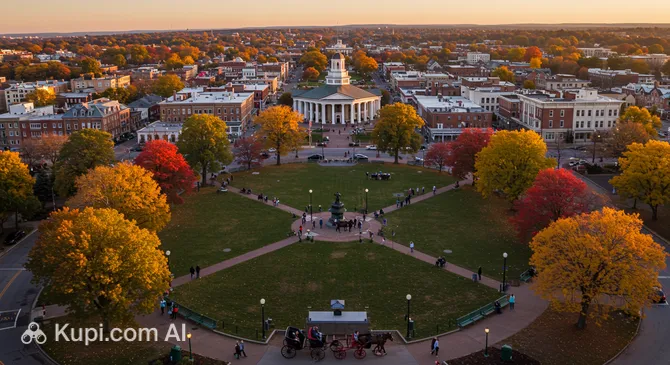
Saratoga. Illustration.
Source: Kupi.com AI

Local residents carefully preserve the traditions of their region. The fascinating history of Saratoga is reflected in the city's cultural life and its architectural appearance. Here, art and nature intertwine, creating a unique environment that inspires travelers.

The city offers guests a variety of leisure opportunities. Saratoga is famous for its magnificent gardens, art centers, and wineries where you can taste local wine varieties. Outdoor enthusiasts will appreciate the scenic hiking trails passing through hills and forests, while families with children will find many spots for picnics and outdoor recreation.

If you dream of taking a break from the urban bustle and feeling like part of a friendly community, Saratoga will be a wonderful stop on your itinerary. This is a place where you can slow down, be inspired by the beauty of the surrounding world, and enjoy every moment of your journey.

Weather Overview

The climate in this corner of California is characterized by mildness and comfort, making trips pleasant at almost any time of year. Expect warm, dry summers with plenty of sunny days and cool, wetter winters. The hottest period is August, when the average daytime temperature reaches 25.4°C, and rain at this time is an exceptional phenomenon: there is virtually no precipitation from June to August.

The winter months bring the bulk of the moisture, especially March and December, when the number of rainy days can reach 10–13 per month. However, even in winter, there are no severe frosts here: the average temperature in January stays around 11°C, and nighttime figures rarely drop below 7°C. To choose the perfect time for your visit and find the latest forecast, we recommend checking the weather in Saratoga before packing your bags.

Average monthly temperature

Average monthly precipitation

Interesting Facts

Beyond its main attractions, Saratoga holds many fascinating secrets that reveal themselves only to the most curious travelers. This city wonderfully combines the legacy of past centuries with modern cultural phenomena.

  • Japanese Heritage in the West. The city's gem, Hakone Estate and Gardens, holds the title of one of the oldest and largest Japanese gardens in the entire Western Hemisphere. This place is so authentic that walking through it creates a complete illusion of being in the Land of the Rising Sun, and the garden itself preserves many traditions and legends passed down through generations.

  • A Villa for Creators. The famous Montalvo Arts Center is not just a historic mansion with a park, but an active residency for talented people. Artists, writers, and musicians from all over the world live and create here, turning the estate into a living, breathing center of contemporary art where inspiration is drawn directly from the surrounding beauty.

  • From a Miners' Settlement to an Elite City. Saratoga's history didn't begin with luxury villas, but with the harsh times of the Gold Rush. The city grew from a small settlement on the path of gold seekers, and today in the Historic Saratoga Village, you can see how the modest 19th-century past has been harmoniously woven into the modern, sophisticated look of the streets.

  • Gateway to the Ocean. For hiking enthusiasts, Saratoga serves as the starting point for epic journeys. It is here that trails connecting the valley to the coast begin, including the famous Skyline to the Sea trail, which allows hikers to traverse mountain ridges all the way to the Pacific Ocean.

How to Get There

When planning a trip to this picturesque corner of California, it is worth thinking about logistics in advance. Thanks to its proximity to the major transport hubs of Silicon Valley, the journey will not be difficult. You can explore all the ways to get to the city on a separate page, but here we will look at the most popular options for arriving via air hubs.

There is no airport in the city of Saratoga itself, so travelers usually fly into neighboring large cities. The most convenient option is San Jose Mineta International Airport (IATA: SJC). This is a major air hub located in San Jose, just 12.8 km from the center of Saratoga. A trip by taxi or rental car will take about 40 minutes, depending on city traffic.

For international flights and long-distance travel, San Francisco International Airport (IATA: SFO) is often chosen. This is one of the country's largest airports, located in San Francisco, about 50 km from Saratoga. The journey from here to your destination will take more time—expect about 1 hour and 35 minutes by car.

You can also consider Oakland International Airport (IATA: OAK), located in San Leandro. This is another major transport hub in the region, situated 54 km away. The trip from there will take about 1 hour and 40 minutes.

For clarity, here is a summary of the main airports:

AirportPassenger trafficDistance
Norman Y. Mineta San Jose International Airport11.8 mln13 km
San Francisco International Airport52.3 mln50 km
Metropolitan Oakland International Airport10.8 mln54 km
Monterey Regional Airport622 54378 km
Stockton Airport127 00097 km

As for ground transportation, there are no direct railway stations in the immediate vicinity serving long-distance routes in the provided list. The main way to move between cities in this region remains the car. You can rent a car at any of the arrival airports or use taxi and ride-sharing services. The road network in California is excellent, and driving along scenic highways will be a pleasant part of your journey.

Main Attractions

Saratoga is a true treasure trove for those seeking harmony between culture, history, and the magnificent nature of California. Although the city is famous for its quiet and measured atmosphere, it is home to world-class attractions that draw travelers from all over the coast. From ancient Japanese gardens to vineyards with panoramic views—here are the places you should definitely include in your itinerary.

Hakone Estate and Gardens is perhaps the city's most famous jewel. This park is considered one of the oldest Japanese gardens in the Western Hemisphere and offers visitors a total immersion into the atmosphere of the Land of the Rising Sun. Walking along the winding paths, you will see traditional ponds with colorful koi fish, elegant bridges, bamboo groves, and authentic tea houses. It is an ideal place for meditation and peaceful relaxation, where every corner is created with deep respect for Japanese philosophy and aesthetics.

Art and architecture lovers should certainly visit the Montalvo Arts Center. This majestic complex is located on the grounds of a historic Mediterranean-style villa built in the early 20th century. The mansion is surrounded by a magnificent arboretum, Italianate gardens, and sculpture parks. In addition to its architectural beauty, Montalvo is famous for its hiking trails that lead into the forested hills, as well as its rich cultural program: concerts, exhibitions, and outdoor theatrical performances are regularly held here.

If you want to combine history with magnificent views, head to The Mountain Winery. This historic winery was founded by the legendary Paul Masson, a pioneer of Californian winemaking. Perched high in the hills, it offers breathtaking panoramas of Silicon Valley, which are especially beautiful at sunset. Today, this place is known not only for its wines but also as a popular concert venue: world stars regularly perform in the cozy amphitheater, creating an unforgettable atmosphere of musical evenings under the stars.

For those who prefer active outdoor recreation, the doors of Sanborn County Park are open. This vast park, located in the Santa Cruz Mountains, is famous for its dense redwood forests, cool streams, and scenic hiking routes. Here you can hide from the summer heat in the shade of giant trees, have a picnic, or go on a hike along trails of varying difficulty. In the summer, the park often hosts Shakespeare festivals, adding a touch of theatrical magic to the wilderness setting.

Local Cuisine

Saratoga's gastronomic scene is a vivid reflection of the Californian lifestyle, where the cult of healthy eating harmoniously combines with a love for refined tastes and multicultural traditions. Local cuisine is based on the farm-to-table philosophy: chefs rely on seasonal, organic products grown in the region's fertile valleys. Here, food is not just about satisfying hunger, but a real ritual of enjoying the freshness and quality of ingredients.

The menus of local restaurants feature an eclectic mix characteristic of modern California. You will find many establishments with Italian, Asian, and Mediterranean influences. Be sure to try dishes made from the freshest seafood delivered from the coast, as well as famous Californian salads with goat cheese, artichokes, and avocado. Special attention is paid to signature cuisine, where familiar recipes are reimagined with the addition of local herbs and spices.

An integral part of Saratoga's gastronomic culture is its local wines. The city is located at the foot of the Santa Cruz Mountains, a well-known wine region. Pinot Noir and Chardonnay are considered the hallmark varietals here, acquiring a special, deep flavor thanks to the unique microclimate. Many restaurants offer extensive wine lists composed exclusively of products from neighboring wineries, and tasting local wine is a must for any tourist.

For those who want to immerse themselves in the daily life of the townspeople, farmers' markets are the best place to go. These are true community hubs where you can not only buy fresh berries, local honey, jams, and craft pastries, but also chat with the producers themselves. Street food lovers will find great opportunities for an outdoor snack here, enjoying the neighborly atmosphere.

Dining culture in Saratoga is characterized by relaxation and elegance. Locals prefer leisurely dinners on open terraces and patios, enjoying the mild climate. The city regularly hosts gastronomic festivals and wine evenings, turning streets and parks into large open-air picnic zones where everyone can feel like part of this hospitable community.

Travel Tips

Welcome to sunny California! To make your trip to cozy Saratoga as comfortable and carefree as possible, we have prepared a list of useful recommendations that will help you feel at home here and avoid common tourist mistakes.

  1. Clothing and Essentials. The weather in the region is famous for its mildness, but it is changeable. Even if it's hot during the day, evenings can be cool due to the proximity of the ocean and mountains. The principle of layering is your best solution: bring a light jacket or hoodie. Since Saratoga's main beauties are gardens and hilly parks, comfortable shoes (sneakers or hiking boots) will be essential.
  2. Transportation. Saratoga is a typical American suburb where public transport is underdeveloped. Buses run infrequently, and distances between attractions can be significant. The most convenient way to get around is renting a car. This will give you freedom of movement. Alternatively, ride-sharing apps (Uber, Lyft) work great, and a car can be found at any time of day.
  3. Finances. The local currency is the US dollar. Bank cards are accepted everywhere: from fine dining restaurants to small coffee shops. However, we recommend having some cash (1–5 dollar bills) for tipping valets or for purchases at farmers' markets. Tipping culture is very important here: it is customary to leave 18–20% of the check amount in restaurants if you enjoyed the service.
  4. Health and Safety. Saratoga is considered a very safe city, but you shouldn't relax completely. The main rule for travelers in California: never leave valuables (backpacks, electronics, bags) in plain sight inside a car, even if you're stepping out for five minutes. Major pharmacy chains (e.g., CVS or Walgreens) are easy to find and offer a wide range of essentials, but antibiotics are sold only by prescription.
  5. Communication. The primary language is English. Locals speak quite fast but are always ready to repeat if you ask politely. Free Wi-Fi is available in almost all cafes and hotels, but for stable connectivity and navigation, it's better to buy a local SIM card (T-Mobile, AT&T) or activate an eSIM in advance. You should definitely have Google Maps or an equivalent on your phone—road junctions can be confusing.
  6. Local Etiquette. Californians are known for their openness and friendliness. It is customary to smile at strangers and say hello when making eye contact. The question "How are you?" is most often just a form of greeting for which a short, positive response is expected, rather than a detailed life story. Also, strictly respect personal space in lines and public areas.
  7. What to Avoid. Categorically avoid smoking in parks, forest areas, and on hiking trails. California suffers from wildfires, so there are huge fines for violating fire safety rules. Also, do not enter private property (lawns in front of houses), even if they are not fenced—private property is sacred here.
  8. Planning Visits. If you want to visit famous wineries or dine at a popular restaurant on a Friday or Saturday, book your spots in advance. Saratoga is a popular weekend getaway for Silicon Valley residents, and the best locations can be fully booked on weekends.

We hope these tips help you plan the perfect trip. Saratoga is a hospitable and sophisticated city that will give you many warm memories if you come prepared and ready to relax!

Entertainment & Nightlife

Saratoga's nightlife is the embodiment of elegance and understated luxury, strikingly different from the noisy parties of neighboring San Jose. Here you won't find thumping night clubs with neon signs or dance floors open until dawn. Instead, the city offers a more refined format of relaxation: exquisite dinners, tastings of rare wines, and intimate concerts. Evening here is a time for leisurely conversation, romance, and enjoying a high quality of life.

The epicenter of evening activity is in the historic district known as The Village, particularly along the city's main artery—Big Basin Way. As the sun sets, this picturesque street transforms into a lively gastronomic promenade. The best restaurants and wine bars are concentrated here, and the area hums with life. The crowd is respectable: successful Silicon Valley residents and sophisticated tourists. The atmosphere calls for smart casual style or cocktail attire; you might feel out of place in sportswear.

The undisputed king of night entertainment is The Mountain Winery. During the summer season, this historic winery transforms into one of California's most atmospheric concert venues. Evening performances by world stars of jazz, rock, and pop music take place here regularly. Concerts under the starlit sky with a glass of local wine and a view of the shimmering valley lights below are an experience that people travel for from all over the coast.

For connoisseurs of fine drinking culture and a secluded atmosphere, the Plumed Horse is worth noting. This is not just a Michelin-starred restaurant, but also a place with a magnificent lounge bar that houses one of the most impressive wine collections in the region. Also popular are the cozy wine bars on Big Basin Way, such as Uncorked!, where you can sample local varieties in a relaxed setting, often accompanied by live acoustic music.

Practical tips: Keep in mind that Saratoga "goes to sleep" quite early. Most restaurant kitchens close by 9:00 PM–10:00 PM, and bars rarely stay open past midnight. The price level here is high ($$$), matching the city's status. The area is exceptionally safe for night walks, but public transport is virtually non-existent after dark. To get to your hotel after dinner or a concert, it is best to use taxi apps (Uber or Lyft); cars are available 24/7.

While the evening program is rich, daytime entertainment is just as interesting. Before sunset, you can visit local art galleries, stop by the historical museum, or enjoy the silence in the Japanese gardens. But it is in the evening, in the soft glow of the Big Basin Way streetlights, that Saratoga reveals its true charm as a cozy Californian retreat.

Parks & Museums

Saratoga's cultural and natural landscape harmoniously combines the refined aesthetics and wild beauty of the Californian foothills. The city offers travelers the unique opportunity to transport themselves from the atmosphere of a Japanese garden to the halls of a historic villa or the depths of an ancient forest in a single day. Green spaces here are not just places for walking, but true works of landscape art closely intertwined with the region's history.

Among the natural attractions, Hakone Estate and Gardens is the undisputed leader. This place goes beyond an ordinary park—it is a living embodiment of Zen philosophy. Tourists come here to admire the blooming cherry blossoms, walk across the "Moon Bridge," and watch the koi in the pond. The garden is divided into several thematic zones, including a bamboo grove and a tea garden, allowing for solitude even on weekends.

For those seeking a more large-scale connection with nature, Sanborn County Park is open. Located in the Santa Cruz Mountains, it occupies a huge territory with dense forests of redwoods and oaks. This is an ideal location for hiking: there are many trails of varying difficulty, offering breathtaking views of the valley. In summer, the park's shaded paths provide welcome coolness, and specially equipped picnic areas make it a popular spot for family recreation.

The city's cultural scene is headed by the Montalvo Arts Center. Although it is known for its architecture and park, it is primarily a dynamic art venue. The center's galleries regularly host contemporary art exhibitions, installations, and performances by resident artists from around the world. Visitors can not only enjoy the exhibits but also attend open studios, where the creative process can be seen firsthand.

The Saratoga Historical Museum, located in the Historical Park, helps you dive into the region's past. The museum's exhibits tell the story of the city's transformation from an agricultural settlement to an elite suburb. It houses pioneer-era artifacts, old photographs, and everyday objects that allow for a better understanding of the spirit of old California. The museum building itself and the surrounding structures form an interesting late 19th-century architectural ensemble.

Among other notable places is Wildwood Park, located in the very center of the city on the banks of Saratoga Creek. This cozy space with paved paths and centuries-old sycamores often becomes a venue for city festivals and concerts.

Insider Tip: If you find yourself at the Montalvo Arts Center, don't limit yourself to the villa and the lower park. Find the Lookout Point Trail, which leads up behind the mansion. The climb takes about 20–30 minutes, but the reward is one of the best panoramic views of Silicon Valley, which not all tourists know about.

Getting Around

The public transport system in Saratoga is integrated into the broader Silicon Valley network and is managed by the Santa Clara Valley Transportation Authority (VTA). Since the city is primarily a residential and quiet suburb, there are no local metro stations or light rail lines. The main way of moving around for those who do not use a personal car remains buses, which connect the city with major transport hubs in neighboring metropolises.

The VTA bus network covers major streets such as Saratoga Avenue, providing access to shopping centers and colleges. It is important to note that there are no direct railway stations in the city center. The nearest light rail stations (VTA Light Rail) or Caltrain commuter train stations are located in the neighboring cities of Campbell and Sunnyvale. These can be reached by bus, and from there you can continue your journey to San Francisco or San Jose.

For fare payment, it is most convenient to use the universal contactless Clipper Card. It is valid on almost all types of transport in the San Francisco Bay Area. The card can be purchased at vending machines at major stations, at some pharmacies (e.g., Walgreens), or a virtual version can be loaded into a smartphone wallet via Apple Pay or Google Pay. Cash payment is also available when boarding a bus, but drivers do not provide change, so you must have the exact amount. The cost of a single ride is about $2.50, and using a Clipper Card allows you to save and automatically accounts for transfers.

Tourists should keep a few practical nuances in mind. Buses in Saratoga may not run as frequently as in large cities: intervals are often 30–60 minutes, and there are even fewer trips on weekends. It is highly recommended to use apps like Google Maps or Transit to track schedules in real-time. When entering a bus with a Clipper Card, be sure to tap it on the validator; you do not need to do this when exiting.

Given the sparse public transport schedules, the most popular alternatives are taxi and ride-sharing services such as Uber and Lyft. Cars are available 24/7, and wait times are usually minimal. Cycling culture is also popular in the city, but due to the hilly terrain, bicycles are more often used for sport and recreation than as a primary means of transportation between attractions.

Accommodation

Accommodation in Saratoga perfectly reflects the character of the city itself: an atmosphere of peace, comfort, and respectability prevails here. Travelers shouldn't look for noisy youth hostels or massive mass-market hotel complexes. The core of tourist accommodation consists of boutique hotels, historic inns, and cozy B&Bs (Bed and Breakfasts), which offer a personalized approach and a high level of comfort. This place is ideal for a romantic weekend or a quiet getaway away from the hustle and bustle of the metropolis.

The most attractive area to stay is the historic center—The Village. By staying here, you get the main advantage: the ability to explore on foot. The best restaurants, the wine bars on Big Basin Way, and picturesque parks will be just a few minutes' walk from your room. This is especially convenient for those who plan to taste local wines and don't want to get behind the wheel in the evening. For those who prefer total privacy and silence, it's worth looking at accommodation options closer to the foothills, where you can rent apartments or guest houses with views of the forested hills.

If your budget is limited or you prefer the standards of major international chains, it makes sense to consider hotels on the border of Saratoga with neighboring cities—Cupertino, Campbell, or San Jose. There, the choice of accommodation is significantly wider: from classic motels to mid-range business hotels, and the drive to the center of Saratoga will take only 10–15 minutes.

The price range for housing within Saratoga itself varies from above average to luxury. The cost per night here is usually higher than the Silicon Valley average, which is explained by the exclusivity of the location. It is recommended to book well in advance, at least a few weeks prior. Peak demand occurs during the summer season when concerts are held at The Mountain Winery, as well as during wedding seasons (spring and early autumn), when the city's picturesque hotels are fully booked with wedding guests.

For booking, it is most convenient to use popular online platforms, but many of Saratoga's historic boutique hotels offer special packages (for example, "romantic dinner" or "wine tour") when booking directly through their official websites. Nature lovers should remember that camping and glamping sites are available in surrounding parks (such as Sanborn), which must be reserved through the county parks system.

Nearby Cities

For those who want to explore the surroundings, Saratoga serves as an excellent starting point for day trips to several interesting nearby locations:

Just 15 minutes away is San Jose—the unofficial capital of Silicon Valley and California's third-largest city. It is a dynamic metropolis offering tourists a rich cultural program: from the interactive Tech Museum (The Tech Interactive) to luxury shopping and fine dining on Santana Row. The city is perfect for those who want to feel the rhythm of a big city without traveling far.

Technology and history buffs should visit Mountain View. This city is world-famous as the home of Google's headquarters (Googleplex) and the magnificent Computer History Museum, which houses unique artifacts of the digital age. The city center, especially Castro Street, is famous for its cozy atmosphere and a huge selection of restaurants featuring cuisines from all over the world.

For a family vacation, Santa Clara is a great choice. It is home to one of the largest amusement parks in the region—California’s Great America—as well as the famous Levi's Stadium. Architecture lovers can visit the historic Mission Santa Clara de Asís, located on the campus of the state's oldest university.

CityPopulationDistance
Los Gatos33 3096 km
Cupertino60 6816 km
Campbell43 9546 km
Santa Clara127 92211 km
Sunnyvale155 55011 km

These nearby destinations provide a glimpse into the diverse culture and landscapes of the region.

Shopping & Souvenirs

Shopping in Saratoga is a reflection of the respectable and calm character of the city itself. Here you won't find noisy crowds or endless rows of mass-market stores. Instead, the city offers a "boutique" shopping format, where the process of choosing goods turns into a pleasant stroll. Local shops focus on exclusivity, high quality, and a personalized approach, attracting connoisseurs of unique items and signature style.

The heart of commercial life is the historic district of The Village, stretching along Big Basin Way. It is an ideal place for a leisurely promenade: the shop windows here are tastefully decorated, and the assortment ranges from designer clothing and rare antiques to exquisite home goods. You can stop by small art galleries or jewelry boutiques, where you'll often find works by local artisans inspired by the beauty of California.

Since Saratoga maintains the atmosphere of a cozy suburb, there are no giant shopping malls within the city limits. However, fans of large-scale shopping won't have to go far. Literally on the border with neighboring San Jose is the El Paseo de Saratoga shopping complex. This is a spacious open-air center featuring popular American brands, home goods stores, and cozy cafes. Also nearby is the Westgate Center, offering a wide selection of clothing, shoes, and electronics.

The Saratoga Farmers' Market, which takes place on Saturdays at West Valley College, deserves special attention. This is not just a place to buy food, but a true community event. People come here for the freshest seasonal fruits, organic vegetables, farm cheeses, and freshly baked bread. The atmosphere here is always lively and friendly, often featuring live music.

As souvenirs from Saratoga, it's worth bringing back what this region is famous for. First and foremost, this is local wine from the Santa Cruz Mountain wineries—a bottle of Pinot Noir or Chardonnay makes an excellent gift. Handmade items are also popular: ceramics, paintings, or jewelry purchased in the galleries of The Village. Gastronomic souvenirs, such as craft chocolate or jams from the farmers' market, are also good choices.

Most shops and boutiques are open from 10:00 AM to 6:00 PM or 7:00 PM; on Sundays, business hours may be shortened. Bank cards (Visa, MasterCard, American Express) and contactless payments via smartphone are widely accepted. Cash may only be needed for small purchases at the market or for tips.

For tourists traveling through the USA, it is important to remember the peculiarities of taxation. Prices on price tags are always indicated without sales tax. In Santa Clara County, where Saratoga is located, it is approximately 9.13% and is added to the total at the checkout. The Tax-Free system (tax refund upon leaving the country) is practically non-existent in the United States, so you should not count on a VAT refund.

Reached the end of the page?

That means the route is fully explored