Support

Joliet Area Historical Museum

About

The Joliet Area Historical Museum is an inspiring destination where the region's rich past comes to life. Located in the picturesque city of Joliet, USA, the museum is housed in a former Methodist church built in 1909. It is more than just a repository of artifacts; it is a vibrant cultural center that was deservedly recognized as the "Museum of the Year" by the Illinois Association of Museums in 2024.
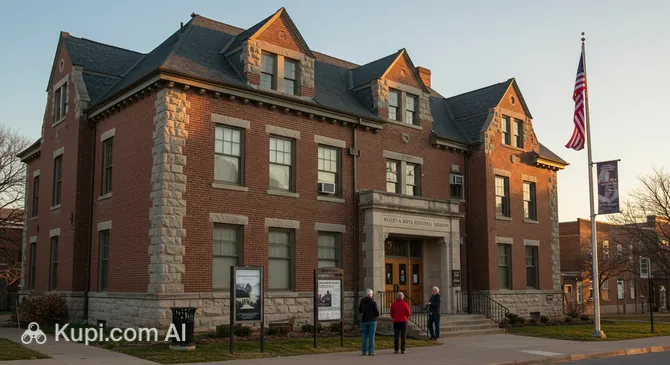
Joliet Area Historical Museum
Joliet Area Historical Museum. Иллюстрация. Источник: Kupi.com AI

The museum's primary mission is to preserve and showcase the industrial heritage and diverse culture of Will County. Situated on the famous Route 66, the museum serves as a gateway to the region's history, telling the stories of its people, technical achievements, and unique path of development. Here, history ceases to be dull, turning into a fascinating journey through the decades.

Today, it is a private non-profit organization created through the collaborative efforts of city authorities, the historical society, and local activists. The museum offers a deep dive into the atmosphere of classic America, focusing on the significant events that shaped the modern face of Joliet.

Contacts

To plan your visit to the Joliet Area Historical Museum, you can use the following contact information. The museum always welcomes guests and is ready to provide up-to-date information about exhibitions and special events by phone or through the official website.

How to contactContact
Address204 N Ottawa St, Joliet, IL 60432, USA
Phone+1 815-723-5201
Websitewww.jolietmuseum.org

What to Do

Inside the museum, you will find interactive exhibits that make history accessible and easy to understand. You can see detailed full-scale models and use touchscreens to learn more about the region's key events. Be sure to visit the Route 66 Experience—a permanent exhibition dedicated to the "Mother Road," featuring unique materials from the golden age of American travel.

Science and space enthusiasts will enjoy the exhibit dedicated to John C. Houbolt. This Joliet native played a crucial role in the success of NASA's Apollo program by developing the concept of lunar orbit rendezvous. Learning how a local genius helped humanity reach the Moon is a truly thrilling experience.

Additionally, the museum operates several external sites. You can book a tour of the Old Joliet Prison or stop by the Railroad Museum, located in a restored 1913 signal tower. This variety of locations allows for a rich itinerary covering diverse aspects of history—from the industrial boom to space achievements.

Getting There

The Joliet Area Historical Museum is located at 204 N. Ottawa Street, right at the intersection of busy Cass and Ottawa streets. Its central location makes the museum easily accessible for those traveling along the legendary Route 66, as it sits on one of its historic alignment routes.

If you are planning to travel by car, you will easily find your way via the city's main roads, and for navigation, you can use the exact coordinates: 41.5282912, -88.0827468. Parking is available in the vicinity, which is convenient for independent travelers.

For those who prefer public transport, Joliet has bus routes connecting various parts of the city with its historic center. You can also always use taxi services or popular rideshare apps, which will take you directly to the museum's main entrance from any train station or from the city center.

Ближайший город: Joliet

History & Facts

The building that houses the collection today is an architectural landmark in its own right. The former Ottawa Street Methodist Church was built in 1909, designed by the renowned architect Julian Barnes. In the late 20th century, the city authorities purchased the building to save this magnificent example of architecture from destruction, giving it a new life as a museum in 2002.

The museum carefully preserves the memory of the people who built the region. Special attention is paid to the stories of immigrants whose labor and culture shaped the industrial landscape of Will County. These chronicles allow for a deeper understanding of how the Midwest developed and the significance of the city's industrial potential in that process.

Interestingly, since 2018, the museum has also managed another iconic site—the Old Joliet Prison. This landmark, which has achieved National Historic Site status, underwent a massive restoration. Furthermore, in 2024, the museum's collection was joined by the legendary Gemini Giant statue, highlighting the organization's commitment to preserving even the most unusual symbols of Route 66 cultural heritage.

Time Needed

Visitors usually need about 1.5–2 hours to explore the main exhibits of the Joliet Area Historical Museum. This is plenty of time to leisurely view the interactive displays, learn about the history of Route 66, and examine the full-scale models.

If you plan to supplement your visit with a trip to other sites managed by the museum, such as the famous Old Joliet Prison or the Railroad Museum, it is worth setting aside a full day. Each of these locations offers a unique perspective on the region's history and deserves individual attention.

Working Hours

The Joliet Area Historical Museum is open daily to welcome visitors. You can plan your visit for any day of the week that suits you, as the operating schedule remains consistent.

The museum is open Monday through Sunday from 10:00 AM to 4:00 PM. Please note that admission ends shortly before closing, so it is best to arrive early to see all the exhibits at a relaxed pace.

10:00 – 16:00

Nearby

A stroll around the Joliet Area Historical Museum is a great way to further immerse yourself in the city's atmosphere and see its iconic landmarks. Exploring downtown Joliet will allow you to discover interesting art installations and architectural monuments, all within walking distance of each other.

NameDistance
Chicago Street Pub0.3 km
Route 66 Park1.6 km
Home Cut Donuts1.7 km
Old Joliet Prison2.1 km
West Park2.9 km
Merichka's Restaurant3 km
Longshots3.2 km

Reached the end of the page?

That means the route is fully explored