Support

Kapaa

About

Situated on the scenic eastern shore of the island of Kauai, Kapaa is a delightful destination known for its relaxed atmosphere and stunning coastal views. As a vibrant community within the United States, this charming town offers a perfect blend of authentic island culture, lush landscapes, and modern conveniences, making it a favorite stop for travelers exploring the Hawaiian archipelago.

Kapaa is affectionately known as the heart of the "Coconut Coast" due to the abundance of coconut palms lining its shores. With a population of approximately 11,500 residents, it stands as the most populous town on Kauai, yet it retains a cozy, small-town feel. The local climate is pleasantly tropical, characterized by warm temperatures and refreshing trade winds that invite visitors to enjoy the outdoors year-round.

The town's character is deeply influenced by its past. Those interested in the history of Kapaa will find a rich heritage rooted in the sugar plantation era, which is still reflected in the architecture of the eclectic Old Kapaa Town. Today, the wooden storefronts that once served plantation workers now house diverse boutiques, art galleries, and local eateries.
Kapaa. Source: Kupi.Binoculars

Travelers flock to Kapaa to experience its unique attractions, such as the famous Ke Ala Hele Makalae, a scenic multi-use path that runs along the coast and offers breathtaking ocean vistas for cyclists and walkers. Nature enthusiasts often use the town as a base to hike the nearby Sleeping Giant (Nounou Mountain) trail, which provides panoramic views of the coastline. Additionally, the town is a culinary hotspot, offering everything from fresh poke bowls to farm-to-table dining experiences.

Whether you are looking to shop for unique Hawaiian souvenirs, enjoy a sunrise over the Pacific, or simply immerse yourself in the "Aloha spirit," Kapaa is an excellent choice. It serves as a convenient and captivating central hub for your Kauai adventure, promising memories that will last a lifetime.
Weather Overview

Kapaa enjoys a warm, tropical climate that makes it a pleasant destination at any time of year, with consistent temperatures and lush surroundings fueled by regular rainfall. The weather here is characterized by its stability, avoiding extreme fluctuations between seasons. For travelers planning their trip, checking the detailed weather in Kapaa can help in packing the right gear for this humid environment.

The temperature remains comfortable year-round, typically fluctuating between an average of 21.2°C in the cooler month of February and rising to around 25.2°C in September. Daily highs often reach up to 27°C during the warmest periods, while the nights stay mild, rarely dropping below 19.6°C. This consistent warmth is perfect for enjoying the beaches and trails, provided you are prepared for the elements.

Rainfall is a significant part of the climate on the "Coconut Coast," contributing to its vibrant greenery. The data indicates that precipitation is frequent, with the number of wet days ranging from 13 in January to as many as 23 in July. Expect warm, humid days throughout the year with frequent intervals of rain, which often pass quickly to reveal the sun.

Interesting Facts

Beyond its sun-drenched shores and vibrant streets, Kapaa holds fascinating stories and secrets that often escape the casual observer's eye. From Hollywood cameos to ancient legends, the town's history is as colorful as its landscape.

  • Cinema fans might be surprised to learn that the town played a key role in the original Jurassic Park movie. The waterfront area along Kuhio Highway was transformed into the outdoor café set for "San Jose, Costa Rica," where the character Dennis Nedry famously met with a contact to plot smuggling dinosaur embryos.

  • The iconic Nounou Mountain ridge, known as the Sleeping Giant, is steeped in local folklore. Legend has it that a friendly giant named Puni fell into an eternal slumber here after villagers tricked him into eating a massive feast of fish and poi that was secretly weighed down with rocks to satisfy his insatiable appetite.

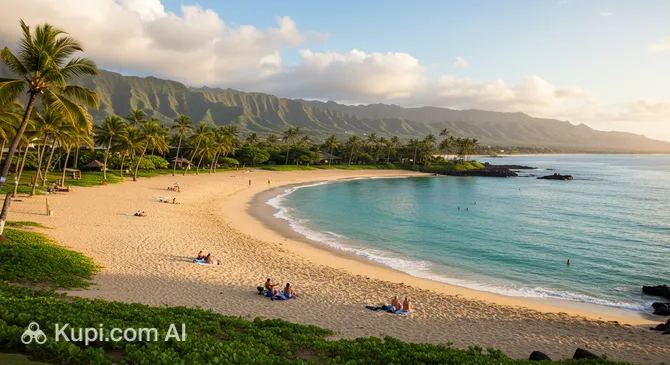
  • Visitors to Keālia Beach can still spot the concrete ruins of an old jetty at the northern end, a remnant of the plantation era when the beach served as a landing for steamers transporting sugar. The area's name, translating to "salt bed," recalls an even older history when ancient Hawaiians gathered salt on the natural flats found here.

  • The region's famous nickname, the "Coconut Coast," is not entirely a product of wild nature. The thousands of coconut palms that define the landscape were originally planted in the early 20th century for a commercial copra (dried coconut meat) plantation that never became profitable, leaving behind the scenic grove that remains today.

Keālia Beach. Source: Kupi.Binoculars

How to Get There

Reaching the scenic shores of the "Coconut Coast" is an exciting part of the journey. While the island of Kauai is secluded in the Pacific, it is well-connected by air, making travel relatively smooth for visitors. For a complete overview of travel options, including driving directions and local tips, you can view all ways to reach the city on our detailed page.

The primary gateway for travelers is Lihue Airport (LIH), which is conveniently located approximately 13 km from the center of Kapaa. This regional hub handles a significant volume of flights from the mainland United States and inter-island connections. Upon arrival at Lihue Airport, visitors can easily rent a car or take a taxi to their accommodation. The drive typically takes around 40 minutes, allowing you to quickly immerse yourself in the island's tropical atmosphere.

For many international travelers, the journey often involves a stopover at Honolulu International Airport (HNL) in the city of Honolulu, located about 168 km from Kapaa on the neighboring island of Oahu. As a major Pacific hub, Honolulu International Airport receives flights from all over the world. From there, a short inter-island flight is required to reach Kauai. While direct ground transport is not possible between the islands, the air connection is frequent and efficient.

For clarity, here is a summary of the main airports facilitating travel to the region:

Airport Name City Passenger Traffic Km from City
Honolulu International Airport Honolulu Large 168.1
Lihue Airport Kapaa Medium 13.2
Molokai Airport Hoolehua Small 253.1
Lanai Airport Lanai City Small 285.5

Main Attractions

Kapaa offers a diverse array of attractions that range from stunning natural landscapes to renowned culinary spots and relaxing resorts. Visitors to the "Coconut Coast" will find plenty of opportunities to explore the outdoors, indulge in local flavors, and unwind in style. Below are some of the top places to visit during your stay.

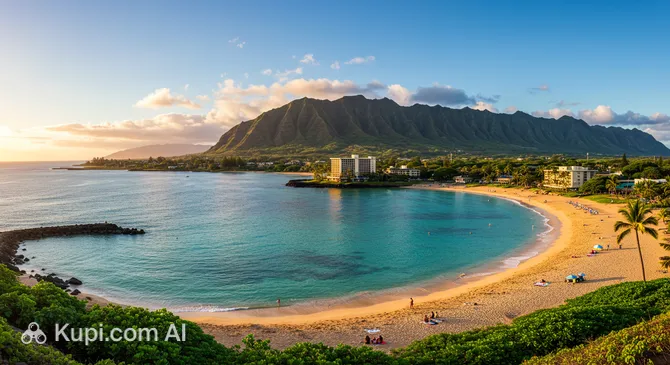
One of the most popular destinations for outdoor enthusiasts is Keālia Beach. This expansive stretch of golden sand is famous for its consistent waves, making it a favorite spot for surfers and bodyboarders. The beach is also a key highlight along the scenic coastal multi-use path, inviting walkers and cyclists to enjoy the ocean breeze. In the winter months, it serves as an excellent vantage point for spotting migrating whales breaching offshore, adding a touch of wonder to a day by the sea.

For those seeking a unique dining experience, Tony's Catch is a must-visit culinary landmark. This celebrated food truck has gained national recognition for its exceptional seafood, particularly its fresh fish tacos and ahi tostadas. Located near the beach, it offers a casual atmosphere where visitors can savor the authentic taste of the island's harvest, prepared with local ingredients and a passion for flavor.

Tony's Catch. Source: Kupi.Binoculars

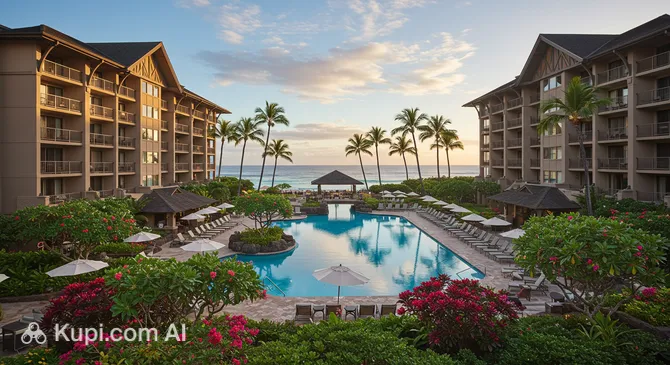
Travelers looking for luxury and leisure often spend time at the Waipouli Beach Resort. This oceanfront property is widely known for its impressive heated river pool, which winds through the grounds and features water slides and waterfalls, delighting guests of all ages. Beyond the water features, the resort offers a tranquil environment with lush gardens and direct access to the coast, making it a central hub for relaxation in Kapaa.

Waipouli Beach Resort. Source: Kupi.Binoculars

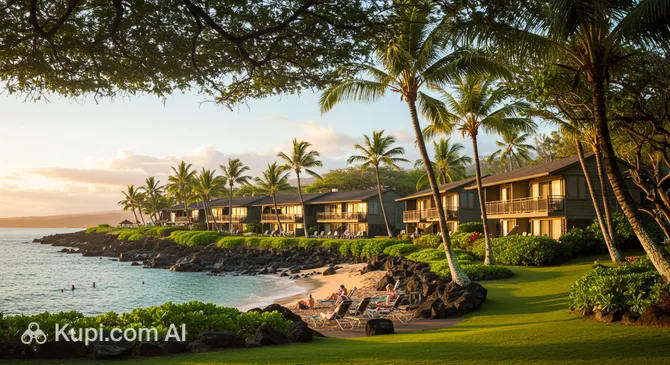
Another significant establishment in the area is the Pono Kai Resort, which sits on 12 acres of beautifully landscaped grounds. Historic and charming, this resort features a peaceful koi pond, tennis courts, and a putting green, all situated within walking distance of Kapaa town's eclectic shops and restaurants. Its location makes it a convenient and picturesque base for exploring the rich culture and history of the eastern shore.

Pono Kai Resort. Source: Kupi.Binoculars

Local Cuisine

The culinary landscape of Kapaa is a vibrant reflection of Kauai's cultural diversity, offering a delicious mix of traditional Hawaiian flavors, Asian influences, and fresh farm-to-table ingredients. Food lovers visiting the "Coconut Coast" will find everything from roadside fruit stands to upscale dining, but the true heart of the local food scene lies in its accessibility and freshness. Seafood is a standout here, with fish often caught just hours before arriving on your plate.

One dish that every visitor must try is poke. This quintessential Hawaiian appetizer consists of cubed raw fish, typically ahi (tuna), marinated in soy sauce, sesame oil, sea salt, and other seasonings. Another local favorite is the hearty plate lunch, a comfort food staple that usually features two scoops of white rice, a scoop of macaroni salad, and a generous portion of protein like Kalua pork (slow-roasted pig) or chicken katsu. For dessert, nothing beats a refreshing shave ice, a treat made of finely shaved ice topped with colorful tropical syrups and often served over a scoop of vanilla ice cream.

When it comes to beverages, Kapaa offers plenty of ways to stay refreshed. Coffee enthusiasts should sample Kauai-grown coffee, as the island is home to the largest coffee plantation in the United States. The rich volcanic soil produces a smooth, mild bean that is perfect for a morning boost. For something stronger, the Mai Tai is the signature cocktail of the islands, blending rum, curaçao, orgeat syrup, and lime juice into a tropical delight. Non-alcoholic options abound as well, with fresh coconut water and smoothies made from local pineapple, mango, and passion fruit available on nearly every corner.

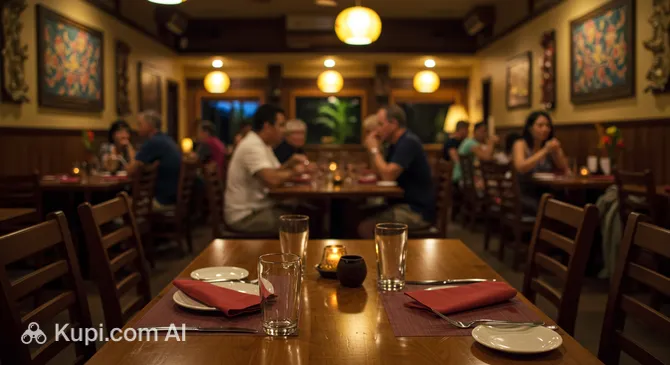
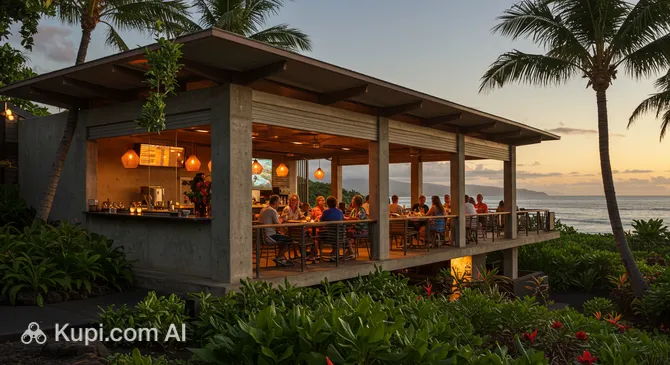
The food culture in Kapaa is notably relaxed and community-oriented, with a strong emphasis on outdoor dining. The town is famous for its thriving food truck scene, particularly along the northern end of town, where clusters of trucks serve gourmet dishes ranging from fish tacos to garlic shrimp. These mobile eateries offer a casual way to taste high-quality local cuisine without the need for reservations. For those seeking a sit-down venue with a lively bar atmosphere and a variety of grilled specialties, Lemongrass Grill is a welcoming spot to enjoy an evening meal and soak in the local vibe.

Lemongrass Grill. Source: Kupi.Binoculars

Travel Tips

Welcome to Kapaa, where the relaxed island vibe meets the vibrant energy of the "Coconut Coast." To ensure your visit is as smooth as the trade winds, here is a collection of practical advice designed to help you navigate the local lifestyle with ease.

  1. Clothing and Gear: Embrace the tropical climate with lightweight, breathable fabrics like cotton or linen. Since Kapaa experiences frequent, brief showers, packing a light rain jacket or poncho is essential. Comfortable walking shoes are a must for exploring trails like the Sleeping Giant, while slip-on sandals are perfect for the beach. Don't forget reef-safe sunscreen to protect both your skin and the delicate marine ecosystem.
  2. Transportation: While there is a public bus system (The Kauai Bus), it has limited schedules and routes. For the most freedom to explore Kapaa and the rest of Kauai, renting a car is highly recommended. Be aware that traffic through Kapaa town can be heavy, especially during rush hours; locals often refer to this congestion as the "Kapaa Crawl," so plan accordingly.
  3. Finances: The official currency is the United States Dollar (USD). Credit and debit cards are widely accepted at most restaurants and shops. However, it is wise to carry some cash for local food trucks, fruit stands, and farmers' markets where card machines might not be available. ATMs are easily found throughout the town. Tipping 15-20% is standard practice for service in restaurants and taxis.
  4. Health and Safety: Kapaa is generally very safe, but it is important to respect the ocean; always check conditions before swimming and look for posted warning signs regarding currents. Pharmacies and urgent care facilities are available in town for minor medical needs. The sun here is stronger than it feels due to the breeze, so stay hydrated and reapply sun protection often.
  5. Communication: English is the primary language spoken by everyone. However, you will hear many Hawaiian words used in daily conversation. Learning a few key phrases like "Aloha" (hello/goodbye/love) and "Mahalo" (thank you) will be warmly received by residents. Wi-Fi is standard in most cafes and hotels, and major US mobile carriers have good coverage in the town center.
  6. Local Etiquette: The "Aloha Spirit" is real here; friendliness and patience are highly valued. When driving, it is customary to let others merge with a friendly wave. Another important custom is to remove your shoes before entering someone's home and often before entering vacation rentals or condos. It keeps the living space clean and shows respect.
  7. What to Avoid: Do not honk your car horn unless it is an absolute emergency. In many places on the mainland, a quick honk is normal, but here it is considered aggressive and rude. Also, never touch or disturb marine wildlife such as sea turtles (honu) or monk seals resting on the beach; maintain a respectful distance of at least 3 meters (10 feet) or more as required by law.
  8. Additional Tip: Hawaii has strict laws regarding plastic bags to protect the environment. Most stores do not provide them, so bring your own reusable shopping bags or be prepared to purchase paper ones. This is especially handy if you plan to visit the local grocery stores to stock up on snacks for your adventures.

By keeping these tips in mind, you will be well-prepared to enjoy everything Kapaa has to offer, from its culinary delights to its scenic trails. Relax, slow down to "island time," and let the unique charm of this coastal town create an unforgettable travel experience.

Entertainment & Nightlife

Entertainment in Kapaa reflects the town's laid-back, tropical spirit. Unlike the high-energy nightlife found in large metropolitan cities, the evening scene here is defined by "pau hana" (after-work) relaxation, live acoustic music, and open-air dining under the stars. The nightlife is centered primarily around Old Kapaa Town and the resorts along the coast, where visitors can enjoy a refreshing cocktail while listening to the sounds of the ocean or a local ukulele player.

For those looking to unwind after a day in the sun, the town offers several welcoming spots to enjoy a drink and socialize. Lemongrass Grill is a popular choice, categorized as a bar and grill that provides a lively atmosphere perfect for mingling with locals and fellow travelers. It is an excellent venue to experience the friendly "Aloha" vibe while sipping on tropical beverages. Another great way to spend the evening is by visiting the Waipouli Beach Resort. This oceanfront property often features entertainment options within its grounds, offering a more upscale setting where you can enjoy a sunset drink with a view of the Pacific.

Food is an integral part of the night out in Kapaa, and many evenings begin with a hearty meal. Tony's Catch is a fantastic spot to kick off your night with fresh seafood before heading out for drinks. The dress code throughout the town is universally casual; shorts, sandals, and Aloha shirts are the standard attire, even in the evening. Most venues close relatively early compared to mainland standards, with many bars and restaurants winding down between 9:00 PM and 10:00 PM, though some may stay open a bit longer on weekends.

When it comes to logistics, safety and transport are straightforward but require planning. The area is generally safe for walking, particularly along the main corridors of Old Kapaa Town which are well-lit and bustling with pedestrians in the early evening. However, as the night progresses, it is advisable to stick to populated areas. Public transport is limited at night, so it is highly recommended to arrange a taxi or use a rideshare app if you plan on drinking. Be aware that wait times for rides can be longer late at night, so patience is key.

While the nightlife is subdued, daytime entertainment in Kapaa is vibrant and nature-focused. The town does not host large amusement parks or major museums, but it offers a rich cultural experience through its numerous art galleries and boutique shops in the historic town center. Visitors can spend hours browsing local crafts, jewelry, and art. For a more active form of entertainment, the multi-use coastal path provides a scenic route for cycling and walking, serving as the town's main recreational artery during the day.

Parks & Museums

Kapaa is a destination where natural beauty and cultural heritage intertwine seamlessly, offering visitors a chance to explore lush landscapes and a vibrant artistic community. While the town does not host large-scale national museums, its rich history is preserved in its plantation-era architecture, and its green spaces are among the most accessible and picturesque on the island of Kauai.

For those seeking outdoor recreation, Kapaa Beach Park serves as a central gathering place for both locals and tourists. Located in the heart of the town, this park offers expansive grassy areas perfect for picnics and provides direct access to the coastal multi-use path. Although the ocean conditions here can be rocky and less suitable for swimming, it is an exceptional spot for watching the sunrise or enjoying a leisurely stroll along the water's edge. Just to the north lies Keālia Beach, a stunning stretch of white sand that is widely appreciated for its consistent surf and whale-watching opportunities during the winter months.

Inland from the coast, the Sleeping Giant (Nounou Mountain) offers one of the area's most rewarding hiking experiences. The trail winds through lush forests of strawberry guava and ironwood trees, eventually leading to a summit that provides panoramic views of the entire eastern coastline. The mountain itself is the subject of local legends, said to be a giant who overate and fell into an eternal slumber, adding a layer of folklore to the scenic trek.

Culturally, Kapaa functions as a "living museum" where the spirit of the sugar plantation era is still palpable. The Old Kapaa Town district is lined with historic wooden storefronts that have been preserved and repurposed into charming boutiques and eateries. A stroll through these streets offers a glimpse into the town's architectural past, with colorful facades that date back to the early 20th century. For a deeper dive into local creativity, visitors can explore the numerous small galleries and shops scattered throughout the town, which showcase works by resident artists ranging from traditional paintings to handmade jewelry.

One of the specific historical landmarks worth noting is the Japanese Stone Lantern located within Kapaa Beach Park. Erected in 1915 to commemorate the coronation of the Taisho Emperor of Japan, this monument stands as a testament to the significant influence of Japanese immigrants on the town's development and culture. It remains a quiet symbol of peace and history amidst the bustling park activity.

For an authentic local experience, try to visit during the First Saturday Art Walk, a monthly event where the town comes alive with live music, street food, and late-night shopping. An insider tip for families or those seeking a tranquil dip is to find Fuji Beach, often called "Baby Beach," located at the southern end of the coast; its protected reef creates a calm, shallow pool that is vastly different from the rougher waves found elsewhere along the Coconut Coast.

Getting Around

Navigating Kapaa is relatively straightforward, though the options differ significantly from those found in large metropolitan hubs. The town does not have a metro, tram, or train system. Instead, the primary form of public transportation is The Kauai Bus, a county-run service that connects the various communities along the coast. For visitors staying within the town, this can be a budget-friendly way to get around, with stops conveniently located along the main Kuhio Highway that runs through the center of Kapaa.

However, there is a crucial limitation for travelers to keep in mind: the buses have strict luggage restrictions. Large suitcases are generally not permitted, and passengers are only allowed to bring items that fit on their lap or under the seat. This makes the bus unsuitable for airport transfers if you are traveling with standard vacation luggage. The service typically operates daily, but frequencies can be limited, often running once an hour, so planning your day around the schedule is essential.

Regarding payment, the system is simple and traditional. Fares are paid in cash upon boarding, and drivers cannot provide change, so it is important to have the exact amount ready. One-way tickets and daily passes are available at very affordable rates, usually just a few dollars. While there are no complex travel cards or digital tapping systems, the low cost makes it an accessible option for light day trips to nearby beaches or neighboring towns like Hanalei and Lihue.

Because of the limited public transit schedule, most visitors opt for rental cars to explore the area with maximum flexibility. Taxis and rideshare apps are also available, though wait times can vary, especially during peak hours or late at night. For shorter distances, the town is incredibly pedestrian-friendly, particularly in the historic Old Town area where shops and restaurants are clustered together, allowing you to walk easily between attractions.

A unique and highly popular alternative in Kapaa is bicycling. The town is home to the famous Ke Ala Hele Makalae, a scenic multi-use coastal path that stretches for miles along the ocean. Many tourists rent bikes to travel between resorts, beaches, and the town center while enjoying breathtaking views. This path essentially functions as a "bicycle highway" for the eastern shore, offering a relaxing, traffic-free, and scenic way to navigate the coastline.

Accommodation

Finding the perfect place to stay in Kapaa is easy, as the town offers a diverse range of accommodations that cater to various tastes and budgets. Unlike the secluded luxury enclaves found elsewhere on Kauai, the lodging scene here is integrated into the community, providing a convenient and central base for exploring the entire island. Visitors can choose from oceanfront resorts, charming plantation-style cottages, and a wide selection of condominiums that line the scenic "Coconut Coast."

The area is particularly famous for its abundance of vacation rentals and condo-hotels. These options are ideal for families or travelers planning longer stays, as they often feature full kitchens, separate living areas, and private lanais. This style of accommodation allows guests to live like locals, enjoying the freedom to cook meals with fresh produce from the nearby farmers' markets while still enjoying resort-like amenities such as swimming pools and barbecue areas.

For those seeking a full-service experience with a touch of luxury, the Waipouli Beach Resort is a top recommendation. Situated directly on the shoreline, this property is distinguished by its high-end residential suites and beautifully landscaped grounds. It is a favorite among visitors for its extensive fantasy pool area, which includes a lazy river and waterfalls, offering a fun and relaxing environment right at the water's edge. The resort also provides easy access to on-site dining and spa services, making it a comprehensive retreat.

Another excellent option that reflects the town's historic charm is the Pono Kai Resort. Located on 12 acres of beachfront property, this resort is within comfortable walking distance of the eclectic shops and restaurants of Old Kapaa Town. Guests here appreciate the sense of community and the wide array of recreational facilities, including tennis courts, a putting green, and peaceful gardens. Its central location makes it a practical choice for those who want to explore the town on foot or by bike.

While Kapaa generally leans towards mid-range and condo-style lodgings, budget-conscious travelers can also find smaller inns and hostels that offer a friendly, communal atmosphere. These establishments are often located near the beach or the multi-use coastal path, providing affordable access to the area's natural beauty. Regardless of where you choose to stay, it is advisable to book well in advance, especially during peak seasons, and to check if your unit includes air conditioning, as the trade winds are the primary cooling method in many older buildings.

Nearby Cities

For those looking to explore the surroundings, Kapaa serves as an excellent base for day trips to several interesting nearby locations:

Hanalei is a picturesque town located on Kauai's North Shore, famous for its breathtaking crescent-shaped bay and lush green taro fields. A drive here offers stunning views of the mountains and waterfalls, and the town itself is filled with historic buildings, art galleries, and surf shops. It is the perfect spot for a relaxing day of swimming, dining, and soaking in the dramatic natural beauty of the island.

Lihue, the commercial and government center of the island, is situated just a short drive south of Kapaa. While it is the island's busiest town, it offers cultural attractions such as the Kauai Museum, which details the history of the region. Visitors can also enjoy Kalapaki Beach, a calm harbor ideal for stand-up paddleboarding, or explore the historic Kilohana Plantation estate nearby.

Koloa and the adjacent resort area of Poipu on the South Shore provide a sunny contrast to the lushness of the east and north. Old Koloa Town retains its charm from the sugar plantation era with rustic storefronts and the "History Center." Just a few miles away, Poipu Beach is renowned for its golden sands, excellent snorkeling, and frequent sightings of Hawaiian monk seals basking on the shore.

City Population Distance (km)
Pearl City 45941 160
Waipahu 39927 158
Ewa Gentry 28125 158
Mililani Town 27974 153
Kapolei 23248 154

These nearby destinations offer a glimpse into the diverse culture and landscapes of the region.

Shopping & Souvenirs

Shopping in Kapaa offers a delightful departure from the hustle of large commercial centers, inviting visitors to enjoy a more relaxed and authentic experience. The town is characterized by its eclectic mix of independent boutiques, surf shops, and art galleries, rather than sprawling mega-malls. Here, the focus is on locally made goods, unique island craftsmanship, and the friendly "Aloha" service that defines the community.

The primary destination for retail therapy is Old Kapaa Town, a walkable district located along the Kuhio Highway. This historic area is famous for its charming plantation-era wooden storefronts that have been preserved and converted into vibrant businesses. Visitors can stroll down the street to browse through racks of vintage Aloha shirts, discover handmade jewelry, or explore shops dedicated to fine art and tropical home décor. It is the perfect place to find one-of-a-kind items while soaking in the town's nostalgic atmosphere.

For a more concentrated collection of stores, the Coconut Marketplace is the area's premier open-air shopping center. Set within a lush garden environment, it features a variety of specialty shops selling everything from clothing and gifts to island art. It also frequently hosts free hula shows and live music, turning a shopping trip into a cultural experience. Nearby, the Waipouli Town Center provides a more practical shopping venue, housing major grocery stores, a pharmacy, and other essential services for travelers stocking up on supplies.

Markets play a significant role in the local lifestyle, and the Kapaa Farmers Market is a highlight for many visitors. Typically held on Wednesday afternoons, this bustling market is the best place to find fresh, locally grown tropical fruits like papaya, mango, and rambutan, as well as flowers and homemade treats. It is a vibrant gathering spot where you can meet local growers and artisans, offering a genuine taste of the island's bounty beyond just standard souvenirs.

When searching for the perfect keepsake to bring home, Kapaa offers plenty of distinct options. Niihau shell jewelry is a prized and rare souvenir specific to the region, crafted from tiny shells found on the neighboring forbidden island of Niihau. Other popular items include Kauai-grown coffee, macadamia nuts, hand-carved wooden bowls, and Hawaiian quilts. Art lovers will also appreciate the prints and paintings created by local artists that capture the stunning landscapes of the Coconut Coast.

Store hours in Kapaa generally follow "island time," meaning they may be shorter than what visitors are used to on the mainland. Most boutiques and independent shops open around 10:00 AM and close by 6:00 PM or 7:00 PM, though some larger centers and grocery stores stay open later. Credit and debit cards are widely accepted throughout the town, but it is always useful to carry some cash, particularly for small purchases at farmers markets or roadside stands.

Tourists should be aware that the United States does not have a Value Added Tax (VAT) refund system for international visitors. In Hawaii, a General Excise Tax (GET) is applied to most goods and services. This tax is collected at the point of sale and is not refundable upon departure, so the price you see on the shelf will have a small percentage added at the register.

Reached the end of the page?

That means the route is fully explored