Support

Wahiawa

About

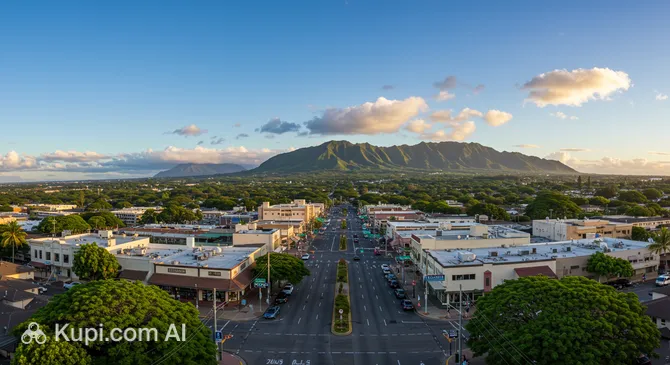
Nestled in the central plateau of Oahu, Wahiawa offers a refreshing contrast to the island's bustling coastal resorts. This unique community in the United States is known for its cooler climate and lush, green surroundings, earning it a distinct place in the geography of Hawaii. Situated between the Waianae and Koolau mountain ranges, the city is surrounded on three sides by Lake Wilson, providing scenic waterfront views that are quite different from the typical beach landscape.

With a population of approximately 17,000 residents, the town maintains a close-knit atmosphere. It serves as a vital link between Honolulu and the North Shore, sitting at an elevation that keeps the air fresh and breezy. The area has a rich past deeply connected to the pineapple industry and military presence. Visitors interested in the local heritage can delve deeper into the history of Wahiawa to understand its evolution from agricultural lands to a vibrant residential hub.

Wahiawa. Source: Kupi.Binoculars

Travelers are often drawn to the city's natural beauty and unique attractions. The Wahiawa Botanical Garden is a "tropical jewel" located right in the town center, offering a peaceful retreat filled with exotic plants and towering trees. Just a short drive away lies the famous Dole Plantation, a major landmark where visitors can explore a giant pineapple garden maze. Additionally, the nearby Kukaniloko Birthstones State Monument offers a glimpse into ancient Hawaiian culture as a sacred royal birth site.

Whether you are looking to escape the heat of the coast or simply want to explore the "green heart" of Oahu, Wahiawa is a destination worth discovering. Its blend of small-town charm, historical significance, and botanical wonders makes it an inviting stop for any itinerary.

Weather Overview

Visiting this part of Oahu guarantees a generally warm and stable climate. The weather in Wahiawa is characterized by modest fluctuations, providing comfortable conditions for travelers throughout the year. Average temperatures typically range from around 22°C in the winter months to approximately 26°C in late summer, ensuring it never gets too cold or oppressively hot.

Precipitation is present but manageable, often occurring as passing showers rather than prolonged downpours. Based on historical trends, the spring month of April tends to see the most frequent rainfall with about 12 wet days, whereas September is usually the driest period with just 4 wet days. Overall, visitors can expect warm temperatures year-round with occasional intervals of rain that keep the surrounding landscape lush and vibrant.

Interesting Facts

Beyond the main attractions, Wahiawa holds many fascinating secrets that offer a deeper glimpse into its unique character. This central Oahu town is defined by more than just its agricultural roots, featuring distinct geographical and cultural quirks known mostly to locals.
  • Freshwater Fishing Capital: While Hawaii is world-renowned for its ocean activities, Wahiawa offers a completely different experience. Lake Wilson (Wahiawa Reservoir) is one of the few places in the state—and the only public reservoir—where you can fish for peacock bass (tucunare), a prized catch typically found in the Amazon.

  • The Healing Stones: The town is home to the legendary Healing Stones of Wahiawa, a site steeped in Hawaiian folklore. These large stones are believed to possess powerful mana (spiritual energy) and have been historically visited by those seeking relief from physical ailments.

  • An Inland Peninsula: Geographically, the city has a surprising layout for an inland community. It is surrounded on three sides by the waters of the reservoir, effectively making the town a peninsula. This creates a distinct boundary that separates it from the surrounding agricultural fields.

  • Experimental Origins: The lush Wahiawa Botanical Garden did not start as a public park. It was originally established in the 1920s by the Hawaiian Sugar Planters' Association as an experimental arboretum to test which tree species would thrive in the cooler upland climate for reforestation purposes.

How to Get There

Reaching the central plateau of Oahu is relatively straightforward, primarily involving a short drive from the island's main transport hubs. Whether you are arriving from the mainland or hopping over from a neighboring island, the journey offers scenic views as you ascend towards the town. For detailed instructions and route planning, you can read more about how to get to Wahiawa in our dedicated guide.

The most convenient and common entry point is Honolulu International Airport (IATA: HNL), located in the city of Honolulu. It serves as the principal aviation gateway to Hawaii and is situated approximately 21.9 km from Wahiawa. As a large international hub, it offers extensive connections and services. From the airport, a taxi or rental car ride typically takes around 25 to 35 minutes under normal driving conditions, though travel times can increase during peak traffic hours along the H-2 freeway.

For travelers exploring the broader archipelago, other regional airports like Molokai Airport (IATA: MKK) in Hoolehua or Lihue Airport (IATA: LIH) in Kapaa serve as key departure points. Although these airports are geographically close—roughly 104 km and 146 km away respectively—they are located on separate islands. Consequently, visitors starting from these locations must first take a short inter-island flight to Honolulu before continuing their journey to Wahiawa by road.

For clarity, here is a summary of the main airports:

Airport Name City Passenger Traffic Km from City
Honolulu International Airport Honolulu Large 21.9
Lihue Airport Kapaa Medium 145.5
Molokai Airport Hoolehua Small 104.0
Kapalua Airport Kapalua Small 152.6
Lanai Airport Lanai City Small 136.8

There is no inter-city railway service or train station directly serving Wahiawa. The town relies primarily on road transportation. Most visitors choose to rent a car to explore the area freely, but the public transport system, known as "TheBus," also provides reliable connections from Honolulu and other parts of Oahu to the central district.

Main Attractions

Dole Plantation is arguably the most famous landmark in the area and a "must-visit" for many travelers on Oahu. What started as a simple fruit stand has evolved into a sprawling attraction dedicated to the island's pineapple heritage. Visitors can ride the "Pineapple Express" train for a narrated tour of the fields, get lost in the immense Pineapple Garden Maze, or explore the educational gardens. It is particularly popular for its signature pineapple soft-serve treat, which offers a refreshing break in the tropical heat.

For a more serene experience, the Wahiawa Botanical Garden offers a lush escape right in the center of town. Spanning 27 acres, this "tropical jewel" is situated in a ravine between two residential areas, creating a cool and shaded environment. The garden is home to a diverse collection of moisture-loving plants, including ferns, blue ginger, and towering trees that thrive in the region's higher elevation. It provides a quiet, paved path for leisurely walks away from the crowds.

History enthusiasts will find deep cultural significance at the Kukaniloko Birthstones State Monument. Located just outside the city limits, this five-acre site was once a royal birth site dedicated to high-ranking ali'i (chiefs). The arrangement of large stones is believed to possess strong mana, or spiritual power, and served as a place where ancient traditions ensured the high status of newborns. It offers a solemn and educational glimpse into ancient Hawaiian governance and culture.

The Tropic Lightning Museum, located at the adjacent Schofield Barracks, is a key stop for those interested in military history. The museum preserves and displays the history of the 25th Infantry Division, which has been based in the area for decades. Through a collection of artifacts, photographs, and uniforms, visitors can learn about the division's role from its formation in 1941 through various conflicts to the present day, reflecting the deep ties between the community and the armed forces.

Local Cuisine

The culinary landscape of Wahiawa is a delightful reflection of its rich plantation history and multicultural community. Unlike the polished resort dining found elsewhere on Oahu, the food scene here is defined by authentic, "mom-and-pop" establishments and hearty comfort food. Visitors will find an unpretentious atmosphere where the focus is on flavor, tradition, and generous portions, often served in casual settings that have been local favorites for decades.

One dish that stands out in this town is saimin, Hawaii's unique noodle soup inspired by Japanese ramen, Chinese mein, and Filipino pancit. Wahiawa is home to legendary spots known for making their own noodles from scratch, serving them in a savory dashi broth topped with green onions, kamaboko (fish cake), and char siu pork. Another local staple is fire-roasted chicken. The town is famous for serving this tender, flavorful poultry with dipping sauces and rice, a meal that has become a must-try for anyone passing through the central plateau.

For seafood lovers, fresh poke is an essential experience. While poke bowls are available island-wide, the local markets in Wahiawa are renowned for offering some of the freshest and most diverse varieties of marinated raw fish, often prepared with secret family recipes. To wash it all down, try a glass of Plantation Iced Tea. This refreshing beverage, a mix of iced black tea and sweet pineapple juice, pays homage to the region's agricultural roots and is the perfect way to cool off in the afternoon.

Dining in Wahiawa is primarily a daytime affair, with many popular eateries closing by early evening. The culture revolves around the concept of the "plate lunch"—a scoop of rice, macaroni salad, and a main entree—eaten at simple roadside counters or taken to go. Travelers should also explore the local farmers' markets, where the area's cooler climate yields fresh produce that often finds its way into the kitchens of local restaurants, ensuring a farm-to-table experience that is both humble and delicious.

Travel Tips

Planning a trip to Wahiawa means preparing for a side of Oahu that is quite different from the sunny, coastal resorts of Waikiki. To help you navigate this unique central plateau town with ease, we have compiled a list of essential advice that covers everything from local customs to practical logistics.

  1. Clothing and Gear: Because Wahiawa sits at a higher elevation, it is noticeably cooler and breezier than the coast. Bring a light jacket or sweater for the evenings and early mornings. Since the area is known for its lush greenery, frequent passing showers are common, so packing a compact umbrella or rain poncho is smart. If you plan to visit the Kukaniloko Birthstones or walk through the botanical gardens, wear comfortable, closed-toe shoes that you don't mind getting a little muddy.
  2. Transportation: While Oahu has a public transit system known as TheBus, which stops in Wahiawa, renting a car is highly recommended for the most freedom. A car allows you to easily explore the surrounding pineapple fields, the North Shore, and hidden local eateries at your own pace. Ride-sharing apps are available, but wait times can be longer here than in Honolulu.
  3. Finances: The official currency is the US Dollar (USD). Major credit cards are accepted at supermarkets and larger attractions like the Dole Plantation. However, Wahiawa is famous for its small, family-run "mom-and-pop" restaurants and roadside fruit stands. Many of these local gems may prefer cash or have a minimum purchase amount for cards, so keep some small bills handy. ATMs are readily available at local banks and convenience stores.
  4. Health and Safety: Wahiawa is generally a safe community, but standard travel precautions apply. Do not leave valuables visible in your rental car, especially when parking at trailheads or scenic lookouts. For medical needs, the town is home to Wahiawa General Hospital, providing accessible emergency care. Pharmacies like Walgreens and Longs Drugs (CVS) are available for over-the-counter necessities.
  5. Communication: English is the primary language, but you will often hear Pidgin (Hawaii Creole English) spoken by locals. It is helpful to know a few common Hawaiian words: use Aloha for hello/goodbye and Mahalo for thank you. Free Wi-Fi is available in most cafes and fast-food chains, and mobile coverage is generally excellent throughout the town.
  6. Local Etiquette: The "Aloha Spirit" is real here; be patient and friendly. When driving, it is customary to let others merge; a friendly wave or a "shaka" hand sign is the polite way to say thanks. If you are invited into a local home or staying in a smaller guesthouse, always check if you should remove your shoes before entering, as this is a widespread local custom.
  7. What to Avoid: Be extremely respectful at cultural sites. Specifically, at the Kukaniloko Birthstones, do not climb, sit, or place objects on the stones, as they are sacred. Additionally, avoid trespassing on agricultural lands or military property. Wahiawa is bordered by Schofield Barracks, and entering restricted military zones without authorization is strictly prohibited.
  8. Dining Tip: If you want to try the town's famous roast chicken or visit the popular bakeries, go early. Many of the best local food spots open in the morning and close as soon as they sell out, which can happen by early afternoon. Don't wait until dinner time to seek out the local specialties.

By keeping these practical tips in mind, you will be well-equipped to enjoy the authentic charm and cooler climes of Wahiawa. Whether you are stopping by for a quick history lesson or spending the day exploring the botanical gardens, respecting the local pace and environment will ensure a memorable and hassle-free visit.

Entertainment & Nightlife

Unlike the neon-lit bustling streets of Waikiki, the nightlife in Wahiawa offers a much more subdued, local, and authentic experience. The evening scene here is defined by a "pau hana" (after work) culture, where residents and military personnel from the nearby Schofield Barracks gather to unwind. You will not find sprawling nightclubs or velvet ropes; instead, the town features cozy dive bars, neighborhood lounges, and historic pubs where the atmosphere is friendly and the dress code is strictly casual.

The main artery for evening entertainment is Kamehameha Highway and the surrounding streets, where most of the town's social life is concentrated. The crowd is a diverse mix of long-time locals and service members, creating a unique community vibe. Establishments typically open in the afternoon and may stay open until around 2:00 AM on weekends, though many places have quieter vibes during the week. Prices here are generally more affordable than in Honolulu, making it a budget-friendly option for a night out.

For a taste of local history with your drink, Kemo'o Farms Pub and Grill is the town's most iconic venue. Located on Wilikina Drive overlooking Lake Wilson, this historic establishment has been a gathering spot for decades. It is famous for its "Lakeside Lanai," where you can enjoy live music ranging from local Hawaiian bands to rock and alternative genres. The setting provides a rustic, open-air ambiance that is distinct from any other bar on the island.

If you prefer a classic local dive bar experience, venues like Top Hat Bar are staples of the community. These spots are known for their unpretentious environment, where the focus is on cold drinks, pool tables, and conversation rather than spectacle. Karaoke is also a popular pastime in Wahiawa's nightlife scene, with several local lounges offering residents a chance to sing their hearts out in a supportive and energetic atmosphere.

When planning a night out, safety and transport are important considerations. While the main commercial areas are generally safe, some side streets can be poorly lit, so it is best to stick to well-populated zones. Public transportation becomes less frequent late at night, so using a ride-sharing service like Uber or Lyft is highly recommended if you plan to stay out late. Taxis are also available but may need to be called in advance as they do not typically roam the streets looking for fares.

Parks & Museums

Wahiawa is often described as the "green heart" of Oahu, and for good reason. Its elevated location between two mountain ranges creates a cooler, wetter climate that fosters lush botanical landscapes and vibrant public spaces. While the city is small, its parks and cultural sites offer a rich blend of natural beauty and deep-rooted history, ranging from ancient royal grounds to military heritage centers.

Wahiawa Botanical Garden is the crown jewel of the city's green spaces. Unlike the manicured lawns of coastal parks, this 27-acre arboretum is a wilder, rainforest-style retreat situated in a ravine. The cooler upland temperatures allow for a collection of plants that cannot survive at sea level, including blue ginger, tree ferns, and various epiphytes. Visitors can wander through the shaded upper terrace or descend into the valley floor to walk among towering tropical trees. It is a quiet sanctuary perfect for photographers and nature lovers looking to see a different side of Hawaiian flora.

For those interested in water-based recreation and picnicking, the Wahiawa Freshwater State Recreation Area offers a distinct experience along the banks of Lake Wilson. This park is a favorite among locals for its tranquil atmosphere and is the primary access point for freshwater fishing on the island. The area features picnic tables and walking paths shaded by eucalyptus and ironwood trees. It provides a scenic spot to observe the reservoir and the surrounding forest, offering a peaceful break from the more tourist-heavy locations.

The city's cultural landscape is anchored by the Tropic Lightning Museum, located just inside the gates of Schofield Barracks. This museum is dedicated to the history of the U.S. Army's 25th Infantry Division, which has been garrisoned here since 1941. The exhibits are comprehensive, featuring everything from vintage uniforms and weaponry to large-scale artifacts like tanks and helicopters displayed on the grounds. It offers a poignant look at the military's role in the Pacific and its long-standing relationship with the Wahiawa community.

Although not a museum in the traditional sense, the Kukaniloko Birthstones State Monument serves as an open-air historical site of immense importance. This five-acre park preserves a sacred place where high-ranking Hawaiian chiefs were born for centuries. The site features a collection of large basalt stones, some marked with petroglyphs, arranged in a way that aligns with astronomical events. Informational plaques help interpret the significance of the area, allowing visitors to understand the ancient political and spiritual systems of pre-contact Hawaii.

For a mix of agriculture and education, the grounds of the Dole Plantation function as a living museum of the island's pineapple era. Beyond the famous maze, the plantation features educational gardens where visitors can see different varieties of bromeliads and learn about the lifecycle of the pineapple. The displays explain the history of James Dole and the impact of the plantation system on Hawaii's demographics and economy, making it a cultural touchstone as well as a tourist attraction.

An insider tip for visitors is to look for the Helemano Plantation located just north of town. Often bypassed by crowds heading to the North Shore, this site offers beautiful flower gardens and a glimpse into the agricultural lifestyle of the past. It is less commercial than other major stops and provides a charming setting to learn about the local crops while enjoying a quiet walk through well-tended grounds.
Getting Around

Public transportation in Wahiawa is primarily served by the island-wide bus system known as TheBus. As a central hub located between Honolulu and the North Shore, the town is well-connected by several key routes, making it relatively easy to travel to major destinations without a car. There is no metro, tram, or trolleybus network within the city itself; the bus service is the sole form of mass transit available to residents and visitors.

The most important routes for tourists are those traversing the "Circle Island" path, such as Route 52. These buses run frequently through Wahiawa, linking the town to the Ala Moana Center in Honolulu to the south and the historic town of Haleiwa to the north. The buses are modern, air-conditioned, and equipped with bicycle racks, offering a comfortable and affordable way to explore the central plateau and beyond.

To pay for rides, the system utilizes the HOLO card, a reloadable smart card that functions as an electronic fare pass. While cash is accepted on board (exact change is required), using a HOLO card is highly recommended because it offers fare capping. This means that once you spend the equivalent of a day pass amount, all subsequent rides that day are free. Cards can be purchased and reloaded at local convenience stores, such as 7-Eleven or Foodland supermarkets found within the town.

For those planning to use the bus, it is advisable to download the official "DaBus" app or use Google Maps for real-time tracking and arrival predictions. Bus stops are marked with signs, and you enter through the front door, tapping your card on the reader located near the driver. Service hours are generally extensive, starting early in the morning and running until late at night, though frequency may decrease in the late evening hours.

While public transport is reliable, many visitors find that renting a car offers the most flexibility for exploring Wahiawa's surrounding agricultural lands and trailheads. Ride-sharing services like Uber and Lyft also operate in the area, although wait times can be slightly longer than in the bustling tourist centers of Waikiki. Traditional taxis are available but typically need to be booked by phone in advance rather than hailed on the street.

It is worth noting that while Oahu has recently introduced a rail system known as Skyline, it does not currently serve Wahiawa. The train line operates in a different sector of the island, so travelers should not expect rail connections to or from this specific town. For now, the bus remains the dependable workhorse for public transit in this "green heart" of the island.

Accommodation

Finding a place to stay in Wahiawa offers a perspective of Oahu that is far removed from the bustling high-rise hotels of Waikiki. Visitors should be aware that the accommodation landscape here is quite limited and primarily residential. There are no luxury resorts or large international hotel chains within the town limits. Instead, lodging options typically consist of small, independent inns, modest guesthouses, and private vacation rentals. This area is often frequented by travelers visiting family stationed at the nearby military bases or those seeking a quiet, cooler base in the center of the island.

Most available accommodations are clustered around the town center, particularly near Kamehameha Highway and California Avenue. Staying in this area is convenient for access to local "mom-and-pop" restaurants, grocery stores, and public transportation routes. For those lucky enough to find a vacation rental on the outskirts, the areas near Lake Wilson offer a more scenic and tranquil environment, surrounded by the lush greenery that defines the central plateau.

Because the inventory of rooms is small, it is highly advisable to book well in advance. During peak travel seasons or times of military ceremonies at Schofield Barracks, the few available spots can reach capacity very quickly. In terms of cost, staying in Wahiawa is generally mid-range to budget-friendly compared to the premium prices of coastal resorts. Travelers will find that using major online booking platforms is the most effective way to secure a private rental or check the availability of local guest rooms.

Nearby Cities

For those looking to explore the surroundings, Wahiawa serves as an excellent base for day trips to several interesting nearby locations:
City Population Distance (km)
Pearl City 45941 13
Waipahu 39927 13
Ewa Gentry 28125 17
Mililani Town 27974 5
Kapolei 23248 19

Just a few kilometers south lies Mililani Town, a master-planned community that stands in contrast to the older plantation towns. Known for its well-maintained parks, golf courses, and modern shopping centers, it offers a relaxed suburban atmosphere. It is an ideal spot for visitors looking to enjoy local dining or a quiet afternoon walk in a structured, green environment without venturing too far from Wahiawa.

Located along the northern shores of the famous harbor, Pearl City is a bustling residential area rich in history. It offers sweeping views of the water and provides easy access to the Pearl Harbor National Memorial, one of the most visited sites in Hawaii. History enthusiasts will appreciate the proximity to the USS Arizona Memorial and the Battleship Missouri, making it a compelling destination for a meaningful day trip.

Further to the southwest is Kapolei, often referred to as Oahu's "Second City." This rapidly developing urban center is the hub of the leeward side, featuring major attractions like the Wet'n'Wild Hawaii water park and diverse shopping complexes. Kapolei also serves as the gateway to the Ko Olina resort area, where visitors can find pristine, man-made lagoons perfect for swimming and watching spectacular sunsets.

These nearby destinations offer a glimpse into the diverse culture and landscapes of the region.

Shopping & Souvenirs

Shopping:

Shopping in Wahiawa offers a distinct departure from the polished luxury boutiques and sprawling malls found in Honolulu. Instead of high-end fashion chains, visitors will encounter a collection of independent storefronts, vintage shops, and local markets that reflect the town’s working-class roots and diverse community. The experience here is less about glamour and more about discovering hidden gems, supporting family-owned businesses, and finding practical goods that serve the local residents and military personnel.

For travelers seeking classic souvenirs, the massive country store at the Dole Plantation is the primary destination in the area. As one of the largest gift shops on the island, it features an extensive selection of pineapple-themed merchandise, ranging from t-shirts and plush toys to island-style home decor. It is also an excellent spot to purchase edible gifts to take home, such as Waialua estate chocolate, premium Kona coffee, and fresh pineapples that are pre-packaged and certified for air travel.

The town center, particularly along Kamehameha Highway, is known for its eclectic mix of thrift stores, pawn shops, and military surplus outlets. Due to the proximity of Schofield Barracks, these shops are treasure troves for vintage enthusiasts and collectors. Browsing through these racks can yield unique aloha shirts, authentic military memorabilia, and retro collectibles that are rarely found in mainstream tourist hubs. It is a scene best suited for those who enjoy the thrill of the hunt and bargaining for one-of-a-kind items.

Visitors looking for authentic local flavors should explore the neighborhood grocery stores and small markets. These are the best places to stock up on island snacks like "crack seed" (preserved fruits), li hing mui candies, and dried seafood. Additionally, the local farmers' markets are vibrant spots to purchase fresh, locally grown produce and flowers directly from the growers, offering a taste of the region's rich agricultural heritage at affordable prices.

Reached the end of the page?

That means the route is fully explored