Support

Waimea

About

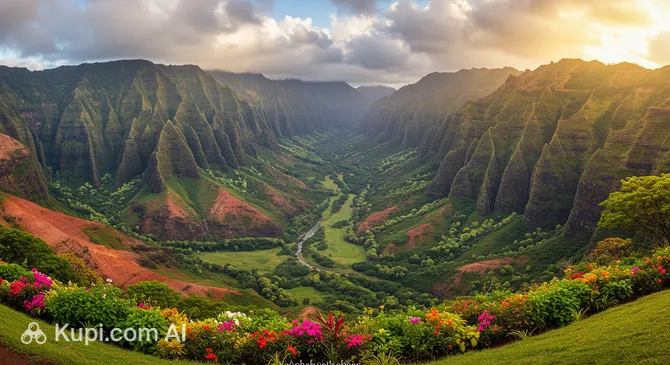
Waimea, often referred to as Kamuela, offers a refreshing departure from the typical sandy beaches associated with Hawaii. Nestled in the cool uplands of the Big Island in the United States, this charming town is the beating heart of Hawaiian cowboy country. Unlike the coastal resorts, Waimea is defined by its rolling green pastures, mist-covered hills, and a distinct upcountry atmosphere that surprises many first-time visitors.

Geographically, the town sits at an elevation of approximately 2,600 feet, which blesses it with a cooler, crisp climate compared to the shoreline. With a population of around 10,400 residents, it maintains a close-knit community feel while serving as a cultural hub for the region. The landscape here is lush and dramatic, often framed by the majestic slopes of the Mauna Kea volcano.

Waimea. Source: Kupi.Binoculars

The fascinating history of Waimea is deeply intertwined with the legacy of Parker Ranch, one of the largest and oldest cattle ranches in the country. This heritage has given rise to the vibrant paniolo (Hawaiian cowboy) culture that permeates the town, visible in its architecture, annual rodeos, and local traditions. Visitors can explore historic ranch homes or simply admire the scenic beauty of the surrounding grazing lands.

Beyond its ranching roots, Waimea is celebrated for its thriving culinary scene and bustling farmers markets, where locally grown produce takes center stage. Whether you are driving the breathtaking Kohala Mountain Road or stopping for a farm-to-table meal, Waimea invites you to experience a unique and authentic side of the islands.

Weather Overview

Waimea enjoys a unique upcountry climate that is noticeably cooler and mistier than the coastal regions of the Big Island. Due to its elevation, the town experiences moderate temperatures year-round, making it a comfortable destination for travelers who prefer to avoid intense tropical heat. The weather in Waimea is characterized by its remarkable consistency, with average monthly temperatures hovering steadily between 19°C and 23°C.

Visitors should be prepared for frequent moisture, as the area is lush and green for a reason. Expect mild days with frequent cloud cover and rain, although the showers are often light and passing. August is typically the warmest month with highs reaching around 25.4°C, while February is slightly cooler with lows dipping to approximately 16.8°C. With wet days ranging from 18 to 23 days per month, carrying a light rain jacket is recommended regardless of the season.

Interesting Facts

Beyond the main attractions, Waimea holds many fascinating secrets that reveal its unique character within the Hawaiian archipelago. From its surprising postal history to its role in global science, here are some little-known facts about this upcountry town.

  • The Name Dilemma: While locals and maps refer to the town as Waimea, the official post office name is Kamuela. This distinction was mandated to prevent mail from being confused with other towns named Waimea located on the islands of Kauai and Oahu.

  • Cowboys Before the West: The town's paniolo (cowboy) tradition actually predates the famous cowboys of the American Wild West. Mexican vaqueros arrived here in the 1830s to teach Hawaiians how to handle cattle, decades before the cowboy lifestyle became iconic in the continental United States.

  • A Tale of Two Climates: Waimea sits directly on a sharp climatic border. The town is famously divided into a "wet side" and a "dry side," meaning you can drive from misty, lush green hills to arid, cactus-dotted pastures in just a few minutes within the same town limits.

  • Hub for Astronomy: Although the world-famous telescopes are located on the summit of Mauna Kea, Waimea serves as the headquarters for major institutions like the W. M. Keck Observatory. The town acts as the nerve center for these operations, allowing astronomers to work at a safer, more breathable altitude.

How to Get There

Reaching the cool, upcountry pastures of Waimea requires a bit of planning, as the town is tucked away in the highlands of the Big Island. While the drive is scenic, visitors typically arrive via one of the coastal airports before making the ascent. For a comprehensive guide on all available transport options, you can read more about how to get to Waimea on our detailed page.

The most popular entry point for travelers heading to this region is Kona International Airport at Keahole (IATA: KOA). It is important to note that this airport is not located in Waimea itself, but in the city of Kailua-Kona, approximately 50.3 km away. This international airport serves as the primary hub for the west side of the island. The journey from the airport to Waimea involves a drive through diverse landscapes; if you are taking a taxi or shuttle, you can generally expect the trip to take between 45 and 60 minutes depending on traffic conditions.

Alternatively, visitors can fly into Hilo International Airport (IATA: ITO), which is located on the eastern side of the island in the city of Hilo. This airport is situated about 72.5 km from Waimea. Although it is further away than the Kona option, the drive via the scenic Hamakua Coast or the Saddle Road offers breathtaking views. A taxi or rental car ride from Hilo to Waimea typically takes approximately 60 to 75 minutes. While smaller than the Kona airport, Hilo handles a significant volume of inter-island and domestic traffic.

For clarity, here is a summary of the main airports in the region and neighboring islands:

Airport Name City Passenger Traffic Km from City
Kahului Airport Kahului High 125.6
Kona International Airport at Keahole Kailua-Kona High 50.3
Hilo International Airport Hilo Medium 72.5
Kapalua Airport Kapalua Small 147.9
Lanai Airport Lanai City Small 158.5

Main Attractions

Parker Ranch is undoubtedly the centerpiece of the town's heritage and a must-visit for anyone interested in the history of Hawaii. As one of the largest and oldest cattle ranches in the United States, it offers visitors a chance to step back in time. You can take self-guided tours of two historic homes, Puuopelu and Mana Hale, which are filled with heirlooms, art, and antiques that tell the story of the Parker family and the rise of the paniolo (Hawaiian cowboy) lifestyle. The expansive grounds and gardens provide a beautiful backdrop for learning about the ranch's significant impact on the island's economy and culture.

For a more intimate look at local history, the Anna Ranch Heritage Center is a beautifully preserved site listed on the National Register of Historic Places. Once the home of the remarkable Anna Lindsey Perry-Fiske, known as the "First Lady of Ranching," this attraction invites guests to tour the historic ranch house and explore the lush gardens. The guided tours offer fascinating stories about Anna’s life and the ranching legacy of the area, making it a charming stop for history buffs and garden enthusiasts alike.

Nature lovers looking for a peaceful escape should head to the Waimea Nature Park, also known locally as Ulu La'au. This community-maintained park is dedicated to preserving native Hawaiian plants and offers a serene setting for a leisurely walk. A winding trail follows the stream, providing a quiet place to enjoy the cool upcountry air and admire the local flora. It is an excellent spot for families to enjoy a picnic or for travelers to stretch their legs amidst the greenery.

Art enthusiasts will find a treasure trove at the Isaacs Art Center, located in a historic building that was once the first public school in the area. The center houses an impressive collection of Hawaiian art, including paintings, furniture, and rare books. It serves not only as a museum showcasing the artistic heritage of the islands but also features works by local artists. The building itself, with its classic architecture, is a significant part of the attraction, offering a cultural deep dive in the heart of Waimea.

Local Cuisine

The culinary landscape of Waimea is a direct reflection of its dual identity as a historic ranching town and a thriving agricultural hub. Unlike the seafood-heavy menus found at coastal resorts, the local cuisine here is defined by hearty, comfort-driven fare suited for the cooler, upcountry climate. The town is widely regarded as the birthplace of Hawaii Regional Cuisine, where the "farm-to-table" concept is not just a trend but a way of life supported by the surrounding fertile lands.

Given the area's deep ties to the cattle industry, grass-fed beef is the undisputed star of the local menu. Visitors should not miss the opportunity to try a classic Waimea burger or a steak sourced directly from the nearby pastures. The meat is celebrated for its lean texture and robust flavor, distinct from grain-finished beef. Another signature dish to look for is Hawaiian beef stew, a rich and warming meal often served with rice or poi, perfect for a misty afternoon in the highlands.

For a true taste of the local lifestyle, try the Loco Moco. While popular across the islands, this heavy dish—consisting of white rice topped with a hamburger patty, a fried egg, and brown gravy—feels particularly at home here among the cowboys and farmers. In addition to heavy meats, the region is the "salad bowl" of the Big Island. You will find incredibly fresh salads featuring Waimea-grown strawberries, tomatoes, and greens appearing on menus ranging from food trucks to fine dining establishments.

When it comes to beverages, the cool mornings call for a hot cup of Kona coffee, which is grown in the neighboring district but is a staple in Waimea's cafes. As the day winds down, the town's developing craft beer scene takes center stage. Local breweries take advantage of the fresh mountain water to produce excellent ales and lagers, making a cold pint a popular reward after a day of exploring.

The food culture in Waimea is best experienced at its vibrant farmers markets, which are legendary on the island. These markets are not just places to buy groceries; they are social events where locals and tourists mingle over breakfast plates, fresh pastries, and artisanal treats. Beyond the markets, the dining scene offers a mix of rustic, casual eateries and sophisticated restaurants that champion locally sourced ingredients, ensuring that every meal connects you to the land.

Travel Tips

Visiting Waimea offers a unique glimpse into the upcountry lifestyle of the Big Island, distinct from the sunny coastal resorts. To help you navigate this charming ranching town with ease and blend in with the locals, here are some practical tips for your journey.

  1. Clothing and Gear: Unlike the beach towns, Waimea is known for its cool, misty climate. You should definitely pack layers—a light sweater, a fleece, or a denim jacket is essential, especially for the evenings. Since rain showers are frequent (though often brief), a waterproof windbreaker is a must-have item. Comfortable closed-toe shoes or boots are better suited here than flip-flops, particularly if you plan to explore the damp pastures or visit the ranch grounds.
  2. Transportation: The most practical way to explore Waimea and its surrounding areas is by renting a car. While the Hele-On public bus system exists, schedules can be infrequent and routes limited for sightseeing purposes. Ride-hailing services like Uber or Lyft are available but can be scarce and have longer wait times compared to Kona or Hilo. Having your own vehicle gives you the freedom to drive the scenic Kohala Mountain Road or visit remote trailheads at your own pace.
  3. Finances: The currency is the US Dollar (USD). Credit and debit cards are widely accepted at restaurants, shops, and supermarkets. However, it is highly recommended to carry some cash, particularly small bills, for the local farmers markets and roadside stands where card machines might not be available. ATMs are easily accessible at local banks and shopping centers. Tipping follows standard American customs; leaving 15-20% at restaurants and tipping taxi drivers or tour guides is expected.
  4. Health and Safety: Waimea is home to the Queen’s North Hawaii Community Hospital, providing full emergency services and medical care right in town. Pharmacies are available in the main shopping centers, though they generally do not operate 24/7, so plan accordingly. The town is very safe, but when driving on rural roads at night, be vigilant for cattle, wild pigs, or donkeys crossing the road, as street lighting can be minimal outside the town center.
  5. Communication: English is the primary language spoken by everyone. You may hear locals speaking Pidgin (Hawaiian Creole English), a colorful local dialect, but standard English is used in all business interactions. Learning a few Hawaiian words like Aloha (hello/goodbye/love) and Mahalo (thank you) is a great gesture of respect. Mobile coverage is generally good within the town, but signal strength may drop significantly as you drive into the valleys or up the mountain slopes.
  6. Local Etiquette: The "Aloha Spirit" is real here; be patient and courteous. When driving, it is customary to let others merge and to wave a "shaka" (thumb and pinky out) as a thank you. If you are invited to a private home or certain vacation rentals, always remove your shoes before entering unless told otherwise. This is a deeply ingrained local custom that helps keep the red dirt outside.
  7. What to Avoid: Do not trespass on private lands. Much of the surrounding area belongs to working cattle ranches, including the massive Parker Ranch. Fences and "Kapu" (forbidden/keep out) signs should be strictly respected. Wandering into pastures can be dangerous due to livestock and is considered disrespectful to landowners.
  8. Market Days: Plan your week around the farmers markets, typically held on Saturdays and mid-week. This is not just shopping; it is the social highlight of Waimea. Arrive early (around 7:30 AM or 8:00 AM) to get the best selection of fresh produce, locally roasted coffee, and hot breakfast treats before they sell out.

By keeping these tips in mind, you will be well-prepared to enjoy the crisp air and warm hospitality of Waimea. Whether you are here for the cowboy culture or the culinary delights, a little preparation ensures your upcountry adventure is as relaxing as it is memorable.

Entertainment & Nightlife

Entertainment in Waimea reflects the town's laid-back, upcountry character. Travelers expecting pulsating nightclubs, neon-lit districts, or parties that last until sunrise will find a very different pace here. The nightlife is cozy, rustic, and centered primarily around socializing over excellent food and locally crafted drinks. The atmosphere is undeniably "paniolo" (cowboy)—relaxed, friendly, and unpretentious, where a night out often means enjoying live acoustic music at a local pub or savoring a farm-to-table dinner under the stars.

There is no specific nightlife district, as the town is relatively small. Most activity is concentrated along the main thoroughfare, Mamalahoa Highway, and near the intersection with Lindsey Road. This is where you will find the town's key dining and social spots. The crowd is a mix of local ranchers, astronomers from the nearby observatories, and visitors winding down after a day of hiking or exploring. The dress code is almost universally casual; jeans, flannel shirts, and light jackets are the norm, blending practical warmth with the local style.

For a lively evening, Big Island Brewhaus is a local institution that cannot be missed. Known for its award-winning craft beers brewed on-site and hearty Mexican-inspired menu, it often features live music from local artists. It is the perfect place to mingle with residents and get a feel for the community spirit. Another standout is Merriman’s, the flagship restaurant of chef Peter Merriman. While it is a dining venue first, its bar area offers a sophisticated yet relaxed setting for enjoying handcrafted cocktails and pupus (appetizers) in a more refined atmosphere.

Culture seekers should check the schedule for the Kahilu Theatre. As the premier performing arts venue in northern Hawaii, it hosts a diverse array of evening entertainment, ranging from Hawaiian music concerts and dance performances to film screenings and plays. It serves as the cultural heartbeat of the town and offers a high-quality alternative to the typical bar scene.

Practical advice is essential for enjoying nights in Waimea: this is an "early to bed, early to rise" town. Many kitchens close by 8:30 PM or 9:00 PM, and finding food late at night can be nearly impossible. It is best to start your evening early, perhaps around sunset. Prices are generally moderate to high, reflecting the quality of local ingredients and the remote location.

Regarding safety and transport, Waimea is extremely safe for walking in the town center, but the streets can be quite dark due to lighting restrictions that protect the view for the observatories. Public transport and ride-sharing services like Uber or Lyft are very scarce at night. It is highly recommended to have a designated driver or arrange transportation in advance if you plan to drink, as hailing a taxi on the street is not an option.

During the daylight hours, entertainment shifts towards heritage and nature. Apart from the ranch tours mentioned earlier, visitors can explore several small art galleries showcasing local talent or visit the weekly farmers markets which act as daytime social hubs. For families, the local playgrounds and community parks offer a pleasant way to spend the afternoon before the cool evening mist rolls in.

Parks & Museums

Waimea’s unique upcountry environment, characterized by misty mornings and emerald hills, fosters a rich array of green spaces and cultural institutions that differ significantly from the coastal offerings. The town serves as a vibrant intersection where Hawaiian cowboy heritage, world-class astronomy, and a thriving arts community meet, providing visitors with diverse venues to explore beyond the typical tourist trail.

For a relaxing afternoon in the heart of the community, Waimea Park is the central gathering place for locals and visitors alike. This spacious recreational area features expansive grassy fields perfect for picnics and offers a glimpse into everyday life in the town. In the springtime, particularly around February, the park becomes the focal point of the town's Cherry Blossom Heritage Festival, where the blooming trees create a stunning pink backdrop against the green hills.

Another visually striking area is Church Row, located along the main highway. While not a traditional park, this stretch of road is famous for its rolling green lawns and collection of historic church architecture. The open spaces here are meticulously maintained and provide a serene atmosphere for a stroll. The contrast of the white structures against the lush slopes of Mauna Kea makes it one of the most photographed locations in town, offering a peaceful retreat and a lesson in local history.

Reflecting the town's status as a hub for science and discovery, the W. M. Keck Observatory Headquarters offers a fascinating cultural stop. While the massive telescopes themselves are located on the summit of Mauna Kea, the headquarters in Waimea features a visitor gallery open to the public. Here, you can view detailed models of the twin telescopes, learn about the groundbreaking astronomical discoveries made in Hawaii, and gain insight into the connection between the town and the stars.

Art lovers will appreciate the Gallery of Great Things, a prominent fixture in Waimea’s cultural scene. Housed in a charming historic building that once served as a nurse's cottage, the gallery specializes in art and artifacts from across the Pacific. The collection includes exquisite koa wood furniture, Polynesian tribal art, and works by local master artists. It provides a deeper look into the artistic traditions of the region and offers a browsing experience that feels more like visiting a museum than a simple shop.

Among the town's most significant historical landmarks is Imiola Church, a key feature of Church Row. Constructed in the mid-19th century, its architecture reflects the New England roots of the missionaries adapted to the Hawaiian environment, with native koa wood used in the interior. The site stands as a testament to the town's religious history and offers a quiet space for reflection amidst the bustling highway.

For an authentic local experience, keep an eye out for the Paniolo Statue located near the Parker Ranch Center. This larger-than-life bronze sculpture pays homage to the Hawaiian cowboys who shaped the region's identity. It is a quick but meaningful stop that perfectly captures the spirit of Waimea’s ranching legacy.

Getting Around

Once you have arrived in Waimea, the most effective way to navigate the town and its surrounding pasturelands is by rental car. While the town center is relatively compact, the area’s attractions—from the expansive Parker Ranch grounds to the forest trails and coastal lookouts—are spread out over a wide distance. Having your own vehicle provides the freedom to explore the "wet side" and "dry side" of town at your own pace, as well as the ability to make spontaneous stops along the scenic Kohala Mountain Road.

For those preferring public transit, the Hele-On Bus system, operated by the County of Hawaii, provides a budget-friendly alternative. The Waimea Circulator (Route 301) is designed to help residents and visitors move around the town itself, connecting key locations such as the Parker Ranch Center, the hospital, and various residential areas. It is important to check the latest schedules on the official Hele-On website, as frequencies can vary and service may be limited on weekends and holidays.

In addition to the local circulator, Waimea serves as a transit hub for buses connecting different parts of the island. Route 60 runs between Hilo and Waimea via the Hamakua Coast, while Route 75 connects the town to the resorts of South Kohala and Kailua-Kona. These routes are excellent for day trips to other towns, but travelers should be mindful that travel times are significantly longer than driving due to multiple stops.

Travelers accustomed to relying on ride-sharing apps like Uber or Lyft should be aware that these services are extremely limited in Waimea. Unlike in Kona or Hilo, drivers are not always readily available in this upcountry region, especially during early mornings or late evenings. Local taxi companies operate in the area, but it is highly recommended to book rides in advance rather than hoping to hail one on the spot.

Walking is a pleasant option within the immediate town center, particularly along Mamalahoa Highway where many shops, restaurants, and the Parker Ranch Center are located. The cool, crisp air makes strolling enjoyable, though you should always be prepared for a sudden passing shower. However, for reaching trailheads, the theater, or the outlying ranch lands, a vehicle remains the only practical choice.

Accommodation

Waimea offers a refreshing alternative to the sprawling mega-resorts found on the nearby Kohala Coast. Instead of high-rise hotels, the town is defined by its charming collection of historic inns, intimate bed and breakfasts, and private vacation rentals. The accommodation style here reflects the region's ranching heritage, with many properties featuring rustic architecture, cozy fireplaces to combat the cool evening air, and sweeping views of the emerald pastures or Mauna Kea.

The majority of lodging options are clustered near the town center, particularly along or just off the main Mamalahoa Highway. Staying in this area is incredibly convenient, as it places visitors within walking distance of Waimea’s renowned farm-to-table restaurants, art galleries, and shopping centers. For those seeking a quieter retreat, there are guest cottages scattered in the surrounding hills. Travelers can choose between staying on the "wet side," surrounded by lush gardens and mist, or the "dry side," which offers sunnier weather and open landscape views.

Booking Tip: Due to the town's small size and the boutique nature of its accommodations, inventory is much more limited than in the coastal resort areas. It is highly advisable to book your stay well in advance, especially if you are visiting during peak periods like the Waimea Cherry Blossom Heritage Festival in February or the Fourth of July rodeo season.

In terms of cost, accommodations in Waimea typically fall into the mid-range to luxury categories. Budget hostels are virtually non-existent here; instead, the price reflects the quality, privacy, and unique character of the lodgings. While major online booking platforms list many of the local inns and rentals, some of the smaller, family-run establishments also welcome direct inquiries, which can sometimes provide a more personalized booking experience.

Nearby Cities

For those looking to explore the surroundings, Waimea serves as an excellent base for day trips to several interesting nearby locations. Situated at a convenient crossroads between the island's distinct climate zones, visitors can easily venture out to experience the diversity of the Big Island, from tropical rainforests to sunny coastal towns.

Hilo, located approximately an hour's drive east, offers a stark contrast to the pastures of Waimea. Known for its lush tropical landscape, Hilo is the gateway to stunning waterfalls like Rainbow Falls and Akaka Falls. The town itself features a charming historic bayfront, the fascinating Pacific Tsunami Museum, and the lively Hilo Farmers Market. It is the perfect destination for those wanting to immerse themselves in the "wet side" of the island and explore its botanical beauty.

Kailua-Kona, situated to the southwest, invites travelers to the sunny, dry side of the island. A drive down to the coast reveals crystal-clear waters perfect for snorkeling and historic sites such as Hulihe‘e Palace. While Waimea offers cool mountain air, Kona provides the classic warm Hawaiian beach experience, complete with seaside restaurants and coffee farms, making it an ideal spot for a full day of sun and relaxation.

Just a short drive north lies the historic town of Hawi in the North Kohala district. This quaint, artistic community is filled with galleries, boutiques, and cafes housed in plantation-era buildings. It serves as the turnaround point for the scenic Kohala Mountain Road drive and offers access to the breathtaking Pololu Valley lookout, where visitors can gaze down at the dramatic cliffs and rugged coastline.

City Population Distance (km)
Honolulu 1000000 269
Kailua 106260 264
Hilo 46559 70
Kaneohe 34509 270
Kahului 27938 128

These nearby destinations offer a glimpse into the diverse culture and landscapes of the region, ranging from driveable day trips on the Big Island to other major Hawaiian hubs accessible via short inter-island flights.

Shopping & Souvenirs

Shopping in Waimea offers a delightful departure from the high-end luxury boutiques and souvenir trinket shops often found in Hawaii's coastal resort areas. Reflecting its rich heritage as a ranching town and a thriving artistic community, the retail scene here is characterized by independent boutiques, western wear outfitters, and galleries showcasing local craftsmanship. Visitors can expect to find high-quality goods that embody the upcountry lifestyle, from durable cowboy gear to exquisite native woods and locally grown gourmet products.

The town does not have a sprawling shopping district; instead, commerce is concentrated along the main thoroughfare, Mamalahoa Highway. This stretch serves as the commercial spine of Waimea, where you can easily drive between the major shopping centers and standalone stores. While not entirely walkable from end to end due to the distance, the clusters of shops around the central intersections allow for pleasant strolling, especially given the town's cool and crisp weather.

For a more concentrated shopping experience, the Parker Ranch Center is the town's primary hub. As the largest commercial complex in the area, it houses a mix of essential services, dining options, and specialty stores. Here, you can find the famous Parker Ranch Store, which is the go-to place for authentic brand merchandise, western apparel, and history books about the region. Just across the street lies the Waimea Center, another key plaza anchored by a large local supermarket and featuring a variety of smaller shops, banks, and quick-service eateries, making it a convenient stop for travelers stocking up on supplies.

The true heart of Waimea’s shopping culture, however, beats at its vibrant open-air markets. The Waimea Town Market at Parker School, held on Saturday mornings, is widely considered one of the best on the island. It is a sophisticated market where you can buy fresh artisan breads, French pastries, and locally roasted coffee alongside fine art and photography. Another excellent option is the Kamuela Farmers Market at the historic Pukalani Stables, also on Saturdays. This market has a strong local vibe, offering live music, beautiful flowers, and a wide array of handicrafts sold directly by the artisans.

When looking for unique souvenirs to take home, consider items that reflect the town's "paniolo" (cowboy) roots. Leather goods, such as custom belts or hats, are authentic to the area. For art lovers, bowls or sculptures made from native Koa wood are prized possessions, though they come with a higher price tag due to the rarity of the material. Edible souvenirs are also highly recommended; jars of local honey, lilikoi (passion fruit) butter, and bags of 100% Hamakua or Kona coffee make for perfect gifts that travel well.

Most retail stores in Waimea operate on standard business hours, typically opening around 9:00 AM or 10:00 AM and closing by 5:00 PM or 6:00 PM. Unlike the late-night tourist hubs in Kona or Waikiki, shops here tend to close relatively early, so it is best to plan your shopping trips for the daytime. Major credit cards (Visa, Mastercard) are accepted almost everywhere, including most stalls at the farmers markets, though carrying some cash is always a good idea for smaller vendors or roadside fruit stands.

Travelers should be aware that the United States does not have a VAT refund system for international tourists. Hawaii imposes a General Excise Tax (GET) on all goods and services, which is approximately 4.7% in this area. This tax is usually added at the register on top of the sticker price. Since there is no "tax-free" shopping for visitors, the price you see plus the tax is the final amount you will pay.
Reached the end of the page?

That means the route is fully explored