Support

Pohakuloa Training Area

About

Pohakuloa Training Area is a unique and distinct location situated in the high plateau between two massive volcanoes, Mauna Kea and Mauna Loa. Located in the heart of the Big Island of Hawaii, this area offers a starkly beautiful landscape that differs significantly from the tropical beaches typically associated with the region. Its position in the "Saddle" gives it a high-altitude environment characterized by vast lava fields and a rugged, sub-alpine terrain.
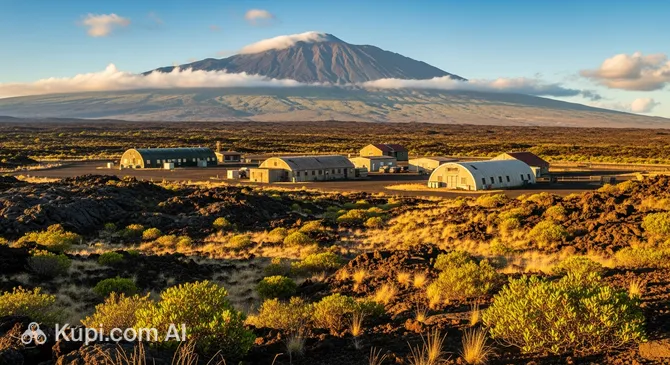
Pohakuloa Training Area. Source: Kupi.Binoculars

Geographically, this area is defined by its elevation, which reaches over 6,000 feet, creating a climate that is cooler and drier than the coastal towns. Visitors traveling through this part of the United States will often experience a dramatic change in weather, with temperatures dropping as they ascend the saddle. The stark contrast between the red and black volcanic soil and the surrounding peaks creates a visually arresting atmosphere that captures the raw power of nature.

While the site itself serves specific functional purposes, the surrounding region is rich in heritage. Exploring the history of the Pohakuloa area reveals its significance not only in modern times but also its connection to the natural history of the island. The land here supports a rare dryland forest ecosystem, home to several endangered bird and plant species found nowhere else on Earth.

For those driving along the Daniel K. Inouye Highway (Saddle Road), the area offers spectacular scenic views. The imposing silhouettes of Mauna Kea and Mauna Loa dominate the skyline, providing breathtaking photo opportunities, especially during sunrise or sunset. The nearby Mauna Kea State Recreation Area is a popular stop for travelers looking to acclimatize or simply enjoy a picnic amidst the volcanic scenery.

Although it is not a traditional tourist resort, the drive through the Pohakuloa region is an unforgettable experience for anyone exploring the interior of the Big Island. Its unique geology and quiet, expansive vistas offer a peaceful yet awe-inspiring detour from the bustling coastal attractions.

Weather Overview

Due to its high elevation between two major volcanoes, the climate in this region is noticeably cooler and distinct from the tropical coast. The weather in Pohakuloa Training Area is characterized by mild temperatures year-round, often accompanied by the misty conditions common to the saddle region.

Temperatures remain relatively stable throughout the year, with August being the warmest month, seeing average highs of 23.7°C. In contrast, February is generally the coolest time, with nighttime lows dropping to around 12.2°C. Expect mild, comfortable temperatures year-round with frequent but very light moisture. While the area experiences a high number of wet days—ranging from 23 to 31 days per month—the actual precipitation accumulation is surprisingly low, typically between 4mm and 10mm, suggesting frequent light mist or drizzle rather than heavy downpours.

Interesting Facts

Beyond its reputation as a military facility, the Pohakuloa Training Area holds many fascinating secrets hidden within its rugged volcanic landscape. This high-altitude region is not just a training ground but a sanctuary for rare biology and a repository of ancient Hawaiian history.

  • A Biological Treasure Trove: Surprisingly, this area is home to more endangered species than any other U.S. Army installation. Its unique sub-alpine dryland ecosystem supports over 20 rare species, including the Palila (a honeycreeper bird), the Hawaiian hoary bat, and the incredibly rare Hawaiian mint, honohono.

  • Ancient "Grand Central Station": In ancient times, this saddle region served as a vital crossroads connecting the east and west sides of the island. It was known as a hub for travelers and artisans, particularly those journeying to the high slopes of Mauna Kea to quarry dense basalt for making stone adzes.

  • Hidden Habitation: The landscape is riddled with lava tubes that were once used by ancient Hawaiians for shelter. Archaeological surveys have uncovered sites like the Bobcat Trail Habitation Cave, where travelers centuries ago sought refuge from the cold, high-altitude winds.

  • The Name's Meaning: The name Pōhakuloa translates to "Long Stone." While the exact legendary stone this refers to is a subject of local lore, the name perfectly befits the area's vast, stone-strewn plains dominated by the majestic slopes of Mauna Loa and Mauna Kea.

How to Get There

Reaching this unique destination in the heart of the Big Island requires navigating the scenic roads of Hawaii. Since the location is situated in a high-altitude saddle between volcanoes, there is no direct public transport hub on-site. For detailed logistics, you can read more about how to get to Pohakuloa Training Area to plan your journey effectively.

Pohakuloa Training Area does not have its own airport, but you can fly into Hilo International Airport (ITO) in the city of Hilo, which is about 50 km away. This is often the most convenient option for those approaching from the east side of the island. The drive typically takes around 45 to 60 minutes by car or taxi, following the Daniel K. Inouye Highway (Saddle Road) upwards towards the plateau. Hilo International Airport handles a moderate amount of traffic, making it a relatively relaxed entry point.

Another excellent option is Kona International Airport at Keahole (KOA), located in Kailua-Kona, approximately 54 km from the area. Situated on the sunny western coast, this airport is a major hub for visitors. The travel time from here is also roughly 45 to 60 minutes. Kona International Airport at Keahole serves a large number of tourists annually and offers a wide range of rental car services, which are highly recommended for reaching the interior of the island.

For clarity, here is a summary of the main airports:

Airport Name City Passenger Traffic Km from Area
Kahului Airport Kahului High 157.2
Kona International Airport at Keahole Kailua-Kona High 53.8
Hilo International Airport Hilo Medium 50.2
Kapalua Airport Kapalua Low 178.8
Lanai Airport Lanai City Low 186.9

The area does not have a railway station, and there is no passenger rail network on the island of Hawaii. Visitors generally rely on private vehicles or military shuttles (for authorized personnel) to access the facility. The drive offers spectacular views of the volcanic landscape, so renting a car at your arrival airport is the most practical way to travel.

Main Attractions

While the Pohakuloa Training Area itself is primarily a military installation restricted to the public, the surrounding high-altitude region—known as the "Saddle" between the massive volcanoes of Mauna Kea and Mauna Loa—offers a unique and ruggedly beautiful landscape for visitors to explore. The area is defined by its vast lava fields, rare dryland forests, and sweeping vistas that feel worlds away from the tropical beaches of the coast.

Gilbert Kahele Recreation Area is the most accessible and popular stop in the immediate vicinity. Formerly known as the Mauna Kea State Recreation Area, this park sits right off the Daniel K. Inouye Highway and provides a perfect place to pause and acclimatize to the high elevation. Travelers often stop here to enjoy a picnic in the cool mountain air, let children play on the playground, or simply admire the commanding views of Mauna Kea and Mauna Loa rising on either side of the plateau.

Directly across from the recreation area lies Pu'u Huluhulu, a prominent cinder cone that offers one of the best short hikes in the region. This geological feature is a "kipuka"—an island of ancient vegetation surrounded by younger lava flows. A hike to the top takes you through native shrubs and trees, offering a sanctuary for endemic Hawaiian birds. Reaching the summit rewards hikers with panoramic views of the saddle region and the stark contrast between the lush hill and the barren volcanic rock surrounding it.

A short drive from the main saddle area leads to the Mauna Kea Visitor Information Station (Onizuka Center). Located at an elevation of 9,200 feet, this is a must-visit destination for those interested in astronomy and volcanic geology. It serves as the primary acclimatization stop for those heading further up the mountain, but it is also famous for its nightly stargazing programs. The lack of light pollution here creates some of the clearest night skies in the world, allowing visitors to see countless stars and celestial bodies with the naked eye.

The drive along the Daniel K. Inouye Highway (Saddle Road) is an attraction in itself. As you travel through the Pohakuloa region, the scenery shifts dramatically from grassy plains to moon-like lava fields. The road cuts through varying microclimates, often shrouded in mist one moment and bathed in intense high-altitude sunshine the next. This scenic route offers a profound sense of the island's volcanic origins and is one of the most memorable road trips in Hawaii.

Local Cuisine

Because the Pohakuloa Training Area is a remote military facility situated in a high-altitude lava field, there are no public restaurants, cafes, or street food vendors within the area itself. The culinary experience here is defined by preparation; visitors typically embrace the local tradition of "holoholo" (to go out for pleasure) by packing a meal to enjoy amidst the stunning volcanic scenery. The nearest dining hubs are in the coastal cities of Hilo and Kailua-Kona, making this region a destination for scenic picnics rather than fine dining.

For a trip through the Saddle Road, the most iconic local snack to bring along is Spam Musubi. This beloved Hawaiian staple consists of a slice of grilled Spam on top of a block of rice, wrapped together with dried seaweed (nori). It is the ultimate portable food for hikers and travelers in Hawaii, available at nearly every convenience store and grocery shop in the nearby towns. Another favorite to pack is a fresh Poke bowl, featuring cubes of raw ahi tuna marinated in soy sauce, sesame oil, and onions, though you will need a cooler to keep it fresh in the high-altitude sun.

When it comes to beverages, the proximity to the Kona district makes Kona coffee the drink of choice for the drive. Many travelers stop at coffee farms on the coast to fill a thermos with this world-renowned, smooth aromatic coffee before heading up the mountain. Due to the high elevation and dry air, staying hydrated is crucial, so carrying plenty of water is essential. You might also see locals drinking POG (Passion fruit, Orange, and Guava juice), a sweet and refreshing tropical staple that provides a burst of energy.

The food culture in this specific part of the island revolves around the Gilbert Kahele Recreation Area. This is the primary designated spot where locals and tourists stop to eat their packed lunches. Here, you will often see families sharing bento boxes—Japanese-style lunch containers filled with teriyaki chicken, rice, and pickled vegetables—while taking in the views of Mauna Kea and Mauna Loa. It is a humble but memorable gastronomic experience, where the flavor of the food is enhanced by the crisp mountain air and the dramatic, otherworldly landscape.

Travel Tips

Visiting the region around the Pohakuloa Training Area offers a rare glimpse into the rugged, high-altitude heart of Hawaii's Big Island, far removed from the tropical beaches. To ensure a safe and enjoyable journey through this unique "Saddle" region between the volcanoes, a bit of specific preparation is essential.

  1. Clothing and Gear: Unlike the warm coast, this area sits at a high elevation where temperatures can drop significantly. Dress in layers, bringing a windbreaker or fleece jacket, as it can be chilly and windy. This climate is distinct from the beach weather. Sturdy, closed-toe shoes are recommended if you plan to explore nearby rocky trails like Pu'u Huluhulu, and sunglasses are a must due to the intense high-altitude sun.
  2. Transportation: The only practical way to explore this region is by private rental car. There is no public transport network that stops for sightseeing in this remote saddle area. While the main Daniel K. Inouye Highway is paved and excellent, having a vehicle gives you the freedom to stop at recreation areas and viewpoints safely.
  3. Finances: Be aware that there are no commercial facilities, ATMs, or banks in the immediate vicinity of the training area or the saddle region. You should withdraw cash and handle any banking needs in the main towns of Hilo or Kailua-Kona before you start your drive. Major credit cards are accepted island-wide, but they won't be of use in this uninhabited stretch.
  4. Health and Safety: The high altitude (over 6,000 feet) can affect some travelers; stay hydrated and move slowly if you feel short of breath. The sun's UV rays are much stronger here, so apply high-SPF sunscreen even on cloudy days. Note that there are no pharmacies or hospitals in the saddle; the nearest medical assistance is roughly an hour away in Hilo or Kona.
  5. Communication: English is the primary language spoken throughout Hawaii. However, mobile phone reception can be spotty or non-existent in certain parts of the saddle between the volcanoes. It is highly advisable to download offline maps or GPS data for the Big Island before leaving the coastal towns to ensure you can navigate without a signal.
  6. Local Etiquette: Respect for the land, or aina, is paramount in Hawaiian culture. Do not remove lava rocks or sand as souvenirs; it is considered disrespectful and, according to local legend, brings bad luck. Additionally, always stay on marked trails to protect the fragile ecosystem and respect the boundaries of the military installation.
  7. What to Avoid: Strictly avoid trespassing on military land. The Pohakuloa Training Area is an active facility, and entering restricted zones is dangerous and illegal. Pay close attention to fences and warning signs along the highway, and do not pull over on the road shoulder unless it is a designated emergency area or viewpoint.
  8. Additional Tip: Fuel up completely before leaving Hilo or Kona. There are no gas stations along the Saddle Road crossing the island. Running out of fuel in this remote, high-altitude corridor can result in a long and expensive wait for roadside assistance.

By keeping these practical tips in mind, you can safely experience the majestic, otherworldly landscapes of the island's interior. A drive through this region is a memorable adventure that highlights the powerful geological forces that shaped Hawaii, provided you come prepared for its remote and rugged nature.

Entertainment & Nightlife

Due to its nature as a remote military facility and a protected ecological zone, the Pohakuloa Training Area does not offer traditional entertainment venues such as nightclubs, cinemas, or shopping centers. The region is strictly functional and wild, offering a stark contrast to the lively resort atmosphere found in the coastal towns. Visitors should not expect to find arcades, theaters, or any commercial nightlife within the saddle region.

The primary form of evening entertainment here is provided by nature itself. Thanks to the high elevation and lack of light pollution, the area offers some of the best stargazing opportunities in the United States. On clear nights, the sky transforms into a dazzling display of constellations, planets, and the Milky Way. Many travelers simply pull over safely at designated viewpoints along the highway to enjoy the profound silence and the spectacular celestial show.

For those seeking cultural events, dining, or live music, the nearest options are located in the coastal cities of Hilo and Kailua-Kona. Both cities are approximately an hour's drive away and serve as the main hubs for social activities on the Big Island. Visitors typically explore the scenic landscapes of the Pohakuloa area during daylight hours before returning to the coast to enjoy evening festivities, luau performances, and local shopping.

Parks & Museums

The Pohakuloa Training Area is not a typical city with manicured urban gardens or art districts; rather, it is a vast, high-altitude region where the "parks" are wild, protected ecological zones and the "museums" are often the living geological history of the island itself. Visitors here will find rugged natural beauty and educational centers dedicated to science and the environment rather than traditional galleries.

Gilbert Kahele Recreation Area is the primary designated green space in this saddle region. Situated in a stunning valley between the volcanoes, this park serves as an oasis in the lava fields. Unlike a standard city park, the landscape here features native shrubland and misty, cool air. It is equipped with cabins, restrooms, and a playground, making it the only spot in the immediate vicinity where families can comfortably relax on the grass. It is particularly interesting to tourists for its unique birdwatching opportunities, as the native vegetation attracts species that are rarely seen near the coast.

Just a short distance away along the Saddle Road lies the Kaulana Manu Nature Trail. This is a pristine "kīpuka"—an area of older forest surrounded by younger lava flows—that functions as a natural sanctuary. The trail is designed to immerse visitors in the sights and sounds of the native Hawaiian forest without disturbing the ecosystem. It is a must-visit for nature enthusiasts, offering a peaceful walking path where you can spot the crimson 'Apapane or the bright yellow 'Amakihi birds fluttering among the ancient Ohia trees.

While there are no art galleries or history museums within the military installation itself, the Mauna Kea Visitor Information Station (Onizuka Center) serves as the region's key educational facility. Located just up the access road from the main highway, this center functions as a science museum dedicated to astronomy and geology. Tourists will find fascinating interactive exhibits explaining the volcanic origins of the island and the celestial discoveries made by the observatories above. It is an essential stop for understanding the scientific significance of this high-altitude location.

For a deeper dive into the culture and history connected to this landscape, the 'Imiloa Astronomy Center in nearby Hilo is the cultural counterpart to the physical experience of Pohakuloa. Although it requires a drive down the mountain, it is the closest comprehensive museum that contextualizes the "Saddle" region. It beautifully weaves together ancient Hawaiian navigation history with modern astronomy, offering visitors a profound understanding of how the indigenous culture views the very mountains and stars visible from the training area.

For an authentic and lesser-known experience, look for the small, unmarked lava features and caves (where safe and permitted) near the Pu'u Huluhulu trail. These geological formations act as open-air galleries of volcanic history, showcasing different types of lava, such as the smooth pahoehoe and the rough a'a, up close. Exploring these natural sculptures offers a tangible connection to the forces that created the island, providing an experience no indoor museum can replicate.

Getting Around

Public transport options within the Pohakuloa Training Area are extremely limited due to its nature as a remote, high-altitude military installation and protected ecological zone. There is no local urban transit network, such as a metro, tram, or city bus system, operating within the area itself. Visitors will not find trolleybuses or minibuses circulating the region, as it is primarily a transit corridor rather than a residential city.

The only public transportation available is the regional bus service known as Hele-On, operated by the County of Hawaii Mass Transit Agency. Specifically, the cross-island route that connects the east and west coasts (Hilo to Kailua-Kona) utilizes the Daniel K. Inouye Highway (Saddle Road). While these buses pass through the region, they are designed primarily for commuters traveling between the island's major towns rather than for tourists wishing to explore the specific sights of the saddle area.

Regarding payment, the Hele-On bus system has operated on a fare-free basis in recent years, making it an incredibly economical way to cross the island. Passengers currently do not need to purchase tickets, travel cards, or use mobile apps to pay for a ride; you simply board the bus at a designated stop. However, it is always wise to check the official county transit website for the most up-to-date information on policies before your trip.

For tourists, relying on the bus is not recommended for exploring the Pohakuloa region itself. The schedules are infrequent, and the bus does not make stops at scenic viewpoints, trailheads, or the recreation area for sightseeing purposes. If you choose to take the bus, be aware that you will likely be traveling from one coast to the other without the ability to hop off and explore the volcanic landscape, as the next bus might not arrive for several hours.

The most practical and popular alternative for visiting this area is renting a car. Having a private vehicle is essential for navigating the Saddle Road, allowing you to stop safely at the Gilbert Kahele Recreation Area or the Mauna Kea Visitor Information Station. Taxis and ride-sharing services can theoretically drop you off here from the coastal towns, but arranging a pickup for the return journey is nearly impossible due to the remote location and lack of reliable cell service.

There are no historic cable cars, funiculars, or trains in this rugged terrain. The transport experience is defined by the scenic drive itself on the modern highway. Visitors are strongly advised to arrange their own transportation to fully appreciate the unique geology and vistas without being constrained by the limited commuter bus schedule.

Accommodation

Travelers planning a visit to the region surrounding the Pohakuloa Training Area should be aware that this is primarily a remote military installation and a protected ecological zone, not a residential town or tourist resort. Consequently, there are no hotels, hostels, or vacation rentals located directly within the training area itself. The high-altitude saddle region is uninhabited by the general public, and there is no commercial lodging infrastructure on-site.

The vast majority of visitors explore this unique landscape as a day trip while basing themselves in the major coastal hubs of the Big Island. To the east, the city of Hilo (approximately 45-60 minutes away) offers a range of affordable inns, historic hotels, and bed-and-breakfasts with a laid-back, local atmosphere. To the west, the Kailua-Kona and Waikoloa districts provide a starkly different experience, featuring world-class luxury resorts, sprawling hotel complexes, and numerous vacation condos along the sunny coastline.

For those who wish to stay as close as possible to the rugged volcanic landscapes of the saddle, the only potential option is the Gilbert Kahele Recreation Area (formerly Mauna Kea State Recreation Area). This park, situated just off the main highway, offers rustic cabins for rent. Staying here provides a unique opportunity to sleep at a high elevation between Mauna Kea and Mauna Loa, but guests should be prepared for basic amenities and cooler temperatures. These cabins are not hotels; they require permits and must be reserved through the state park system.

Booking Tip: Since you will likely be staying in the popular coastal towns, it is highly recommended to book your accommodation several months in advance. Hawaii is a year-round destination, but availability can drop significantly during the peak winter holiday season (December to February) and the summer months.

Price Range and Booking: The cost of accommodation varies greatly depending on which side of the island you choose. The western coast (Kona/Waikoloa) generally falls into the mid-range to luxury price bracket, with many properties charging resort fees. The eastern side (Hilo) typically offers more budget-friendly to mid-range options. Booking is best done through major online travel platforms or directly through hotel websites to secure the best rates and check for any specific island entry requirements.

Nearby Cities

For those looking to explore the surroundings, Pohakuloa Training Area serves as an excellent base for day trips to several interesting nearby locations. Situated in the saddle between two massive volcanoes, the area provides easy access to both the lush eastern side and the sunny western coast of the Big Island, as well as the unique ranching communities to the north.

Hilo is the closest major city, located approximately a 45-minute drive east. Known for its lush tropical landscape, Hilo offers a stark contrast to the dry lava fields of the saddle. Visitors can explore the famous Rainbow Falls, stroll through the Liliʻuokalani Gardens, or visit the bustling Hilo Farmers Market. It is a town rich in history and serves as the gateway to Volcanoes National Park, making it a perfect spot for those seeking waterfalls and greenery.

To the west lies Kailua-Kona, the island's primary hub for tourism and sunny weather. A drive down the mountain leads to beautiful coastline, historic sites like the Huliheʻe Palace, and numerous coffee farms that produce the world-renowned Kona coffee. It is an ideal destination for a day of beach relaxation, snorkeling in clear waters, or enjoying a sunset dinner by the ocean.

Just north of the training area is the charming town of Waimea (Kamuela). This community is the heart of Hawaii's paniolo (cowboy) country, featuring rolling green pastures and cooler temperatures. Waimea offers a distinct cultural experience with its ranching heritage, excellent farm-to-table restaurants, and a relaxed, upcountry atmosphere that feels entirely different from the coastal resorts.

City Population Distance (km)
Honolulu 1,000,000 297
Kailua 106,260 293
Hilo 46,559 47
Kaneohe 34,509 298
Kahului 27,938 159

These nearby destinations offer a glimpse into the diverse culture and landscapes of the region, ranging from tropical rainforests and beaches to historic ranch lands.

Shopping & Souvenirs

General Overview: Travelers planning a visit to the Pohakuloa Training Area should be aware that this location is primarily a remote military installation and a protected high-altitude ecological zone, not a commercial tourist hub. Consequently, there are no shopping opportunities, retail stores, or convenience shops located directly within the training area itself. The region is defined by its rugged volcanic landscape and functional infrastructure, meaning visitors will not find boutiques or souvenir stands here. All shopping needs, including purchasing food, water, and supplies for the drive, must be handled in the coastal towns before ascending the Saddle Road.

Main Shopping Areas/Streets: Since the Pohakuloa area is devoid of commercial streets, tourists looking for a shopping experience should head to the nearest major towns. Hilo, located about an hour east, offers the charming Kamehameha Avenue along the bayfront, lined with local boutiques, aloha wear shops, and antique stores. To the west, Aliʻi Drive in Kailua-Kona is the primary bustling strip, featuring open-air shops, surf stores, and jewelry vendors catering to visitors. These are the closest locations where one can enjoy a traditional stroll-and-shop experience.

Shopping Malls: For those seeking larger retail centers or department stores, the nearest options are located in the coastal cities. Prince Kuhio Plaza in Hilo is the largest indoor mall on the island, providing a mix of national brands and local retailers. On the western side of the island, the Queens' Marketplace and Kings' Shops in the Waikoloa Beach Resort area (north of Kona) offer an upscale open-air shopping environment with luxury brands, art galleries, and performance spaces, serving as the main retail hubs for tourists staying in the nearby resorts.

Markets: While there are no markets in the saddle region, the Hilo Farmers Market is a must-visit attraction for anyone driving through the Pohakuloa area from the east side. It is one of the best markets in Hawaii, renowned for its abundance of exotic tropical fruits, locally grown flowers, and handmade crafts. Stopping here to buy fresh snacks like rambutan, lychee, or banana bread is a popular tradition for travelers preparing for the cross-island drive.

Souvenirs: Although you cannot buy souvenirs inside the military base, the nearby Mauna Kea Visitor Information Station (Onizuka Center)—located just a short drive up the access road—is the only place in the immediate vicinity with a small shop. Here, visitors can purchase unique astronomy-themed souvenirs, such as star charts, books on Hawaiian geology, and freeze-dried "astronaut ice cream." For more general gifts, look for 100% Kona coffee, macadamia nuts, or Koa wood carvings in the shops of Hilo or Kona.

Opening Hours and Payment: In the nearby towns of Hilo and Kona, most shops typically open around 9:00 AM or 10:00 AM and close by 6:00 PM to 9:00 PM, depending on the location. The Mauna Kea Visitor Information Station usually has specific hours, often opening around midday and staying open into the evening for stargazing (check current schedules locally). Credit cards are widely accepted at all commercial establishments in the towns and at the Visitor Station. However, if you plan to buy from small roadside fruit stands on the way to the saddle, carrying some cash (USD) is advisable.

Tax-Free: The United States does not have a Value Added Tax (VAT) refund system for international tourists like many European countries. Hawaii charges a General Excise Tax (GET) on all purchases, which is included in the final price or added at the register. Visitors should not expect tax-free shopping or refund counters at the airports.

Reached the end of the page?

That means the route is fully explored