Support

Lanai City

About

Located in the central highlands of the island of Lanai, Lanai City offers a refreshing contrast to the typical coastal resort areas. As the commercial and residential heart of the island, this charming town retains a vintage atmosphere that transports visitors back to the plantation era of Hawaii in the United States. With a population of approximately 3,100 residents, it serves as a close-knit community hub where locals and visitors mingle in a notably relaxed setting.

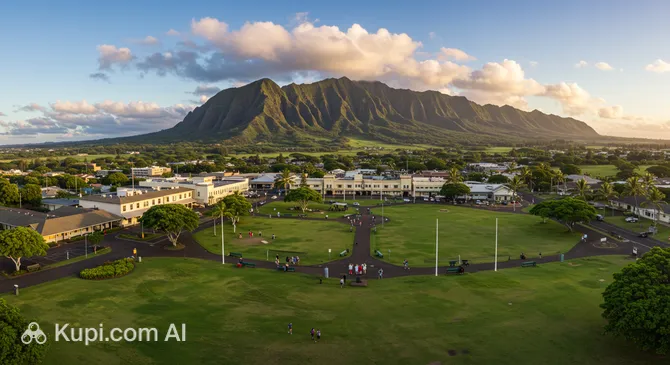
The city sits at an elevation of roughly 1,645 feet (501 meters), providing a noticeably cooler and mistier climate compared to the sunny beaches below. This unique geography allows for a pleasant escape from the heat, making it perfect for walking tours. The town's grid layout is centered around the grassy expanse of Dole Park, a popular gathering spot for picnics and local events that serves as the town square.

Lanai City. Source: Kupi.Binoculars

Exploring the history of Lanai City reveals its origins as a planned community founded in the early 1920s to support the booming pineapple industry. Today, visitors are often struck by the towering Cook Island pines that line the streets, originally planted to capture moisture from the passing fog. These majestic trees, combined with colorful plantation-style wooden homes, give the city a distinct and picturesque character found nowhere else in the archipelago.

With no traffic lights and a selection of quaint local shops, art galleries, and restaurants, the town exudes a sense of tranquility. It is an ideal destination for travelers seeking an authentic experience away from the crowds. Lanai City invites you to slow down, enjoy the cooler air, and immerse yourself in the genuine spirit of island life.

Weather Overview

Lanai City enjoys a remarkably stable and pleasant climate, offering warm temperatures and comfortable conditions throughout the year. Because of its elevation, the air here is often fresher than in coastal areas, yet it remains invitingly mild. Visitors can generally expect consistent warmth with very little variation, making it an excellent destination for exploring the outdoors regardless of the season.

To help you pack for your trip, check the detailed forecast for the weather in Lanai City. The average temperatures typically range from a comfortable 22.3°C in February to a warmer 25.9°C in September. The summer months, particularly August and September, are the warmest, with daily highs reaching up to 27.3°C, while the cooler winter period sees averages around 22°C to 23°C.

Precipitation is notably scarce based on historical data, with monthly rainfall often recorded as low as 0mm to 2mm. While the winter months like February may see up to 7 wet days, the summer season from June through September is exceptionally dry, often experiencing almost no wet days at all. This dry and sunny pattern ensures that travel plans are rarely disrupted by heavy rain.

Interesting Facts

Beyond its charming plantation aesthetic, Lanai City holds several unique distinctions that set it apart from any other community in Hawaii. This small town is not just a historical relic but a place where modern ownership and island tradition blend in surprising ways.
  • A Privately Owned Town: While most towns have public and private sectors, Lanai City is almost entirely owned by one person. In 2012, Oracle co-founder Larry Ellison purchased 98% of the island of Lanai, which includes the majority of the city's commercial and residential buildings, the main grocery store, and even the community movie theater.

  • A Traffic-Light-Free Zone: You will not find a single traffic light in Lanai City—or anywhere else on the entire island. Traffic is regulated solely by stop signs, and the local driving etiquette dictates that drivers politely wave to one another at every intersection, reinforcing the town's slow and friendly pace.

  • Hawaii's First Planned Community: Long before modern developers created master-planned suburbs, James Dole designed Lanai City in the 1920s as a model plantation town. It was meticulously laid out on a grid with a central town square (Dole Park) to house workers for what was then the world's largest pineapple plantation, and it remains the last intact plantation town in the state.

  • The Historic Jail: Tucked away near the courthouse is the "Lanai City Jail," a tiny, three-cell concrete structure that dates back to the plantation era. It is so small and rarely used that it has become more of a historical curiosity than a detention center, symbolizing the low crime rate and tight-knit nature of the community.

How to Get There

Reaching this secluded island destination typically involves a short inter-island flight, as the town is located on the smaller island of Lanai. Most visitors connect through major Hawaiian hubs before arriving at the local airstrip. You can find more about how to get to Lanai City and the various transport options available to plan your journey effectively.

The most direct entry point is Lanai Airport (IATA: LNY), which is conveniently located just 5.2 km from the center of Lanai City. This small, regional facility welcomes inter-island flights primarily from Honolulu and Maui. Once you land, the journey to the town center is quick and scenic; a taxi or shuttle ride typically takes approximately 10 minutes. The airport handles a modest volume of travelers, ensuring a relaxed arrival experience without the crowds found at larger hubs.

Since direct flights from the mainland are not available, many travelers first fly into Honolulu International Airport (IATA: HNL) in the city of Honolulu. Located about 118 km from Lanai City on the island of Oahu, this is the primary international gateway to the region. After arriving at this major airport, you will need to transfer to a short commuter flight to reach Lanai. Similarly, Kahului Airport (IATA: OGG) in Kahului is another significant option, situated approximately 51.5 km away on the neighboring island of Maui, offering frequent connections to Lanai.

For clarity, here is a summary of the main airports:

Airport Name City Passenger Traffic Km from City
Honolulu International Airport Honolulu Very Large 118.2
Kahului Airport Kahului Large 51.5
Molokai Airport Hoolehua Medium 40.5
Kapalua Airport Kapalua Small 29.6
Lanai Airport Lanai City Small 5.2

Lanai City does not have a railway station, and there are no train services available on the island of Lanai. Transportation within the island is limited to road travel. Visitors typically rely on hotel shuttles, rental jeeps, or taxi services to navigate between the airport, the city, and the coastal resort areas.

Main Attractions

While Lanai City is small, it serves as the perfect gateway to the island's unique blend of history and natural beauty. The town itself offers cultural depth, while the surrounding areas provide access to some of Hawaii's most intriguing landscapes. Visitors can easily spend a day exploring local heritage sites before venturing out to the rugged terrain that lies just a short drive away.

Located right in the heart of town, the Lanai Culture & Heritage Center is a must-visit for anyone interested in the island's past. Housed in the historic plantation administration building, this museum preserves artifacts and stories ranging from the pre-contact Hawaiian era to the plantation days. It offers tourists a fascinating look into the lives of the people who built the community, making it an educational stop that adds context to the rest of your visit.

Just a short drive from the city center lies the famous Lanai Cat Sanctuary, often referred to as the "Fur Seasons." This sprawling, open-air sanctuary is home to hundreds of rescue cats that roam freely across the property. It has become one of the island's top attractions, allowing animal lovers to interact with the friendly residents in a relaxed garden setting, and it operates entirely on donations and the dedication of volunteers.

For those willing to rent a four-wheel-drive vehicle, Keahiakawelo, also known as the Garden of the Gods, offers an otherworldly experience about 45 minutes from town. This geological marvel features a lunar-like landscape of red dirt, rock towers, and boulders formed by centuries of erosion. It is particularly striking at sunset when the fading light casts vibrant reds and purples across the terrain, providing exceptional photo opportunities.

Although located on the coast, Hulopoe Beach Park is the primary beach destination for those staying in Lanai City and is easily accessible by shuttle or car. It is renowned for its pearl-white sand and crystal-clear waters, which are part of a protected marine preserve. Nearby, you can view the iconic Puu Pehe (Sweetheart Rock), a dramatic sea stack steeped in Hawaiian legend, making it a perfect spot for scenic walks and picnics.

Local Cuisine

The culinary landscape of Lanai City is defined by its lack of major fast-food chains and its reliance on authentic, locally-owned establishments. The food culture here is deeply rooted in the island's plantation history, where diverse immigrant influences blended to create a style of cooking that is hearty, unpretentious, and flavorful. Locals and tourists typically dine in the casual eateries surrounding Dole Park, where the atmosphere is relaxed and the focus is on "talking story" over a good meal.

One of the most unique gastronomic features of the island is the prevalence of Axis deer venison. Because the deer population on Lanai outnumbers the human residents, this lean, organic meat is a local staple rather than a rare delicacy. Visitors should look for venison burgers, tacos, or stews on local menus to taste a dish that is truly specific to this island's ecosystem. It offers a sustainable and delicious alternative to traditional beef dishes.

For a classic taste of Hawaii, the Loco Moco is a comfort food favorite found in town. This substantial dish features a bed of white rice topped with a hamburger patty, a fried egg, and a generous ladle of brown gravy. It is the quintessential meal for refueling after a morning of hiking. Seafood enthusiasts will also appreciate fresh poke—cubed raw fish marinated in soy sauce, sesame oil, and sea salt—which can often be picked up at the local market for a quick and savory lunch.

Beverage options in Lanai City reflect the slow pace of island life. You can start your day with a cup of rich Hawaiian coffee, often accompanied by oversized pastries or donuts that are a morning tradition in the town. In the evenings, the drink scene is low-key, with visitors enjoying tropical fruit juices or unwinding with a cold beer or glass of wine at one of the few grills in town, enjoying the cool upcountry breeze.

Travel Tips

Welcome to Lanai City, a place where the pace is slower and the community spirit is strong. To help you make the most of your visit to this unique upcountry town, here are some practical tips that will ensure a smooth and enjoyable experience in Hawaii’s most secluded inhabited island.

  1. Dress for the Elevation: Unlike the coastal resort areas, Lanai City sits at about 1,645 feet above sea level, resulting in a climate that is noticeably cooler and often misty. While shorts and t-shirts are fine for the day, you should definitely pack a light jacket, sweater, or long pants for the mornings and evenings. Comfortable walking shoes are also essential, as the town is best explored on foot.

  2. Transportation Essentials: There is no public bus system on the island. While Lanai City itself is walkable, exploring the surrounding attractions requires transportation. A 4x4 Jeep rental is highly recommended if you plan to visit rugged sites like the Garden of the Gods or Shipwreck Beach. For travel between the city, the airport, and the coastal resorts, inter-hotel shuttles operate regularly for a fee.

  3. Finances and Cash: The local currency is the US Dollar. While most businesses in town accept credit cards, it is wise to carry some cash for small purchases at local markets or tips. Be aware that banking facilities are limited; there are only a couple of banks with ATMs in Lanai City, so it is best to withdraw necessary funds before heading out to more remote areas of the island.

  4. Health and Safety: Lanai City is generally very safe, but medical resources are limited compared to larger islands. The Lanai Community Hospital provides emergency care and basic services, but for serious conditions, patients are often airlifted to Honolulu or Maui. Ensure you bring an adequate supply of any prescription medications you need, as the local pharmacy may have limited hours or stock.

  5. Communication and Connectivity: English is the primary language spoken. Cell phone reception is generally reliable within Lanai City itself but can be spotty or non-existent once you venture into the undeveloped areas of the island. It is a smart move to download offline maps on your phone before leaving the town center to ensure you can navigate the unmarked dirt roads safely.

  6. Local Etiquette: The community is tight-knit and friendly, and the "Aloha Spirit" is taken seriously here. When driving, it is customary to give a friendly "Lanai Wave" (raising a hand or a few fingers from the steering wheel) to passing drivers. Always drive slowly within the city limits—there are no traffic lights, and pedestrians have the right of way.

  7. What to Avoid: Do not rush or honk your horn; aggressive driving is considered very rude in this tranquil environment. Additionally, avoid driving regular rental cars onto dirt roads or sand if they are not 4-wheel drive vehicles authorized for such terrain, as getting stuck can be expensive and damaging to the landscape.

  8. Plan for Early Closures: Lanai City is an early-to-bed town. Most shops, cafes, and even grocery stores close relatively early in the evening, often by 7:00 PM or 8:00 PM. Plan your dinners and supply runs accordingly so you aren't left without options after sunset.

By keeping these tips in mind, you will be well-prepared to embrace the relaxed rhythm of Lanai City. Whether you are sipping coffee in Dole Park or heading out on a rugged adventure, respecting the local ways will open the door to a truly authentic Hawaiian experience.

Entertainment & Nightlife

Entertainment and nightlife in Lanai City are defined by the island's tranquility and small-town charm rather than high-energy parties. Visitors expecting bustling nightclubs, thumping bass, or neon-lit districts will find a very different, more relaxed reality here. The nightlife scene is intimate and centers almost entirely around the town square, Dole Park. As the sun sets, the atmosphere shifts from the day's activities to quiet social gatherings, where the primary entertainment is good food, local music, and "talking story" with residents and fellow travelers.

The heart of the evening action is located within the few blocks surrounding the park. There is no sprawling entertainment district; instead, you will find a handful of establishments within walking distance of one another. The vibe is decidedly casual and welcoming. The crowd is a mix of locals unwinding after work and visitors seeking a peaceful end to their day. Dress codes are relaxed, with "resort casual" or even hiking attire being perfectly acceptable in most venues, though a slightly smarter look is common for dinner at the hotel restaurants.

For a sophisticated yet cozy evening, the Lanai City Bar & Grille is the premier spot in town. Located inside the historic Hotel Lanai, this venue offers a rustic-chic ambiance with a full bar and a menu highlighting local ingredients. It is one of the few places that stays open a bit later, often featuring live music by local Hawaiian artists, which provides a soothing backdrop for sipping cocktails under the cool upcountry stars.

Another popular option for an evening meal and drink is Pele's Other Garden. By day, it serves as a deli, but at night, it transforms into a bistro setting. It is a favorite among locals for its friendly service and selection of beers and wines. It captures the essence of Lanai's social life—unpretentious, warm, and community-focused. While it isn't a bar in the traditional sense, it serves as a key gathering place for the evening crowd.

Practical advice for enjoying nights in Lanai City centers on timing. The town operates on an "early to bed, early to rise" schedule. Most kitchens close by 8:00 PM or 9:00 PM, and finding food or entertainment after this time can be difficult. Prices are generally moderate to high, reflecting the island's remote location. Since the town is small and laid out on a grid, walking is the best way to get around at night. If you are staying at one of the coastal resorts, you will need to arrange a shuttle or taxi back, as the ride down the mountain is dark and winding.

Safety is rarely a concern in Lanai City, which boasts one of the lowest crime rates in the state. Walking around Dole Park at night is considered very safe for solo travelers and families alike. However, the lack of streetlights—intended to preserve the rural atmosphere and reduce light pollution—means the streets can be pitch black. It is highly recommended to carry a small flashlight or use your phone's light when walking back to your accommodation. Taxis are not hailable on the street; you must call ahead to arrange a ride.

While the nights are quiet, daytime entertainment offers a bit more variety in terms of culture. The historic Hale Keaka (Lanai Theater) is a landmark worth noting. Recently restored, this 1930s theater occasionally screens films and hosts performances, serving as a nostalgic reminder of the plantation era. Aside from this, entertainment during the day revolves around browsing the art galleries and boutiques near the park or visiting the local cultural center.

Parks & Museums

While Lanai City is small, it serves as the cultural soul of the island, offering a curated selection of green spaces and artistic venues that reflect its tight-knit community spirit. Rather than sprawling botanical gardens or massive museum complexes, you will find intimate parks and galleries that invite you to engage directly with the local history and the creative residents who call this unique plateau home.

Dole Park is the undisputed centerpiece of the city's outdoor life, functioning as a lush town square rather than a traditional recreational park. Encircled by towering Cook Island pines that were planted almost a century ago to capture moisture from the trade winds, this grassy expanse offers a cool, shaded retreat perfect for reading or picnicking. It is the venue for almost all major community festivals and provides a picturesque green foreground to the vintage plantation buildings that line the surrounding streets.

For those looking to transition from urban greenery to wilder nature, the city serves as the starting point for the Munro Trail. Although technically a rugged dirt track best suited for hiking or four-wheel driving, the trailhead begins just north of the city near the cemetery. This path leads adventurers up into the misty rainforest canopy of Lanaihale, offering a dramatic shift from the manicured lawns of the town to ferns, eucalyptus, and spectacular panoramic views of the neighboring islands.

The artistic heartbeat of the town can be found at the Lanai Art Center. This community-driven organization is more than just a gallery; it is a working studio where residents create ceramics, photography, and woodworks. Visitors are welcome to browse the gallery shop, which features one-of-a-kind pieces made by local hands, or even participate in various workshops. It provides a genuine glimpse into the island's modern culture and the creativity that flourishes in this secluded setting.

Another key cultural stop is the Mike Carroll Gallery, located in a beautifully restored plantation cottage. Owned by a celebrated landscape artist who moved to Lanai to capture its scenery, the gallery showcases fine oil paintings that depict the island’s diverse landscapes, from red dust mountains to serene beaches. It also hosts works by other artists, making it a refined space to appreciate the visual beauty of Hawaii through a professional lens.

Among the city's architectural gems is the Ka Lanakila O Ka Malamalama Church. This charming wooden structure, built in 1938, stands as a testament to the island's spiritual heritage. With its simple yet dignified plantation-style architecture, it offers a quiet space for reflection and a tangible connection to the generations of families who have lived and worshipped here. The church is often left open during the day, allowing respectful visitors to peek inside at the modest, well-cared-for interior.

For a truly authentic experience, take a moment to visit the Lanai Senior Center area or simply walk the side streets during the late afternoon. You might stumble upon impromptu ukulele jam sessions or neighbors sharing fruit from their backyard trees. These unscripted moments in the town's open spaces often provide the warmest welcome and the deepest insight into the "Aloha Spirit" that defines Lanai City.

Getting Around

Public transport in Lanai City is refreshingly simple, reflecting the island's small size and relaxed pace of life. Travelers accustomed to complex networks of subways, trams, or extensive municipal bus fleets will find none of these here. There is no metro system, and the city does not utilize travel zones or smart card validators. Instead, the "public" transport infrastructure consists primarily of a reliable shuttle service and a small fleet of local taxis.

The main mode of shared transportation is the inter-island shuttle system. These shuttle vans operate on a continuous loop, connecting the three critical hubs of the island: Lanai City (typically stopping near Dole Park or the Hotel Lanai), the airport, and the coastal resort area at Manele Bay. This service is essential for visitors who choose not to rent a vehicle, providing a comfortable and air-conditioned link between the cooler upland town and the sunny beaches below.

Regarding payment, the system is straightforward and old-fashioned. There are no digital apps, tap-to-pay terminals, or multi-day travel passes required. The shuttle typically charges a flat fee for a one-way trip, regardless of the distance traveled. Passengers should be prepared to pay in cash directly to the driver upon boarding. While exact change is appreciated, it is not strictly mandatory, though carrying smaller bills is highly advisable as drivers may not always have change for large denominations.

For those preferring more direct transport, taxi services are available but operate differently than in major cities. You cannot simply hail a cab on the street in Lanai City. Taxis must be booked in advance by phone, often with at least an hour's notice. It is practical to arrange your ride ahead of time, especially if you have a dinner reservation or a flight to catch. Ride-sharing apps popular elsewhere are generally non-existent or unreliable here, so do not rely on them for getting around.

The most popular alternative to public transport is renting a 4x4 Jeep. Since many of the island's attractions are located on unpaved roads outside the city limits, a rental vehicle offers the most freedom. However, within Lanai City itself, the grid layout is compact and flat, making walking the most pleasant way to navigate. You can easily stroll from one end of the commercial district to the other in under fifteen minutes.

Cycling is another eco-friendly option gaining popularity. While there is no municipal bike-share program, visitors can rent mountain bikes or e-bikes from local vendors. This is an excellent way to explore the pine-lined streets of the city at a leisurely pace. Whether you choose the shuttle, a jeep, or a bike, the key to navigating the city is to embrace the slow rhythm; schedules are generally reliable, but the island's "Aloha" vibe means patience is always a virtue.

Accommodation

Accommodation in Lanai City offers a distinct departure from the high-rise hotels and sprawling resorts found on Hawaii's more populated islands. The options here are limited and intimate, perfectly reflecting the town's small size and historic plantation heritage. Visitors will generally find a mix of charming vacation rentals, guest houses, and one historic boutique hotel within the town limits. Unlike typical tourist hubs, there are no budget hostels or large motel chains here; the atmosphere is quiet, residential, and deeply connected to the local community.

The most convenient area to stay is undeniably the heart of the town, specifically the blocks surrounding Dole Park. This central green square serves as the hub of activity, and staying nearby ensures you are within easy walking distance of the city's restaurants, art galleries, and grocery stores. Given the compact grid layout of the city, almost any location within the town offers a peaceful setting while remaining close to the shuttle stops that connect you to the airport and coastal beaches.

For travelers seeking a traditional and authentic stay, the Hotel Lanai is the premier choice in the city center. Built in 1923 to house executives from the pineapple plantation era, this historic property retains a rustic lodge aesthetic with modern comforts. It sits directly above the town square, offering a nostalgic atmosphere. On the luxurious end of the spectrum, located just on the misty outskirts of the city in the Koele district, is the Sensei Lanai, A Four Seasons Resort. This high-end, adults-only wellness retreat is set among lush gardens and Cook pines, providing a serene upcountry experience that contrasts with the beach resorts.

A crucial tip for planning your stay is to book as far in advance as possible. With very little inventory available in Lanai City, rooms can fill up quickly, particularly during weekends or local events. Unlike larger destinations where you might find last-minute deals, the exclusivity of Lanai means that availability is often tight.

Regarding costs, visitors should be prepared for a price range that is generally higher than the average for Hawaii. While the historic hotel and vacation rentals offer what is considered "moderate" pricing for the island, they are still more expensive than budget accommodations on Oahu or Maui. The luxury resort in the highlands commands premium rates. Most accommodations can be booked via major online travel platforms or directly through their websites, which is often the best way to secure specific room types in this small market.

Nearby Cities

For those looking to explore the surroundings, Lanai City serves as an excellent base for day trips to several interesting nearby locations:

City Population Distance (km)
Honolulu 1,000,000 111
Kailua 106,260 106
Pearl City 45,941 126
Waipahu 39,927 128
Kaneohe 34,509 112

Located on the neighboring island of Oahu, Honolulu is the state capital and a vibrant metropolis that offers a stark contrast to the quiet atmosphere of Lanai. Visitors can take a short inter-island flight to explore world-famous attractions such as Waikiki Beach, the historic Pearl Harbor National Memorial, and the Iolani Palace. It is the perfect destination for travelers seeking high-end shopping, diverse dining options, and a taste of urban Hawaiian life.

Also situated on Oahu is the town of Kailua, renowned for its breathtaking coastal beauty. This laid-back community on the windward side of the island is home to Lanikai Beach and Kailua Beach Park, both consistently ranked among the best beaches in the world for their powdery white sand and turquoise waters. It is an ideal spot for kayaking, windsurfing, or simply browsing through quaint local boutiques and markets.

Kaneohe offers a more lush and scenic experience, nestled beneath the dramatic Koolau Mountain Range. Known for its botanical gardens and the stunning Byodo-In Temple, this town provides a peaceful retreat into nature. The area is celebrated for its spectacular views and rich greenery, making it a rewarding stop for those who appreciate landscapes and cultural sites.

These nearby destinations offer a glimpse into the diverse culture and landscapes of the region.

Shopping & Souvenirs

Shopping in Lanai City offers a delightfully laid-back alternative to the bustling commercial centers found on the larger Hawaiian islands. Do not expect sprawling complexes, luxury brand outlets, or extensive retail chains here. Instead, the experience is characterized by a handful of charming, locally-owned boutiques and general stores that reflect the town's plantation heritage. The shopping scene is intimate and authentic, focusing on unique island-style apparel, local art, and daily essentials rather than mass-market consumer goods.

The commercial heart of the town is concentrated entirely around Dole Park, the grassy square that defines the city center. The main shopping district consists of the streets bordering this park, particularly 7th Street and 8th Street. Here, visitors can stroll along the sidewalks shaded by Cook Island pines and browse through vintage wooden buildings that have been converted into quaint storefronts. This walkable grid is where you will find almost all of the town's retail options, making it easy to explore everything in a single relaxed afternoon.

Travelers looking for large shopping malls or department stores will not find them in Lanai City. The island remains free of the mega-malls and big-box retailers that populate Honolulu or Maui. The absence of these commercial giants is part of the island's appeal, preserving the small-town atmosphere. For those needing substantial supplies or specific branded items, it is advisable to purchase them on a larger island before arriving, as the local selection is curated but limited.

For a taste of local culture, the Saturday Morning Market held in Dole Park is a highlight for residents and visitors alike. While not a massive bazaar, this weekly gathering features local vendors selling fresh produce grown on the island, homemade baked goods, and handcrafted items. It is an excellent place to mingle with the community, pick up some fresh fruit for a snack, or find a unique, hand-made trinket that isn't available in the regular stores.

When it comes to souvenirs, Lanai City offers high-quality mementos that celebrate the island's artistic spirit. The town is home to a surprising number of talented artists, so look for locally made jewelry, ceramics, and fine art prints depicting the island's landscapes. Other popular items include "Lanai" branded casual wear, such as t-shirts and caps, which are exclusive to the island. Food items like local honey or jams also make for excellent, travel-friendly gifts to bring back home.

Store hours in Lanai City reflect the "early to bed" lifestyle of the community. Most boutiques and gift shops open around 9:00 AM or 10:00 AM and typically close their doors by 5:00 PM or 6:00 PM. On Sundays, many businesses may have reduced hours or be closed entirely. Regarding payment, major credit and debit cards are widely accepted at the established stores and restaurants. However, it is wise to carry some US dollars in cash, especially for small purchases at the Saturday market or smaller mom-and-pop establishments.

Tourists should be aware that the United States does not have a Value Added Tax (VAT) refund system for international visitors similar to those in Europe or parts of Asia. Hawaii imposes a General Excise Tax (GET) on all goods and services, which is added at the register. There is no mechanism for tourists to claim this tax back at the airport upon departure, so the price you pay at the counter is final.
Reached the end of the page?

That means the route is fully explored