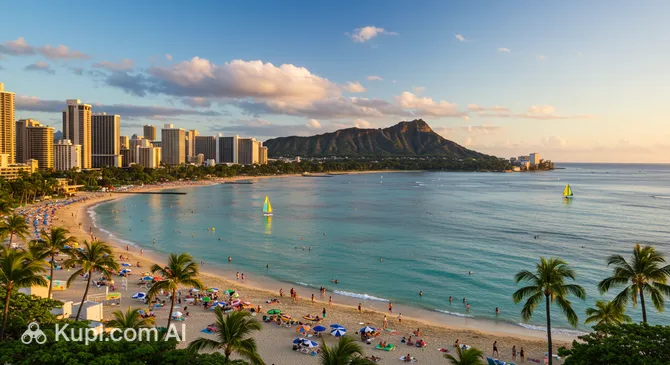
Welcome to Honolulu, the vibrant capital of Hawaii and the main gateway to the islands. This bustling metropolis offers a unique fusion of tropical relaxation and urban energy, making it one of the most exciting destinations in the United States. Located on the southern shore of Oahu, the city is famous for its stunning crescent beach backed by palm trees and high-rise hotels, creating a skyline that is instantly recognizable around the world.
Honolulu. Illustration.
Source: Kupi.com AI
Home to a population of approximately one million people, Honolulu serves as the economic and cultural hub of the state. The city enjoys a pleasant tropical climate, ensuring warm weather and sunshine throughout most of the year. Beyond its modern facade, the city holds deep cultural roots. Visitors can explore the fascinating history of Honolulu by visiting landmarks that tell the story of its transformation from a quiet fishing village to a royal capital and a modern major city.
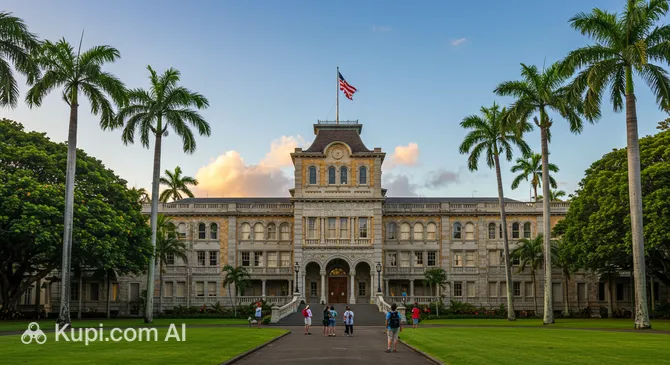
No trip to Honolulu is complete without experiencing its legendary attractions. Waikiki Beach is the perfect spot for surfing lessons or a sunset catamaran sail, while the iconic Diamond Head crater offers hiking trails with panoramic views of the coastline. For a touch of royalty, Iolani Palace stands as a majestic reminder of the Hawaiian monarchy. Whether you are looking for outdoor adventure, historical insight, or simply a place to unwind, Honolulu invites you to experience the true spirit of Aloha.
Weather Overview
Honolulu is famous for its exceptionally stable and pleasant tropical climate, welcoming visitors with warmth and sunshine throughout the year. The weather remains consistent, avoiding extreme seasonal changes, which makes the city a reliable destination for beachgoers and outdoor enthusiasts regardless of the calendar month.
Based on historical data, average temperatures hover comfortably between 22.3°C in February and 26.3°C in late summer (August and September). While the city is generally sunny, rainfall frequency varies slightly by season. The winter and spring months tend to see more frequent showers, with March experiencing up to 14 wet days, whereas the summer months are drier, dropping to as few as 6 wet days in September. For more detailed information on what to pack and when to visit, check the full guide to the weather in Honolulu.
Expect warm temperatures year-round with higher chances of rain in the winter and spring, while the summer offers slightly hotter days and drier conditions.
Average monthly temperature
Average monthly precipitation
Interesting Facts
Beyond the famous beaches and high-rise hotels, Honolulu holds many fascinating secrets that surprise even seasoned travelers. Dig a little deeper to discover the unique history and natural phenomena that define this island metropolis.
Iolani Palace. Illustration.
Source: Kupi.com AI
Traveler photos:
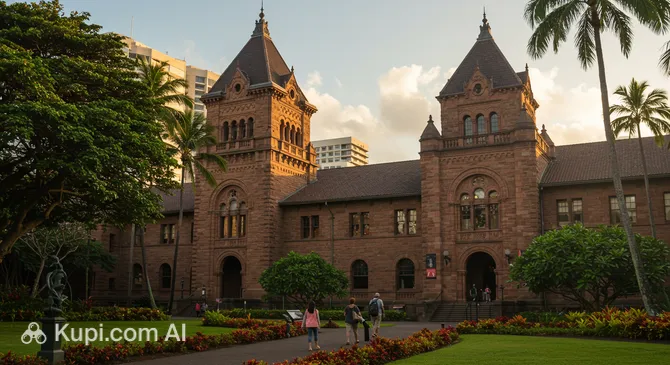
Honolulu is home to the only official royal residence in the United States. The majestic Iolani Palace was incredibly modern for its time, featuring electric lights and telephones years before the White House in Washington, D.C.
The city is often called the "Rainbow Capital of the World." The unique combination of trade winds, frequent passing showers, and abundant sunshine creates vivid rainbows across the valleys almost daily, a phenomenon locals call "anuenue."
Modern surfing was popularized right here on the shores of Waikiki. The legendary Duke Kahanamoku Statue honors the Olympic swimmer and native son who introduced the sport to the global stage, cementing the city's status as a surfer's paradise.
Technically, Honolulu is widely considered the "largest" city in the world by borders. The City and County of Honolulu constitutionally includes the entire island of Oahu and the distant Northwestern Hawaiian Islands, spanning more than 1,500 miles across the Pacific Ocean.
How to Get There
Reaching the tropical paradise of Honolulu is the exciting start to your Hawaiian adventure. As the capital city located on the island of Oahu, it is primarily accessible by air, serving as the central hub for the entire archipelago. Whether you are arriving from the mainland or internationally, planning your entry is straightforward. You can find more specific logistics and tips in our detailed guide on how to get to Honolulu.
The most significant and convenient entry point is Honolulu International Airport (IATA: HNL). It is located directly in Honolulu, just 7.1 km from the city center. As one of the busiest airports in the United States, it welcomes over 21 million passengers annually and accommodates flights from all over the world. Once you land, getting to the main hotel districts like Waikiki is quick and easy; a taxi or ride-share trip typically takes about 30 minutes depending on traffic.
If you are planning an island-hopping itinerary, you might also encounter Kahului Airport (IATA: OGG) or Molokai Airport (IATA: MKK). Please note that these are located on neighboring islands—Kahului on Maui (approx. 155 km away) and Hoolehua on Molokai (approx. 80 km away). You cannot drive or take a bus from these airports to Honolulu; instead, you would need to catch a short inter-island flight to reach the capital. These airports are vital for exploring the broader region but are not direct gateways to Honolulu itself.
For clarity, here is a summary of the main airports in the region:
Honolulu is packed with diverse experiences ranging from solemn historical sites to breathtaking natural wonders. While the famous Waikiki Beach is the center of action, the city offers many other must-visit destinations that showcase the unique culture and geography of Oahu.
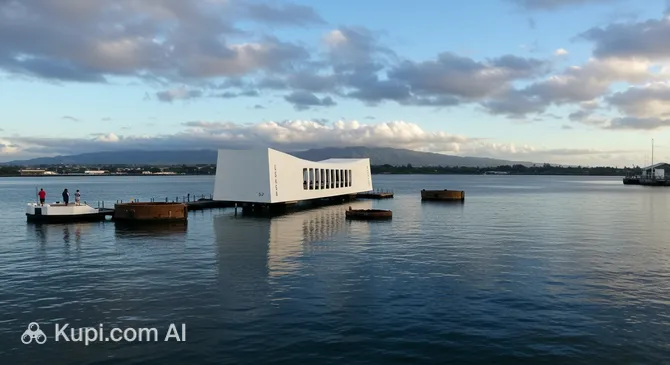
A visit to the city is profoundly shaped by the history at the Pearl Harbor National Memorial. This somber and moving site honors the service members and civilians who lost their lives during the attack on December 7, 1941. Visitors can explore the visitor center's exhibits before taking a boat to the USS Arizona Memorial, which floats directly above the sunken battleship, offering a powerful perspective on a pivotal moment in global history.
Pearl Harbor National Memorial. Illustration.
Source: Kupi.com AI
Traveler photos:
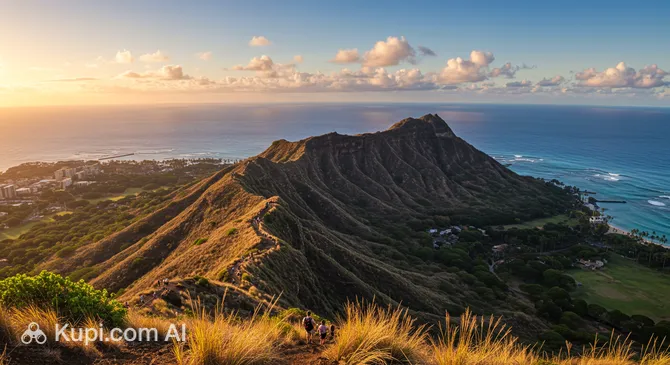
Dominating the coastline, the Diamond Head State Monument is perhaps the city's most recognizable natural landmark. Known locally as Lēʻahi, this volcanic tuff cone features a popular hiking trail that winds up the crater's interior to the summit. The trek is moderately challenging but rewards adventurers with breathtaking 360-degree views of the Pacific Ocean and the sprawling city below.
Diamond Head State Monument. Illustration.
Source: Kupi.com AI
Traveler photos:
To truly understand the rich heritage of the islands, a trip to the Bishop Museum is essential. As the premier institution for natural and cultural history in the state, it houses the world's largest collection of Polynesian cultural artifacts. The exhibits are extensive, ranging from Hawaiian royal heirlooms and ancient wayfinding tools to interactive displays about the unique ecosystem of the archipelago.
Bishop Museum. Illustration.
Source: Kupi.com AI
Traveler photos:
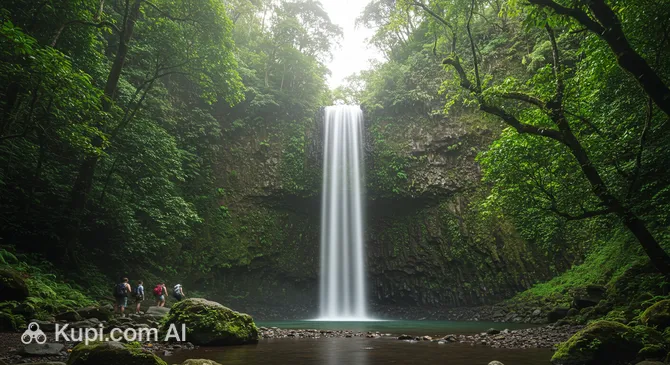
For a refreshing escape from the urban heat, head into the lush rainforest to explore Manoa Falls. A relatively accessible hiking trail takes you through a verdant jungle of towering bamboo and guava trees, leading to a stunning 150-foot waterfall. The scenery here is so prehistoric and dramatic that it has served as a filming location for major Hollywood productions like Jurassic Park.
Manoa Falls. Illustration.
Source: Kupi.com AI
Traveler photos:
While Waikiki gets most of the international fame, locals often prefer the spacious and tranquil Ala Moana Regional Park. Located just west of the main tourist strip, this expansive park features calm waters protected by an outer reef, making it ideal for swimming and paddleboarding. It is also a fantastic spot for a sunset picnic on the grassy lawns of Magic Island, offering a perfect view of the city skyline.
Local Cuisine
Honolulu’s culinary landscape is a vibrant tapestry woven from Native Hawaiian traditions, Asian influences, and American comfort food. The city is a paradise for food lovers, offering everything from fresh seafood caught daily to hearty plate lunches that reflect the diverse heritage of the islands. Dining here is not just about sustenance; it is an exploration of a unique "Pacific Rim" cuisine that fuses flavors from Japan, China, the Philippines, and Portugal with local ingredients.
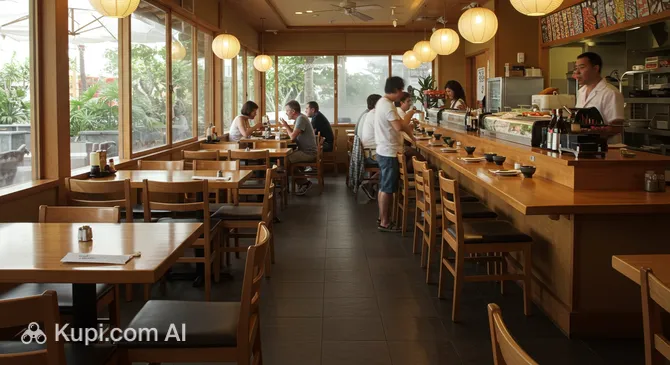
One dish you simply cannot leave without trying is poke. This quintessential Hawaiian staple consists of cubed raw fish, typically ahi tuna, marinated in soy sauce, sesame oil, sea salt, and other seasonings. While it is available in supermarkets everywhere, visiting a dedicated spot like Maguro Spot allows you to customize your bowl with fresh toppings and sauces. Another local favorite is the Loco Moco, a heavy comfort food dish featuring a hamburger patty over white rice, topped with a fried egg and smothered in rich brown gravy.
Maguro Spot. Illustration.
Source: Kupi.com AI
Traveler photos:
For a quick snack that perfectly represents the local fusion culture, try Spam Musubi. It consists of a slice of grilled Spam placed on top of a block of rice and wrapped in nori (seaweed). It is the ultimate portable snack for a beach day. You can find many varieties, including those with egg or bacon, at the popular Musubi Cafe Iyasume, which specializes in these handmade treats.
When it comes to drinks, the Mai Tai is the undisputed king of cocktails in Honolulu. Made with rum, curaçao, orgeat syrup, and lime, it is the perfect sunset companion. For a non-alcoholic option, the islands are famous for Kona coffee, grown on the neighboring Big Island but served freshly brewed in cafes across Honolulu. Fresh tropical juices, particularly pineapple and guava, are also refreshing staples available at breakfast tables and juice bars.
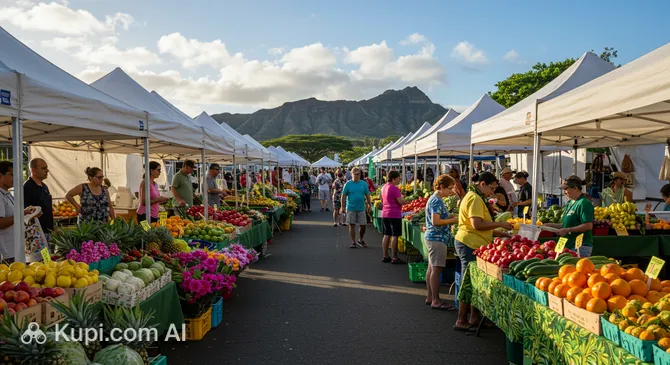
The food culture in Honolulu ranges from high-end oceanfront dining in Waikiki to casual food trucks and bustling markets. Locals often frequent "plate lunch" spots for generous portions at affordable prices. For a deeper dive into local produce and artisanal treats, the KCC Farmers’ Market is a must-visit destination. Here, you can sample everything from fried green tomatoes to exotic tropical fruits and locally made honey, mingling with residents and soaking up the community atmosphere.
KCC Farmers’ Market. Illustration.
Source: Kupi.com AI
Traveler photos:
Travel Tips
Aloha and welcome to Honolulu! To ensure your tropical getaway is as relaxing and seamless as possible, we have compiled a list of essential travel tips that cover everything from local customs to practical logistics. Keeping these suggestions in mind will help you navigate the island like a pro and embrace the true spirit of Hawaii.
Clothing and Gear: The vibe in Honolulu is strictly casual, so pack lightweight, breathable fabrics like cotton and linen. You will live in your swimsuit and "slippers" (the local term for flip-flops), but bring a light jacket for air-conditioned malls or cooler evening breezes. Crucially, bring or buy reef-safe sunscreen (free of oxybenzone and octinoxate), as standard sunscreens are banned to protect the coral reefs. If you plan to hike Diamond Head or Manoa Falls, sturdy sneakers are a must.
Transportation: While renting a car gives you freedom, be aware that Honolulu has some of the heaviest traffic in the US and parking in Waikiki is notoriously expensive. A fantastic alternative is TheBus, the island’s award-winning public transit system that covers almost every major attraction. For short trips, ride-hailing apps like Uber and Lyft are reliable, or you can use the Biki bikeshare program to zip around the city center.
Finances: The currency is the US Dollar (USD). Credit and debit cards are accepted almost everywhere, from high-end boutiques to small convenience stores. However, it is wise to carry some cash for food trucks or farmers' markets. Hawaii is expensive, so budget accordingly for meals and activities. Tipping is standard practice in the US; expect to tip 15-20% for restaurant service, taxi drivers, and tour guides.
Health and Safety: Honolulu is generally very safe, but standard precautions apply in tourist areas. The biggest safety factor here is the ocean: always obey lifeguard warnings and be aware of strong currents. For minor health needs, ABC Stores are found on nearly every corner in Waikiki and sell basic over-the-counter meds, while major pharmacies like Longs Drugs (CVS) are widely available.
Communication: English is the primary language, though you will often hear "Pidgin," a local creole language. You do not need a special SIM card if you have a US plan; international visitors can easily purchase prepaid SIMs at the airport or local mobile shops. Wi-Fi is standard in hotels and cafes. Learning a few Hawaiian words goes a long way: use Aloha for hello/goodbye and Mahalo for thank you.
Local Etiquette: The "Aloha Spirit" is real—be kind, patient, and respectful. It is customary to remove your shoes before entering someone's home (and sometimes even certain accommodations). When driving, locals rarely honk their horns; doing so is considered rude and aggressive unless it is an emergency. Let other drivers merge and wave a "shaka" (thumb and pinky out) as a thank you.
What to Avoid: Never, under any circumstances, touch or disturb the wildlife. Hawaiian green sea turtles (Honu) and Hawaiian monk seals often rest on the beaches. They are protected by state and federal laws, and getting too close or trying to take a selfie with them is illegal and highly offensive to locals. Keep a respectful distance of at least 10 feet (3 meters) for turtles and 50 feet (15 meters) for seals.
Additional Tip: Hawaii has a strict ban on single-use plastic bags. Stores will charge a fee for paper bags or may not provide them at all. Pack a few reusable shopping bags in your luggage—they are perfect for carrying groceries, wet swimwear, or souvenirs and help keep the islands clean.
By following these tips, you will be well-prepared to enjoy the stunning beauty and warm hospitality that Honolulu has to offer. Relax, slow down, and let the island rhythms guide your vacation—you are in for an unforgettable experience!
Entertainment & Nightlife
When the sun sets over the Pacific, Honolulu transforms from a laid-back beach town into a vibrant hub of evening entertainment. The nightlife scene here is diverse, catering to everyone from those seeking a romantic cocktail with a view to party-goers looking to dance until dawn. The epicenter of the action is undoubtedly Waikiki, where Kalakaua and Kuhio Avenues bustle with energy, neon lights, and music spilling out from open-air venues.
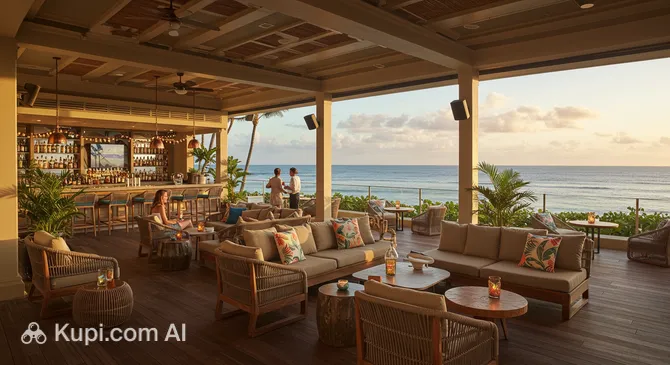
For a quintessential Hawaiian evening, start your night at the Deck at Queen Kapiʻolani Hotel. Located near the end of Waikiki, this open-air bar offers spectacular views of Diamond Head, making it an ideal spot for sunset drinks and live local music. If you are looking for something more energetic later in the night, Surf Bar Waikiki provides a lively atmosphere perfect for mingling and enjoying the island's party spirit.
Deck at Queen Kapiʻolani Hotel. Illustration.
Source: Kupi.com AI
Traveler photos:
Beyond the tourist-heavy streets of Waikiki, the Chinatown district offers a grittier, more hipster-friendly nightlife experience. This historic neighborhood comes alive, especially on "First Friday" art walks, featuring trendy rooftop bars, underground clubs, and speakeasy-style lounges. For larger scale entertainment, the Blaisdell Concert Hall is the city's premier venue, hosting everything from symphony orchestras and Broadway shows to concerts by international touring artists.
The atmosphere in Honolulu is generally relaxed, often described as "Aloha Casual." While shorts and slippers (flip-flops) are acceptable in many beach bars, upscale clubs and hotel lounges usually enforce a dress code requiring closed-toe shoes and collared shirts for men. Prices can be on the higher side, typical of a resort city, so look out for "Pau Hana" (happy hour) specials, which are popular among locals and visitors alike.
Getting around at night is relatively easy. Ride-sharing services like Uber and Lyft are widely available and are generally the safest and most convenient option, especially if you venture out to Chinatown. While Waikiki is very safe for walking at night due to the high volume of pedestrians and police presence, it is advisable to use taxis or ride-shares when returning from other districts like downtown Honolulu late at night.
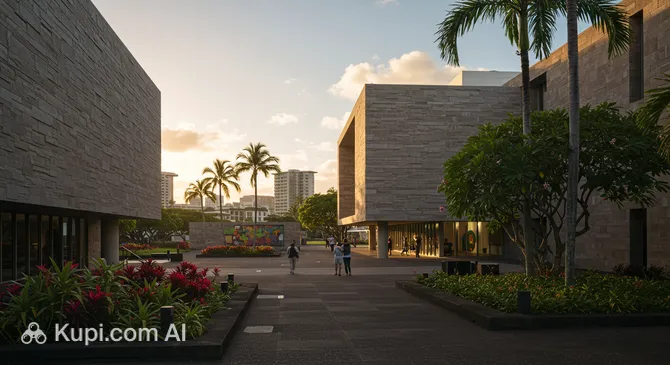
While the nights are exciting, the city offers plenty of cultural enrichment during the day. Art lovers should visit the Honolulu Museum of Art, which features an impressive collection of Asian and Pan-Pacific art in a beautiful courtyard setting. For families and nature enthusiasts, the Waikiki Marine Life Conservation District offers a chance to snorkel and see the vibrant underwater world just steps from the shore.
Honolulu Museum of Art. Illustration.
Source: Kupi.com AI
Traveler photos:
Parks & Museums
Honolulu is a city where urban life seamlessly blends with breathtaking natural beauty and deep-rooted heritage. Beyond the famous coastline, the city preserves its history and environment through an impressive array of botanical gardens, scenic lookouts, and world-class museums that offer a deeper understanding of the island's past and present.
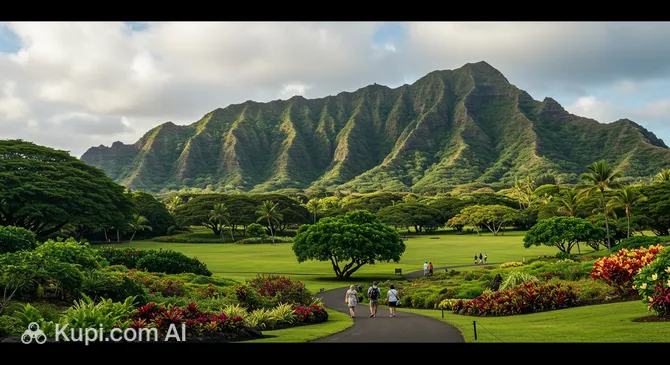
For a complete immersion in tropical flora, the Ho'omaluhia Botanical Garden is a stunning escape located at the foot of the majestic Koʻolau Mountains. The name translates to "a peaceful refuge to make peace," and the park certainly lives up to it. Spanning 400 acres, it features geographic collections of plants from the Philippines, Africa, and the Americas, all set against a dramatic backdrop of vertical cliffs. It is a perfect spot for nature walks, fishing, and photography, offering a tranquil alternative to the busy beaches.
Ho'omaluhia Botanical Garden. Illustration.
Source: Kupi.com AI
Traveler photos:
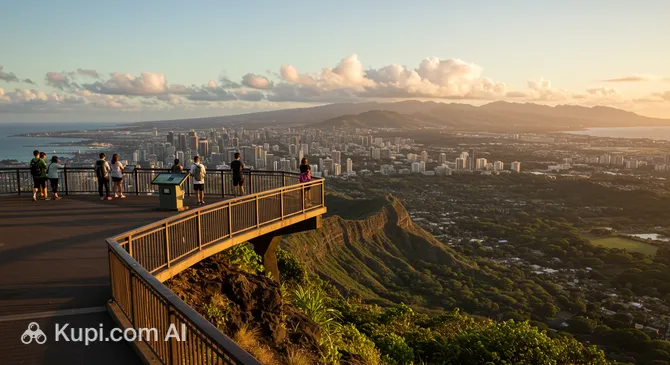
If you are looking for the best panoramic view of the city without a strenuous hike, head to Tantalus Lookout – Puu Ualakaa State Park. Located just a short drive from downtown, this vantage point offers sweeping views of Diamond Head, Waikiki, and Pearl Harbor. It is particularly magical at sunset, where you can watch the city lights begin to twinkle as the sky turns vibrant shades of orange and purple. The park also provides access to several hiking trails through lush eucalyptus forests.
Tantalus Lookout – Puu Ualakaa State Park. Illustration.
Source: Kupi.com AI
Traveler photos:
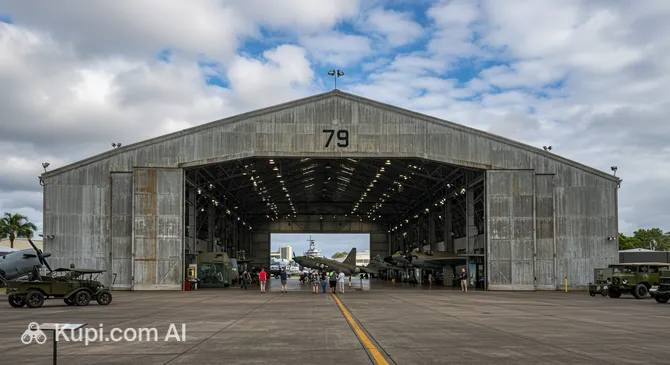
Honolulu's museums provide a fascinating window into the events that shaped the Pacific. Located on the historic Ford Island, the Pearl Harbor Aviation Museum occupies original WWII-era hangars that still bear the scars of the 1941 attack. The museum houses an extensive collection of vintage aircraft, from Japanese Zeros to American fighter jets, and offers interactive exhibits that detail the aviation history of the Pacific theater. It is an essential stop for history buffs wanting to understand the scale and impact of the aerial conflicts in the region.
Pearl Harbor Aviation Museum. Illustration.
Source: Kupi.com AI
Traveler photos:
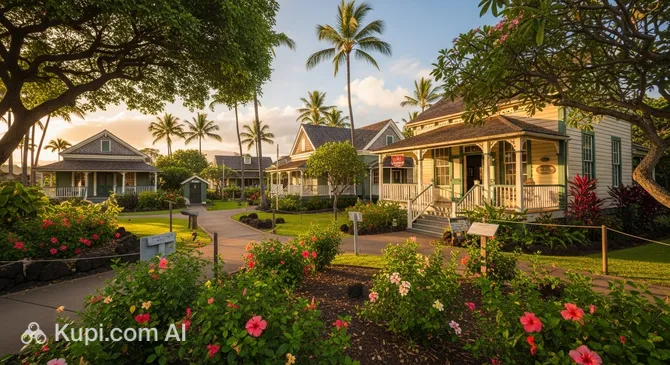
To understand the diverse cultural fabric of modern Hawaii, a visit to Hawaii's Plantation Village is highly recommended. This open-air history museum showcases the lifestyle and experiences of the immigrants who came to work on the sugar plantations. You can explore restored houses and structures representing the various ethnic groups—including Chinese, Japanese, Portuguese, and Filipino—that have contributed to the unique multicultural society of the islands today.
Hawaii's Plantation Village. Illustration.
Source: Kupi.com AI
Traveler photos:
For those seeking a more active outdoor experience, the Koko Crater Railway Trail offers a challenging workout with a rewarding view. This steep climb up an abandoned railway track leads to the summit of Koko Crater, providing one of the most exhilarating perspectives on the island's southeastern shore.
Getting Around
Honolulu offers a comprehensive and reliable public transportation network that makes exploring the city and the wider island of Oahu both affordable and convenient. The backbone of the system is TheBus, which is widely recognized as one of the best transit systems in the nation. Its extensive routes cover virtually every corner of the island, from the bustling streets of Waikiki to the remote beaches of the North Shore. Complementing the bus network is the recently launched Skyline, a modern light metro rail system. While currently operating on a limited route primarily serving West Oahu and the stadium area, it represents the city's future of rapid transit, connecting key suburban areas with urban centers.
For a more scenic and tourist-oriented experience, the Waikiki Trolley is a popular choice. These open-air trolleys operate on several color-coded lines that cater specifically to visitors. The Pink Line, for instance, is famous for connecting hotels with major shopping destinations like the Ala Moana Center, while other lines take passengers to historic sites and scenic lookouts. Riding a trolley is not just a mode of transport but an attraction in itself, allowing you to enjoy the tropical breeze and unobstructed views while moving between landmarks.
The primary payment method for public transit is the HOLO card, a reloadable smart card that works on both TheBus and Skyline. Using the card is highly recommended over cash because it offers "fare capping"—meaning once you spend a certain amount in a day (typically equal to two rides), all subsequent rides that day are free. Cash is accepted on TheBus, but you must have exact change, and paper transfers are no longer issued. If you pay with cash, you will have to pay full fare again for every new bus you board.
Tourists can easily purchase and reload HOLO cards at local retailers, most notably at ABC Stores and 7-Eleven locations, which are found on nearly every block in tourist districts. To ride, simply tap your card on the reader when boarding. TheBus generally operates from early morning until late at night, with some routes offering 24-hour service. For navigation, it is advisable to download the official DaBus2 app or use Google Maps, which provides accurate real-time arrival data and route planning.
If you prefer more flexibility, Honolulu has a robust alternative transport scene. Biki, the city's bikeshare program, features over 100 docking stations throughout Honolulu and Waikiki, making it perfect for short, breezy trips between beaches and cafes. Ride-sharing services like Uber and Lyft are extremely popular and often more convenient than traditional taxis. While renting a car is great for circle-island tours, parking in Honolulu—especially in Waikiki—can be scarce and expensive, so many visitors rely on public transit and ride-shares for their daily city travel.
Accommodation
Finding the perfect place to stay in Honolulu is an essential part of the experience, with options ranging from iconic luxury resorts to charming boutique hotels. The majority of visitors choose to stay in Waikiki, the city's tourism heartbeat, where high-rise hotels line the oceanfront, offering immediate access to the beach, world-class shopping, and vibrant nightlife. However, for those seeking a quieter atmosphere, there are exceptional properties located just outside the main bustle, providing a more secluded tropical escape.
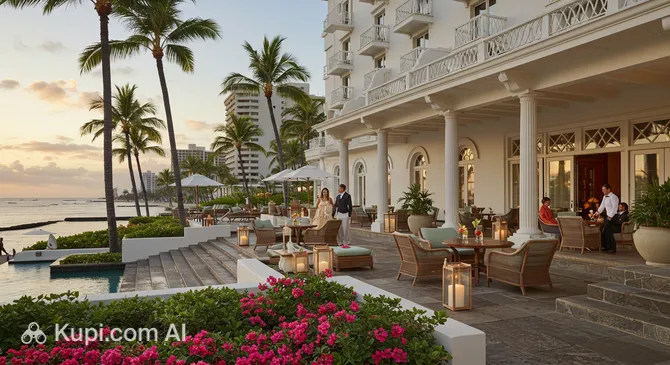
For travelers seeking the pinnacle of elegance and history, the Halekulani Hotel is a legendary choice. Known as the "House Befitting Heaven," this oceanfront property is an oasis of tranquility amidst the energy of Waikiki. It is renowned for its impeccable service, sophisticated atmosphere, and its signature orchid-tiled swimming pool, which has become a symbol of Hawaiian luxury.
Halekulani Hotel. Illustration.
Source: Kupi.com AI
Traveler photos:
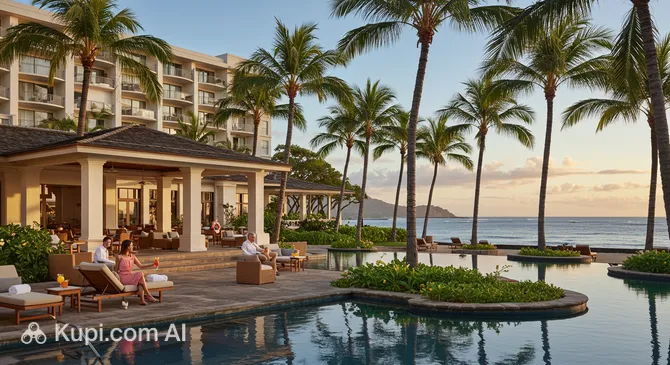
If you prefer a more private retreat away from the crowds, The Kahala Hotel & Resort offers a sanctuary on the other side of Diamond Head. A favorite among celebrities and dignitaries, this resort features its own secluded beach and a private lagoon inhabited by dolphins. It provides a perfect blend of isolation and accessibility, located just a short drive from the city center yet feeling worlds apart.
The Kahala Hotel & Resort. Illustration.
Source: Kupi.com AI
Traveler photos:
When booking your accommodation, it is important to be aware of "resort fees," which are mandatory daily charges added by many hotels to cover amenities like Wi-Fi, pool towels, and fitness center access. These fees can significantly add to the nightly rate, so it is wise to factor them into your budget. Additionally, ocean-view rooms are highly coveted and tend to sell out quickly, so reserving your stay well in advance is recommended, especially during peak travel seasons.
Nearby Cities
While Honolulu serves as the vibrant heart of Oahu, the surrounding areas offer their own distinct character and charm. Just a short drive from the capital, visitors can explore a variety of neighboring communities, ranging from the lush, scenic towns on the windward coast to the historic and residential hubs of the central plains. These nearby cities provide a wonderful opportunity to experience the diverse local lifestyles and environments that make the island so unique.
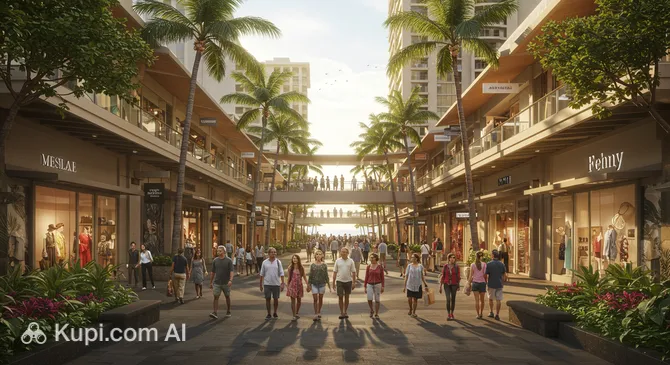
Honolulu is widely considered the premier shopping destination in the Pacific, offering a dazzling array of options that range from high-end luxury boutiques to charming local craft fairs. Whether you are looking for the latest international fashion trends or unique Hawaiian handicrafts, the city provides a diverse retail experience that caters to every style and budget. The shopping scene here is seamlessly integrated with the tropical environment, with many centers featuring open-air designs that allow you to enjoy the island breeze while you browse.
The heart of the action lies along Kalakaua Avenue in Waikiki. Often referred to as the "Luxury Row," this bustling strip is lined with flagship stores of major global designers and upscale brands. Walking down this palm-lined avenue is an experience in itself, where the energy of the city meets the relaxation of the beach. For a more boutique experience, the Waikiki Beach Walk offers a curated selection of shops and galleries. This vibrant promenade is perfect for finding resort wear, jewelry, and local art, all set within a lively atmosphere of music and dining.
Waikiki Beach Walk. Illustration.
Source: Kupi.com AI
Traveler photos:
When it comes to shopping malls, Honolulu boasts the world-famous Ala Moana Center, which is the largest open-air shopping mall in the world. While it hosts hundreds of stores, visitors seeking a more specialized collection often head to the nearby Ward Village or the Royal Hawaiian Center. These complexes provide a mix of well-known American brands and unique island retailers, ensuring that you can find everything from surf gear to evening wear in one convenient location.
For a taste of local culture and authentic products, the city's markets are unmissable. The KCC Farmers’ Market is not just for food; it is also an excellent place to find locally made gifts such as tropical jams, honey, and artisanal soaps. The Aloha Stadium Swap Meet is another favorite, offering a massive flea market experience where you can bargain for T-shirts, sarongs, and handcrafted wooden items at very affordable prices.
Souvenir hunting in Honolulu is a delight. The most popular items to bring home include Kona coffee, which is world-renowned for its rich flavor, and chocolate-covered macadamia nuts. Authentic Aloha shirts are a classic choice, ranging from vintage collectibles to modern designer prints. For music lovers, a genuine ukulele made from koa wood makes for a special keepsake. Other cherished local goods include Hawaiian quilts and jewelry featuring traditional designs or Tahitian pearls.
Most major shopping centers and department stores in Honolulu are open daily, typically from 10:00 AM to 9:00 PM, though hours may vary on Sundays and holidays. Credit and debit cards are widely accepted everywhere, even at most market stalls, though carrying some cash is useful for smaller vendors. It is important to note that Hawaii does not have a standard sales tax but rather a General Excise Tax (GET). In Honolulu, this is approximately 4.7% and is added to the purchase price at the register. Unlike in some international destinations, there is no tax refund system for tourists in the United States.