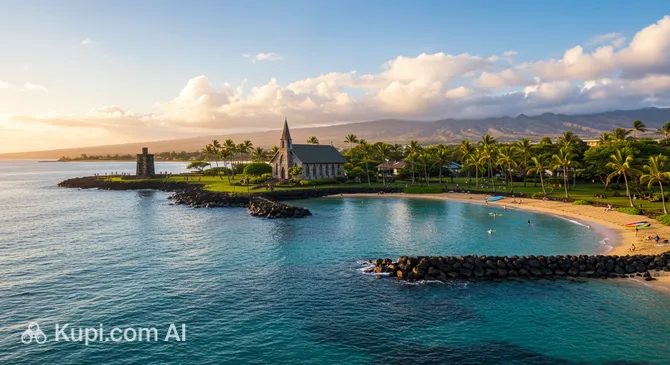
Welcome to Kailua-Kona, a vibrant seaside town located on the sun-drenched west coast of the Big Island of Hawaii. Often referred to simply as "Kona" by locals, this energetic destination serves as the center of commerce and tourism for the region. Situated in the United States, Kailua-Kona offers a perfect blend of historical significance and a modern resort atmosphere, making it an ideal base for exploring the island's diverse landscapes.
Kailua-Kona. Illustration.
Source: Kupi.com AI
The town is blessed with sunny and dry weather year-round, thanks to the shielding effect of the massive Mauna Loa volcano. While the permanent population is relatively small, the area feels bustling and lively, especially along the famous Ali‘i Drive. This scenic waterfront street is lined with shops, restaurants, and historical landmarks. Visitors interested in the past can explore the fascinating history of Kailua-Kona, which was once a retreat for Hawaiian royalty and the final home of King Kamehameha I.
Kailua-Kona is globally renowned for several unique features. It is the heart of the Kona Coffee belt, where world-class beans are grown on the volcanic slopes nearby. The calm and clear waters of the Kona Coast are perfect for snorkeling, diving, and spotting manta rays or green sea turtles. Additionally, the town gains international fame every October as the host of the grueling Ironman World Championship triathlon. Whether you are looking to sip premium coffee, explore royal palaces, or enjoy a sunset cruise, Kailua-Kona promises an unforgettable tropical getaway.
Weather Overview
Kailua-Kona is famous for its remarkably stable and pleasant climate, offering comfortable conditions for visitors throughout the year. The town enjoys a consistent temperature range, with monthly averages fluctuating only slightly between 18°C and 21°C. Because of its location on the leeward side of the Big Island, the area is generally protected from the heavy trade wind rains that affect other parts of Hawaii, though it does experience its own unique weather patterns.
For those looking to plan outdoor activities, checking the detailed weather in Kailua-Kona is recommended. The "cooler" winter months, such as January and February, see average temperatures around 18.3°C to 18.9°C, with nighttime lows rarely dropping below 15.8°C. The warmest period occurs in August and September, where average temperatures rise to approximately 21.3°C, and daytime highs peak at a comfortable 23.8°C.
Precipitation in this region is frequent but typically very light. While the data indicates a high number of "wet days"—ranging from 22 days in February to 31 days in late summer—the total rainfall volume is quite low, staying between 7mm and 22mm per month. This implies that rain often comes in the form of brief, passing showers or mist that rarely hinders exploration. Expect mild, consistent temperatures year-round with frequent but very light precipitation.
Average monthly temperature
Average monthly precipitation
Interesting Facts
Beyond the golden sunsets and pristine beaches, Kailua-Kona holds many fascinating secrets and historical distinctions that often escape the casual observer. This coastal town is not just a resort destination but a place deeply rooted in Hawaiian royalty and unique modern traditions.
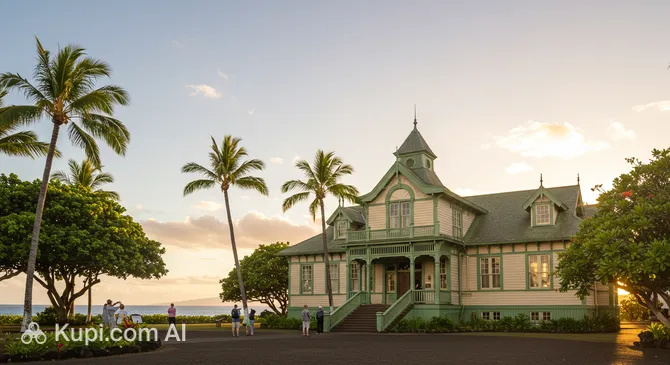
Kailua-Kona is home to one of only three royal palaces located in the United States. The Hulihe‘e Palace was originally built out of lava rock, coral, and koa wood in 1838 and served as a vacation home for Hawaiian monarchs. Today, it stands as a museum showcasing Victorian-era artifacts and personal belongings of the royal families.
The town features a unique public park that was once a fully functioning aviation hub. The Old Kona Airport State Recreation Area allows visitors to walk, jog, or skate directly on the preserved tarmac of the former runway, which closed in 1970 when the new airport opened. It is one of the few places in the world where a beach park incorporates an old airstrip.
Every October, the sleepy town transforms into the center of the endurance sports world. Kailua Pier serves as the iconic starting and finishing point for the Ironman World Championship. This grueling race was born in Hawaii and remains the ultimate test for triathletes, who must swim in Kailua Bay before biking and running along the lava fields.
The region is the only place in the United States that commercially grows vanilla, cacao, and coffee in significant quantities. The famous "Kona Snow" refers to the brief period when the coffee trees on the surrounding volcanic slopes bloom with fragrant white flowers, a phenomenon that precedes the harvest of the prized coffee cherries.
Hulihe‘e Palace. Illustration.
Source: Kupi.com AI
Traveler photos:
How to Get There
Reaching this tropical paradise is straightforward, with air travel being the primary method for visitors from the mainland and international destinations. For a detailed breakdown of all travel options and routes, you can read more about how to get to Kailua-Kona. Most travelers arrive directly on the island's west coast, enjoying immediate access to the resort areas.
The most convenient entry point is Kona International Airport at Keahole (IATA: KOA). Located approximately 11.9 km from the heart of Kailua-Kona, this open-air international airport perfectly captures the island's relaxed atmosphere. It handles a large volume of passengers annually, serving as the main hub for the western side of the Big Island. A taxi or shuttle transfer from the airport to the town center is quick and convenient, typically taking between 20 and 30 minutes.
Alternatively, visitors can fly into Hilo International Airport (IATA: ITO), situated in the city of Hilo on the eastern side of the island. It is located about 98.9 km from Kailua-Kona. While this airport is further away, it is a popular choice for those wishing to explore the lush rainforests and volcanoes on the east side before heading to the coast. Thanks to the improved cross-island highway, the drive to Kailua-Kona now takes approximately 1.5 hours.
For clarity, here is a summary of the main airports located on the Big Island of Hawaii:
Kailua-Kona offers a diverse array of activities that blend natural beauty with rich cultural heritage. Beyond the famous coffee farms and sunny beaches, the town is home to significant historical sites and vibrant local gathering spots that provide a deeper understanding of the island's spirit. Whether you are seeking an encounter with native wildlife or a taste of local life, these attractions are essential stops on your itinerary.
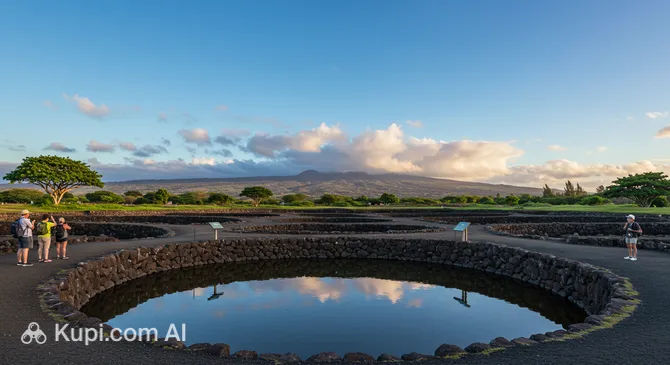
For nature lovers and history enthusiasts, the Kaloko-Honokōhau National Historical Park is a must-visit destination. This coastal park preserves ancient Hawaiian fishponds (loko i‘a), petroglyphs, and heiau (temples), offering a glimpse into how the early inhabitants lived and managed their resources. Visitors can hike along the rugged lava trails to the shoreline, where green sea turtles (honu) are frequently seen basking on the sand or swimming in the shallow waters. It is a peaceful place to connect with the land and learn about traditional Hawaiian culture.
Kaloko-Honokōhau National Historical Park. Illustration.
Source: Kupi.com AI
Traveler photos:
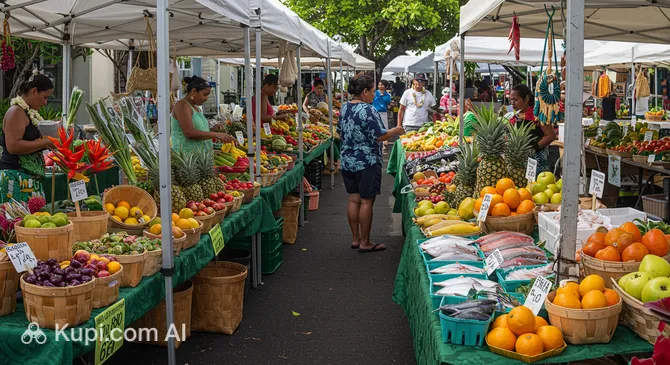
To experience the local flavors and vibrant community atmosphere, head to the Kona Farmers Market. Located in the heart of the town, this open-air market is bustling with vendors selling exotic tropical fruits like dragon fruit, papaya, and rambutan, as well as the world-famous Kona coffee. Apart from fresh produce, it is an excellent place to find handmade crafts, leis, and souvenirs. Strolling through the colorful stalls offers a sensory delight and a chance to support local growers and artisans.
Kona Farmers Market. Illustration.
Source: Kupi.com AI
Traveler photos:
No trip to Hawaii is complete without experiencing a traditional lū‘au, and the Voyagers of the Pacific Lū‘au delivers a spectacular evening of Polynesian entertainment. Set against the backdrop of the ocean at the Royal Kona Resort, this event features dynamic dances from across the South Pacific, including the thrilling Samoan fire-knife dance. Guests enjoy an all-you-can-eat buffet of island staples such as kalua pig, poke, and haupia, making it a feast for both the eyes and the palate.
Kailua-Kona is also legendary for its deep-sea adventures, often referred to as the "Billfish Capital of the World." Sport Fishing in Kailua-Kona attracts anglers from around the globe hoping to catch a "grander"—a marlin weighing over 1,000 pounds. The calm waters off the Kona coast drop to extreme depths very close to shore, making it accessible for charter boats to hunt for marlin, ahi (tuna), and mahi-mahi just minutes after leaving the harbor.
Local Cuisine
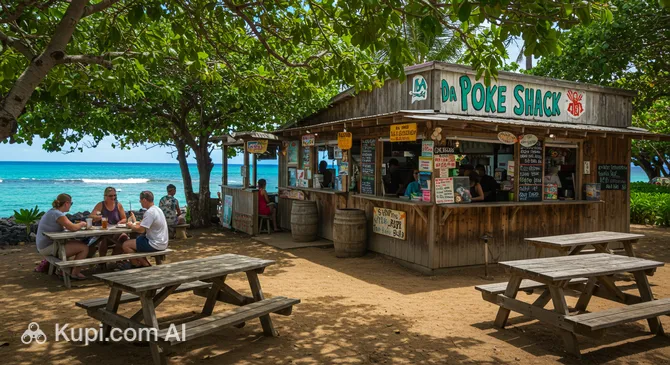
The culinary landscape of Kailua-Kona is heavily influenced by the bounty of the Pacific Ocean and the island's rich volcanic soil. At the top of every foodie's list is poke, a traditional Hawaiian dish consisting of diced raw fish—usually ahi (tuna)—marinated in soy sauce, sesame oil, seaweed, and other seasonings. It is a staple here, often served by weight in supermarkets or specialized roadside stops. For some of the freshest variations in town, visitors often head to Da Poke Shack, a local favorite renowned for its wide selection of authentic preparations and savory sides.
Da Poke Shack. Illustration.
Source: Kupi.com AI
Traveler photos:
Beyond raw fish, the "plate lunch" is a beloved comfort food tradition that reflects the island's multicultural history. This hearty meal typically features two scoops of white rice, a scoop of creamy macaroni salad, and a main entrée like Kalua pork (slow-roasted pig), chicken katsu, or teriyaki beef. For those seeking a classic seafood dinner in a relaxed setting, Quinn's Almost by the Sea offers generous portions of fresh catch and famous fish and chips, embodying the casual, unpretentious dining style that defines the town.
When it comes to beverages, Kailua-Kona is world-famous for its coffee. Grown on the slopes of Hualālai and Mauna Loa just minutes from the coast, 100% Kona Coffee is prized for its smooth, rich flavor and distinct lack of bitterness. It is the essential morning drink for locals and tourists alike. As the sun sets, the focus shifts to tropical cocktails. A Mai Tai made with fresh pineapple and lime juice is the perfect accompaniment to the ocean views. Bars like Da Shark Shack provide an excellent vantage point to enjoy these refreshing libations while watching the waves roll in.
The dining culture in Kailua-Kona is diverse, ranging from barefoot beach shacks to health-conscious eateries. Given the island's abundance of fresh produce, there is a strong movement towards farm-to-table dining. Places like Journey Cafe showcase this trend with plant-based dishes that utilize locally sourced ingredients. Whether grabbing a quick bite from a food truck or sitting down for a sunset dinner, the atmosphere is almost always laid-back, welcoming, and focused on the fresh, vibrant flavors of the Pacific.
Travel Tips
Welcome to Kailua-Kona! To ensure your tropical getaway is as relaxing and seamless as possible, we have compiled a list of essential travel advice. These practical tips will help you navigate the unique environment of the Big Island, respect local customs, and make the most of your time in this sun-soaked paradise.
Clothing and Gear: The vibe in Kailua-Kona is casual and laid-back, so lightweight, breathable clothing and swimwear are essentials. However, if you plan to visit higher elevations like Mauna Kea or the volcano areas, bring a warm jacket and long pants, as temperatures drop significantly. Crucially, you must use reef-safe sunscreen (mineral-based without oxybenzone or octinoxate), which is required by law in Hawaii to protect the coral reefs. Sturdy hiking shoes are also recommended if you plan to walk on rugged lava fields.
Transportation: While there is a limited public bus service called "Hele-On" and an open-air trolley that runs along Ali‘i Drive, renting a car is highly recommended for exploring beyond the town center. The Big Island is vast, and attractions are spread out. Ride-sharing apps like Uber and Lyft are available in Kailua-Kona but can be expensive and scarce for longer distances.
Finances: The official currency is the US Dollar (USD). Credit and debit cards are widely accepted at hotels, restaurants, and shops. However, it is wise to carry some cash for small purchases at the Kona Farmers Market, food trucks, or roadside fruit stands. Tipping is customary in the United States; expect to tip 15-20% for restaurant service, taxi rides, and tour guides.
Health and Safety: Kailua-Kona is generally very safe, but the sun is stronger here than many realize; stay hydrated and seek shade. Be aware of "vog" (volcanic smog) if you have respiratory issues, though it varies with the wind. For medical needs, there are standard pharmacies and urgent care clinics in town. When swimming, always observe ocean conditions and adhere to warning signs regarding currents and waves.
Communication: English is the primary language, but you will frequently hear Hawaiian words used in daily conversation. Learning a few key phrases like "Aloha" (hello, goodbye, love) and "Mahalo" (thank you) will be warmly received by locals. Mobile coverage is generally good in town but can be spotty in remote areas or lava fields. Wi-Fi is standard in most hotels and cafes.
Local Etiquette: The "Aloha Spirit" is real; patience and kindness are highly valued. On the road, "driving with aloha" means letting others merge and avoiding aggressive honking. It is also customary to remove your shoes before entering someone's home. deeply respect the land (‘āina) and cultural sites—do not climb on ancient rock walls or heiau (temples).
What to Avoid: Never touch, chase, or feed marine wildlife, especially the Green Sea Turtles (Honu) and Hawaiian Monk Seals. It is illegal and carries heavy fines; keep a respectful distance of at least 10 feet (3 meters) for turtles and 50 feet (15 meters) for seals. Additionally, do not take lava rocks or sand home as souvenirs—it is considered disrespectful and, according to legend, brings bad luck from Pele, the volcano goddess.
Additional Tip: For the best ocean experience, plan your snorkeling or boat trips for the early morning. The waters off the Kona coast are typically calmest before noon, as winds tend to pick up in the afternoon, making the ocean choppier and visibility lower.
By keeping these tips in mind, you are all set for an incredible journey filled with warm hospitality and breathtaking sights. Embrace the slower pace of island life, respect the natural beauty around you, and enjoy every moment of your Kona adventure!
Entertainment & Nightlife
Nightlife in Kailua-Kona is defined by its relaxed, tropical atmosphere rather than high-energy nightclubs or thumping bass. The evening entertainment typically begins with the sunset, which is a celebrated daily event along the coast. Locals and visitors alike gather at waterfront venues to toast the end of the day, often accompanied by the soothing sounds of live Hawaiian music, slack-key guitar, or ukulele performances. The vibe is distinctively "Aloha casual," encouraging open-air socializing under the stars.
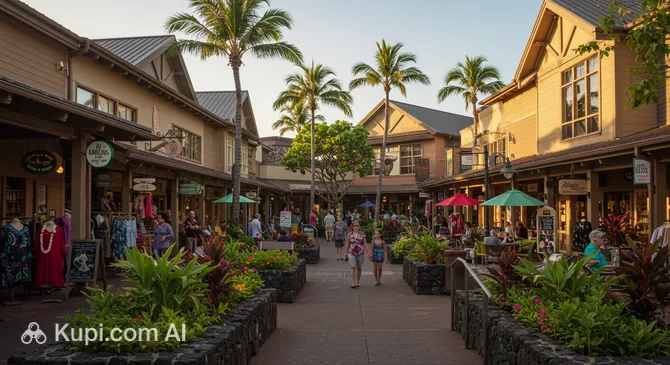
The epicenter of activity after dark is the historic Ali‘i Drive. This bustling oceanfront street transforms in the evening, with tiki torches lighting up the walkways and the sound of waves providing a natural soundtrack. A central hub for evening strolls is the Kona Inn Shopping Village. While primarily a shopping destination, its boardwalk offers a lively atmosphere where people gather to enjoy the ocean breeze, browse local art galleries that stay open late, and soak in the vibrant community spirit.
Kona Inn Shopping Village. Illustration.
Source: Kupi.com AI
Traveler photos:
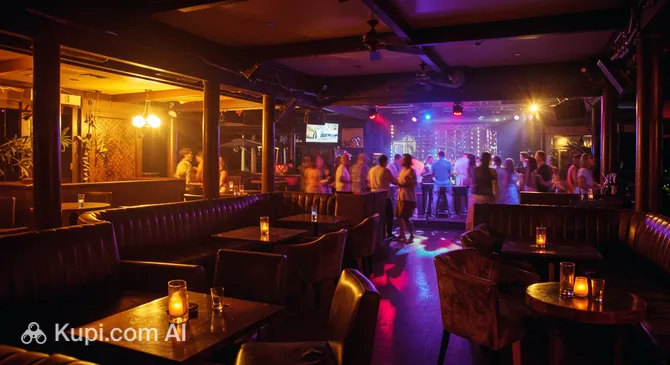
For those seeking a classic bar experience or a place to enjoy a cocktail with a view, the town offers several excellent options. Da Shark Shack is a popular choice for its unpretentious vibe and prime location overlooking the ocean, making it an ideal spot for a "pau hana" (after-work) drink. If you are looking for a venue that stays open a bit later than the standard resort bars, Quinn's Almost by the Sea is a local institution. Known for its late-night hours, it attracts a mix of residents and tourists looking to continue the evening in a friendly, pub-like setting.
Quinn's Almost by the Sea. Illustration.
Source: Kupi.com AI
Traveler photos:
When planning a night out, it is important to know that Kailua-Kona is an "early to bed, early to rise" town. The phenomenon often jokingly referred to as "Kona Midnight" occurs around 9:00 PM or 10:00 PM, when many kitchens close and the streets quiet down. Dress codes are almost universally casual; shorts, sandals, and Aloha shirts are acceptable in nearly every establishment. Prices can be on the higher side due to the resort location, so looking out for happy hour specials—usually between 3:00 PM and 6:00 PM—is a smart way to enjoy the nightlife on a budget.
Safety in Kailua-Kona is generally good, and walking along the main stretch of Ali‘i Drive is popular and safe during the evening hours due to the presence of other pedestrians. However, lighting can be dim in some areas, so it is advisable to stay in well-populated zones. If you plan to drink or venture further from the town center, ride-sharing services like Uber and Lyft are available, though wait times can be longer late at night. Local taxis are also an option, but it is best to have a number saved or ask a bartender to call one for you.
While the nights are laid-back, daytime entertainment in the city offers a different pace. Visitors can explore local movie theaters for the latest releases or visit small cultural museums that dot the coastline. For families, the days are best spent at beach parks or browsing the various shopping centers like the Kona Commons Shopping Center, which frequently hosts community events and offers a variety of dining and retail experiences before the sun goes down.
Parks & Museums
Kailua-Kona offers a fascinating mix of cultural heritage and coastal beauty, where royal history sits side-by-side with scenic public spaces. The city's parks and museums provide visitors with an intimate look into the area's regal past while offering ample space to enjoy the sunny leeward climate.
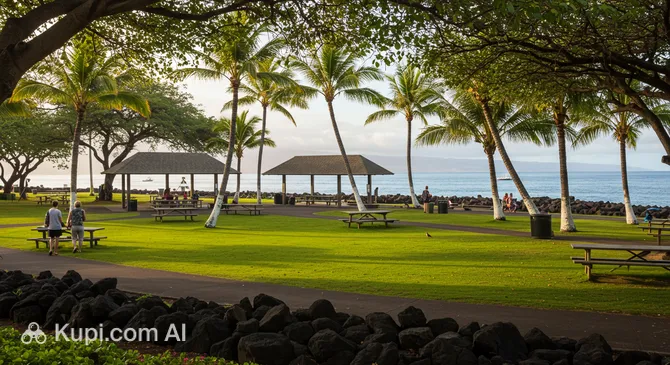
One of the most unique green spaces in the region is the Old Kona Airport State Recreation Area. Spanning the length of the former landing strip, this park has transformed the old tarmac into a mile-long walking and jogging path that runs parallel to the ocean. Beyond the runway, the park features a sandy beach, picnic pavilions, and lush gardens, making it a favorite spot for locals to gather for sunsets. The northern end of the park offers excellent tide pooling opportunities and a more secluded atmosphere for those looking to escape the crowds.
Old Kona Airport State Recreation Area. Illustration.
Source: Kupi.com AI
Traveler photos:
Another central hub for outdoor activity is the historic Kailua Pier. While not a traditional park, this bustling waterfront area serves as a communal gathering place where the ocean meets the town's history. It is a prime location for watching fishing boats weigh their catch or simply enjoying the view of Kailua Bay. Adjacent to the pier lies the small but significant Kamakahonu Beach, a calm, protected cove perfect for a quick dip and a moment of relaxation in the heart of the village.
For a deep dive into the monarchy era, the Hulihe‘e Palace operates as a distinguished museum managed by the Daughters of Hawaii. Inside this elegant structure, visitors can view a curated collection of Victorian-era artifacts, koa wood furniture, and personal belongings of the Hawaiian royalty. The museum offers a rare glimpse into the lifestyle of the monarchs who once vacationed here, preserving the grandeur of a bygone era within its lava-rock walls.
Just across the street stands another architectural landmark, the Mokuaikaua Church. As the oldest Christian church in the Hawaiian Islands, completed in 1837, its stone walls are made from crushed coral and lava rock held together by a mortar of sand and kukui nut oil. A small museum area inside details the history of the missionaries and the construction of this iconic spire that still dominates the skyline today.
Directly in front of the King Kamehameha's Kona Beach Hotel, history enthusiasts will find the Ahu‘ena Heiau. This restored temple was the personal sanctuary of King Kamehameha the Great and served as the seat of government during his final years. While the interior is sacred and restricted, the exterior can be viewed from the beach, offering a powerful connection to the spiritual history of the island.
For a quieter experience, seek out the small botanical gardens often found within the grounds of local resorts or the community gardens near the library. An insider tip for nature lovers is to visit the Sadie Seymour Botanical Gardens, located a short drive upslope; it is a hidden gem showcasing the diverse flora of Hawaii arranged by geographic origin, providing a peaceful retreat away from the coastal heat.
Getting Around
Navigating Kailua-Kona is relatively straightforward, though the public transport options are more limited compared to large metropolitan areas. The primary mode of public transportation is the Hele-On Bus system, which serves the entire island. While these buses connect Kailua-Kona with other major towns and districts, the frequency of service can be low, with some routes operating only a few times a day. It is a reliable option for budget-conscious travelers planning longer trips across the island, but it requires careful scheduling for short hops around town.
For visitors staying along the coast, the most popular and convenient option is the Kona Trolley. This open-air shuttle specifically caters to tourists and runs a regular route along the scenic Ali‘i Drive. It connects the major resorts, shopping centers, and beaches between the Keauhou area and the center of Kailua-Kona. Riding the trolley is not just a means of transport but an experience in itself, offering breezy, unobstructed views of the ocean and a relaxed pace that matches the "island time" atmosphere.
Regarding payment, the Hele-On Bus system has recently operated on a fare-free basis to encourage ridership, allowing passengers to board without purchasing tickets. However, policies can change, so it is always wise to check the latest updates upon arrival. The Kona Trolley typically charges a nominal fee per ride. If a fare is required, it is essential to carry cash in exact change, as drivers usually cannot provide change. There are no complex travel cards or subway turnstiles here; the system is simple and traditional.
Practical advice for using these services centers on planning and patience. Since buses can sometimes be delayed due to traffic or long distances, utilizing apps like Google Maps or the official Hele-On website to track schedules is highly recommended. Operating hours vary, with the trolley generally running from mid-morning until the evening (around 9:00 PM), while bus services may start earlier but end their routes by early evening. Always arrive at the bus stop a few minutes early and wave to the driver to ensure they see you.
Given the limited reach of public transit, many visitors opt for alternatives to explore the area with more freedom. Car rentals are by far the most popular choice, allowing access to remote beaches and mountain trails. For shorter trips within the town, taxis and ride-sharing apps like Uber and Lyft are readily available, though prices can surge during peak tourist seasons. Additionally, the flat terrain along the waterfront makes bike rentals a fantastic option for leisurely cruising between the shops and historical sites on Ali‘i Drive.
Accommodation
Accommodation in Kailua-Kona caters to a wide spectrum of travelers, ranging from independent explorers to those seeking full-service luxury. The most prevalent type of lodging in this area is the vacation rental or condominium, offering a "home away from home" experience with kitchen facilities and separate living areas. However, traditional hotels and sprawling oceanfront resorts are also plentiful. The most popular area to stay is along Ali‘i Drive, the town's vibrant main artery. Staying here places you within walking distance of restaurants, shops, and historical sites, while the Keauhou district to the south offers a quieter, more secluded resort atmosphere.
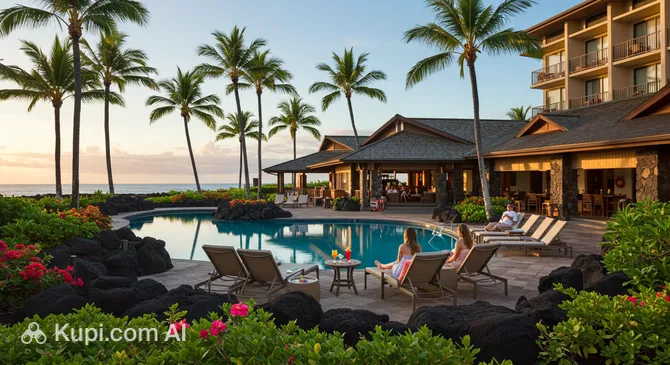
For visitors looking for a classic stay with convenient access to the coastline, the Kona Resort provides a comfortable base for exploring the island's west side. Travelers seeking more space often opt for condo-style accommodations such as Kona by the Sea. These properties typically combine the amenities of a hotel with the privacy of an apartment, often featuring stunning views of the rocky shoreline and the crashing waves that the Kona coast is famous for.
Kona by the Sea. Illustration.
Source: Kupi.com AI
Traveler photos:
The price range for accommodation in Kailua-Kona is generally moderate to high, which is typical for a popular Hawaiian destination. True budget options like hostels are somewhat limited, so travelers looking to save money often look for rentals slightly inland or upslope. Booking is easily done through major online travel platforms or directly through property management websites. A crucial booking tip: If you plan to visit during the Ironman World Championship in October or the peak winter holiday season, secure your accommodation at least six months in advance, as availability disappears rapidly and prices can soar.
Nearby Cities
For those looking to explore the surroundings, Kailua-Kona serves as an excellent base for day trips to several interesting nearby locations:
Located on the opposite side of the Big Island, Hilo is a favorite destination for a driving day trip. In stark contrast to the sunny, dry lava fields of Kona, Hilo is defined by its lush tropical rainforests, botanical gardens, and dramatic waterfalls, such as the easily accessible Rainbow Falls. Visitors can explore the historic downtown bayfront, visit the Pacific Tsunami Museum, or stop at the vibrant local market before heading up to the nearby volcano areas.
For those willing to take a short inter-island flight, Honolulu on the island of Oahu offers a completely different energy. As the state capital and largest city, it provides world-class shopping, dining, and iconic historical sites like Pearl Harbor. A quick hop over to Oahu allows travelers to experience the bustling city atmosphere and the famous Waikiki Beach before returning to the relaxed pace of the Big Island in the evening.
Another option for a quick island-hopping adventure is Kahului on Maui. Serving as the central hub of the Valley Isle, it offers access to unique landscapes, including the majestic Iao Valley and the road leading to the summit of Haleakalā. It is an ideal choice for visitors wanting to sample the distinct charm and geography of a neighboring island without a long commute.
These nearby destinations offer a glimpse into the diverse culture and landscapes of the region, ranging from lush rainforests to bustling metropolitan centers.
Shopping & Souvenirs
Shopping in Kailua-Kona is a relaxed and enjoyable experience that mirrors the town's laid-back atmosphere. Instead of sprawling mega-malls, visitors will find charming open-air marketplaces, historic boardwalks lined with boutiques, and convenient centers for everyday needs. Strolling along the oceanfront while browsing for treasures is a favorite pastime, allowing you to soak in the sea breeze and vibrant local culture simultaneously.
For a quintessential Kona experience, head to the Kona Inn Shopping Village. Located right on Ali‘i Drive, this historic boardwalk offers a collection of specialty shops and galleries nestled within a rustic, plantation-style setting. It is the perfect place to find high-quality Hawaiian gifts, from koa wood jewelry and Polynesian art to stylish resort wear. The oceanfront location means you can easily transition from shopping to watching the waves or enjoying a sunset drink at a nearby restaurant.
If you are looking for fresh local produce and handcrafted souvenirs, the Kona Farmers Market is a must-visit. Situated in the heart of the town, this bustling outdoor market features colorful stalls laden with exotic fruits like papaya, mango, and dragon fruit, alongside locally grown macadamia nuts and the world-famous Kona coffee. Beyond food, it is an excellent spot to pick up affordable gifts such as hand-carved tikis, leis, and woven hats directly from local artisans.
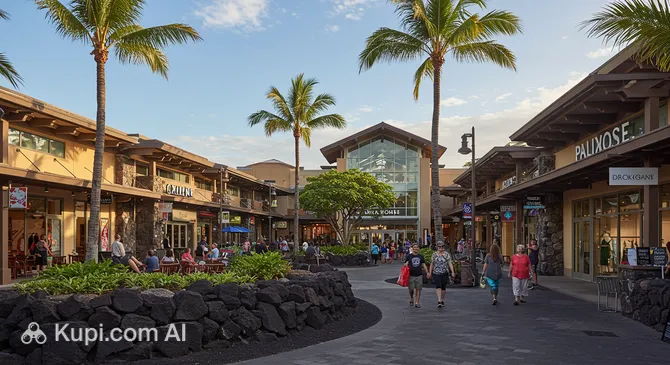
For a more modern retail experience, the Kona Commons Shopping Center serves as a convenient hub for both residents and visitors. This open-air center features a mix of national retailers, local boutiques, and dining options. It is a great place to stock up on beach essentials, groceries, or outdoor gear. The center often hosts community events, including artisan fairs and pet adoption days, adding a lively community feel to your shopping trip.
Kona Commons Shopping Center. Illustration.
Source: Kupi.com AI
Traveler photos:
When searching for the perfect keepsake, keep an eye out for goods that define the Big Island. 100% Kona Coffee is arguably the most popular purchase; buying it directly from a farm or a local roaster ensures the best quality. Other authentic souvenirs include Aloha shirts with vintage prints, handcrafted ukuleles, and Hawaiian sea salt. Whether you are looking for a luxury item or a small token of your trip, Kailua-Kona’s diverse shopping scene offers something for every taste and budget.