Support

Hoolehua

About

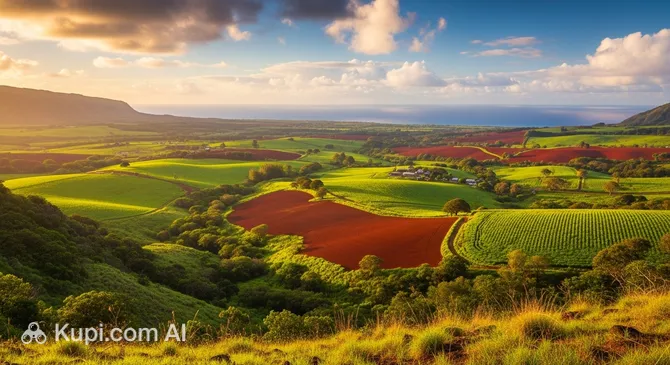
Welcome to Hoolehua, a small but culturally rich community located on the central plateau of the island of Molokai. Known for its serene atmosphere and deep connection to the land, this area offers travelers a rare glimpse into the "Old Hawaii" lifestyle, far removed from the bustling crowds of other tourist hubs in the United States.

Hoolehua. Source: Kupi.Binoculars

Geographically, Hoolehua sits at an elevation that provides a pleasant, breezy climate, making it an ideal location for agriculture. The area is famously associated with the Hawaiian Homestead program, which has significantly shaped the local identity and landscape. To learn more about how this community developed over the decades and its agricultural roots, you can explore the history of Hoolehua. Today, it also serves as a vital gateway to the island, as it is home to Molokai’s main airport.

Visitors are often drawn here for unique local experiences that cannot be found elsewhere. One of the top attractions is Purdy's Natural Macadamia Nut Farm, where guests can crack open fresh nuts and learn about sustainable farming in an interactive setting. Another delightful and quirky stop is the local post office, famous for its "Post-a-Nut" program, which allows you to decorate a real coconut and mail it to friends and family anywhere in the world.

Whether you are arriving by plane or simply exploring the central part of the island, Hoolehua invites you to slow down and appreciate the simple pleasures of island life. It is a perfect destination for those seeking authenticity, friendly faces, and a genuine touch of agricultural charm.

Weather Overview

Travelers to this part of Molokai will find a delightfully consistent climate that welcomes visitors year-round. The weather in Hoolehua is characterized by its stability, offering warm days and comfortable nights without extreme fluctuations.

Temperatures remain pleasant throughout the seasons, with averages ranging from a mild 22.4°C in February to a balmy 25.8°C in September. The summer months, particularly from June to September, are notably dry with very few rainy days, making them perfect for exploring the outdoors. While the winter season sees a slight increase in precipitation with up to 8 wet days in February, the showers are typically light, ensuring that the island's charm is rarely dampened.

Interesting Facts

Beyond its agricultural charm, Hoolehua holds fascinating secrets that highlight its unique place in Hawaiian culture and history. From ancient legends to significant milestones in community development, these details reveal the true character of this homestead town.

  • Birthplace of Hula: Just to the west of the community lies Kaʻana, a site revered in oral tradition as the legendary birthplace of the hula. According to local lore, the goddess Laka first taught the sacred dance on this hill, making the area spiritually significant long before it became a modern settlement.

  • Pioneering Homesteads: Hoolehua holds a pivotal place in local history as one of the very first communities established under the Hawaiian Homes Commission Act. Settled in 1924, it paved the way for returning native Hawaiians to the land, and this legacy of agricultural homesteading remains the heart of the town's identity today.

  • Zero Traffic Lights: Despite housing the island's main airport, Hoolehua adheres to Molokai’s strict "no traffic lights" tradition. There are absolutely no traffic signals in the town, ensuring that even the busiest intersections are navigated with patience and a friendly wave.

  • Standardized Identity: Although the community has existed for a century, the spelling of its name was a subject of variation for decades. The Hawaii State Board on Geographic Names officially standardized it as "Hoʻolehua" in 2003, formally recognizing the importance of the ʻokina (glottal stop) in the Hawaiian language.

How to Get There

Reaching this serene community on the island of Molokai is an adventure in itself, primarily relying on air travel due to the island's secluded nature. While the destination feels worlds away from the hustle of modern life, it is surprisingly accessible thanks to local air connections. For a comprehensive look at travel logistics, you can read the detailed guide on how to get to Hoolehua.

The community is served directly by Molokai Airport (MKK), which acts as the main lifeline for residents and visitors alike. Located right in Hoolehua, approximately 3.5 km from the center of the homestead area, it offers a stress-free arrival experience. Due to the close proximity, a taxi or shuttle ride to your accommodation is very quick, typically taking just a few minutes. This small, open-air facility perfectly sets the tone for a relaxed stay.

Most travelers arriving from outside Hawaii will first fly into Honolulu International Airport (HNL) in Honolulu, which is located about 90.6 km away on the neighboring island of Oahu. As a major international hub, it welcomes millions of passengers annually. Since there are no bridges or road connections between the islands, you cannot take a taxi directly from Honolulu to Hoolehua; instead, you will transfer to a short inter-island flight that offers spectacular views of the Pacific Ocean before touching down in Hoolehua.

For clarity, here is a summary of the main airports facilitating travel to the region:

Airport Name City Passenger Traffic Km from City
Honolulu International Airport Honolulu Very High 90.6
Kahului Airport Kahului High 72.7
Molokai Airport Hoolehua Medium 3.5
Kapalua Airport Kapalua Small 46.9
Lanai Airport Lanai City Small 43.7

Hoolehua does not have a railway station, and indeed, there is no passenger rail service on the island of Molokai. Visitors are advised to arrange for a rental car or use local shuttle services to get around, as public transportation options are limited and the rural layout of the community is best explored by road.

Main Attractions

While Hoolehua is a small homestead community, it is home to some of the most iconic and authentic experiences on the island of Molokai. The attractions here are less about grand monuments and more about connecting with the land, the culture, and the local people. Visitors can expect a relaxed pace and genuine hospitality at these key stops.

One of the top highlights is Purdy's Natural Macadamia Nut Farm, a working farm located on Hawaiian Homestead land. This attraction is a favorite because it offers a truly hands-on educational experience. Visitors can stroll through the orchard to learn about the growth cycle of the macadamia tree and then try their hand at cracking fresh nuts between two stones in the traditional island style. The tour typically ends with a tasting of the raw and roasted nuts, often paired with fresh coconut, providing a delicious taste of local agriculture.

For a unique souvenir experience, a stop at the Hoolehua Post Office is essential. This otherwise ordinary government building is famous among travelers for its "Post-a-Nut" program. Instead of a standard postcard, you can select a dried coconut, decorate it with colorful markers provided by the staff, and mail it to friends or family anywhere in the world. It is a quirky and memorable activity that perfectly captures the playful spirit of the island.

Just a short drive north of the community center lies Palaau State Park, a beautiful natural refuge shaded by a dense forest of ironwood trees. It is interesting to tourists primarily for the Kalaupapa Lookout, which offers a breathtaking panoramic view of the historic Kalaupapa Peninsula and the world’s highest sea cliffs. The park also contains the sacred Phallic Rock (Kauleonanahoa), a site steeped in ancient Hawaiian legends regarding fertility, making it a place of both scenic beauty and cultural significance.

Local Cuisine

The culinary landscape of Hoolehua is deeply rooted in the "aina" (land), reflecting the community's strong agricultural heritage rather than a commercial dining scene. Food here is fresh, simple, and often sourced directly from the surrounding homesteads. Visitors will find that the local cuisine focuses on authentic ingredients and home-style preparation, offering a genuine taste of the rustic Molokai lifestyle.

One of the most iconic flavors of Hoolehua comes from the macadamia nut. With a prominent local farm located right in the community, travelers have the unique opportunity to taste these nuts in their freshest form—straight from the tree. Unlike the processed varieties found elsewhere, the nuts here are often enjoyed raw or lightly roasted with sea salt, highlighting their natural, buttery sweetness. They are a quintessential snack that perfectly represents the region's farming roots.

Another delicacy that defines the local palate is Molokai venison. Due to the abundance of Axis deer on the island, venison has become a sustainable and popular protein source for residents. You might find it served as savory jerky, hearty burgers, or in rich stews at gatherings. Additionally, no culinary discussion of the island is complete without mentioning Molokai hot bread. While the famous bakery is located in the main town, this massive, cream-filled loaf is a staple late-night treat enjoyed by everyone in Hoolehua.

When it comes to beverages, the area is known for its proximity to local coffee plantations. Molokai coffee is celebrated for its low acidity and smooth finish, making it a favorite morning ritual. For a refreshing non-alcoholic option, fresh coconut water is widely available, often harvested directly from the palm. The drinking culture here is relaxed, favoring these natural refreshments over vibrant nightlife.

Dining in Hoolehua is an unpretentious and casual affair. There are very few sit-down restaurants within the homestead area itself; instead, the food culture revolves around family gatherings, potlucks, and small local cookhouses nearby. Tourists looking for a meal will often head to the neighboring village of Kualapuu or enjoy a picnic with fresh produce purchased from local farm stands, embracing the slow and communal pace of island eating.

Travel Tips

Visiting Hoolehua offers a rare chance to experience the peaceful rhythm of Molokai, but this rural homestead community operates differently from the busy resort areas found elsewhere in Hawaii. To help you settle into the "slow down" philosophy and navigate the local customs with ease, here are some practical tips for your trip.

  1. Clothing and Gear: The dress code here is strictly casual; shorts, t-shirts, and sandals are acceptable almost everywhere. Since Hoolehua sits on the central plateau, it can get breezy, so packing a light windbreaker is a good idea. Crucially, avoid wearing expensive white shoes or light-colored pants if you plan to explore farms or nature trails, as the region's famous red dirt stains are stubborn and often permanent.

  2. Transportation: Renting a car is an absolute necessity. There is no reliable public transportation system for tourists in this scattered community, and attractions are too far apart for walking. Since Hoolehua is home to the airport, you should pick up your vehicle immediately upon arrival. Remember, there are no traffic lights on the entire island—drive slowly and enjoy the view.

  3. Finances: The currency is the US Dollar. While the airport and established businesses accept credit cards, many small local vendors, fruit stands, and craft sellers operate on a cash-only basis. ATMs are available at the airport and in the nearby town of Kaunakakai, but it is wise to carry enough cash for daily small purchases. Tipping follows standard US customs (15-20% for service).

  4. Health and Safety: Hoolehua is a safe and quiet community, but medical facilities are limited. The nearest hospital and full-service pharmacy are located in Kaunakakai, roughly a 10-15 minute drive away. Pharmacies are not open 24/7, so bring sufficient prescription medication with you. Always use high-SPF sunscreen, as the cool breeze can mask the intensity of the tropical sun.

  5. Communication: English is the primary language, though you will frequently hear "Pidgin" (Hawaii Creole English) in casual conversation. Cell phone reception is generally reliable near the airport and main roads but can be spotty in outlying homestead areas. Do not rely on finding public Wi-Fi spots; download offline maps before you head out to explore.

  6. Local Etiquette: The "Aloha Spirit" is a way of life here. When driving, it is customary to acknowledge passing drivers with the "Molokai Wave"—a simple raising of the hand or fingers from the steering wheel. Always remove your shoes before entering a private home or vacation rental. Respect is key; greet people with a smile and avoid rushing them.

  7. What to Avoid: Do not honk your car horn unless it is a strictly necessary safety warning. On Molokai, honking is considered aggressive, rude, and essentially says "get out of my way." Also, strictly avoid driving down unpaved dirt roads or driveways that look like private property; Hoolehua is a community of private homes, and residents value their privacy highly.

  8. Operating Hours: Be prepared for "island time" and early closures. Many businesses, including gas stations and grocery stores, close much earlier than on the mainland (often by 5:00 PM or 6:00 PM) and may be closed entirely on Sundays. Plan your logistics and supply runs early in the day to avoid being caught out.

By embracing these simple guidelines, you will find that the community is incredibly welcoming and eager to share its heritage. Relax, respect the land and the locals, and enjoy the unique tranquility that makes this authentic corner of Hawaii so special.

Entertainment & Nightlife

Travelers hoping to find a vibrant club scene or bustling nightlife districts in Hoolehua will quickly discover that this homestead community marches to the beat of a much slower, quieter drum. In this rural part of Molokai, the sun sets, and the town goes to sleep. There are no nightclubs, discos, or neon-lit bars within Hoolehua itself. Instead, the "nightlife" here is defined by an incredible canopy of stars, the sound of the wind sweeping across the plains, and a profound silence that is rare in the modern world.

For those seeking evening entertainment, a short drive is necessary. The nearest hub for social activity is the town of Kaunakakai, located about 10 to 15 minutes away by car. This is where locals and visitors congregate for food, drinks, and music. The atmosphere is incredibly laid-back and welcoming; the "dress code" is strictly casual, with shorts and slippers (flip-flops) being the standard attire. Even in this "hub," do not expect parties that last until dawn—most venues wind down by 9:00 PM or 10:00 PM.

One of the most popular spots for an evening out is Hiro's Ohana Grill, located at the Hotel Molokai. Situated right on the oceanfront, it offers a relaxed setting where you can enjoy a cocktail while listening to live local bands playing traditional Hawaiian music. It is the closest thing to a "night out" you will find near Hoolehua. Another favorite is Paddlers Restaurant and Bar, a central gathering place known for its friendly vibe, hearty food, and occasional live entertainment. It serves as a community meeting point where tourists can easily mingle with residents.

Practicality is key when planning an evening here. Since Hoolehua and the surrounding roads have no streetlights, driving at night requires extra caution. The roads are pitch black, and you must be vigilant for deer or pedestrians. Public transportation does not operate at night, and hailing a taxi on the street is impossible. You must arrange a taxi in advance or, more likely, rely on your rental car. If you plan to drink, having a designated driver is absolutely essential due to the dark, winding roads and lack of alternative transport.

In terms of safety, the area is very secure from a crime perspective, but walking around Hoolehua at night is not recommended simply due to visibility issues. There are no sidewalks, and the darkness is absolute. It is better to enjoy the night sky from the porch of your accommodation. During the daylight hours, entertainment remains low-key and culturally focused. While you won't find amusement parks or theaters, visitors can enjoy the unique charm of the local macadamia nut farm or explore the rugged coastline, soaking in the natural beauty that defines daytime life on the island.

Parks & Museums

In the quiet homestead community of Hoolehua, you will not find manicured city gardens or sprawling museum complexes. Instead, the area offers a raw, untouched connection to nature and a deep respect for history that is preserved in living landscapes and restored heritage sites. The green spaces here are wild and scenic, offering solitude and breathtaking views, while the cultural venues focus on the island's agricultural roots and industrial past.

The most significant natural area in the immediate vicinity is Palaau State Park. Located just a short drive north of the main settlement, this park is renowned for its enchanting forest of ironwood trees, which create a cool, shaded canopy perfect for picnics and camping. Beyond the forest trails, the park serves as the gateway to the famous Kalaupapa Lookout. From this vantage point, visitors can gaze down the world’s highest sea cliffs to the historic peninsula below, gaining a powerful perspective on the island’s geography. The park is also home to Kauleonanahoa (the Phallic Rock), a sacred site associated with ancient fertility legends.

For those interested in coastal ecology, the Mo'omomi Preserve offers a starkly beautiful contrast to the lush forests. Situated along the northwest coast near Hoolehua, this area protects one of the last remaining intact coastal sand dune ecosystems in Hawaii. Often called the "Galapagos of Hawaii" by naturalists, it is a sanctuary for rare native plants and nesting seabirds. While access can be limited to protect the fragile environment, guided nature hikes are sometimes available and provide a rare glimpse into what the islands looked like before human settlement.

When it comes to history and culture, the Molokai Museum and Cultural Center is the premier institution in the region. Located in the nearby area of Kalae, just minutes from Hoolehua, it centers around the restored R.W. Meyer Sugar Mill. Built in 1878, this mill is a fascinating example of early industrial engineering and remains the oldest standing sugar mill in Hawaii. Visitors can explore the machinery, view exhibits on the island’s plantation era, and watch a documentary that weaves together the stories of the land and its people.

Another cultural touchpoint that functions as a living museum is Purdy's Natural Macadamia Nut Farm. While it is an active farm, it provides an immersive educational experience that rivals traditional museum tours. Here, the focus is on the ethnobotany of the macadamia nut and the sustainable lifestyle of the Hawaiian homesteaders. It offers a hands-on way to understand the agricultural heritage that defines the community of Hoolehua today.

For a truly authentic experience, try to visit the Mo'omomi Preserve during a guided community workday or educational tour if your schedule permits. It is not just a walk on the beach; it is a lesson in conservation and respect for the land ("aloha aina") that lies at the heart of the local culture.

Getting Around

Travelers arriving in Hoolehua will quickly realize that the public transport infrastructure here is vastly different from what one might find in a typical city. There is no metro system, no tram network, and no trolleybuses. The area is a rural homestead community, and the transportation options reflect this quiet, low-density lifestyle. The primary form of shared transport comes in the form of rural bus services, which are designed more to assist residents with essential travel rather than to facilitate sightseeing for tourists.

The main public transit option is the bus service operated by Maui Economic Opportunity (MEO). These buses function as a rural shuttle system connecting Hoolehua with the main town of Kaunakakai and the western village of Maunaloa. The buses are generally smaller shuttle-style vehicles rather than large city coaches. While they are reliable, the frequency is quite low, often with only a few runs per day. Tourists wishing to use this service must plan their day strictly around the bus schedule, as missing a connection could mean a wait of several hours.

Regarding payment, simplicity is key. The MEO bus service on the island has historically been offered free of charge or for a nominal donation, as it is a community-focused program. There are no smart cards, mobile apps, or ticket vending machines. If a fare or donation is required, it must be paid in cash directly to the driver upon boarding. It is essential to carry small bills and coins, as drivers rarely carry change.

For visitors, relying solely on the bus system is often impractical due to the limited operating hours and routes. The most viable alternative—and the one chosen by the vast majority of travelers—is renting a car. Rental agencies are conveniently located at the airport in Hoolehua. Having a private vehicle allows you to explore the scattered attractions of the region at your own pace, without being tethered to a sparse timetable. Ride-sharing apps, which are ubiquitous in many parts of the world, are virtually non-existent or extremely unreliable here, so do not count on booking a ride via your phone.

Taxi services are available but operate differently than in major metropolitan areas. You cannot simply hail a cab on the street in Hoolehua. Taxis must be booked in advance by phone, and availability can be limited, especially in the evenings. These are typically locally owned operations rather than large fleets. Payment for taxis is almost exclusively cash-based, and fares can be relatively high due to the distances involved. Always confirm the price with the dispatcher or driver before starting your journey.

If you choose to navigate the area without a rental car, patience is your most valuable asset. The "Aloha spirit" extends to the roads, where drivers are courteous and the pace is slow. While the lack of a modern, high-speed transport network might seem inconvenient at first, it effectively encourages visitors to slow down and adapt to the relaxed rhythm of life that defines this unique community.

Accommodation

Travelers looking for accommodation in Hoolehua will find a setting that is quite different from the typical resort destinations in Hawaii. As a designated agricultural homestead community, the area is devoid of high-rise hotels, sprawling resorts, and commercial lodging chains. Instead, the options here are limited to a small number of vacation rentals, private guest cottages, and homestays. These accommodations offer a quiet, rustic experience, allowing visitors to stay directly on the land and enjoy the cool breezes of the central plateau.

Because Hoolehua is primarily residential and agricultural, many visitors find it convenient to base themselves in the nearby town of Kaunakakai, which is only about a 10 to 15-minute drive away. While staying in Hoolehua offers unmatched proximity to the airport and a peaceful, star-filled night sky, the neighboring areas provide easier access to supermarkets, restaurants, and the oceanfront. The central location of Hoolehua makes it a strategic starting point for exploring both the lush east side and the dry west side of the island, provided you have a rental car.

Since there are no standard hotels located directly within the Hoolehua homestead boundaries, tourists seeking traditional hotel services—such as a front desk, housekeeping, or a swimming pool—typically look to the established lodgings in Kaunakakai or the condo resorts on the West End. Hoolehua is best suited for independent travelers who are comfortable with self-catering arrangements and desire a high degree of privacy and immersion in the local lifestyle.

Booking Tip: Due to the extremely low inventory of rentals in and around Hoolehua, it is essential to book your stay well in advance. During peak travel seasons, such as winter and major holidays, the few available properties on the island can sell out months ahead of time.

In terms of cost, accommodation in this region generally falls into the mid-range price bracket. Prices are often higher than one might expect for rural lodging due to the limited supply and high demand on the island. Booking is almost exclusively handled through major online vacation rental platforms, as there are no walk-in reservation offices in the community. It is advisable to read reviews carefully to understand the specific amenities offered, as many rentals operate off-grid or with eco-friendly systems.

Nearby Cities

For those looking to explore the surroundings, Hoolehua serves as an excellent base for day trips to several interesting nearby locations. While Hoolehua itself offers tranquility and rural charm, the neighboring island of Oahu is just a short inter-island flight away, providing access to vibrant urban centers and world-class attractions that contrast sharply with the quiet lifestyle of Molokai.

Honolulu is the bustling capital of Hawaii and a top choice for a day trip. Located approximately 83 km away, it offers a completely different energy with its famous Waikiki Beach, extensive shopping districts, and significant historical sites like Pearl Harbor. Visitors can spend the day exploring the royal history at Iolani Palace or enjoying the cosmopolitan dining scene before returning to the peace of Hoolehua in the evening.

For a more relaxed coastal experience, Kailua is a fantastic destination. Known for its stunning turquoise waters and the renowned Lanikai Beach, this town is a haven for water sports enthusiasts, particularly those interested in kayaking and windsurfing. The atmosphere here is laid-back and scenic, making it perfect for travelers seeking natural beauty without the intense crowds of the big city.

Another noteworthy stop is Kaneohe, situated on the windward side of Oahu. It is celebrated for its lush, dramatic landscapes and the serene Byodo-In Temple, a replica of a historic Japanese temple nestled against the Koolau Mountains. The area is also home to beautiful botanical gardens, offering a refreshing retreat into tropical flora.

City Population Distance (km)
Honolulu 1000000 83
Kailua 106260 74
Pearl City 45941 97
Waipahu 39927 100
Kaneohe 34509 80

These nearby destinations offer a glimpse into the diverse culture and landscapes of the region.

Shopping & Souvenirs

Shopping in Hoolehua is a unique experience that reflects the community's rural, homesteading lifestyle. Visitors should not expect bustling shopping districts, designer boutiques, or large commercial centers. Instead, the "shopping scene" here is intimate and agricultural, focused almost entirely on locally grown produce and handmade items. It is the perfect place to find authentic gifts that come directly from the earth, offering a connection to the land rather than a traditional retail therapy session.

There are no designated shopping streets or promenades within the Hoolehua community itself. The area is comprised of scattered homesteads, and commerce is generally conducted at specific family-run farms or small roadside stands. For a more conventional shopping experience, including supermarkets, hardware stores, and general retailers, visitors typically drive about 10 to 15 minutes east to the island's main town, Kaunakakai. In Hoolehua, the "shops" are often the farms themselves.

Travelers looking for shopping malls will not find them here, nor anywhere else on the island of Molokai. The island has successfully resisted large-scale commercial development to preserve its way of life. Consequently, there are no department stores, chain retailers, or enclosed shopping complexes. The absence of these facilities is part of the charm, encouraging visitors to support small, local businesses instead of global franchises.

While there are no formal market halls, the area is renowned for its farm-direct opportunities. Kumu Farms, located just on the edge of the Hoolehua and Kualapuu area, is a highlight for anyone interested in fresh food. It is essentially an upscale farm stand offering high-quality organic produce, including their famous papayas, fresh herbs, and seasonal vegetables. It serves as a vital market for both locals and tourists looking to taste the island's bounty.

When it comes to souvenirs, Hoolehua offers some of the most distinct items in Hawaii. The undisputed top purchase is macadamia nuts from Purdy's Natural Macadamia Nut Farm. Unlike the mass-produced versions found in airport gift shops elsewhere, the nuts here are sold fresh, often with the shells still on, or roasted with simple natural ingredients. Another "must-buy" is a dried coconut from the post office, which serves as both a souvenir and a shippable postcard. You might also find locally produced honey or deer jerky at small stands nearby.

Business hours in Hoolehua are very limited and reflect the relaxed "island time" philosophy. Most farm stands and small shops open around 9:00 AM or 10:00 AM and close by 4:00 PM or earlier. Many are closed on Sundays and public holidays. Regarding payment, cash is absolutely essential. While a few established spots may accept credit cards, many small vendors and roadside fruit stands operate on a cash-only basis, sometimes using an "honor system" box where you leave money for what you take.

The United States does not have a national sales tax refund system (VAT refund) for international tourists, and this applies to Hawaii as well. The price you see is the price you pay, plus the local General Excise Tax (GET), which is added at the register. Visitors should plan their budget accordingly, as there is no mechanism to claim this tax back at the airport upon departure.
Reached the end of the page?

That means the route is fully explored