Support

Hana

About

Nestled on the eastern tip of the island of Maui, Hana is a secluded paradise that offers a glimpse into the serene and untouched beauty of "Old Hawaii." Far removed from the bustling resorts and high-rise hotels found elsewhere, this small, isolated community is renowned for its lush rainforests, dramatic coastlines, and a pace of life that encourages visitors to slow down and truly appreciate nature.

Hana. Source: Kupi.Binoculars

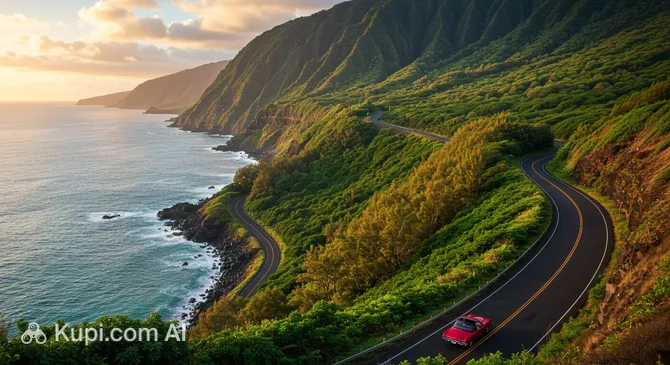
Geographically, the town is situated at the end of the legendary Hana Highway, a winding scenic road that serves as the primary connection to the rest of the island. Although it is part of the United States, Hana feels worlds away with its humid tropical climate and vibrant greenery that blankets the landscape year-round. The local population is small, fostering a tight-knit community atmosphere where traditional values and the "aloha spirit" remain deeply rooted.

Those interested in the history of Hana will discover a fascinating past filled with ancient legends, chiefly battles, and a significant era of sugarcane plantation agriculture. Today, the area is celebrated for its breathtaking natural attractions. Visitors can explore the stunning black volcanic sands of Waiʻānapanapa State Park, relax on the idyllic shores of Hamoa Beach, or simply marvel at the numerous cascading waterfalls that dot the region.

If you are looking for a destination that combines adventure with profound tranquility, Hana is the perfect choice. Whether you make the journey for the scenic drive or stay to soak up the peaceful atmosphere, this enchanting town invites you to disconnect from the modern world and immerse yourself in the timeless beauty of the tropics.

Weather Overview

Visitors to this lush corner of Maui can expect a remarkably stable and mild climate throughout the year, making it an inviting destination in any season. The average temperatures fluctuate very little, generally hovering between 19°C and 22°C. The warmest period typically spans from August to October, where averages reach around 22°C, while February tends to be the coolest month with an average of 19.0°C.

While the air remains comfortably warm, the region is known for its frequent moisture, which contributes to its vibrant greenery. The data indicates a high number of wet days each month, ranging from 19 days in January to as many as 27 days in July. Interestingly, despite the frequency of these wet days, the recorded precipitation volume is quite low, consistently falling between 3mm and 6mm per month. This suggests that while you might encounter mist or light drizzles often, heavy accumulation is less common in this specific dataset.

For those who want to plan their packing list with precision, checking the detailed weather in Hana forecast is highly recommended. In general, you should expect mild temperatures year-round with a persistent chance of light rain, so carrying a light waterproof jacket is always a good idea.

Interesting Facts

Beyond the main attractions and the famous highway, Hana holds many fascinating secrets and unique features that make it truly special. Here are a few intriguing facts about this secluded Hawaiian community:

  • A Legendary Drive: The road leading to the town is an engineering marvel and an adventure in itself. The Hana Highway features approximately 620 curves and 59 bridges, many of which are historic one-lane structures that date back to the early 20th century.

  • An Aviator's Final Home: The famous pilot Charles Lindbergh, known for the first solo transatlantic flight, spent his final years in this quiet corner of Maui. He is buried in the peaceful graveyard of the Palapala Ho'omau Church, located just a few miles past the town.

  • Rare Red Sands: While black sand beaches are a known feature of the region, Hana is also home to Kaihalulu Beach, a hidden gem with striking red sand. This rare phenomenon is caused by the erosion of a crumbling red volcanic cinder cone that surrounds the cove.

  • Immortalized in Song: The local Hasegawa General Store is more than just a place to shop; it is a cultural icon. The store became famous after being the subject of a popular song in the 1960s, which humorously detailed the incredible variety of items available on its shelves.

How to Get There

Reaching this secluded paradise is an adventure in itself, often involving one of the most famous scenic drives in the world. While the journey requires some planning due to the town's isolated location on the eastern tip of Maui, the breathtaking views along the way make the travel time fly by. For a detailed breakdown of routes and transport options, you can read more about how to get to Hana.

The city of Hana does not have its own major commercial airport, but most visitors arrive via Kahului Airport (OGG) in the city of Kahului, which is about 48.7 km from Hana. It is the primary gateway to the island and handles a large volume of passengers. From Kahului, you can rent a car or take a shuttle; the trip typically takes approximately 95 minutes by road, although the winding nature of the famous Hana Highway often encourages a slower pace to enjoy the scenery.

Another option on the island of Maui is Kapalua Airport (JHM), located in Kapalua, roughly 75 km away from Hana. This is a smaller regional facility, often used for inter-island hops. Reaching Hana from here requires a drive across the island, which takes approximately 135 minutes by car or taxi.

For clarity, here is a summary of the main airports in the vicinity:

Airport Name City Passenger Traffic Km from City
Kahului Airport Kahului Large 48.7
Kona International Airport at Keahole Kailua-Kona Large 112.8
Molokai Airport Hoolehua Small 123.4
Kapalua Airport Kapalua Small 75.0
Lanai Airport Lanai City Small 100.2

Main Attractions

The attractions in Hana are defined by the raw, untamed beauty of nature rather than commercial entertainment. Visitors traveling to this remote part of Maui are rewarded with some of the most spectacular landscapes in Hawaii, ranging from volcanic coastlines to lush botanical wonders. The town serves as a gateway to exploring these pristine environments, offering a stark and refreshing contrast to the island's busier resort areas.

One of the most iconic destinations in the region is Waiʻānapanapa State Park. Famous for its stunning black sand beach, Paʻiloa, the park offers a dramatic visual contrast between the jet-black volcanic pebbles, the vibrant green jungle, and the deep blue ocean. Beyond the beach, visitors can explore freshwater caves, natural stone arches, and hiking trails that wind along the rugged coastline. It is a place of immense geological interest and legendary history, making it a must-visit for photographers and nature lovers alike.

For a classic beach day, Hamoa Beach is widely considered one of the most beautiful beaches in the Pacific. This crescent-shaped bay is lined with Hala trees and features unique salt-and-pepper sand. The beach is exposed to the open ocean, providing excellent conditions for surfing and bodysurfing, though swimmers should always be mindful of the currents. Its picturesque setting, surrounded by sea cliffs and lush vegetation, makes it an ideal spot for relaxation after the long drive.

Just a short drive past the town center lies the Pipiwai Trail, located within the Kīpahulu District of Haleakalā National Park. This popular hiking trail takes adventurers on a journey through a massive, towering bamboo forest that creates a rhythmic clacking sound in the wind. The hike culminates at the base of Waimoku Falls, a breathtaking 400-foot waterfall that cascades down a sheer lava rock wall. It is an immersive experience that highlights the island's tropical grandeur.

For a look beneath the surface, the Hana Lava Tube (Kaʻeleku Caverns) offers a fascinating self-guided tour through a massive subterranean tunnel. Formed by molten lava flows hundreds of years ago, this geological formation allows visitors to walk underground and observe unique textures, "chocolate" stalactites, and other volcanic features. It provides an educational and cool respite from the tropical heat, perfect for families and geology enthusiasts.

Local Cuisine

The culinary scene in Hana is a reflection of its isolated, tropical environment: fresh, unpretentious, and deeply connected to the land. Unlike the fine dining establishments found in the resort towns of West Maui, the food culture here revolves around roadside stands, food trucks, and the abundance of locally grown produce. The fertile volcanic soil and frequent rainfall make this region a prime location for agriculture, meaning that much of what you eat comes directly from nearby farms.

One of the most iconic treats associated with the town and the journey to reach it is banana bread. You will find numerous stands along the highway and within the town itself selling warm, moist loaves baked fresh daily. Recipes are often guarded family secrets, incorporating local ingredients like macadamia nuts, lime, or chocolate chips. Another "must-try" savory dish is Huli Huli chicken, a Hawaiian barbecue staple where chicken is marinated in a sweet and savory sauce, then grilled over kiawe wood. It is commonly served from open-air grills or trucks, often accompanied by rice and macaroni salad as a classic "plate lunch."

Given its coastal location, fresh seafood is naturally a highlight. Visitors can enjoy excellent poke—cubed raw fish seasoned with soy sauce, sesame oil, and seaweed—or freshly caught fish tacos served at casual eateries. For those looking to quench their thirst, nothing beats the taste of fresh coconut water, often drunk straight from a coconut chopped open right in front of you. You will also find a variety of exotic fruit juices made from locally harvested passion fruit (lilikoi), guava, and pineapple.

Dining in Hana is a casual affair that encourages eating outdoors. There are very few sit-down restaurants; instead, the heart of the local food scene is found in the clusters of food trucks and the historic general stores. Locals and tourists alike gather at these spots to grab a meal and head to a nearby beach or park for a picnic. This laid-back approach allows visitors to savor the flavors of the island while soaking in the stunning natural surroundings that make this community so unique.

Travel Tips

Visiting Hana is a journey back in time to a more pristine and peaceful Hawaii, but its remote location requires a bit more foresight than a typical resort stay. These practical tips are designed to help you navigate the unique logistics of the region so you can focus entirely on the breathtaking scenery and the welcoming community.

  1. Clothing and Gear: The climate in Hana is tropical and humid, with frequent passing showers, so a lightweight rain jacket or poncho is essential. Pack comfortable, non-slip hiking shoes or sandals that you don't mind getting muddy, as the trails to waterfalls can be slippery. Don't forget reef-safe sunscreen and effective mosquito repellent, which are crucial for exploring the rainforest environment comfortably.

  2. Transportation: There is no public metro or tram system here; a rental car is the only practical way to explore Hana and the surrounding coast. While 4WD is not strictly necessary for the main highway, a vehicle with higher clearance can be more comfortable. Be sure to fill your gas tank in Paia or Kahului before starting the drive, as gas stations in Hana are scarce and significantly more expensive.

  3. Finances: The official currency is the US Dollar (USD). While the general store and some established restaurants accept credit cards, cash is king along the road. Many of the best banana bread stands, fruit vendors, and BBQ trucks operate on a cash-only basis or use honesty boxes, so carry plenty of small bills. ATMs are limited and can run out of cash.

  4. Health and Safety: Hana is a remote community, and the nearest full-service hospital is roughly two hours away in Kahului. Pack a basic first-aid kit with essential medications, motion sickness pills for the winding road, and antiseptic for minor cuts. Be cautious near the ocean; flash floods in streams and strong currents at beaches like Hamoa are real hazards, so always check conditions before swimming.

  5. Communication: English is the primary language, though you may hear locals using Hawaiian words and Pidgin slang. Cell phone reception is extremely spotty or non-existent along large stretches of the Hana Highway and within parts of the town. It is highly recommended to download offline maps and save important reservations to your phone before you leave the central part of the island.

  6. Local Etiquette: The "Aloha Spirit" is taken seriously here. On the road, the most important rule is to pull over and let locals pass if you are driving slowly to enjoy the view; they are commuting to work and appreciate the courtesy. immense respect for the land ('aina) is expected—never leave trash behind and avoid moving rocks or taking sand as souvenirs.

  7. What to Avoid: Strictly avoid trespassing on private property to reach "hidden" waterfalls or pools. Many guidebooks and apps list attractions that are actually on private land, and ignoring "No Trespassing" signs is considered very disrespectful and can lead to legal trouble. Stick to marked trails and public parks.

  8. Timing Your Trip: Life in Hana moves at a slower pace, and many shops and food stands close early, often by 4:00 PM or 5:00 PM. If you are driving back the same day, plan your return trip well before sunset to navigate the winding curves safely and to ensure you can grab a bite to eat before everything shuts down.

By keeping these practicalities in mind, you will be well-prepared to embrace the tranquility and raw beauty of this special corner of Maui. Drive safely, respect the local culture, and let the magic of Hana create memories that will last a lifetime.

Entertainment & Nightlife

Entertainment and nightlife in Hana are defined by the town's serene and secluded nature. Unlike the bustling resort areas of West Maui or Honolulu, there are no neon-lit nightclubs, discos, or rowdy bars here. Instead, the evening atmosphere is intimate, peaceful, and deeply connected to the local community and the surrounding environment. The "nightlife" often consists of enjoying a quiet drink under a blanket of stars, listening to traditional live Hawaiian music, or sharing a meal with locals. Most travelers come here to disconnect, so the pace slows down significantly once the sun sets.

There is no specific "nightlife district" or strip of bars. Social activity is concentrated almost entirely around the town center near the Hana Highway and the few established lodging venues. The most prominent location for an evening out is the Hana-Maui Resort. This is the social hub of the town, offering the most consistent options for dining and drinks after dark. The atmosphere is upscale yet relaxed ("resort casual"), where visitors can enjoy craft cocktails and locally inspired dishes while listening to the sounds of the ocean or a local ukulele player.

For a specific venue, the Preserve Kitchen + Bar at the resort is a top choice. It offers an open-air setting that takes full advantage of the tropical breeze. It is one of the few places open for dinner and drinks, making it a natural gathering spot for visitors. Another popular option is the Hana Ranch Restaurant, located just up the road. It provides a rustic, ranch-style atmosphere where you can enjoy hearty meals and drinks. While it isn't a "club," it is a lively spot by Hana standards, often hosting travelers swapping stories about their drive along the highway.

A unique local experience to look out for is the event schedule at Hana Farms. Located right off the highway, this venue is famous for its roadside stand during the day, but they often host "Pizza Nights" on weekends (typically Fridays or Saturdays). These evenings feature wood-fired pizzas, BYOB (Bring Your Own Beverage) policies or local drink options, and live music from local bands. It creates a vibrant, communal atmosphere that feels like a backyard party and offers a genuine taste of local life.

Practical advice for enjoying evenings here is simple: start early. The town sleeps early, with most food trucks closing by 4:00 PM and restaurants often taking their last orders by 8:00 PM or 9:00 PM. Prices are generally higher than average due to the remote location, so expect resort-level pricing for dinner and drinks. Dress codes are very relaxed; shorts and Aloha shirts are standard, even in the nicest venues.

Regarding safety and transport, the most critical factor is the lack of street lighting. The town gets pitch black after sunset, which is perfect for stargazing but challenging for walking. Always carry a flashlight or use your phone's light if you are walking between the resort and nearby shops. Taxis and ride-sharing services like Uber or Lyft are virtually non-existent in Hana. You must rely on your rental car or walking if your accommodation is central. Do not drink and drive, as the roads are narrow, winding, and unlit.

In terms of daytime entertainment beyond nature, options are limited but culturally rich. You won't find amusement parks or large theaters here. The primary cultural attraction is the Hana Cultural Center & Museum. This small but meaningful facility houses artifacts, photographs, and historical items that tell the story of the region's indigenous history and plantation era. It provides a quiet, educational break from the outdoor adventures and offers deep insight into the heritage of this special place.
Parks & Museums

The cultural and natural landscape of Hana is deeply intertwined, offering visitors a chance to explore sacred gardens, historic sites, and cultural landmarks that celebrate the spirit of East Maui. While the region is famous for its wild jungles, its curated spaces and museums provide a more intimate look at the history and botanical diversity that define this remote community.

One of the most significant natural and cultural sites in the area is Kahanu Garden. Part of the National Tropical Botanical Garden network, this sprawling 464-acre preserve is home to the world's largest collection of breadfruit cultivars, a vital resource for food security in the Pacific. Beyond its botanical importance, the garden protects the awe-inspiring Pi'ilanihale Heiau, a massive lava-rock temple believed to be the largest ancient place of worship in all of Polynesia. Walking through these grounds offers a profound connection to ancient Hawaiian history amidst a stunning backdrop of pandanus forests and rugged coastline.

For those seeking to understand the local heritage, the Hana Cultural Center & Museum (Hale Waiwai) is an essential stop. Housed in the historic old courthouse and police station, which dates back to 1871, this small but treasure-filled museum preserves the legacy of the district. Inside, you can view traditional artifacts such as poi boards, quilts, fish nets, and stone tools, alongside photographs that document the plantation era. It serves as a guardian of the stories and genealogy of the area's families, providing context to the sights you see around town.

Architecturally, the town is anchored by the Wananalua Congregational Church. Completed in 1838, this historic structure was painstakingly built by hand using coral mortar and lava rocks gathered from the nearby coastline. Its simple yet sturdy presence stands as a testament to the endurance of the community and the early missionary history of Maui. The church remains an active place of worship and a beautiful subject for photography, particularly with the green hills rising behind it.

For a unique perspective on the town, take the hike up to Fagan's Cross. Erected in memory of Paul Fagan, a rancher instrumental in developing tourism in Hana, this stone cross sits atop a grassy hill overlooking the coastline. The trail is a bit of a climb, but the reward is a sweeping panoramic view of the town, the bay, and the rolling pastures, offering a peaceful spot to reflect on the beauty of this isolated paradise.

Getting Around

Navigating Hana is a unique experience that differs significantly from visiting a standard tourist city. Due to its remote setting and small population, there is no public transportation infrastructure. You will not find municipal buses, subways, or scheduled shuttles connecting the various attractions. Consequently, having a private vehicle is not just a convenience but a necessity for getting around effectively.

Since most travelers arrive via the scenic highway, they typically already have a rental car from the main airport in Kahului. It is crucial to keep this vehicle for the duration of your stay, as there are no major car rental agencies located within the town itself. Without a car, accessing the scattered beaches, waterfalls, and hiking trails becomes extremely difficult, as these sites are often miles apart and not connected by any transit network.

Modern conveniences such as ride-sharing apps are practically non-existent in this area. Visitors should not expect to open an app and find a driver nearby, nor are there traditional taxi stands. The community operates at a slower, more traditional pace, and self-sufficiency regarding transport is expected. Planning your daily itinerary with the assumption that you will drive yourself is the best approach.

While the immediate village center—home to the general store and a few food stands—is compact enough for walking, relying solely on foot travel will severely limit what you can see. The roads leading to key sites like Waiʻānapanapa State Park or the Kīpahulu District are narrow, winding, and often lack sidewalks or streetlights, making walking unsafe and impractical for longer distances. Driving remains the safest and most efficient way to explore the full beauty of the coast.

For those driving within the district, it is important to be mindful of fuel. There are only two gas stations in town, and due to the isolated location, prices are typically higher than elsewhere on the island. Operating hours can also be shorter than what you might be used to in larger cities, so keeping your tank reasonably full is a good habit during your stay.

Accommodation

Accommodation

Staying in Hana offers a distinct departure from the high-rise hotels and bustling mega-resorts found elsewhere on Maui. The accommodation landscape here is defined by its small scale, intimacy, and deep connection to nature. Visitors will primarily find a selection of vacation rentals, plantation-style cottages, and bed-and-breakfasts scattered throughout the lush greenery. These options range from simple, rustic cabins to upscale private homes, allowing travelers to experience the quiet rhythm of the town.

For those seeking a full-service experience, the area is home to one prominent luxury property, the Hana-Maui Resort. Located in the center of town, this celebrated hotel is designed to be a peaceful sanctuary, offering bungalow-style rooms that encourage guests to disconnect from the digital world. It is the most convenient option for travelers who prefer on-site amenities such as dining and spa services, and its central location makes it an excellent base for exploring nearby sights.

Beyond the resort, many visitors choose to stay in private vacation rentals located near key attractions like Hamoa Beach or along the winding roads leading into town. These rentals often provide a "home away from home" atmosphere, featuring lanais (porches) surrounded by fruit trees and tropical flowers. For the adventurous and budget-conscious, Waiʻānapanapa State Park offers camping facilities and rustic cabins. Staying here provides the unique opportunity to sleep just steps away from the dramatic black sand coast, though comfort levels are basic compared to hotel stays.

Booking Tip: Due to the limited number of rooms and the high demand for overnight stays, it is essential to book your accommodation well in advance. During peak seasons, availability can disappear months ahead of time. Prices in Hana generally lean towards the mid-to-high range reflecting the exclusivity of the location. Most reservations, whether for the resort or private cottages, should be secured via online booking platforms before you begin your drive along the Hana Highway.

Nearby Cities

For those looking to explore the surroundings, Hana serves as an excellent base for day trips to several interesting nearby locations.

While Hana is famous for its seclusion, a drive back along the scenic highway connects visitors to other vibrant parts of Maui. Kahului, located centrally on the island, serves as the primary commercial and travel hub. A day trip here offers a complete change of pace, allowing travelers to visit the Maui Arts & Cultural Center, explore the Kanaha Pond State Wildlife Sanctuary, or simply enjoy the convenience of major shopping centers and diverse dining options before returning to the quiet east side.

Another captivating destination within driving distance is the historic town of Paia, often considered the gateway to the Hana Highway. Known for its colorful plantation-era storefronts and bohemian atmosphere, Paia is a hub for windsurfers and artists. Visitors can spend an afternoon browsing eclectic boutiques, enjoying fresh local food at casual cafes, or watching the waves at the famous Ho'okipa Beach Park.

For a taste of the island's "paniolo" (cowboy) heritage, a trip to the Upcountry region and the town of Makawao is highly recommended. Nestled on the slopes of Haleakalā, this area offers cooler temperatures, art galleries, and a rustic charm that contrasts beautifully with the tropical rainforests of Hana. It provides a unique perspective on the island's agricultural history and diverse landscapes.

City Population Distance (km)
Honolulu 1000000 204
Kailua 106260 196
Hilo 46559 148
Kaneohe 34509 201
Kahului 27938 53

These nearby destinations offer a glimpse into the diverse culture and landscapes of the region.

Shopping & Souvenirs

Shopping in Hana is a delightful departure from the commercialized retail experiences found in major cities or large resort hubs. There are no sprawling complexes or luxury boutiques here; instead, visitors will find a selection of quaint, family-run establishments that reflect the town's rustic charm and self-sufficient spirit. The shopping scene is intimate and focused on locally made goods, fresh produce, and unique memorabilia that capture the essence of East Maui.

The primary shopping "district" is essentially the heart of the town along the Hana Highway. The most iconic stop is the legendary Hasegawa General Store. Established in 1910, this clutter-filled landmark is famous for stocking an incredibly diverse range of items, from hardware and fishing gear to groceries and books. Just up the road, the Hana Ranch Store offers a slightly more modern selection of provisions, gifts, and snacks. These two locations serve as the commercial anchors of the community.

Travelers looking for large shopping malls or department stores will not find them in this secluded corner of the island. The retail environment is strictly small-scale. For serious retail therapy involving international brands, electronics, or fashion chains, visitors would need to drive back to the central city of Kahului, where the island's major shopping centers are located.

While there are no formal market halls, the spirit of a farmers market is alive and well at Hana Farms. Located right off the highway, this roadside marketplace is a treasure trove of locally grown fruits, vegetables, and artisanal products. Additionally, the road leading into and out of town is dotted with numerous unattended fruit stands and flower stalls. These often operate on the "honor system," where you leave cash in a box in exchange for a bag of fresh tangerines, avocados, or a tropical bouquet.

When it comes to souvenirs, the best items to bring back are those that you can taste. Hana is world-renowned for its banana bread, and buying a loaf (or two) is practically a rite of passage. Other excellent local gifts include jars of lilikoi (passion fruit) butter, locally harvested honey, Maui-grown coffee, and hot sauces made from indigenous peppers. For non-edible keepsakes, branded t-shirts and hats from the Hasegawa General Store are popular collectors' items that prove you survived the road to Hana.

Business hours in this sleepy town are generally shorter than what most tourists might be used to. Most stores open around 7:00 AM or 8:00 AM but close relatively early, often by 5:00 PM or 6:00 PM. Regarding payment, while the two main general stores accept credit and debit cards, cash is absolutely essential for the roadside stands and smaller food vendors. Many of the best local finds are at cash-only spots, so it is wise to carry plenty of small bills.

Tourists should be aware that the United States does not have a VAT refund system for international visitors like many European countries. In Hawaii, a General Excise Tax (GET) is added to the final price of goods at the register. Therefore, the price you see on the shelf will be slightly lower than what you pay at checkout, and these taxes are not refundable upon departure.

Reached the end of the page?

That means the route is fully explored