Support

Hilo

About

Welcome to Hilo, a vibrant and lush coastal town located on the northeastern side of the Big Island of Hawaii. Known for its breathtaking natural beauty, cascading waterfalls, and blooming gardens, this city offers a more authentic and relaxed atmosphere compared to the bustling resorts on the other side of the island. As part of the United States, Hilo serves as a major gateway for travelers seeking to explore the dramatic landscapes of the region, combining modern amenities with deeply rooted island traditions.

Geographically, Hilo is situated along a crescent-shaped bay at the base of two majestic volcanoes, Mauna Loa and Mauna Kea. The city is famous for its tropical rainforest climate, which keeps the surroundings vividly green and thriving year-round. With a population of approximately 46,500 residents, it is the largest settlement on the island, yet it retains a charming "small-town" feel. The frequent, warm showers nurture the area's abundant flora, making it a paradise for nature lovers and botany enthusiasts alike.
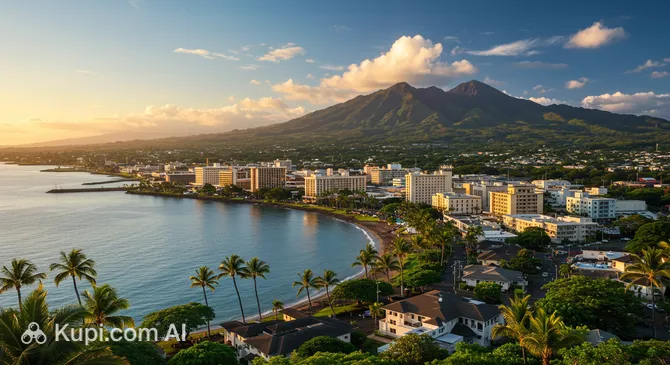
Hilo. Source: Kupi.Binoculars

The cultural heritage of the area is rich and diverse. Visitors can dive into the history of Hilo by exploring its historic downtown, which features wooden storefronts that have withstood the test of time and nature. The city has been shaped by the sugar plantation era and its resilience against natural forces, creating a unique community spirit that is evident in its local markets, museums, and festivals.

Travelers are drawn to Hilo for its proximity to some of Hawaii's most iconic attractions. A must-visit is the stunning Rainbow Falls (Waianuenue), located just a short drive from the town center, where morning sunshine often creates rainbows in the mist. Another highlight is the serene Liliuokalani Gardens, a beautifully landscaped Japanese-style park offering peaceful walking paths along the bay. Additionally, Hilo is the perfect launching point for excursions to the nearby Hawaii Volcanoes National Park, home to active craters and lava tubes.

Whether you are browsing the fresh tropical fruits at the famous Hilo Farmers Market or marveling at the power of nature, Hilo promises an unforgettable experience. Its blend of natural wonders and genuine aloha spirit makes it an essential stop on any Hawaiian itinerary.
Weather Overview

The climate in Hilo is generally mild and consistent, characterized by steady temperatures and a significant number of wet days throughout the year. Average temperatures typically range from 16.6°C in February to 20.0°C in late summer, ensuring that it rarely gets too hot or too cold. The warmest months, such as August and September, see maximum temperatures reaching around 23.2°C, while winter nights can dip to approximately 13.9°C.

Precipitation is a defining feature of the local weather, with rain occurring frequently regardless of the season. Visitors should expect a high chance of showers, as the number of wet days consistently ranges between 18 and 28 days per month. March is notably active with up to 28 wet days, while even the drier months like January still experience about 18 days with precipitation. To plan your activities around the rain, it is helpful to consult the detailed weather in Hilo page before your trip.

Interesting Facts

Beyond the main attractions and lush landscapes, Hilo holds many fascinating secrets and historical quirks. From ancient legends to unique geographical records, this city offers plenty of surprises for the curious traveler.
  • Hilo is frequently cited as the wettest city in the United States, receiving an average of over 120 inches of rain annually. This incredible precipitation is the secret behind the region's thriving rainforests and powerful cascades like Rainbow Falls, which roar to life thanks to the constant water flow.

  • The city's waterfront layout is a direct result of resilience against natural disasters. After devastating tsunamis in the mid-20th century, the bayfront was transformed into a protective "green belt" of parks and open spaces, such as the Wailoa River State Recreation Area, rather than being rebuilt with buildings.

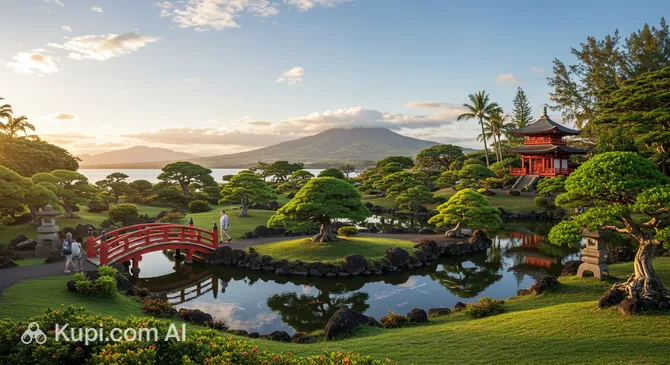
  • You can find a piece of international history at Liliʻuokalani Gardens, which is widely considered the largest authentic ornamental Japanese garden outside of Japan. Dedicated to the first Japanese immigrants to the island, this 30-acre park features stone lanterns, pagodas, and arched bridges.

  • Downtown Hilo is home to the legendary Naha Stone, a massive volcanic rock weighing nearly 3.5 tons. According to ancient Hawaiian prophecy, the man who could overturn this heavy stone would gain the power to unite all the Hawaiian islands—a feat famously accomplished by King Kamehameha I.

Liliʻuokalani Gardens. Source: Kupi.Binoculars

How to Get There

Reaching this scenic destination on the Big Island is most conveniently done by air. Since the city is located on an island, flying is the primary mode of arrival for most visitors. For a detailed overview of transportation options and routes, you can read more about how to get to Hilo.

The most direct entry point is Hilo International Airport (ITO), which is situated just 3.1 km from the city center. This proximity makes the transfer very quick; a taxi or shuttle ride typically takes approximately 5-10 minutes. As a medium-sized hub, the airport offers a relaxed arrival experience, welcoming travelers directly into the lush environment of the island's eastern side.

Alternatively, many visitors choose to fly into Kona International Airport at Keahole (KOA), located in the city of Kailua-Kona. Although it is approximately 100.7 km away from Hilo, it is a major gateway for the island. Driving from this airport to Hilo offers a scenic journey across the island that takes about 1.5 to 2 hours via the main cross-island highway. This option is popular for those who wish to see the diverse landscapes of the Big Island, from volcanic fields to tropical rainforests, upon arrival.

For clarity, here is a summary of the main airports in the region:

Airport Name City Passenger Traffic Km from City
Kahului Airport Kahului Large 191.6
Kona International Airport at Keahole Kailua-Kona Large 100.7
Hilo International Airport Hilo Medium 3.1
Kapalua Airport Kapalua Small 215.4
Lanai Airport Lanai City Small 227.9

Main Attractions

Hilo is a treasure trove of natural wonders and cultural landmarks, offering visitors a mix of lush scenery and local heritage. While the town is famous for its waterfalls and gardens, there are several specific sites that provide a deeper look into the beauty and lifestyle of the Big Island. Here are some of the top places to explore during your visit.

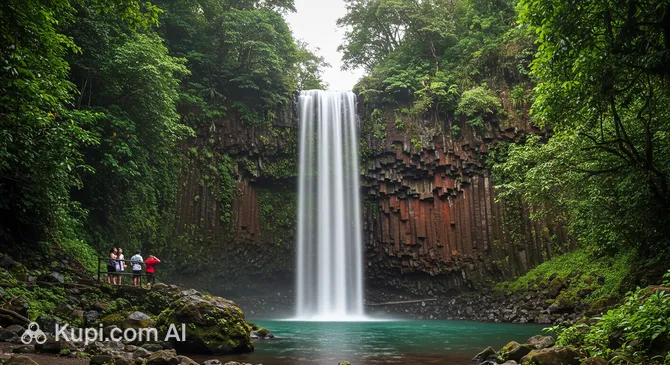
For nature enthusiasts, Wailuku River State Park is an absolute highlight. This park encompasses some of the most dramatic geological features in the area, including the famous Rainbow Falls and the fascinating "Boiling Pots," where the river churns through a series of terraced lava rock pools. It is an excellent spot for photography and witnessing the raw power of Hawaii's fresh water systems, all conveniently located just a short drive from the city center.

Wailuku River State Park. Source: Kupi.Binoculars

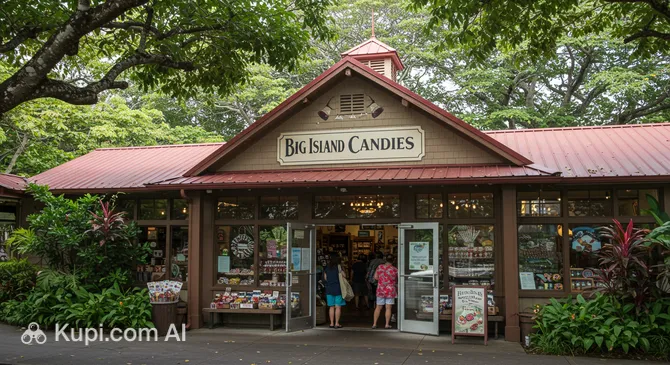
If you have a sweet tooth, a stop at Big Island Candies is essential. Founded in 1977, this local institution is renowned for its premium shortbread cookies and chocolate-dipped treats. Tourists love visiting the flagship factory and gift shop, where large glass windows allow you to watch the candy-making process in action. It is the perfect place to pick up high-quality souvenirs and sample some of the island's most beloved confections.

Big Island Candies. Source: Kupi.Binoculars

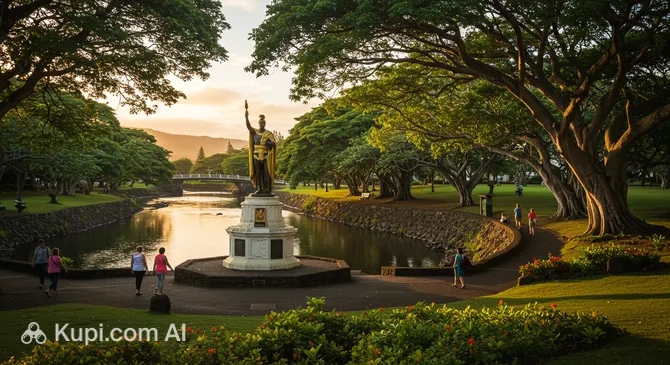
Those looking for a peaceful escape should head to the Wailoa River State Recreation Area. This expansive park is known for its serene atmosphere, arching bridges, and the majestic statue of King Kamehameha I, which stands as a tribute to the island's history. It is a wonderful location for a leisurely picnic or a quiet walk, offering lovely views of the waterways and lush greenery that define Hilo's landscape.

Wailoa River State Recreation Area. Source: Kupi.Binoculars

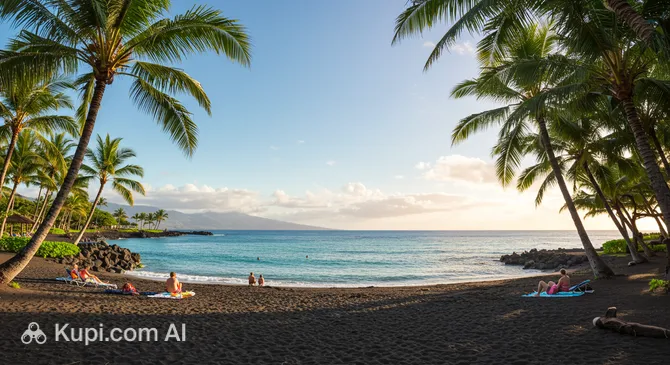
For a refreshing dip in the ocean, Reeds Bay Beach Park offers a calmer alternative to the island's wilder surf. The bay is protected by a breakwall, creating cool and tranquil waters that are popular for swimming and stand-up paddleboarding. The beach is known for its unique mix of white coral sand and black lava rock, providing a distinctively Hawaiian seaside experience away from the crowds.

Reeds Bay Beach Park. Source: Kupi.Binoculars

Local Cuisine

Local Cuisine:

The culinary scene in Hilo is a delicious reflection of the Big Island's multicultural heritage, blending Native Hawaiian traditions with Asian and American influences. Unlike the polished resort dining found elsewhere, the food here is authentic, unpretentious, and deeply rooted in the "local style." Visitors will find an abundance of fresh seafood, tropical fruits grown in the surrounding rainforests, and comfort foods that are staples of island life.

No trip to Hilo is complete without trying the legendary Loco Moco. Widely believed to have been invented in this very town, this hearty dish consists of a bed of white rice topped with a hamburger patty, a fried egg, and smothered in rich brown gravy. It is the ultimate comfort food and can be found in diners across the city. Another must-try is fresh poke (cubed raw fish marinated in soy sauce and seasonings), which is incredibly fresh here due to the town's active fishing industry.

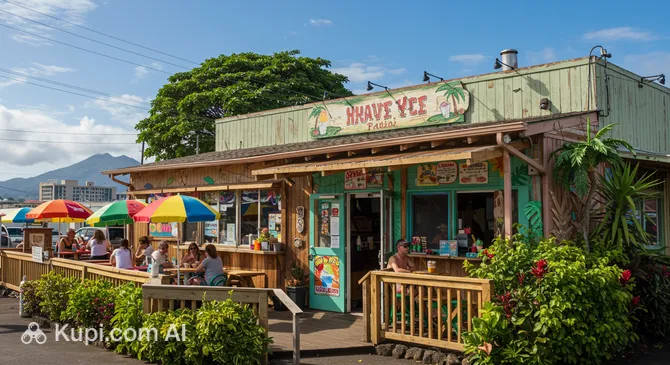
For those with a sweet tooth, shave ice is the perfect way to cool down in the tropical humidity. This is not just a snow cone; the ice is shaved to a fine, fluffy texture that absorbs the syrups perfectly. You can visit Kula Shave Ice to sample high-quality versions of this treat, often topped with condensed milk, mochi balls, or azuki beans for a traditional twist.

Kula Shave Ice. Source: Kupi.Binoculars

The dining atmosphere in Hilo ranges from bustling farmers markets to cozy, family-run establishments. The Hilo Farmers Market is a hub of activity where you can buy exotic fruits like rambutan, lychee, and papaya directly from growers, or grab a quick bento box. For a more sit-down experience that highlights local ingredients with a sophisticated touch, Moon and Turtle is a popular choice. This spot is well-regarded for its rotating menu that emphasizes fresh, locally sourced produce and seafood, paired with a welcoming vibe.

Moon and Turtle. Source: Kupi.Binoculars

When it comes to beverages, the Big Island is famous for its coffee. While the Kona district is known for its beans, Hilo also embraces the coffee culture, serving rich blends grown in the region's volcanic soil. For something refreshing and non-alcoholic, look for POG (a blend of passion fruit, orange, and guava juices). If you prefer an evening drink, local bars and restaurants often feature craft beers brewed on the island or tropical cocktails like the classic Mai Tai, made with fresh fruit juices and rum.

Shopping centers like the Waiakea Center also offer a variety of convenient dining options, making it easy to find a quick meal while exploring the town. Whether you are enjoying a plate lunch at a roadside stand or a farm-to-table dinner, eating in Hilo is a flavorful journey through the island's diverse culture.

Travel Tips

Planning a trip to Hilo means preparing for an adventure that is quite different from the typical sunny beach vacation found elsewhere in Hawaii. To help you navigate the "rainiest city in the United States" and embrace the relaxed Big Island lifestyle, here are some essential practical tips for your journey.

  1. Prepare for the Rain: Hilo's lush, green landscape exists because of its frequent rainfall. Pack a lightweight, breathable rain jacket or a poncho that you can easily carry with you. Quick-drying clothing is preferable to heavy cotton, and sturdy, water-resistant sandals or shoes are a must, especially if you plan to explore muddy trails or waterfalls.
  2. Transportation Choices: While there is a public bus system called Hele-On, it can be infrequent and may not reach all the remote scenic spots you will want to visit. The best way to explore Hilo and the surrounding Hamakua Coast or Volcano area is by renting a car. Ride-sharing apps are available but can be expensive for longer distances.
  3. Managing Finances: The currency is the US Dollar (USD). Credit and debit cards are widely accepted at most restaurants and shops. However, it is wise to carry some cash, particularly small bills, for the Hilo Farmers Market, roadside fruit stands, or small local food trucks where card machines might not be available. Tipping 15-20% for service in restaurants and taxis is the standard practice.
  4. Health and Safety: Hilo is generally a safe town, but standard precautions apply. The sun can be deceptively strong even on cloudy days, so wear reef-safe sunscreen. Be cautious when swimming; ocean currents can be powerful, so stick to lifeguarded beach parks like Onekahakaha or Richardson Ocean Park. Pharmacies and urgent care facilities are readily available in the city center.
  5. Communication and Language: English is the primary language, but you will frequently hear "Pidgin" (Hawaii Creole English) and Hawaiian words used in everyday conversation. Locals appreciate it when visitors use basic terms like Aloha (hello, goodbye, love) and Mahalo (thank you). Free Wi-Fi is common in cafes and hotels, and US mobile carriers have good coverage in town, though signals may drop in remote rainforest areas.
  6. Local Etiquette: The pace of life here is slower than on the mainland; this is known as "island time." Be patient and courteous. When driving, "drive with Aloha"—let others merge and avoid aggressive honking. It is also customary to remove your shoes before entering someone's home to keep the living space clean.
  7. Respect Wildlife and Nature: Never touch or disturb sea turtles (honu) or Hawaiian monk seals resting on the beaches. It is not only disrespectful but also a violation of state and federal laws. Additionally, respect the local belief that taking lava rocks or sand home brings bad luck; leave nature exactly as you found it.
  8. Shopping Tip: If you want to experience the local vibe, visit the Hilo Farmers Market. While it is open daily, the "big days" are Wednesday and Saturday, when over 200 vendors sell everything from exotic tropical fruits and flowers to handmade crafts. It is the perfect place to buy affordable souvenirs and interact with residents.

By packing the right gear and adopting a respectful, laid-back attitude, you will fit right in with the welcoming community of Hilo. Embrace the occasional shower as a refreshing part of the experience, and enjoy the incredible natural beauty that this unique side of the island has to offer.

Entertainment & Nightlife

Entertainment in Hilo is defined by its relaxed pace and deep cultural roots, offering a distinct alternative to the high-energy nightlife found in other tourist hubs. Instead of bustling clubs, visitors will find a community that celebrates its heritage through vibrant festivals, engaging museums, and a laid-back social scene that revolves around music and conversation.

One of the city's most significant claims to fame is the Merrie Monarch Festival, held annually starting on Easter Sunday. This week-long celebration honors King David Kalakaua and features the world's most prestigious hula competition, along with a grand parade and an invitational arts fair. It is a time when the entire town pulsates with the rhythm of drums and the spirit of aloha, drawing spectators from across the globe.

For those interested in learning more about the forces that shaped the island, Hilo offers fascinating educational experiences. The Pacific Tsunami Museum serves as a living memorial and educational center, recounting the history of the tsunamis that have impacted the region. Meanwhile, the Imiloa Astronomy Center brilliantly weaves together Hawaiian culture and astronomical science, featuring a planetarium and interactive exhibits that explore the connections between early Polynesian navigators and modern space exploration.

Travelers looking for a modern shopping experience can visit the Waiakea Center. As a key commercial hub in the area, it provides a variety of retail options ranging from well-known brands to local services. It is a convenient stop for picking up travel necessities, browsing for souvenirs, or simply enjoying a casual stroll through the shops.

When evening falls, the nightlife in Hilo remains low-key and inviting. The scene is characterized by cozy bars and lounges where you can enjoy a craft cocktail or a locally brewed beer. Live music is a staple, with many venues hosting local artists who perform traditional Hawaiian melodies and contemporary covers, creating a perfect atmosphere for unwinding after a day of adventure.

Parks & Museums

Hilo is renowned for its lush landscapes and dedication to preserving its cultural heritage, offering visitors a variety of green spaces and educational institutions. From historic gardens that honor the island's immigrant past to interactive centers focusing on marine life, the city provides ample opportunities to connect with nature and history.

A centerpiece of the city's park system is Liliʻuokalani Gardens, located along the scenic Banyan Drive. This 30-acre park is the largest authentic Edo-style garden outside of Japan, dedicated to the Japanese immigrants who worked on Hawaii's sugar plantations. Visitors can stroll through a serene landscape featuring stone lanterns, arched bridges, and koi ponds, all set against the backdrop of Hilo Bay. It is a popular spot for morning walks, picnics, and enjoying the tranquil atmosphere.

For those interested in the island's unique biodiversity, the Panaʻewa Rainforest Zoo and Gardens is a must-visit attraction. Situated just a short drive from downtown, it is the only zoo in the United States located within a natural tropical rainforest. Admission is free, allowing guests to wander through grounds filled with exotic orchids, bamboo groves, and native plants. The zoo is home to a variety of animals, including the famous white Bengal tiger, lemurs, and the endangered Hawaiian Nene goose.

History enthusiasts will find the Lyman Museum and Mission House to be a fascinating stop. As a Smithsonian-affiliated institution, it offers a deep dive into the natural and cultural history of Hawaii. The complex includes the original 1839 Mission House, which provides a glimpse into the lives of early missionaries, and a modern museum building with exhibits on volcanic formation, Hawaiian royalty, and the diverse ethnic groups that have shaped the local community.

Another educational highlight is the Mokupapapa Discovery Center, located in the historic downtown area. This facility serves as the interpretive center for the Papahanaumokuakea Marine National Monument. Through a 3,500-gallon saltwater aquarium and interactive displays, visitors can learn about the remote coral reefs and marine ecosystems of the Northwestern Hawaiian Islands, making it an engaging experience for both adults and children.

Getting Around

Public transportation in Hilo differs significantly from the extensive networks found in major metropolitan centers. There is no metro, tram, or train service in the city. Instead, the primary mode of public transit is the Hele-On Bus system, operated by the County of Hawaii. These buses connect Hilo with other major towns on the island and provide routes within the city, including stops at popular beach parks and shopping districts. While the buses are comfortable and air-conditioned, the network is designed primarily for local commuters rather than for rapid tourist transit.

Regarding payment, the system is known for being incredibly budget-friendly. In recent years, the Hele-On bus has operated on a fare-free basis to encourage ridership, allowing passengers to currently board without purchasing a ticket. However, should standard fares be reinstated, they are traditionally very low. For the most accurate and up-to-date information on routes and schedules, travelers are advised to use the Moovit app or check the official county website. It is important to avoid downloading the "Hele-On Kakoo" application, as this is specifically designed for paratransit services and is not intended for general visitors.

For tourists relying solely on the bus, practical planning is essential. Routes can be infrequent, with some lines running only a few times a day, and service typically winds down in the early evening. It is highly recommended to check the schedule online before heading out, as waiting times can be long if you miss a connection. Stops are marked with signs, but in some rural areas, you may need to flag down the driver. Always arrive at the bus stop at least 5 to 10 minutes early.

Given the limitations of the bus schedule, most visitors find that renting a car is the most practical option for exploring Hilo and its surrounding waterfalls and rainforests. This offers the freedom to travel at your own pace and reach remote trailheads that public transport does not serve. For shorter trips within the town, taxis and ride-sharing services like Uber and Lyft are available, though availability can be sporadic during peak times or late at night.

For a more scenic and active alternative, consider renting a bicycle or using the local bike-share system if you are staying near the bayfront. Hilo is relatively flat along the coast, making it enjoyable to ride along Banyan Drive or towards the beach parks. However, always keep an eye on the sky; Hilo's frequent rain showers can arrive suddenly, so having rain gear handy is a smart move for any pedestrian or cyclist.

Accommodation

Where to Stay:

Accommodation in Hilo reflects the town's laid-back, authentic character. Unlike the sprawling luxury resorts found on the western coast of the Big Island, lodging here tends to be more modest, historic, and charming. Visitors can expect a range of options including classic bayfront hotels, quaint bed-and-breakfasts tucked into the rainforest, and budget-friendly hostels. This variety makes Hilo an accessible destination for travelers seeking a genuine "Old Hawaii" experience rather than high-end opulence.

The most popular area for tourists is Banyan Drive, a scenic loop often referred to as "Hilo's Hotel Row." Located on the Waiakea Peninsula, this area offers hotels with sweeping views of Hilo Bay and the majestic Mauna Kea volcano. Staying here places you within walking distance of major sites like the Liliʻuokalani Gardens and provides easy access to the waterfront. It is the central hub for visitors who want to be close to the ocean and the primary tourist amenities.

For those who prefer a quieter, more immersive nature experience, the surrounding neighborhoods and rainforest areas offer numerous vacation rentals and bed-and-breakfasts. These accommodations often feature lush tropical gardens and provide a peaceful retreat after a day of exploring. Downtown Hilo is another option, particularly for backpackers and solo travelers, offering historic inns and hostels that are steps away from local markets, museums, and restaurants.

Generally, accommodation prices in Hilo are more affordable compared to the resort-heavy Kona side of the island. Options range from budget-friendly to mid-range, with very few ultra-luxury properties. Booking can typically be done easily through major online platforms or directly with property owners.

A crucial booking tip: While Hilo is generally less crowded than other Hawaiian destinations, lodging becomes extremely scarce during the annual Merrie Monarch Festival (usually in the week following Easter). If you plan to visit during this time, it is essential to book your accommodation up to a year in advance, as hotels and rentals sell out completely.

Nearby Cities

For those looking to explore the surroundings, Hilo serves as an excellent base for day trips to several interesting nearby locations:

Just a short drive uphill from Hilo lies Volcano Village, a charming and misty community situated right at the entrance to Hawaii Volcanoes National Park. This unique settlement is nestled within a fern forest and offers a distinctively cooler climate compared to the coast. It is known for its artistic community, cozy lodges, and glass-blowing studios, making it a perfect stop for lunch or a gallery visit before or after exploring the volcanic craters.

Another fascinating destination is the town of Waimea (Kamuela), located in the interior high country of the island. Famous for its paniolo (Hawaiian cowboy) heritage, this area features rolling green pastures and cattle ranches that contrast sharply with Hilo's tropical jungle. Visitors can explore historic ranch homes, enjoy farm-to-table dining, and experience a side of Hawaii that feels more like the American West.

For a taste of the island's eclectic spirit, a visit to Pahoa in the Puna district is highly recommended. Known for its wooden boardwalks and bohemian vibe, Pahoa has preserved its historic character despite the threats of nearby lava flows. It serves as a gateway to the rugged coastline where you can witness the newest black sand beaches formed by recent volcanic activity.

City Population Distance (km)
Honolulu 1000000 338
Kailua 106260 333
Kaneohe 34509 339
Kahului 27938 194
Kihei 22840 182

These nearby destinations offer a glimpse into the diverse culture and landscapes of the region.

Shopping & Souvenirs

Shopping in Hilo is a relaxed and authentic experience that focuses less on high-end luxury brands and more on unique island treasures and local craftsmanship. The city offers a delightful mix of historic storefronts, bustling open-air markets, and modern retail centers. Visitors will find that the shopping scene here perfectly mirrors the town's laid-back vibe, with a strong emphasis on "Made in Hawaii" products, from handcrafted jewelry to gourmet tropical treats.

The heart of the local retail scene is undoubtedly Downtown Hilo, particularly along Kamehameha Avenue and its side streets facing the bay. This historic district is lined with charming, plantation-era wooden buildings that house an eclectic array of boutiques, art galleries, and vintage shops. It is the ideal place to hunt for authentic aloha shirts, locally designed clothing, and one-of-a-kind gifts while soaking in the town's old-world atmosphere.

For those seeking a more conventional retail experience or needing to stock up on supplies, the city has a few key commercial hubs. The Prince Kuhio Plaza is the largest indoor mall on the island's east side, featuring major department stores and a variety of specialty chains. Nearby, the Waiakea Center offers a convenient open-air layout with a selection of large retailers, supermarkets, and dining options, making it a go-to spot for travel essentials and groceries.

A highlight of any visit is the famous Hilo Farmers Market located downtown. While some stalls operate daily, the market truly comes alive on "market days" (Wednesdays and Saturdays) when over 200 vendors gather. It is widely considered one of the best markets in Hawaii, offering everything from piles of exotic tropical fruits like rambutans and lychees to beautiful orchids and handmade crafts. It is a vibrant place to interact with locals and find affordable, authentic goods.

When it comes to souvenirs, Hilo is a paradise for foodies. The region is renowned for its macadamia nuts and rich volcanic-soil coffee. A mandatory stop for many visitors is Big Island Candies, a local institution famous for its premium shortbread cookies dipped in chocolate and other confections. Other excellent keepsakes include items made from native Koa wood, Hawaiian quilts, and jars of local honey or fruit jams.

Travelers should be aware that store hours in Hilo can be earlier than expected. Many downtown boutiques and independent shops close by 5:00 PM or 6:00 PM, so it is best to do your browsing during the day. Larger malls and supermarkets typically stay open until 9:00 PM. Major credit and debit cards are accepted almost everywhere, but carrying cash is highly recommended for the farmers market and smaller roadside fruit stands.

Regarding taxes, Hawaii does not have a traditional sales tax but applies a General Excise Tax (GET) on all business activities. In Hilo, this adds approximately 4.7% to the listed price of goods and services. Unlike in some international destinations, there is no tax refund system available for tourists upon leaving the state.

Reached the end of the page?

That means the route is fully explored