Support

Kahului

About

Welcome to Kahului, the bustling commercial hub and the primary gateway for travelers arriving on the beautiful island of Maui. Often referred to as the "heart" of the island, this vibrant town offers a unique blend of local lifestyle and convenient amenities, making it much more than just a transit point. Located on the northern coast, Kahului serves as a central gathering place for residents and visitors alike, providing a glimpse into the authentic day-to-day life of the United States' tropical paradise.
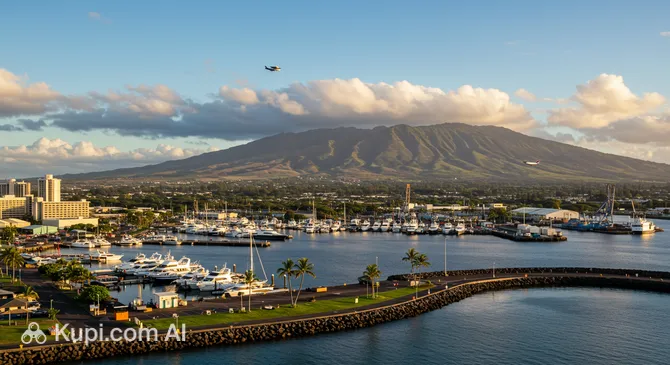
Kahului. Source: Kupi.Binoculars

Geographically, the city is situated on a flat isthmus connecting the island's two majestic volcanoes, Haleakalā and Mauna Kahalawai. With a population of approximately 28,000 people, it is the largest community on Maui. The climate here is typically warm and breezy, thanks to the cooling trade winds that sweep across the north shore, creating perfect conditions for outdoor activities and water sports.

While modern shopping centers and the busy harbor define its current landscape, the town has a rich past rooted in agriculture. Visitors interested in the local heritage can explore the history of Kahului, which was significantly shaped by the sugar cane industry that once dominated the region's economy. Remnants of this era can still be appreciated at the nearby Alexander & Baldwin Sugar Museum, offering a fascinating look into plantation life.

For those seeking recreation and culture, Kahului does not disappoint. The Maui Arts & Cultural Center is a premier venue hosting concerts and exhibits, while the Maui Nui Botanical Gardens showcase native Hawaiian plants. Adventure seekers often head to Kanaha Beach Park, a world-renowned destination for windsurfing and kiteboarding, offering spectacular views of the West Maui Mountains.

Whether you are stocking up on supplies before heading to a resort or looking to immerse yourself in the local art and surf scene, Kahului is an essential stop on any Maui itinerary. We invite you to explore its hidden gems and experience the warm hospitality that makes this city a vital part of the Hawaiian experience.
Weather Overview

Travelers planning a trip to this part of Maui can look forward to a climate that remains pleasantly consistent and warm throughout the year. The island atmosphere ensures that extreme heat or cold is rare, making it a comfortable destination in any season. For a more detailed breakdown of the weather in Kahului, you can consult our comprehensive monthly guide.

Temperatures here are remarkably stable, with average daily values hovering between 21°C in the cooler months of February and March, and rising to around 25°C during the warmest period in August and September. Even during the "winter" season, lows seldom dip below 19°C, while summer highs typically peak at a comfortable 28°C. This stability makes the city an excellent spot for outdoor exploration regardless of the calendar date.

While the sun is a frequent companion, visitors should be prepared for regular precipitation. The data indicates a pattern of 9 to 14 wet days per month throughout the year, though the rainfall volume is generally low, often manifesting as passing tropical showers rather than heavy storms. Expect consistent warmth year-round with frequent but light showers, as temperatures rarely drop below 19°C or exceed 28°C.

Interesting Facts

Beyond its reputation as a transit hub and commercial center, Kahului holds many fascinating secrets that reveal its deep cultural and historical layers. From royal fishponds to pioneering urban planning, the city offers unique stories that often go unnoticed by the casual traveler.
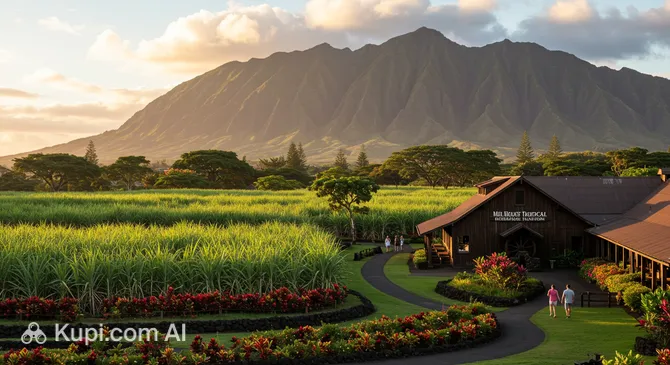
Maui Tropical Plantation. Source: Kupi.Binoculars
  • Hawaii's First "Dream City": Unlike many organic settlements in the islands, Kahului was the first planned community in Hawaii. In the late 1940s, the "Dream City" project was launched to transition sugar plantation workers from rural camps into their own fee-simple homes, shaping the organized street layout you see today.

  • A Royal Sanctuary: The Kanaha Pond State Wildlife Sanctuary, located right near the airport, was once a royal fishpond believed to have been built by King Kamehameha I in the 1700s. Today, this hidden gem is a critical habitat for endangered Hawaiian waterbirds, including the aeʻo (Hawaiian stilt) and ʻalae keʻokeʻo (Hawaiian coot).

  • The Windsurfing Capital: Thanks to the consistent trade winds funneled between Maui's two volcanoes, Kanaha Beach Park is considered one of the premier windsurfing and kiteboarding destinations in the world. It was here that the sport of windsurfing was largely pioneered and popularized in its early days.

  • Living Agriculture: While sugar cane is no longer king, the Maui Tropical Plantation offers a living museum of the island's agricultural diversity. This working plantation allows visitors to see exactly how pineapples, coconuts, and macadamia nuts are cultivated, preserving the agrarian spirit that founded the town.

How to Get There

Reaching this central hub of Maui is a straightforward experience, as it serves as the primary entry point for the vast majority of visitors to the island. Whether you are arriving from the mainland or hopping over from a neighboring island, the transport infrastructure is well-developed to welcome you. You can find more about how to get to Kahului and the various transfer options available to ensure a smooth start to your Hawaiian vacation.

The most convenient and popular option is undoubtedly Kahului Airport (IATA: OGG), located directly within the city limits. As the main international gateway, it handles a large volume of passengers and connects the island to major destinations. Since the airport is situated just 4.5 km from the city center, the journey is incredibly quick; a taxi or shuttle ride typically takes approximately 5 to 10 minutes, depending on traffic. This proximity makes it the ideal choice for travelers staying in Kahului or using it as a base to explore the rest of Maui.

Another option for those staying on the western side of the island is Kapalua Airport (IATA: JHM), located in the city of Kapalua. While it is a smaller facility primarily serving inter-island flights, it can be a strategic entry point if your final destination is near the resort areas of West Maui. Although the airport is geographically only about 22.5 km from Kahului, the driving route follows the coastline and winds around the mountains, making the actual road distance significantly longer than the straight-line separation. If you choose to land here and drive to Kahului, expect the journey by car or taxi to take around 55 minutes.

For clarity, here is a summary of the airports located on Maui that serve as entry points:

Airport Name City Passenger Traffic Km from City (Direct)
Kahului Airport Kahului Large 4.5
Kapalua Airport Kapalua Small 22.5

Main Attractions

While many visitors view the city primarily as a transit hub, those who take the time to explore will discover that Kahului is home to some of the island's most engaging cultural and natural sites. The attractions here offer a genuine look into the history, agriculture, and diverse heritage that define the community, providing a rich complement to the resort experience.

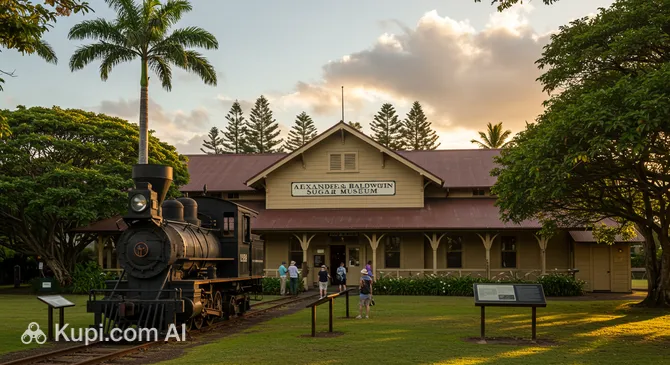
A visit to the Alexander & Baldwin Sugar Museum is essential for anyone interested in the roots of modern Maui. Located in a historic plantation manager's residence next to a working mill, this museum preserves the legacy of the sugar industry. Through artifacts, photographs, and exhibits, it tells the compelling story of the immigrants who came to work in the fields and the profound impact this era had on the island's development.

Alexander & Baldwin Sugar Museum. Source: Kupi.Binoculars

For a vibrant display of the island's agricultural wealth, the Maui Tropical Plantation offers a feast for the senses. This extensive working farm showcases a variety of tropical crops, including coconuts, pineapples, and macadamia nuts. Visitors can take a narrated tram tour to learn about cultivation techniques or simply stroll through the lush grounds to admire the stunning flora and mountain views.

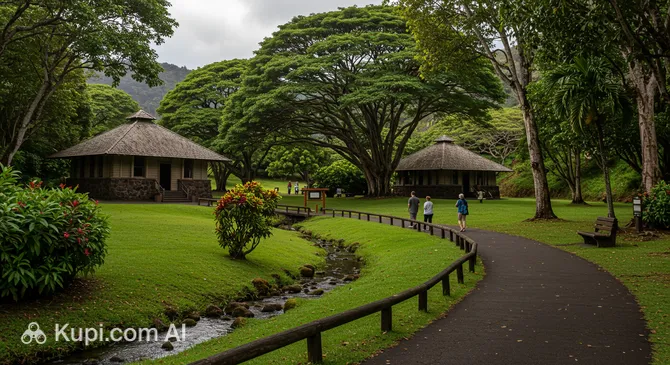
Just a short drive towards the Iao Valley, Kepaniwai Park stands as a beautiful tribute to Maui's multicultural history. This heritage garden features traditional structures and landscaped areas representing the Chinese, Japanese, Portuguese, Korean, and Filipino cultures. It is a serene location perfect for a picnic, allowing travelers to appreciate the diverse influences that have shaped the local community.

Kepaniwai Park. Source: Kupi.Binoculars

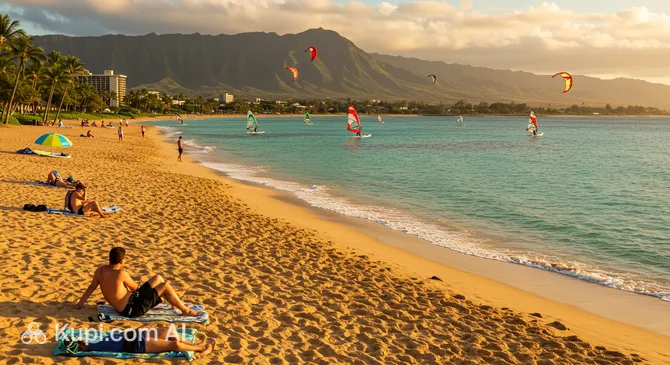
Nature lovers and water sports enthusiasts naturally flock to Kanaha Beach Park. Known globally as a premier destination for windsurfing and kiteboarding due to its consistent trade winds, the park also offers calm, shallow waters protected by an offshore reef. With plenty of shade and picnic facilities, it is a favorite spot for both adrenaline seekers and families looking to relax by the ocean.

Kanaha Beach Park. Source: Kupi.Binoculars

Local Cuisine

The culinary landscape of Kahului is a vibrant reflection of Maui’s multicultural heritage, offering a genuine taste of local life that goes far beyond typical resort dining. As a melting pot of immigrant influences—including Japanese, Filipino, Portuguese, and Chinese—the city’s food scene is defined by comfort, flavor, and fresh island ingredients. For visitors, this is the perfect place to dive into authentic "local grinds" rather than just high-end tourist fare.

No visit to Kahului is complete without trying the iconic plate lunch. This staple meal typically consists of two scoops of white rice, a generous serving of macaroni salad, and a main entrée such as chicken katsu, teriyaki beef, or kalua pork. It is the quintessential comfort food of Hawaii, served in portions that are sure to satisfy any appetite. Another must-try is poke, a raw fish salad usually made with fresh ahi tuna, soy sauce, sesame oil, and onions. In Kahului, you can find some of the freshest poke at dedicated counters and family-run markets.

For those looking to experience the local take on comfort food, Sparky's Food Company is a great spot to sample dishes that residents love. You might also encounter the famous Loco Moco, a hearty dish featuring a hamburger patty over rice, topped with a fried egg and smothered in brown gravy. If you are in the mood for noodles, look for saimin, a Hawaiian noodle soup that blends elements of Japanese ramen, Chinese mein, and Filipino pancit.

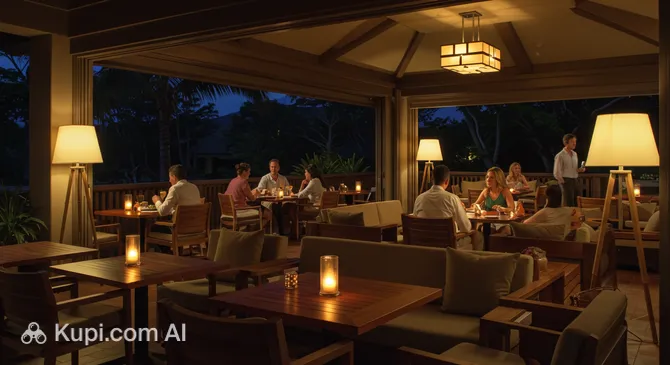
The Mill House. Source: Kupi.Binoculars

When it comes to beverages, the island’s tropical bounty takes center stage. You can cool off with fresh fruit juices like POG (a blend of passion fruit, orange, and guava) or enjoy a cup of locally grown Maui coffee. For something stronger, the classic Mai Tai is a favorite cocktail at bars and lounges, perfectly capturing the spirit of the tropics. Venues like Marco's Grill & Deli offer a relaxed atmosphere where you can enjoy good food and drinks after a day of exploring.

The dining atmosphere in Kahului ranges from casual food trucks clustered near the harbor to sit-down restaurants that highlight farm-to-table cuisine. For a dining experience that combines excellent food with stunning views, The Mill House is a standout destination, utilizing ingredients grown right on the surrounding plantation grounds. Alternatively, if you are craving Mediterranean flavors with a local twist, Bistro Casanova provides a delightful menu in a convenient location, making it easy to enjoy a memorable meal before or after your flight.

Travel Tips

Preparing for a trip to Kahului ensures you start your Maui vacation on the right foot, as this central hub offers resources and conveniences you won't find elsewhere on the island. Here are some practical tips to help you navigate the city and settle into the local rhythm with ease.

  1. Clothing and Gear: Given the warm tropical climate, pack lightweight, breathable clothing and comfortable sandals, locally known as "slippers." However, bring a light jacket or sweater, as indoor air conditioning can be chilly and the trade winds can cool things down in the evenings. If you plan to explore the lush Iao Valley nearby, sturdy walking shoes are a must.

  2. Transportation: While the Maui Bus public transit system connects Kahului to other major towns, renting a car is the most efficient way to explore the island at your own pace. Ride-sharing apps like Uber and Lyft are available in the city, but having your own vehicle provides the freedom to reach hidden beaches and scenic lookouts.

  3. Finances: The official currency is the US Dollar (USD). Credit and debit cards are widely accepted at most establishments, from large shopping malls to local food trucks. ATMs are plentiful throughout the city. Tipping is a standard practice across the United States; expect to leave 15-20% for service in restaurants and taxis.

  4. Health and Safety: Kahului is home to the island's primary hospital, Maui Memorial Medical Center, as well as major pharmacies like Longs Drugs and Walgreens, which are open late. While the area is safe, "smash and grab" theft from rental cars can happen. Never leave valuables visible in your car, especially when parked at beaches or shopping centers.

  5. Communication: English is the primary language spoken, though you may hear Pidgin (Hawaiian Creole English) in casual conversation. Locals appreciate it when visitors use basic Hawaiian words; try saying Aloha (hello/goodbye) and Mahalo (thank you). Free Wi-Fi is commonly available in cafes, the airport, and public buildings.

  6. Local Etiquette: The "Aloha Spirit" is taken seriously here. Be patient, smile, and avoid aggressive behavior, such as honking your horn in traffic, which is considered rude unless it is an emergency. It is also a strict custom to remove your shoes before entering a private home.

  7. What to Avoid: Do not touch, chase, or feed marine wildlife, such as sea turtles (honu) or monk seals, even if they are resting on the shore. Keep a respectful distance of at least 10 feet (3 meters) or more, as disturbing them is both culturally offensive and illegal.

  8. Shopping Insight: As the commercial center of Maui, Kahului is the best place to stock up on groceries and essentials. Visit the local big-box stores like Costco, Walmart, or Target immediately after arriving to buy water, snacks, and souvenirs at standard prices before heading to the resort areas, where costs are significantly higher.

By keeping these practical tips in mind, you will be well-equipped to enjoy everything Kahului has to offer without any hassles. Embrace the laid-back island lifestyle, respect the local environment, and have a wonderful time exploring the gateway to Maui.

Entertainment & Nightlife

Entertainment and Nightlife:

Unlike the resort-heavy areas of Maui that bustle with late-night energy, Kahului offers a much more laid-back and authentic evening experience. The nightlife here is defined by the local concept of "pau hana"—the time after work when residents gather to unwind, share stories, and enjoy good food and drinks. Instead of high-energy dance clubs, you will find welcoming sports bars, lounges with live acoustic music, and restaurants that transition into lively social spots as the sun goes down.

The center of activity tends to cluster around the major commercial areas, particularly near the bustling Kaahumanu Avenue and the harbor district. For a mix of shopping and entertainment, the Queen Ka'ahumanu Center is a primary destination. In the evenings, this hub often hosts local events and is home to a multiplex movie theater, making it a perfect spot for families or couples looking to catch the latest blockbuster after a day of exploring.

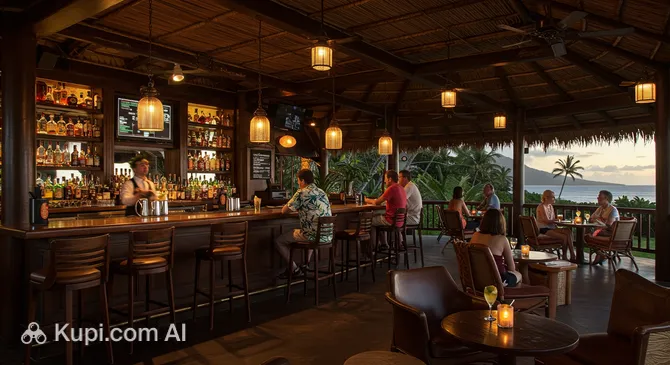
For those seeking a more spirited atmosphere with cocktails and conversation, Bistro Casanova is a standout venue in the city. Known for its stylish yet comfortable vibe, it is a popular place for happy hour and ladies' nights, often featuring a lively crowd enjoying Mediterranean-inspired tapas and drinks. It serves as a great example of Kahului's social scene—sophisticated enough for a date night but relaxed enough for casual travelers.

Bistro Casanova. Source: Kupi.Binoculars

Another excellent option for a casual evening is Marco's Grill & Deli. While it functions as a deli by day, its rich mahogany bar and friendly service make it a comfortable place to settle in for an evening drink. The atmosphere in these venues is typically "Aloha Casual"—shorts, sandals, and aloha shirts are the standard dress code, and you will rarely need to dress up formally to fit in.

Practical advice for enjoying the night includes planning your transport ahead of time. Public buses stop running relatively early, so if you plan to stay out late, it is essential to have a designated driver or use a ride-sharing app like Uber or Lyft. Taxis are also available but should be called in advance. In terms of safety, Kahului is generally secure, but as with any urban area, it is wise to stick to well-lit main streets and avoid walking alone in deserted industrial areas or parks after dark.

During the daylight hours, the entertainment focus shifts to cultural and family-friendly activities. Visitors can explore the island's heritage at the nearby museums or enjoy the green spaces. While the city may not offer the adrenaline-pumping theme parks found on the mainland, its charm lies in its access to nature and community-focused events that provide a genuine connection to the spirit of Maui.

Parks & Museums

Beyond its busy harbor and shopping districts, Kahului offers a surprising array of green spaces and cultural institutions that provide a respite from the urban pace. For travelers looking to understand the island's heritage or simply enjoy a relaxing afternoon outdoors, the city's parks and museums serve as perfect venues to connect with the local environment and history.

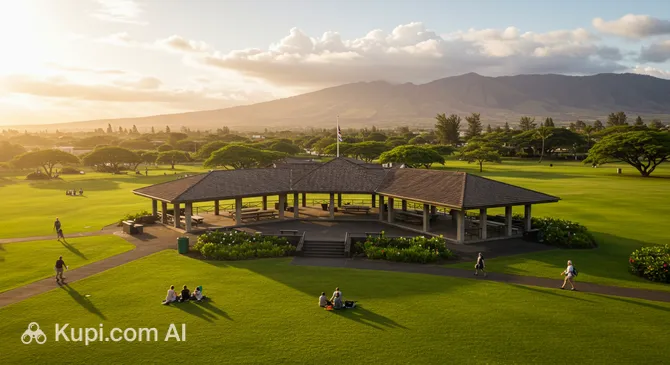
One of the most significant recreational areas in the city is Keopuolani Regional Park. Spanning approximately 110 acres, it holds the title of the largest park in the county of Maui. This expansive green space is a favorite among residents for its diverse facilities, including walking paths, sports fields, and a massive playground. It also houses the Hui Aloha Playground and an amphitheater, making it a vibrant community hub where visitors can witness local sports leagues or enjoy a quiet jog with views of the West Maui Mountains.

Keopuolani Regional Park. Source: Kupi.Binoculars

For those interested in flora and cultural history, the Maui Nui Botanical Gardens is a must-visit gem dedicated to the conservation of native Hawaiian plants. While exploring the gardens, you can learn about the vital role these species played in ancient Hawaiian life. Just a short drive toward the mountains lies Kepaniwai Park, a heritage garden that honors the island's multicultural roots. Here, you can stroll through peaceful pavilions and gardens representing the Chinese, Japanese, Portuguese, and Filipino immigrants who shaped modern Maui, all set against the dramatic backdrop of the Iao Valley.

To dive deeper into the industrial past that built the town, a visit to the Alexander & Baldwin Sugar Museum is essential. Located in a historic plantation manager's home, the museum offers a comprehensive look at the sugar cane industry's impact on the landscape and its people. Exhibits feature authentic artifacts, from field equipment to household items, painting a vivid picture of life on the plantations during the 19th and 20th centuries.

If you prefer your recreation by the water, Kanaha Beach Park provides a perfect blend of parkland and shoreline. While famous for windsports, the park also features extensive shaded picnic areas, volleyball courts, and calm shallow waters protected by a reef, making it an excellent spot for families to gather and relax away from the more crowded resort beaches.

Getting Around

Public transportation in Kahului is provided exclusively by the Maui Bus system, which serves as the primary transit network for the entire island. As the central hub for Maui, Kahului is the focal point where most "Islander" routes connect, linking the town to other major areas like Kihei, Lahaina, and Upcountry. The system operates daily, including holidays, and consists entirely of buses; there are no metros, trams, or trains in the city. The main transfer point recently relocated to the new Kahului Transit Center on Vevau Street, replacing the former hub at the Queen Ka'ahumanu Center.

The fare structure is simple and affordable, making it an excellent option for light travel. A single one-way ride costs $2.00, while a Daily Pass, which allows unlimited rides for the day, is available for $4.00. Payment must be made in cash upon boarding, and exact change is required as drivers cannot provide change. A significant benefit for many visitors is the Free Fare Program: passengers aged 55 and older can ride for free simply by showing a valid photo ID (such as a driver's license or passport) that proves their age. Students aged 24 and under are also eligible for free rides with a valid student ID.

For tourists arriving at Kahului Airport, there is a critical limitation to keep in mind regarding luggage. The Maui Bus has a strict baggage policy that permits only one medium-sized carry-on bag (no larger than 22”H x 14”W x 9”L) that must fit under the seat or on your lap. Large suitcases and surfboards are not allowed on board. Consequently, the bus is generally not a viable option for airport transfers if you are traveling with standard checked luggage, and you will need to arrange alternative transport to your accommodation.

To navigate the system efficiently, it is highly recommended to download the official Maui Bus app, which provides real-time tracking and arrival estimates. Since routes can run on hourly schedules, having live data helps avoid long waits in the tropical sun. If you plan to transfer between routes—for example, taking the Kahului Loop (Routes 5 and 6) to a shopping center and then switching to an Islander route—purchasing a Daily Pass from the driver on your first ride is more economical than paying for individual tickets, as there are no free transfers with single fares.

Given the luggage restrictions and the rural nature of the island, most visitors find that renting a car is the most practical way to get around Kahului and explore Maui. Car rental agencies are plentiful at the airport and in the city center. For shorter trips or if you prefer not to drive, taxis and ride-sharing services like Uber and Lyft are widely available and can easily accommodate travelers with luggage. There are also private shuttle services specifically designed for airport transfers to resort areas.

Accommodation

Where to Stay:

Finding a place to stay in Kahului offers a different experience compared to the lavish resort coasts of Maui. As the island's commercial and transport hub, the accommodation landscape here is designed primarily for practicality and convenience. Travelers will generally find a selection of functional mid-range hotels and older, budget-friendly inns rather than the sprawling luxury resorts or all-inclusive properties found in West or South Maui.

The most strategic area for lodging is the immediate vicinity of the airport and the harbor. Staying here is an excellent choice for visitors with late-night arrivals or early morning departures, as well as for those who wish to use the city as a central base for exploring both the Road to Hana and the Iao Valley. The convenience of being just minutes away from major car rental agencies and shopping centers makes it a logical starting point for many vacations, allowing you to stock up on supplies before heading to more remote parts of the island.

Since Kahului is not a primary tourist destination for long-term vacation stays, the number of accommodation options is relatively limited compared to towns like Lahaina or Kihei. Consequently, availability can be surprisingly tight. Booking Tip: It is highly advisable to reserve your room well in advance, especially if you are planning a stopover during peak travel seasons. The few available hotels often fill up quickly with inter-island business travelers and transit passengers, so last-minute bookings can be difficult to secure.

In terms of pricing, accommodations in the city are generally more affordable than the beachfront resorts in Wailea or Kaanapali, typically falling into a moderate price range. While you may not find five-star amenities or extensive pool complexes, the value lies in the central location and lower nightly rates. Booking is best done through major online platforms to compare prices, as this ensures you get the best deal for a comfortable, no-frills stay.

Nearby Cities

For those looking to explore the surroundings, Kahului serves as an excellent base for day trips to several interesting nearby locations. Its central position on the isthmus makes it easy to reach various parts of the island, offering travelers a chance to experience different microclimates and landscapes within a short drive.

Located just south of the city, Kihei is a favorite destination for sun-seekers. Unlike the breezier north shore, Kihei is known for its dry, sunny weather and stretches of golden sand, such as the popular Kamaole Beach Parks. It is an ideal spot for snorkeling, paddleboarding, or simply relaxing by the ocean. The town also features a lively strip of restaurants and shops, making it a convenient and fun place to spend the day.

Immediately to the west lies historic Wailuku, the county seat of Maui. Nestled at the foot of the majestic West Maui Mountains, this charming town offers a glimpse into "old Hawaii" with its wooden storefronts, local boutiques, and coffee shops along Market Street. It serves as the gateway to the lush Iao Valley State Monument, allowing visitors to combine a cultural stroll with a scenic nature hike in one afternoon.

City Population Distance (km)
Honolulu 1000000 151
Kailua 106260 143
Pearl City 45941 165
Kaneohe 34509 149
Kihei 22840 17

These nearby destinations offer a glimpse into the diverse culture and landscapes of the region, ranging from sunny coastal towns to historic communities.

Shopping & Souvenirs

As the commercial heartbeat of the island, Kahului offers the most comprehensive shopping experience on Maui. Unlike the resort areas which focus on high-end boutiques and tourist-centric shops, this city is where the locals go for their everyday needs. For visitors, it is the perfect place to stock up on essentials at big-box stores, find affordable beach gear, or hunt for authentic made-in-Hawaii gifts without the "resort markup." From large department stores to bustling local markets, the city provides a practical and varied retail landscape.

The primary shopping corridor runs along Kaahumanu Avenue, which cuts through the center of town. This busy thoroughfare is lined with major retail complexes, fast-food chains, and service centers. It serves as the main artery connecting the harbor area to the residential districts, making it nearly impossible to miss. Travelers will find that most of the city's key shopping destinations are conveniently located either directly on this avenue or just a block away, allowing for easy access by car or bus.

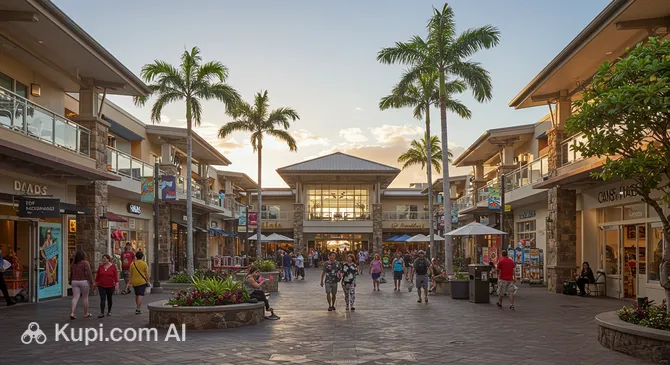
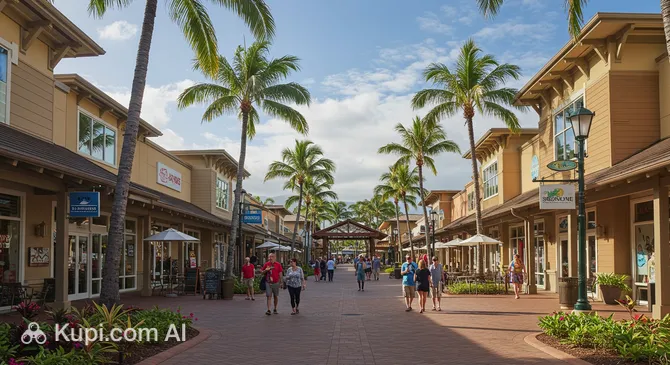
For a traditional mall experience, the Queen Ka'ahumanu Center stands as the island's largest shopping destination. It features a mix of national department stores, island-style fashion boutiques, and a large food court, all under a distinctive roof structure designed to mimic the sails of a ship. Just a short distance away, the Maui Mall Village offers a more relaxed, open-air atmosphere. Here, you can find a cinema, a variety of casual dining spots, and well-known retailers like Whole Foods Market and Longs Drugs, making it a great stop for both entertainment and groceries.

Queen Ka'ahumanu Center. Source: Kupi.Binoculars

One of the most authentic shopping experiences in Kahului is the Maui Swap Meet, held every Saturday morning at the University of Hawaii Maui College grounds. This vibrant open-air market is a treasure trove for bargain hunters and culture seekers alike. For a nominal entry fee, you can wander through stalls selling fresh tropical flowers, locally grown produce, and handcrafted goods. It is widely considered one of the best places on the island to buy direct from local artisans and farmers.

Maui Mall Village. Source: Kupi.Binoculars

When looking for souvenirs to take home, Kahului offers excellent variety and value. Popular items include bags of 100% Maui coffee, chocolate-covered macadamia nuts, and jars of lilikoi (passion fruit) butter. For more durable gifts, look for Hawaiian quilts, hand-carved wooden bowls, or locally made jewelry featuring shells and pearls. Many savvy travelers visit the large warehouse stores in the city, such as Costco or Walmart, to purchase these island staples in bulk at significantly lower prices than in the hotel gift shops.

Most major stores and shopping centers in Kahului operate from 10:00 AM to 9:00 PM on weekdays and Saturdays, with slightly reduced hours on Sundays, often closing around 5:00 PM or 6:00 PM. Smaller local boutiques may close earlier, around 6:00 PM. Payment methods are standard for the United States; major credit and debit cards (Visa, Mastercard, American Express) are accepted almost everywhere. Cash is useful for small purchases at the Swap Meet or food trucks, but ATMs are readily available throughout the city.

Tourists should be aware that the United States does not have a VAT refund system for international visitors. Hawaii charges a General Excise Tax (GET), which is approximately 4% to 4.5% depending on the specific location. This tax is added to the final price at the register for all goods and services. Unlike in some other countries, there is no mechanism to claim this tax back at the airport upon departure.

Reached the end of the page?

That means the route is fully explored