Support

University of Nebraska State Museum - Morrill Hall

About

Imagine a place where the giants of the past come to life, and the walls hold the secrets of life's evolution on Earth. The University of Nebraska State Museum – Morrill Hall is a premier natural history center located in Lincoln, USA, inviting visitors to peer back through the centuries.
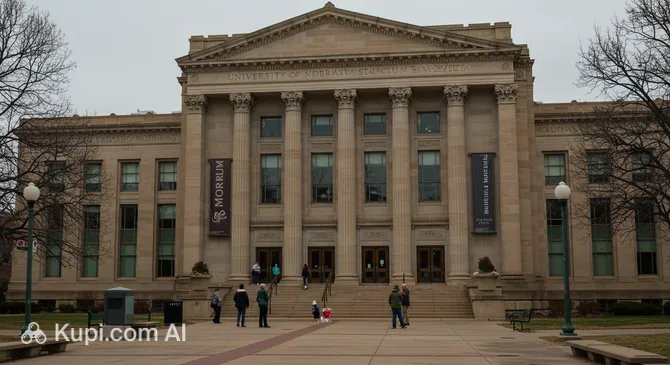
University of Nebraska State Museum – Morrill Hall. Source: Kupi.com AI

This museum is famously known as "Elephant Hall." It houses one of the world's most impressive collections of fossilized ancient proboscideans and other mammals that once roamed the Great Plains. Exhibits cover not only paleontology but also geology, anthropology, and the region's rich modern biodiversity.

As part of the University of Nebraska, Morrill Hall combines a serious scientific foundation with an engaging presentation of information. It is the perfect destination for those who want to understand how our planet's face has changed over millions of years and see unique natural artifacts with their own eyes.

Contacts

To ensure your visit is as comfortable as possible, it is recommended to check the official information and details in advance. The museum provides several ways to get in touch for inquiries about current exhibitions and special events.

Below are the current contact details to help you find your way and plan your visit to this attraction.

Address Morrill Hall, 645 N 14th St, Lincoln, NE 68588, USA
Phone +1 402-472-2637
Website museum.unl.edu
Google Maps Open map

What to Do

The main draw for visitors at Morrill Hall is the famous collection of fossilized skeletons of ancient animals. You should definitely see Archie the Mammoth—one of the largest and most majestic mammoth skeletons ever found. Walking among rows of fossilized giants allows you to fully grasp the scale of prehistoric fauna.

Beyond paleontological treasures, the museum features interactive exhibits dedicated to human evolution and climate change. You can peek into modern laboratories where scientists work on studying new finds, or explore the collection of minerals and gemstones, striking in their variety and natural beauty.

For families with children, the museum offers many educational zones. Young explorers can try their hand as paleontologists in special discovery labs, participate in educational workshops, and watch science shows. Regularly updated temporary exhibitions ensure that even on a return visit, you will surely find something new and surprising.

Getting There

Finding this science center is easy, as it is located in the heart of the University of Nebraska campus in Lincoln. The main entrance is on 14th Street, and the building itself stands out with its classical architecture and massive columns.

For those who prefer public transport, city buses stop nearby, connecting the university campus with other areas. If you are arriving by car, there are paid parking zones for museum visitors in the vicinity; however, keep in mind that parking can be limited during university hours.

From the city center or the train station, it is most convenient to take a taxi or use ride-sharing services. The trip takes only a few minutes, making the museum accessible even for those visiting the city for a short time.

History & Facts

The history of this scientific institution began back in 1871, when the University of Nebraska State Museum was officially founded, initially occupying modest rooms in University Hall. Over time, the collections grew so large that there was an urgent need for a separate, specially designed building.

The current building, known as Morrill Hall, opened its doors in 1927. It was named in honor of Charles Morrill, a generous benefactor and patron of science who, along with museum director Erwin Barbour, put immense effort into creating a worthy home for these unique finds.

Interestingly, the architectural style of Morrill Hall was no accident: in 1909, Morrill and Barbour took an extensive tour of Europe to study the best museums of the time. They sought to adopt cutting-edge practices in spatial organization to create a world-class facility in Nebraska.

Over the past decades, the museum has undergone several major renovations while retaining its historic spirit. Today, it is considered one of the most significant natural history museums in the USA, continuing to serve as a vital center for research and education for new generations.

Time Needed

To leisurely tour all the main halls and get to know the primary exhibits, most visitors need about 2 to 3 hours. This is enough time to walk through the famous "Elephant Hall" and examine the paleontological finds.

If you plan to visit temporary exhibitions, participate in interactive programs, or study the information boards in detail with children, we recommend setting aside half a day for your visit. The museum has many engaging areas where time flies for curious explorers.

Working Hours

When planning your visit to Morrill Hall, please take note of the operating hours. The museum is open to visitors Tuesday through Saturday from 9:00 AM to 5:00 PM, and on Sundays, the doors open a bit later—at 12:00 PM—and welcome guests until 5:00 PM. The museum is closed on Mondays.

It is important to remember that the schedule may change on holidays, so it is worth checking the official website before your trip. The last visitors are usually asked to finish their tour 15–20 minutes before the building closes.

Nearby

After diving into the world of ancient fossils, it's worth taking time to visit other interesting locations nearby. The university area and downtown offer many places for walks, architectural discovery, and relaxation.

Exploring the surroundings will allow you to better feel the atmosphere of Lincoln, combining scientific discoveries with visits to historical monuments and modern art objects.

Attraction Distance (km)
Mueller Tower 0.1
Barry's The Nebraska Bar 0.8
920 O St., Lincoln, Nebraska 0.8
Trago Park Sprayground 0.9
Historic Haymarket 0.9
Nebraska State Capitol 1.3
Lincoln Statue 1.3
Robber’s Cave Tours 4.5
Star City Shores 6.1
Pioneer Park American Bison Statue 6.1

Reached the end of the page?

That means the route is fully explored