Support

Longmont

About

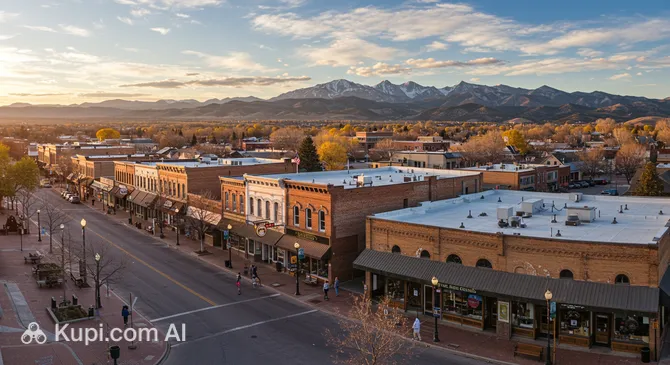
Longmont is a true corner of inspiration located in northern Colorado, at the foot of the majestic Rocky Mountains. This picturesque city in the USA is situated just 50 kilometers from Denver and offers travelers the perfect blend of urban culture and the spirit of the open prairies.

Longmont. Illustration.
Source: Kupi.com AI

The city stretches across a plain that offers stunning panoramas of mountain peaks, which are particularly impressive at sunset. With a population of about 104,000, Longmont is a dynamic and friendly community. The rich history of Longmont is felt in the architecture and atmosphere of the historic center, where the traditions of the American West and modern trends are harmoniously intertwined.

Today, it is an important cultural center for the region with a packed events calendar. Travelers are drawn to the Creative District, numerous festivals, and the chance to visit local breweries or farmers' markets. Thanks to its favorable location, the city has become an excellent starting point for outdoor adventures.

Longmont is worth visiting for its tranquility, the beauty of the surrounding landscapes, and its vibrant community life. It’s a place where you’ll want to linger to leisurely explore museums, discover new flavors, and soak up the atmosphere of Colorado’s unique character.

Weather Overview

Longmont's climate is characterized by distinct seasonality, offering travelers diverse conditions for relaxation depending on the time of year. Generally, expect warm summers with occasional rain and cold but fairly dry winters, which is typical for the Colorado foothills.

The summer season here is pleasingly warm: in July, the hottest month, the average temperature is about 21.5°C, with daytime highs reaching 29.1°C. Although summer rainfall is not huge (about 2 mm), the number of wet days can be significant (up to 17 days in July), which usually means brief, refreshing showers.

Winters in the city are cool but often sunny. In January and February, nighttime temperatures can drop to -9.6°C, though the air often warms up to +4°C during the day. Spring arrives gradually: May is the wettest month of the year but is already warm enough for comfortable walks.

Autumn brings coolness and stable weather, especially in September and October. To make your trip as comfortable as possible, we recommend checking the detailed weather in Longmont in advance and preparing a wardrobe that matches the forecast.

Average monthly temperature

Average monthly precipitation

Interesting Facts

Beyond its main attractions, Longmont holds many fascinating secrets and historical features that make it a truly unique place.

  • A city planned by dreamers. Longmont was founded in 1871 by a group of enterprising settlers from Chicago who sought to build the ideal settlement. They pre-planned the street layout on a clear grid, which was a real breakthrough in urban planning at the time.

  • A massive photo archive. The local museum (Longmont Museum & Cultural Center) houses an impressive collection of over 80,000 historical photographs. The oldest images date back to the 1860s and provide a detailed look at the era of the first settlers and the development of the railroads.

  • A kite tradition. The city has an unusual and colorful custom — an annual kite festival. This event turns the sky over Longmont into a vibrant show and attracts families from across the region.

  • A brewing hub. Longmont is rightfully proud of its award-winning craft breweries. The city has repeatedly appeared in rankings of the best places for culinary tourism, offering guests a chance to try unique locally produced varieties.

  • Streets as a gallery. The urban environment here is closely intertwined with art: many buildings are decorated with large-scale murals that reflect both the history and the modern rhythm of life in this corner of the USA.

How to Get There

When planning a trip to this picturesque part of Colorado, it is important to think about the logistics in advance. You can find out details on how to get to Longmont on a separate page, but here we will look at the main transport hubs located nearby.

The most convenient option for most travelers is Denver International Airport (IATA: DEN). Longmont itself does not have its own airport, but this major aviation hub is only 50 km away. It is one of the busiest airports in the world, receiving flights from all over the planet. The drive by taxi or rental car from here will take approximately 45–60 minutes depending on traffic.

As an alternative, you can consider Colorado Springs Airport (IATA: COS). It is located significantly further away — about 155 km from Longmont. This option might work if you are planning a large road trip through the state and want to visit its southern part before coming to the city. Travel time by car on the highway will be about 1.5–2 hours.

For convenience, here is summary information on the region's main airports:

AirportPassenger trafficDistance
Fort Collins–Loveland Municipal Airport5 00033 km
Denver International Airport77.8 mln50 km
Centennial Airport1 76770 km
Cheyenne17 673112 km
General Brees Field29 068136 km

Since there is no direct rail connection to the city, the main method of travel after arriving at the airport remains road transport. Travelers often rent a car for freedom of movement or use intercity shuttles that run between Denver Airport and cities in Boulder County.

Main Attractions

Longmont offers travelers a surprising mix of cultural discoveries, outdoor recreation, and gastronomic delights. Although the city is often perceived as a quiet suburb, there are several iconic spots that definitely deserve the attention of guests.

Longmont Museum. This is the cultural heart of the city and the perfect starting point for getting to know the region. The museum is famous for its interactive historical exhibits and diverse art exhibitions. One of the main features of the building is a tall tower with an observation deck: by climbing up there, you can enjoy a breathtaking panoramic view of the city and the majestic peaks of the Rocky Mountains. This site is interesting to tourists not only for its collections but also for the opportunity to take stunning photographs.

McIntosh Lake Nature Area. If you want to enjoy Colorado's nature without traveling far from the city limits, this place is perfect. The lake is a popular spot for kayaking, paddleboarding, and birdwatching. A scenic trail about 5.6 km long circles the water, attracting walkers and runners. The park's main "highlight" is the postcard-perfect view of the famous Longs Peak reflecting in the water, which is especially beautiful at sunset.

Cheese Importers. A unique attraction for foodies located in the historic building of the former city power plant. This colorful establishment combines a massive shop with hundreds of types of cheese, a French bistro, and a souvenir shop. Tourists come here for the atmosphere of old Europe, the chance to try rare delicacies, and to buy unusual gifts. Locals call it a "slice of France" in Colorado.

Left Hand Brewing Company. A trip to this region would be incomplete without experiencing the craft brewing culture. This world-famous brewery, based right here in Longmont, attracts beer connoisseurs from all over. Here you can visit the tasting room, relax on the outdoor patio, and try exclusive varieties that aren't available in stores. It's a great way to immerse yourself in the city's relaxed and friendly atmosphere.

Local Cuisine

Longmont's gastronomic scene is a harmonious blend of Wild West farm traditions and modern culinary experiments. At the heart of the local cuisine is the "farm-to-table" concept: chefs actively use vegetables, meat, and dairy products from nearby ranches. The main culinary symbol that tourists must try is the juicy bison burger. This dish has a rich, slightly sweet taste and is considered a signature of the region. Local spots also excel at preparing house-smoked meats and various grilled dishes.

The city is rightfully proud of its craft brewing culture. Local bars and taprooms brew dozens of unique varieties: from light citrus ales to thick, viscous stouts. Beer here is not just a drink, but a part of the gastronomy: many establishments offer specially curated tasting sets where each variety is designed to highlight the flavor of a specific dish.

For those who want to immerse themselves in an authentic atmosphere, the best place is the Longmont Farmers' Market. This is a space where life is in full swing: here you can taste local cheeses, buy a jar of fresh farm honey, jams, or feast on homemade pies. The market often becomes a venue for food festivals and workshops, turning an ordinary lunch into a true celebration of taste and interaction with hospitable locals.

Travel Tips

A trip to Longmont promises to be comfortable and rewarding if you take a few local peculiarities into account beforehand. The city is located at the foot of the mountains and has its own specifics, so we have prepared a list of practical recommendations to help you avoid minor inconveniences and focus on your vacation.

  1. Clothing and Gear: Colorado weather is changeable, so dress in layers. Even if it's hot during the day, the temperature can drop sharply in the evening. Be sure to bring sunglasses and high SPF sunscreen: due to the high altitude, the sun is much stronger here than at sea level. Comfortable trekking shoes are necessary if you plan to go out into nature.
  2. Transport: Although RTD buses run in the city, connecting Longmont with Denver and Boulder, it's better to rent a car for a full exploration of the region. This will give you freedom of movement through the scenic surroundings. Within the city, Uber and Lyft work great, and there is a well-developed network of bike paths.
  3. Finance: The official currency is the USA dollar. Bank cards (Visa, Mastercard) are accepted almost everywhere: from large supermarkets to farm stalls. Cash may only be needed for small purchases. Remember the tipping culture: in restaurants and taxis, it is customary to leave 15–20% of the bill, as this constitutes the main part of the staff's earnings.
  4. Health and Safety: Longmont is a peaceful and safe city, but standard precautions (don't leave valuables visible in the car) apply. Pharmacies (e.g., Walgreens or CVS) are easy to find, and many are open late. The main nuance is altitude adaptation. Drink more water to avoid symptoms of altitude sickness.
  5. Communication and Connectivity: The primary language is English. Locals speak quite fast but are friendly towards tourists. Free Wi-Fi is available in most cafes, hotels, and public libraries. To charge your gadgets, you will need adapters for type A or B plugs (American standard).
  6. Local Etiquette: A relaxed and open atmosphere prevails in Colorado. It is customary to greet clerks, bus drivers, and even passers-by on quiet streets. The question "How are you?" is a form of greeting to which it's enough to answer briefly and smile back. Keep your distance in lines — personal space is highly valued here.
  7. What to Avoid: Do not consume alcohol or other substances publicly in streets and parks — despite liberal state laws, this is only allowed on private property. Also, it is strongly recommended not to approach wild animals (deer, raccoons) that can be found even within city limits — it's dangerous.
  8. Useful Life Hack: Longmont is famous for its municipal internet, NextLight, which is considered one of the fastest in the country. If you need to work urgently or download large files, look for places with a connection to this network — the speed will pleasantly surprise you.

By following these simple tips, you can easily blend into the rhythm of life in Longmont and get the most out of your trip. Be open to new things, respect local traditions, and this hospitable city by the Rocky Mountains will reciprocate!

Entertainment & Nightlife

Nightlife in Longmont differs from the loud and bustling metropolises: an atmosphere of coziness, friendliness, and genuine fun reigns here. Instead of massive night clubs with face control, the city offers guests high-quality bars, atmospheric taprooms, and venues with live music. The main fun is concentrated in the historic center, in the Downtown area and along Main Street, which is lit with string lights and filled with the sounds of music in the evenings.

One of the main draws for evening relaxation is The Speakeasy. This venue, located literally underground, mimics the style of Prohibition-era bars. Here you can not only try excellent cocktails but also dance: DJs often play on weekends or local bands perform. Another iconic spot is the Dickens Opera House. This historic building has been converted into a concert venue that regularly hosts rock bands, country performers, and themed parties.

For those who prefer a more relaxed outdoor format, Wibby Brewing is an excellent choice. This brewery is famous for its huge patio, which hosts concerts, movie screenings, and seasonal festivals. A diverse crowd gathers here: from young people to couples enjoying cool lagers and conversation.

The atmosphere in Longmont's establishments is very casual. There is practically no strict dress code: "casual" style (jeans, shirts, comfortable shoes) will be appropriate in any bar or restaurant. Most establishments close around 10:00 PM – 12:00 AM, although some bars stay open until 2:00 AM, especially on Friday and Saturday. Prices here are lower than in neighboring Denver or Boulder: the average price for a cocktail or a pint of beer ranges from 6 to 12 dollars.

In terms of safety, Longmont is a peaceful city. Walking through the well-lit Creative District in the evening is considered safe, though tourists should stick to busy streets. Public transport runs infrequently at night, so to return to your hotel, it's best to use taxi services like Uber or Lyft, which operate 24/7 and arrive very quickly.

If you're looking for daytime entertainment, the city offers just as many interesting options. In addition to the aforementioned museums, it's worth checking out the Longmont Theatre Company, which stages classic and contemporary plays. Local escape rooms and bowling centers are also popular additions to an evening program.

Parks & Museums

Longmont offers travelers more than just beautiful mountain views; it features well-maintained public spaces where nature harmoniously coexists with historical heritage. The city's network of parks and cultural institutions allows guests to alternate active walks in the fresh air with educational tours, immersing themselves in the atmosphere of the American West.

Among the natural areas, Golden Ponds Nature Area deserves special attention. This is a picturesque preserve with four ponds and a small waterfall, which is a real magnet for photography enthusiasts and birdwatchers. There are convenient gravel paths here, ideal for leisurely strolls. Tourists appreciate this place for its silence and one of the most postcard-perfect views of the famous Longs Peak reflecting in the water.

Another iconic site is Sandstone Ranch. This is a unique complex that combines history and active recreation. The grounds feature a restored 1860s homestead that provides a glimpse into the lives of the region's first settlers. Next to the historical area are modern sports fields and picnic areas, and shaded trails stretch along the river. This place is interesting because it allows you to see how the city developed from a farming settlement into a modern hub.

The city's cultural life is not limited to its main museum. Fans of technology and retro aesthetics should definitely visit the Dougherty Museum. It houses an impressive private collection of vintage cars, including rare steam-powered models (Stanley Steamers) and antique agricultural machinery. The exhibition attracts tourists with the chance to see perfectly preserved machines from the early 20th century, many of which are still in working order. Please note that the museum operates seasonally, mainly during the summer months.

For architecture lovers, The Callahan House & Garden is a true gem. This magnificent Victorian-style mansion was gifted to the city by its owners in 1938. The home's interiors are stunningly refined, and the adjacent Italian garden with fountains and flowerbeds is a popular spot for walks in warm weather. Tourists find this place interesting as an example of the luxurious lifestyle of the early last century and an oasis of calm in the city center.

To feel like a local, go for a walk or a bike ride along the St. Vrain Greenway. This green artery connects many of the city's parks and attractions, allowing you to explore Longmont without going out onto busy roads.

Getting Around

The public transport system in Longmont, as in many small American cities, has its own peculiarities. You won't find a subway or tram lines here; the main and almost only type of municipal transport is buses. The network is operated by the regional provider RTD (Regional Transportation District), which connects the city not only to neighboring areas but also to major hubs like Denver and Boulder.

Bus routes are divided into two types: local and regional. Local buses run along the city's main streets, allowing you to reach shopping centers, parks, and main attractions. For tourists, the regional BOLT route is particularly useful, connecting Longmont to the vibrant city of Boulder, as well as the LD series routes going towards Denver. This is a great budget way to travel between cities without renting a car.

The payment system for RTD buses is quite flexible but requires attention. The most convenient way for a tourist is to download the RTD MyRide mobile app. You can buy tickets in advance and simply scan a QR code when entering the bus (the validator is located next to the driver). Day Passes are also available, which are a good value if you plan to travel a lot. Cash payment is possible directly on the bus, but drivers do not give change, so you must have the exact amount.

Fares depend on the zone and ticket type, but prices are quite affordable. If you are only traveling within the city, the fare will be minimal. For trips to the airport or Denver, a regional-level ticket is required, which costs more. It's important to note that bus schedules can change on weekends and holidays, and service intervals increase in the evening, so it's better to plan your route in advance using Google Maps or the Transit app.

Given that Longmont is a spacious and spread-out city, many tourists prefer alternative ways of getting around. The most popular option remains renting a car, which gives full freedom of action and allows you to reach the nature parks in the mountains. Taxi and rideshare services like Uber and Lyft also work excellently in the city. A car is usually dispatched within 5–10 minutes to any point in the city.

The cycling infrastructure deserves special mention. Longmont is a very "bike-friendly" city with an extensive network of paths and the scenic St. Vrain Greenway route that runs through the entire city along the river. In the warmer months, renting a bike can be more than just a way to get from point A to point B — it’s an enjoyable adventure in itself. Rental points can be found in the city center and near popular hotels.

Accommodation

Longmont offers travelers a decent selection of accommodation that combines comfort, affordability, and a convenient location relative to the region's main natural beauties. Unlike the more expensive mountain resorts or bustling Denver, practical accommodation options aimed at family vacations and business trips prevail here. The hotel stock primarily consists of reliable mid-range chain hotels, cozy motels, and modern apartments.

When choosing a place to stay, you should pay attention to several key areas of the city, each with its own advantages:

  • Southwest Longmont. This is perhaps the most popular part of the city for tourists, especially around Dry Creek Drive and Hover Street. Modern hotels of famous world chains (such as Marriott or Hilton) are concentrated here. The main advantages of this location are the proximity to shopping centers, easy access to the highway towards Boulder, and, of course, the stunning mountain views from the upper floors.

  • Historic Center (Downtown). If it's important for you to be in the thick of things and be within walking distance of local breweries, restaurants, and galleries, look for accommodation closer to Main Street. Although there are fewer large hotels here, this area allows you to fully immerse yourself in the atmosphere of the city and feel its rhythm.

  • Northern part and highway exits. Along the main highways to the north and east of the city, you can find more budget-friendly motels and economy-class hotels. This is an excellent choice for those traveling by car who plan to use Longmont as a base for day trips to national parks.

The price range in Longmont can be described as moderate. The cost of living here is generally lower than in neighboring Boulder, while the level of service remains high. A standard double room in a mid-level hotel will cost less than similar options in the state's major tourist centers. Booking is usually done through popular online platforms, but many travelers also use direct booking on hotel websites to earn loyalty bonuses.

Booking tip: Despite having a sufficient number of rooms, Longmont is becoming an increasingly popular destination, especially in the summer season (June to August) and during major festivals. To guarantee the best view and optimal price, we recommend booking your accommodation 2–3 months before your trip. It’s also worth noting that demand for rooms spikes during graduation dates at the University of Colorado (located nearby).

Nearby Cities

For those looking to explore the surrounding area, Longmont serves as an excellent starting point for day trips to several interesting nearby locations:

CityPopulationDistance
Gunbarrel10 19913 km
Firestone15 94915 km
Berthoud10 18816 km
Lyons10 66516 km
Boulder120 81822 km

Among the featured destinations, Boulder stands out, located just 20 minutes away. It is an ideal place for outdoor enthusiasts and urban culture lovers. The city is famous for its scenic Flatirons rock formations, which offer great hiking trails, as well as the Pearl Street pedestrian mall, which is home to the region's best shops, street performers, and restaurants.

Another attractive option for a visit is Fort Collins. This city is famous for its wonderfully preserved historic center, which served as the inspiration for Main Street in Disneyland parks. In addition, Fort Collins is considered one of Colorado's "beer capitals," offering tourists numerous tours of famous craft breweries.

If you're interested in a quiet atmosphere and history, it's worth checking out the city of Arvada. Its historic Olde Town Arvada district is listed on the National Register of Historic Places. Here you can stroll through cozy streets, visit unique boutiques, and enjoy a cup of coffee at one of the local bakeries, feeling the spirit of the Old West in a modern setting.

These nearby destinations provide insight into the region's diverse culture and landscapes, making a trip to Longmont even more rewarding.

Shopping & Souvenirs

Shopping in Longmont is a calm and pleasant activity, devoid of the bustle of huge metropolises. While you won't find endless rows of luxury boutiques here, the city is famous for its coziness, support for small businesses, and excellent opportunities to buy quality outdoor gear. The city's shopping scene harmoniously combines modern open-air shopping complexes with charming historic shops where you can find unique items from local artisans.

The heart of independent trade is the Historic Downtown, stretching along Main Street. This area is perfect for leisurely walks: antique shops, art galleries, boutiques with designer clothing, and bookstores are concentrated here. The retro-style window displays create a special atmosphere. Tourists come here not only for shopping but also for inspiration, as this area is officially recognized as a state Creative District.

The main place for large-scale shopping is considered to be the Village at the Peaks. This is a modern open-air complex that replaced the old city mall. It features popular American clothing brands, home goods stores, cosmetics, and electronics. Spacious walkways, seating areas with fountains, and mountain views make shopping here comfortable even on hot days. This is the place where you can buy everything you need: from hiking boots to evening wear.

If you want to experience a true taste of Colorado, be sure to visit the Longmont Farmers Market, which runs on Saturdays from April to November. It's not just a place for commerce, but a major social event. Here you can buy the freshest seasonal fruits, homemade jams, baked goods, and handmade crafts. The market is famous for its friendly atmosphere, live music, and the opportunity to chat with farmers who proudly talk about their products.

When choosing souvenirs from Longmont, you should look at local brands. Excellent gifts include:

  • Brewery merch: T-shirts, hats, or collectible glasses from local craft beer producers (e.g., Left Hand Brewing).
  • Cheeses and delicacies: At the famous Cheese Importers store, you can put together a gift basket with rare cheeses and European sweets.
  • Outdoor gear: Given the proximity to the mountains, there is an excellent selection of high-quality equipment that will last for years.
  • Local art: Paintings, ceramics, or jewelry created by artists from the Creative District.

Most stores in shopping centers are open from 10:00 AM to 9:00 PM Monday through Saturday, and close earlier on Sunday — around 6:00 PM. Small boutiques downtown often work on individual schedules and may close as early as 5:00 PM – 6:00 PM. Payment is almost always made by credit cards (Visa, Mastercard, American Express) or contactless via smartphone. Cash is accepted but is becoming less popular.

It is important to remember that in the USA, the Tax Free system (VAT refund) for tourists is practically non-existent in the way it is in Europe. Prices on tags are listed without sales tax. In Longmont, the combined tax (state + city) is about 8.5–9%, which will be added to the total at the checkout. It is impossible to get this tax back when leaving the country, so keep this surcharge in mind when planning your budget.
Reached the end of the page?

That means the route is fully explored