Support

San Antonio Missions National Historical Park

About

The San Antonio Missions National Historical Park is a unique complex located in San Antonio, Texas, USA. It brings together five historic Spanish Catholic missions spread along the scenic San Antonio River. These missions, founded in the 18th century, served not only as centers for spreading Christianity among Native American tribes but also as places to teach them the Spanish way of life, crafts, and farming.
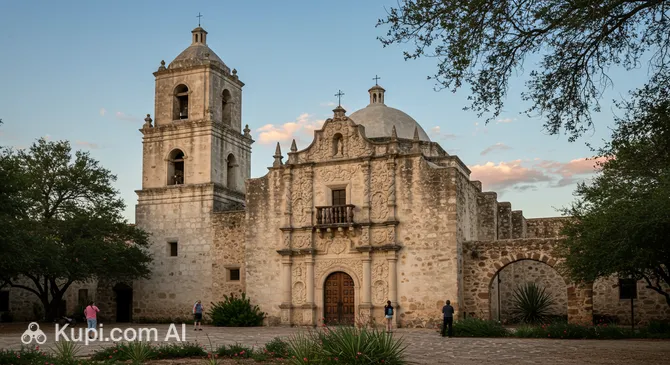
San Antonio Missions National Historical Park. Illustration.
Source: Kupi.com AI

Traveler photos:

This significant historical site includes five missions: Mission Concepción (Nuestra Señora de la Purísima Concepción de Acuña), Mission San José (San José y San Miguel de Aguayo), Mission San Juan Capistrano, Mission Espada (San Francisco de la Espada), and the most famous of them—Mission San Antonio de Valero, better known to the world as the Alamo (though the Alamo is managed separately and is not administratively part of the National Historical Park, historically it was the first mission). Each of the park's active missions possesses its own unique architecture and history, immersing visitors in the atmosphere of the past.

A visit to the San Antonio Missions National Historical Park offers more than just a view of ancient walls. It is a true journey back in time, allowing you to touch the region's colonial heritage. The missions are connected by the scenic Mission Reach walking and cycling path, which is part of the famous River Walk. This makes them easily accessible for exploration, allowing visitors to enjoy both the historical structures and the beautiful nature along the river.

The park is recognized as a UNESCO World Heritage site, highlighting its outstanding universal value. Here, you can see beautifully preserved churches, living quarters, granaries, and irrigation systems that still function today. This place stands as a testament to the complex interaction of cultures and a significant reminder of the history of Texas and the entire American Southwest.

Contacts

For the most up-to-date information on operating hours, available tours, contact details for the San Antonio Missions National Historical Park administration, and directions to individual missions, we recommend visiting the official National Park Service (NPS) website. You can also find helpful information at tourist information centers in the city of San Antonio.

Since the park encompasses several historical sites located along the river, official resources provide detailed maps and recommendations for moving between missions, including information on walking and cycling paths.

How to contactContact
AddressSan Antonio, TX, USA
Phone number+1 210-932-1001
Websitewww.nps.gov

What to Do

Visitors to the San Antonio Missions National Historical Park can dive deep into history by exploring the magnificently preserved architectural structures of the Spanish colonial era. Mission Concepción, founded in 1731, is of particular interest, as its church has survived to this day in excellent condition. Stepping inside the churches, you will see the austere yet impressive décor typical of Catholic churches of that era and can imagine what life was like within these walls centuries ago.

Walking through the extensive mission grounds will allow you to study the remains of ancient fortifications and the foundations of outer walls that once protected their inhabitants in detail. Many churches within the park are still active parishes, and visitors have the unique opportunity not only to admire their architecture but also perhaps to attend a service, feeling a living connection across time.

One of the most pleasant activities in the park is exploring its territory via the scenic River Walk, which snakes along the San Antonio River and connects all the missions. You can take a leisurely stroll on foot, enjoying the views, or rent a bike (estimated cost is $12 for 24 hours) and tour the entire complex independently, discovering its hidden corners and historical details at your own pace.

Getting There

The San Antonio Missions National Historical Park is conveniently located within the city of San Antonio. All five missions stretch along the scenic San Antonio River and are connected by the famous River Walk. This makes them easily accessible to visitors, offering several pleasant ways to explore and move between them, whether on foot, by bicycle, or by car.

From downtown San Antonio, you can take a pleasant walk along the river to reach the nearest missions. Alternatively, for faster and more convenient travel between all five park sites, you can rent a bike—according to available information, the estimated cost is about $12 for 24 hours. Each mission can also be reached by car or taxi; this may be preferred if you want to visit all locations in a short time or are traveling with limited mobility. For those who prefer public transport, it is recommended to check current routes and stops near the park on the city's official transportation resources in advance.

When planning your visit, it is important to consider the location of the missions. The most famous of them, Mission San Antonio de Valero, better known as the Alamo, is located directly in the city center, making it a convenient starting point. The other four missions—Concepción, San José, San Juan Capistrano, and Espada—are located further south along the San Antonio River. Thanks to this, you can start your tour at the Alamo and then head south along the River Walk, by bike, or by car, visiting the park's other historical sites in sequence.

Nearest city: San Antonio

History & Facts

The history of the San Antonio Missions National Historical Park dates back to the late 17th and early 18th centuries. During that era, San Antonio was already the most populous Spanish settlement in what is now Texas. A significant step toward establishing the missions was Father Olivares' visit to the San Antonio River area in 1709. It was then that he formed a firm intention to found not only a mission to convert the indigenous population to Christianity but also a complete civil settlement.

Father Olivares' initiative received official approval in 1716, when the Viceroy of the Spanish King granted permission to establish the mission and build a fortress necessary for its protection. Martín de Alarcón, Governor of Coahuila and Texas, was appointed to oversee this ambitious project. These efforts culminated on May 1, 1718, with the founding of Mission San Antonio de Valero, which later gained worldwide fame as the Alamo. Just a few days later, on May 5 of the same year, the San Antonio de Béxar Presidio was established on the west bank of the San Antonio River, about two kilometers from the mission, to ensure the security of the new Spanish enclave.

Following the first mission and fort, the Spanish continued to strengthen their presence in the region. In the following years, four more missions were founded, which today form the heart of the San Antonio Missions National Historical Park. These include Mission Concepción, Mission San Juan Capistrano, and Mission Espada. Special mention goes to Mission San José, founded in 1720 and named after the Marquis of San Miguel de Aguayo. Each of these missions made a unique contribution to the history of Texas, becoming not only religious but also vital cultural and economic centers of their time.

Time Needed

When planning a visit to the San Antonio Missions National Historical Park, it is worth noting that it is recommended to set aside a full day to fully experience all five missions. This will allow you to explore each one at a leisurely pace, soak in their history, and enjoy the atmosphere of these unique sites.

If your time is limited or you plan to focus on just one or two missions, you will likely need about 2-3 hours for your tour. The missions are located along the scenic San Antonio River and are connected by the famous River Walk. For a comfortable visit to all the park's sites, many tourists prefer to rent a bike for 24 hours, which provides the opportunity to explore the area at their own pace.

Working Hours

The San Antonio Missions National Historical Park is generally open to visitors year-round; however, the operating hours of individual missions and visitor centers may vary depending on the season and specific day of the week, and they may also change on holidays. Since exact operating hours are not provided, it is highly recommended to check the official National Park Service (NPS) website or contact the park directly before your visit. This will help you get the most up-to-date information on the hours for each mission and learn about any possible schedule changes.

Regarding ticket booking, admission to most missions within the park is usually free; however, some special programs, guided tours, or events may require advance registration or a ticket purchase. Confirming this information on the official website will also help you plan your visit in the best possible way and avoid any unforeseen situations. Early planning is especially important if you are traveling during the peak tourist season.

9:00 – 17:00

Nearby

Visiting the San Antonio Missions National Historical Park is undoubtedly an unforgettable experience that immerses you in the rich history of San Antonio. However, to make your journey even more fulfilling and complete, it is worth paying attention to other nearby attractions. Exploring the surroundings will allow you to gain a deeper understanding of the region's cultural and historical context and discover new interesting places.

There are many fascinating sites near the mission park that can complement your experience. From other historical landmarks to modern entertainment, San Antonio offers a variety of options for curious travelers. Below is a list of some attractions located near the San Antonio Missions National Historical Park, along with the distance to them.

NameDistance
Mission Espada1.3 km
Mission San Jose4.3 km
Mission San José4.5 km
Greenlake RV Resort6.9 km
Tower of the Americas10.4 km
River Walk San Antonio Hotel10.7 km
SEA LIFE San Antonio11 km

Have you reached the end of the page?

So the route has been studied inside and out