Support

Torrey Pines State Natural Reserve

About

Torrey Pines State Natural Reserve is a unique corner of wild nature stretching along the Pacific coast within the city of San Diego, USA. This reserve, spanning nearly 2,000 acres, is a true oasis of tranquility and natural beauty, contrasting with the bustling life of the metropolis. It is rightfully considered one of the most untouched stretches of the Southern California coastline.

The main pride and feature of the reserve is the extremely rare Torrey pine (Pinus torreyana), which grows naturally only here and on Santa Rosa Island. These whimsically wind-bent trees create a unique landscape against a backdrop of high sandstone cliffs and deep ravines overlooking the ocean. The reserve was established to preserve not only these unique trees but also one of the last remaining salt marshes in Southern California, which serves as a sanctuary for many species of waterfowl.
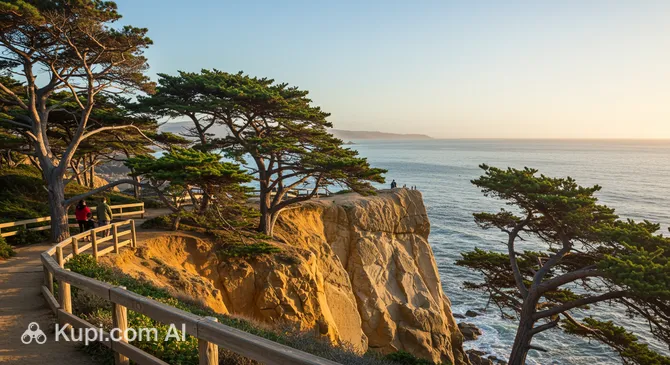
Torrey Pines State Natural Reserve. Illustration.
Source: Kupi.com AI

Traveler photos:

Visitors can explore about eight miles of well-maintained hiking trails of various difficulty levels that wind along steep cliffs and lead to secluded beaches. The routes offer breathtaking views of the Pacific Ocean, and during the winter months, gray whale migrations can be observed from the bluffs. In spring, the slopes are covered with vibrant wildflowers, making a walk even more picturesque. This place is ideal for those who want to take a break from the city bustle and enjoy the beauty of nature.

Contacts

Before visiting Torrey Pines State Natural Reserve, it is highly recommended to check for current information, as operating hours, trail availability, and regulations may change depending on the season and weather conditions. This is particularly important because the reserve is a protected natural area with strict rules designed to preserve its unique ecosystem.

Finding direct contact information for the reserve administration, such as a dedicated phone number or email, can be difficult. For the most accurate and up-to-date information regarding operations, potential restrictions, or temporary trail closures, you should visit the official website of California State Parks, which manages the territory.

How to contactContact
Address12600 N Torrey Pines Rd, La Jolla, CA 92037, USA
Phone number+1 858-755-2063
Websitewww.parks.ca.gov

What to Do

The primary activity for visitors to Torrey Pines State Natural Reserve is hiking along its several scenic trails. The routes are designed for different fitness levels, so every guest can find something suitable. For example, you can start with the Guy Fleming Trail, which passes by wind-sculpted pines and cliffs. From January to March, this trail is a great spot for watching the California gray whale migration. It also offers beautiful ocean views.

In addition to hiking, the reserve provides excellent opportunities for wildlife observation. It is home to California quails, as well as year-round residents like loons and great blue herons. You can also encounter other members of the fauna within the reserve and its surroundings. In spring, from February to May, the hillsides are carpeted with bright wildflowers, making any walk even more colorful.

When planning your visit, it is important to remember the strict rules established to preserve the unique ecosystem. Picnics and camping are strictly prohibited within the reserve. Dogs are also not allowed. These measures help protect rare plant and animal species, including the rarest pine in the USA — the Torrey pine, for which the reserve is named.

Getting There

Getting to Torrey Pines State Natural Reserve is quite easy, as it is located just 25 kilometers north of downtown San Diego. The most convenient way is by car, with the trip taking approximately 20-30 minutes. You should take I-5 North, exit at Carmel Valley Road, and then follow the signs for North Torrey Pines Road, which will lead you directly to the reserve entrance. This route is well-marked and shouldn't pose any difficulties even for first-time visitors.

If you prefer public transport, the reserve can also be reached by bus. There are routes connecting the city center with coastal areas, including La Jolla, near which Torrey Pines is situated. For instance, bus #101 stops near the entrance. A bus trip may take longer, about an hour or an hour and a half, but it's a great way to enjoy coastal views without worrying about driving or parking. Additionally, taxi and ridesharing services are always an option, being the fastest but also more expensive choice.

There are parking areas within the reserve; however, keep in mind that this is a very popular destination. On weekends and holidays, parking can be completely full as early as the morning. To avoid inconvenience, it is recommended to visit on weekdays or as early as possible on weekend mornings. This not only guarantees a parking spot but also allows you to enjoy the trails in a quieter setting before the main crowds arrive.

Nearest city: San Diego

History & Facts

The history of Torrey Pines State Natural Reserve is inextricably linked to the unique tree for which it is named. This is the Torrey pine (Pinus torreyana), which was discovered by science in the 19th century and immediately captured the attention of botanists. It was named in honor of the prominent American botanist John Torrey. This pine species is one of the rarest in the USA and the world, making its preservation a critically important task.

Recognizing the uniqueness of this area, visionary citizens of San Diego began taking steps to protect it as early as the late 19th century. In 1899, a small park was created to protect the rare trees at the initiative of philanthropist George Marston. Later, thanks to the efforts of philanthropist Ellen Browning Scripps and naturalist Guy Fleming, the territory was expanded and granted a higher protected status. In 1956, the park was placed under the management of California State Parks to ensure maximum protection for its fragile ecosystem.

The most remarkable fact about the reserve lies in its exclusivity. In the wild, the Torrey pine grows in only two places on the planet: here, on the coastal bluffs, and on the small Santa Rosa Island off the coast of California. This makes the reserve not just a park, but a true living museum. Thanks to strict conservation measures adopted over a century ago, Torrey Pines today stands as a shining example of how a unique corner of wild nature can be preserved within a major metropolitan area.

Time Needed

When planning a visit to Torrey Pines State Natural Reserve, you should expect to spend between 2 to 4 hours. This is usually enough time to leisurely walk one or two main routes, such as the Guy Fleming Trail, which takes about 30-60 minutes, and fully enjoy the panoramic views of the Pacific Ocean. This timeframe allows you to get to know the reserve's unique flora and take impressive photos without getting too tired from long walking.

If you are an avid hiker and want to explore longer or more challenging trails, such as the route to Razor Point, or descend to the secluded beach at the foot of the cliffs, it's better to set aside half a day or even more. Nature enthusiasts and photographers can easily spend an entire day here, exploring remote corners of the park and waiting for the perfect sunset light. Guided walks organized in the reserve typically last about an hour and a half.

Working Hours

Torrey Pines State Natural Reserve is open to visitors year-round, allowing you to enjoy its beauty in any season. The reserve opens daily at 7:15 AM and stays open until sunset. Note that closing times change depending on the time of year, so it is highly recommended to check the current operating hours on the official park website before your visit. The Visitor Center on-site also has its own schedule, typically open from 9:00 AM to 5:00 PM.

For independent hiking on the trails, advance reservations are generally not required. However, organized groups or those wishing to participate in special guided tours may need to apply in advance. To avoid queues and find a parking spot, especially on weekends and holidays, it is recommended to arrive early, as the most popular visiting time is between 10:00 AM and 1:00 PM.

Nearby

A visit to Torrey Pines State Natural Reserve is a wonderful opportunity to enjoy untouched nature, but you shouldn't stop there. Exploring the surrounding areas can significantly enrich your experience in San Diego. There are many interesting sites in the immediate vicinity of the reserve that allow you to diversify your holiday and see other facets of this amazing part of the USA.

From world-famous golf courses and historic sites to cozy beaches and unique venues, the area around Torrey Pines offers entertainment for every taste. Below is a list of nearby attractions, including their distance from the reserve, to help you plan your itinerary more easily.

NameDistance
Torrey Pines Gliderport3.4 km
Grand Del Mar5.4 km
Raised by Wolves6.5 km
La Jolla Shores Beach7.1 km
Belly Up Tavern7.9 km
La Jolla Cove8.1 km
The Taco Stand9.4 km

Have you reached the end of the page?

So the route has been studied inside and out