Support

Otay Valley Regional Park

About

Imagine a green corridor stretching for 13 miles along the river, where the city noise is replaced by the rustle of willows and the singing of birds. Otay Valley Regional Park is a massive natural area located in close proximity to the dynamic city of Tijuana, crossing the border between Mexico and the USA.
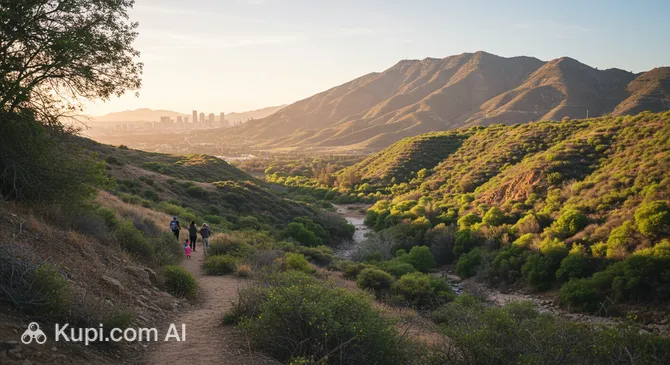
Otay Valley Regional Park
Otay Valley Regional Park. Иллюстрация. Источник: Kupi.com AI

The park covers an impressive area of about 8,869 acres and is home to an amazing variety of ecosystems: from salt ponds to floodplain forests. Here you can encounter gray foxes, raccoons, and over 200 species of birds, including graceful blue herons. This place was created to preserve unique natural resources and allow every guest to experience the pristine beauty of California's nature.

Of particular value are the park's rare inhabitants, such as the California gnatcatcher and unique plants like Orcutt's bird's-beak. Otay Valley Regional Park is not just a place for walks, but a true living open-air museum where the region's archaeological and natural treasures are carefully protected.

Contacts

To plan your visit to Otay Valley Regional Park, it is helpful to have the current contact details of the managing organizations on hand. Since the park is jointly managed by several municipalities, official information can be found on San Diego County resources.

How to contactContact
Address2369 Beyer Blvd, San Diego, CA 92173, США
Phone+1 619-424-0463
Websitewww.sandiego.gov

What to Do

In Otay Valley Park, everyone will find something to their liking, whether it's an active workout or relaxed contemplation. There are more than 8 miles of wide multi-use trails that are ideal for hiking, mountain biking, and even horseback riding. Thanks to the minimal elevation gain, the routes are comfortable for families with children and beginner travelers.

Nature lovers should head for birdwatching at one of the seven ponds. Armed with binoculars, you can spend hours observing snowy egrets, American avocets, and rare songbirds. The atmosphere of the river valley gives a sense of complete privacy, and information stands along the trails will help you learn more about the local flora and fauna.

For those seeking more activity, the Greg Cox Bike Park is located near Beyer Way, where cyclists can hone their skills. After an active day, you can set up a cozy picnic in specially equipped rest areas, enjoying the fresh air and views of the valley's picturesque landscapes.

Getting There

Reaching this natural oasis is easy, as it is located just 4 miles north of the border shared by Mexico and the USA. The main entrance and Ranger Station are located at Beyer Blvd, where convenient parking is provided for visitors.

If you are traveling by car, it is most convenient to use the I-805 highway (exit at Beyer Blvd or Beyer Way) or the I-5. Seven staging areas for accessing the trails are equipped along the park's territory, which stretches from the San Diego National Wildlife Refuge.

For those who prefer public transport, bus routes are available to stops in the Otay Mesa area. You can also use taxi or rideshare services from the central parts of the border areas, allowing you to reach the main park gates quickly and comfortably.

Ближайший город: Tijuana

History & Facts

The history of the lands now occupied by Otay Valley Regional Park dates back to the deep past — more than 9,000 years ago, the prehistoric Kumeyaay people lived here. They used the rich resources of the river valley for hunting and gathering, leaving behind a significant archaeological legacy.

A new chapter in the history of this place opened in the 1770s, when the valley became the site of Father Junípero Serra's first camp during his famous expedition to found missions in California. Later, in the 19th century, these expanses were transformed into vast Spanish ranchos, where herds of cattle grazed on lush meadows.

The modern stage of the park's development began in 1990, when county authorities and the cities of San Diego and Chula Vista joined forces to preserve the unique ecosystem. This agreement protected floodplain forests and rare plant species from industrial development, turning former gravel quarries into a protected recreational zone.

Time Needed

When planning a visit to the park, consider what type of recreation you prefer. For a brief introduction, a light picnic in shaded areas, or birdwatching at one of the seven ponds, 1–2 hours is quite sufficient.

If your goal is to complete the full route of about 8.5 miles, enjoy the changing ecosystems, and see the valley's rare inhabitants, it is better to set aside 3–4 hours (half a day). This will provide enough time for a leisurely walk or bike ride along the main trails with stops at the observation points.

Working Hours

The park is open for hiking and visiting daily from sunrise to sunset. This allows guests to enjoy the beauty of nature both in the rays of the morning sun and during the golden hours before dusk.

Please note that access to parking lots and public restrooms is limited: they are open from 8:00 AM to 5:00 PM daily. The park is closed to visitors only on December 25th. To check current information before your trip, it is recommended to visit the official county website.

08:00–17:00

Nearby

A visit to the nature park can be perfectly combined with exploring the cultural and entertainment sites that Tijuana is famous for. Its proximity to the border allows tourists to quickly switch between peaceful nature retreats and a dynamic urban atmosphere.

NameDistance
Montgomery-Waller Community Park1.1 km
Tijuana Arch6.3 km
Tijuana Wax Museum6.3 km
Sanctuary of Our Lady of Guadalupe (Old Cathedral)6.3 km
Santa Cecilia Plaza6.3 km
Teniente Guerrero Park6.4 km
Sticky Social Savage Club6.6 km

Reached the end of the page?

That means the route is fully explored