Support

Shageluk Airport

About the Airport

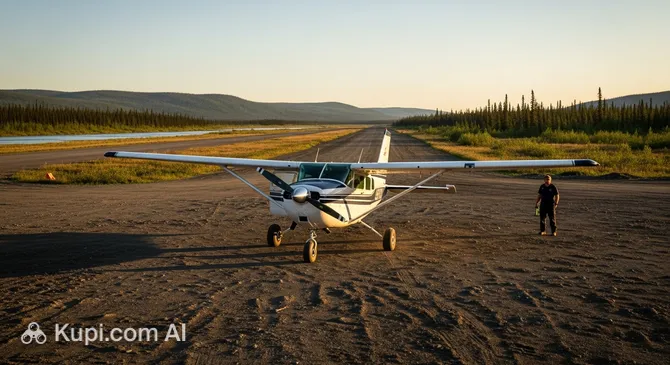
Shageluk Airport. Source: Kupi.com Binoculars

Shageluk Airport is more than just a transport hub; it is a true "lifeline" for a small settlement lost amidst the Alaskan wilderness. Here, on the banks of the Innoko River, you will not find the usual glass terminals and noisy waiting halls, but from the first few minutes, you will be immersed in the authentic atmosphere of the northern outback. Landing on a gravel strip amidst the endless tundra gives travellers unforgettable emotions and a sense of a real adventure at the edge of the world.

For local residents, this airport is the main connection to the outside world, through which mail, groceries, and medicines are delivered. Despite its modest size and lack of complex infrastructure, the air harbour operates year-round, defying the region's harsh climate.

IATA Code SHX
ICAO Code PAHX
City Shageluk, Alaska (USA)
Distance to centre ~1.6 km
Status Domestic / Regional
Passengers per year About 1,200
Schedule Check with air carriers

Features and Advantages of the Airport:

The main feature of Shageluk Airport is its gravel runway, which is typical for Alaskan bush aviation. This requires special skill from pilots and adds local colour to your flight. The airport has no permanent staff or control tower, making departure and arrival processes as fast as possible and devoid of bureaucracy.

Additionally, during the summer period, a landing zone for seaplanes operates near the airport on the Innoko River. A flight here is an excellent opportunity to enjoy views of winding rivers and pristine forests from a bird's-eye view, which is especially appreciated by lovers of eco-tourism and fishing.

Contact Information

Since Shageluk Airport is located in a remote area and is a small aviation facility without permanent on-site staff, classic contact information (such as a 24-hour terminal call centre) is absent here. The main link for passengers is the airlines operating flights to this region.

  • Airport Address: Shageluk Airport, Shageluk, AK 99665, USA.
  • Official Airport Website: There is no separate website. Technical information is available on the Alaska Department of Transportation (Alaska DOT&PF) resources.
  • Inquiry Service Phone: There is no direct phone line at the airport. Information on departures and arrivals must be strictly checked with air carriers (major operators in the region are Grant Aviation and Ryan Air).
  • Email: The airport does not have its own email. For inquiries, use the contact forms on airline websites.
  • Airport Social Media: Official accounts are not maintained. Current news is often published on the pages of partner airlines.
  • Lost Luggage Information: Tracing items is done exclusively through the support service of the airline that operated your flight.
  • Passenger Support Contacts: For all questions regarding booking, schedules, and service, you should contact the airline hotlines (e.g., Grant Aviation: +1 888-359-4726, Ryan Air: +1 907-562-2227). Questions regarding infrastructure maintenance (runway condition) are answered by the Alaska DOT&PF Northern Region.

How to Get to the Airport

Transport logistics in Shageluk differ radically from the usual urban environment. Since the settlement is completely isolated from the Alaskan road network, and the airport itself is a gravel strip on the outskirts of the village, standard passenger transport rules do not apply here. The journey to the air harbour is a short but colourful trip that depends on the time of year.

Distance and Travel Time

The airport is located just 1.5–2 kilometres from the residential part of the village. Travel time is no more than 5–10 minutes by transport or about 15–20 minutes on foot, weather and luggage permitting.

Public Transport

There is a complete absence of public transport in Shageluk. There are no buses, shuttles, or trains. The settlement's infrastructure is too small to support regular routes within the locality.

Taxi, Transfer, and Local Transport

There are also no familiar taxi services or apps like Uber here. Movement is carried out in the following ways:

  • In Summer: The main means of transport are quad bikes (ATVs). Locals often use them to meet guests and deliver cargo to the aircraft.
  • In Winter: When the ground and river are covered with snow, snowmobiles become the main transport.
  • Arrangements: If you are flying to Shageluk by invitation, to visit relatives, or for work, the transfer is usually organised by the hosting party. Locals are very helpful, and it is often possible to arrange a ride for a nominal fee or simply out of neighbourly kindness.

Car Rental

It is impossible to rent a car in Shageluk. There are no rental agencies in the village, and the lack of roads leading outside the settlement makes the use of a standard car impractical.

Parking

There is no specialised paid parking at the airport. Near the runway, there is an open area where locals leave their quad bikes and snowmobiles while meeting the plane. This is free and unguarded.

Important Recommendations for Tourists

When planning a departure from Shageluk, consider the severity of the local weather. Even if the distance seems short, strong wind or frost can make a walk dangerous. Always arrange transport to the strip with a local in advance. Furthermore, be prepared for flight schedules to shift due to meteorological conditions.

Neighbouring Air Hubs

Travels to remote corners of Alaska often require transfers. If you are planning a complex route through the region, information about other airports located at various distances from Shageluk (access to them is possible only by air) may be useful:

Terminals and Map

The infrastructure of Shageluk Airport is extremely concise and fully corresponds to the spirit of Alaskan bush aviation. Here you will not find the usual division into international and domestic terminals, gates, or complex levels. The entire airport complex is a single functional node focused on the fast and practical servicing of small aircraft.

Structure and Terminals

The airport actually consists of one gravel runway and a small adjacent area for aircraft parking. The concept of a "terminal" here is nominal. Usually, it is a small structure or shed for waiting, protecting against wind and precipitation, or simply an open area where passengers await the arrival of the board.

Infrastructure features:

  • Number of terminals: One nominal service sector.
  • Transfers: None. All movements are carried out on foot across a level surface from the quad bike/snowmobile parking zone to the aircraft steps.
  • Navigation: It is impossible to get lost in Shageluk. The movement scheme is intuitive: upon arriving at the airport, you immediately see the aircraft parking spot. Visual contact is the main navigation tool.

Departure and Arrival Zones

Unlike major hubs, the departure and arrival zones here are not spatially separated. Passengers disembarking from the plane and those preparing to board are in the same area. This creates a special atmosphere of trust and community, where one can often see arriving locals greeting departing acquaintances right by the aircraft wing.

Check-in and Security Features

Procedures at Shageluk Airport differ radically from standard security protocols in big cities. There are no shoe scanners, metal detector frames, or long queues for passport control.

The departure process looks as follows:

  • Meeting the Pilot: The functions of the check-in agent and security service are often performed by the pilot themself. They check passenger lists on a tablet or paper manifest.
  • Weighing: This is a critically important stage. For small aircraft (like Cessna or Piper), every kilogram matters. The pilot may ask you to state your exact weight and weigh all luggage (including hand luggage).
  • Boarding: After a short check and luggage loading, you immediately take your seat in the cabin. Seats are usually not fixed in the ticket and are distributed by the pilot for the correct balancing of the aircraft.

Time and Recommendations

Despite the lack of queues, punctuality is very important here. Planes fly on schedule, often performing "mail" flights with several stops, so delays are unacceptable.

  • Arrival Time: It is recommended to be on-site 20–30 minutes before departure. This time is sufficient to meet the pilot and load belongings.
  • Clothing: Keep in mind that waiting areas may not be heated or may be absent entirely. Dress warmly, as waiting for boarding effectively takes place outside, in the open wind.
  • Luggage: Try to pack things in soft bags rather than rigid suitcases — they are easier to place in the limited cargo hold of a small plane.

Airport History

The history of Shageluk Airport (SHX) is a chronicle of the struggle for connection with the outside world amidst harsh northern nature. Unlike major international hubs, you will not find an exact date of a grand opening with a ribbon-cutting and orchestra here. The development of aviation in this region occurred organically, as a response to the acute need to deliver vital cargo, mail, and medicines to an isolated settlement on the banks of the Innoko River.

Stages of Formation and Development

In the mid-20th century, when small aviation began to actively replace dog sleds and river transport, Shageluk became one of the points on the route map of legendary Alaskan "bush" pilots. Initially, landings were made either on water (seaplanes), on the ice of the frozen river, or on primitive cleared areas. The appearance of an officially registered gravel strip became a turning point, giving residents stability and the possibility of year-round communication.

Key Reconstruction

The most significant event in the recent history of the airport was the project for its relocation and modernisation, implemented in the early 2010s. The old runway was located in immediate proximity to the school and residential houses, creating noise and potential danger. Furthermore, the old location suffered from soil erosion and spring floods of the Innoko River.

The construction of the new air harbour on higher ground solved several problems at once:

  • Flight safety increased thanks to more modern runway geometry.
  • Navigation and lighting equipment improved, which is critical during the polar night.
  • Dependence on the whims of the river, which threatened to flood infrastructure, was reduced.

Interesting Facts and Role in Regional Life

Shageluk Airport does not set records for passenger traffic, but its role cannot be overestimated. It is part of the so-called "road of life" for local communities.

  • Support for the Iditarod Race: Shageluk is one of the checkpoints of the famous Iditarod dog sled race. During the competition days, the load on the airport increases manifold: planes arrive with volunteers, veterinarians, press, and supplies for mushers and dogs. The airport becomes the logistical heart of this global event in this sector of the trail.
  • Air Ambulance: Historically, the airport is the only hope for emergency medical assistance. For medevac pilots, landing in Shageluk in bad weather has always been a challenge, but thanks to the presence of the strip, hundreds of lives have been saved.
  • School Logistics: The airport plays a key role in the region's educational system. Sports teams from local schools use flights to travel to competitions in neighbouring villages, as school buses simply do not exist here.

Services and Facilities

Travellers planning a flight through Shageluk Airport (SHX) must understand the specific nature of this place. It is not a standard transport hub with shopping galleries and food courts, but a remote point in the Alaskan wilderness. The level of service here is defined by harsh conditions and a small population, so familiar urban amenities are completely absent. Your preparation for the flight must be as thorough as possible.

Dining and Shopping

In the airport itself and its immediate vicinity, there are no restaurants, cafes, bars, or vending machines. There are also no Duty Free shops, souvenir stalls, or newsstands. In the village of Shageluk itself, there is a small general store, but its operating hours may be unstable, and the assortment limited to basic non-perishable goods.

Tip for tourists: Be sure to bring a supply of water and food (sandwiches, snacks, thermoses with hot drinks), especially if you are flying with transfers. Do not count on buying groceries on-site before departure.

Connectivity, Wi-Fi, and Finance

The airport does not provide free Wi-Fi services. Mobile coverage in the runway area may be unstable or absent entirely, depending on your operator (GCI usually has the best coverage in the region, but even that is not guaranteed everywhere). There are no charging stations or power outlets in the waiting area — it is, essentially, open terrain or an unheated shelter.

Banking Services:

  • There are no ATMs or currency exchange points at the airport or in the village.
  • Credit cards are accepted almost nowhere.
  • For any payments (e.g., paying locals for a transfer or buying groceries in the village), you must stock up on cash US Dollars in advance, preferably in small bills.

Waiting Areas and VIP Service

Concepts like "business lounge" or "VIP lounge" are not applicable in Shageluk. The waiting zone is the space by the strip. In bad weather, a small technical building may serve as shelter if it is open, but most often passengers wait for the plane outside. It is recommended to dress in layers and warmly, even in summer, as the wind in the open space by the river can be very cold.

Medical and Special Categories of Passengers

There is no medical post or pharmacy at the airport. The village itself has a small clinic staffed by Health Aides, but it is located away from the strip and is intended for primary care for locals. Tourists with chronic conditions must carry a full supply of medication.

Passengers with Children and Limited Mobility:

  • Mother and child rooms, changing tables, and play areas are absent.
  • Infrastructure for people with disabilities (ramps, specially equipped toilets) is not provided.
  • The airfield surface is gravel and soil, which makes movement in wheelchairs difficult.
  • Boarding small aircraft is done via narrow steps. If you require assistance, notify the airline in advance when booking your ticket. Pilots in this region are very helpful and always personally assist passengers in boarding.

Accommodation: Hotels

There are no hotels at Shageluk Airport or near it. Transit overnight stays in the airport building are impossible, as a terminal as such does not exist.

Accommodation options in the village are extremely limited:

  • There are no official hotels with booking systems (like Booking or Expedia) here.
  • The only possibility to spend the night is an arrangement with locals (Bed & Breakfast format) or accommodation in the school/community building by prior agreement (usually available only for official delegations or participants of events like the Iditarod race).
  • Arriving in Shageluk without a pre-confirmed place to stay is categorically not recommended.

Business Services

Conference rooms, printing, fax, or copying services are absent at the airport. If the purpose of your trip is business, all necessary documents should be printed in advance on the "mainland".
Where to Eat

The gastronomic situation at Shageluk Airport (SHX) and its surroundings is completely dictated by the harsh conditions of remote Alaska. Travellers should prepare in advance for the fact that familiar catering infrastructure is completely absent here. There are no restaurants, cafes, bars, or even snack machines at the airport.

Restaurants and Cafes: Terminal Reality

Since the airport consists of a gravel strip without a permanent terminal building, there are no dining establishments on the airport territory. There are no "airside" or "landside" zones with food courts. Waiting for a flight takes place practically in nature, so the opportunity to drink hot coffee or have a snack depends entirely on what you brought with you.

Shops and Alternatives in the Village

The only place where one can theoretically purchase groceries is the local General Store, located in the residential part of Shageluk (approximately 1.5–2 km from the strip). However, one should not rely on it as a full replacement for a cafe for a number of reasons:

  • Assortment: Mostly non-perishable goods — canned food, chips, crackers, carbonated drinks, and frozen semi-finished products. Fresh fruit, vegetables, or ready-made meals (sandwiches, salads) are extremely rare and sell out quickly.
  • Operating Hours: The store may work with breaks or close early. There is no clear schedule convenient for transit passengers.
  • Prices: The cost of products here is 2–3 times higher than in Anchorage due to the complex logistics of delivering cargo by air or water.

Local Cuisine and Delicacies

There are no restaurants in Shageluk offering local cuisine. The traditional diet of the region's residents (Athabascans) consists of what nature provides: salmon (dried fish), moose meat, berries, and game. You can try these delicacies only as a guest of locals if you are invited to a home-cooked lunch. There are no ready-made local dishes for commercial sale.

Onboard Catering

Flights to Shageluk are operated on small aircraft (Cessna, Piper Navajo, etc.). On such flights, meals are not provided. At best, on some routes, you may be offered a bottle of water, but most often service is completely absent due to the short duration of the flight and the absence of flight attendants.

Recommendations for Passengers

To avoid going hungry, follow a strategy of complete autonomy:

  • For a quick snack: Be sure to carry energy bars, nuts, dried fruits, or chocolate. They take up little space and do not freeze in the cold.
  • For a full lunch: If you face a long wait or transfer, buy sandwiches, rolls, or other ready-made food at a major departure airport (e.g., in Anchorage or Bethel) before boarding the plane to Shageluk.
  • Drinks: A thermos with hot tea or coffee is your best friend when travelling in Alaska. There will be no opportunity to buy or even just get boiling water at Shageluk Airport.

Dietary Catering (Vegetarian, Halal, Gluten-Free)

Due to the lack of catering establishments, it is impossible to find specialised food for vegetarians, vegans, or people with gluten intolerance in Shageluk. The village store's assortment is not oriented towards dietary needs. Passengers with strict dietary restrictions, including those requiring Halal options, must bring their entire food supply with them for the duration of their stay in the village or transit.

Traveler Tips

Travelling through Shageluk Airport is a unique experience requiring flexibility and an understanding of the specifics of Alaskan bush aviation from the tourist. The rules of major international hubs do not work here, and the success of the trip depends on your preparation for harsh conditions and ability to interact with pilots.

Optimal Arrival Time

In Shageluk, there is no point in arriving 2–3 hours before departure, as in big cities. There are no long queues for security or passport control. However, being late is categorically forbidden.

  • Recommended Time: Be at the runway 20–30 minutes before the scheduled departure time.
  • Why this is important: The pilot needs time to check passenger lists, weigh luggage, and properly distribute cargo throughout the aircraft. Furthermore, if all passengers are present, the plane may depart even slightly ahead of schedule to beat approaching bad weather.
  • Waiting: Keep in mind that you will have to wait outside. If the plane is delayed, do not wander far from the strip so the pilot can see you immediately after landing.

Check-in and Security: "Bush Pilot" Specifics

Forget about body scanners and metal detector frames. The "check-in" procedure here takes place right by the aircraft wing.

  • Personal Contact: The pilot performs the functions of the agent. Prepare your identification (passport), although simply stating your surname is often enough.
  • Weighing: Be prepared to state your exact weight. This is not tactlessness, but a strict safety requirement for balancing a light vessel. You may be asked to step on scales together with your hand luggage. Never understate your weight — the lives of everyone on board depend on it.
  • Weapons and Special Items: If you are carrying hunting weapons or bear spray, strictly inform the pilot before boarding. Bear spray is categorically prohibited in the cabin (it can detonate due to pressure changes); it is placed in a special compartment.

Choosing a Seat on the Plane

In aircraft like the Cessna or Piper, there are no assigned seats on the ticket. Seating is directed by the pilot based on the aircraft's centre of gravity (weight distribution).

  • Best Views: If the plane is not full and the balance allows, ask permission to sit in the co-pilot seat. This will give you an incredible view and the feeling of piloting the flight.
  • Listen to Commands: If the pilot asks you to sit in the tail or right behind them — comply with the request unquestionably. Arguing is inappropriate here.

Hand Luggage and Baggage

Luggage compartments in small aircraft have non-standard shapes and limited volume. Standard liquid rules (100 ml) are often not strictly checked here, but FAA rules on dangerous goods apply.

  • Type of Bags: It is strongly recommended to use soft sports bags or backpacks. Rigid suitcases on wheels are extremely inconvenient for stowing in the "bellied" compartments of a Cessna and may not be accepted for carriage if they physically do not fit.
  • Hand Luggage: There is practically no space in the cabin (no overhead bins). Everything you take with you (camera, phone, medicine) must fit on your lap or in your pockets. Everything else will go into the luggage compartment.

Tips for Transit Passengers

Flights in this region often operate on a "milk run" principle (air shuttle), making landings in several villages on the way to the final hub (e.g., Bethel or Anchorage).

  • Listen to Announcements: The pilot does not always announce the stop name over a loudspeaker (there may not be one). Upon landing, check with the pilot: "Is this Shageluk?". Making a mistake and getting off in a neighbouring village in the middle of the tundra is a serious problem.
  • Time Buffer: When connecting with a major airline flight (e.g., Alaska Airlines in Anchorage), allow at least 3–4 hours, or better yet, a full day. Weather in Alaska is unpredictable, and a departure delay from Shageluk of a couple of hours is a common occurrence.

Customs Control

Shageluk Airport serves exclusively domestic flights. There is no customs or border control here. All formalities, if you arrived from abroad, must be completed at the first port of entry in the USA (usually Anchorage, Seattle, or Los Angeles) long before transferring to a local flight.

Saving Time and Money

  • Avoid Excess Weight: Rates for excess baggage in small aviation are very high (often over $2–3 per pound). Weigh your things in advance.
  • Cargo Shipments: If you have a lot of gear, it is cheaper to send it as "air cargo" on a separate flight than to carry it as passenger luggage. But such cargo may arrive later than you.
  • Food with You: Groceries in Shageluk are expensive. Sandwiches and snacks brought with you will save you a significant amount.

What to Do in Case of Delay or Cancellation

This is the most frequent problem in the region. Fog, low cloud cover, or strong wind can close the sky for several days.

  • Do Not Panic: Pressuring the pilot or calling the airline will not change the weather. Safety is paramount here.
  • Communication: Carry a satellite communicator (e.g., Garmin inReach) or a phone with a reliable battery to warn those meeting you.
  • Plan "B": Always have a cash reserve and an arrangement (or contacts) with locals in case of a forced overnight stay. You cannot stay at the airport — it is cold and lacks facilities.

Reached the end of the page?

That means the route is fully explored