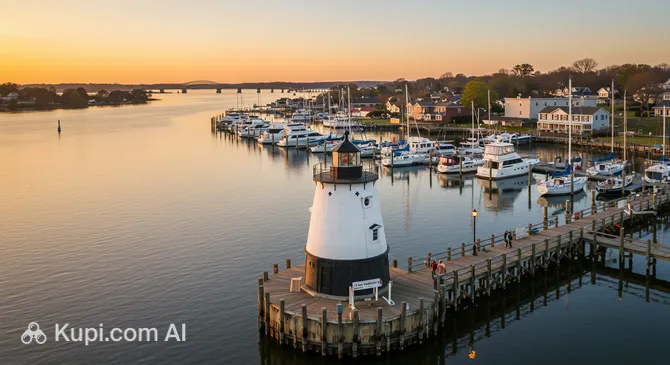
General Overview. Shopping in Solomons is the complete opposite of the hustle and bustle found in massive shopping centers. People come here not for high fashion or global brands, but for the unique atmosphere of coastal coziness. The town's shopping scene consists mainly of small family-owned boutiques, antique shops, and art galleries. Here you can find exclusive handmade items, maritime accessories, and decor pieces that will serve as reminders of your trip to the USA. The shopping process is often combined with a walk along the water, making it relaxing and pleasant.
Main Shopping Areas. The town's primary shopping artery is Solomons Island Road. Most of the interesting shops are concentrated along this street and the adjacent promenade (Riverwalk). Tourists can leisurely move from one shop to another while enjoying views of the harbor. You'll find resort-style clothing stores, souvenir kiosks, and specialty shops for sailors offering high-quality gear and nautical charts.
Shopping Centers. There are no large malls or hypermarkets in Solomons itself, which helps preserve the town's authentic character. If you need a larger shopping experience with chain stores, cinemas, and food courts, you'll need to drive about 10–15 minutes north to the neighboring areas of California or Lexington Park. Standard American shopping plazas, such as the Wildewood Shopping Center, are located there, offering a wide range of everyday goods.
Markets. Market culture in Solomons is closely tied to art and seasonal holidays. The most interesting place to find unique goods is the Annmarie Sculpture Garden & Arts Center, which regularly hosts weekend Maker’s Markets. At these events, local artisans sell ceramics, jewelry, textiles, and paintings. Food-focused farmers' markets are usually seasonal and operate during the warmer months, offering fresh vegetables, honey, and homemade baked goods.
Souvenirs. From a trip to Solomons, it's worth bringing back something related to the sea and the region's history. The most popular souvenir is fossilized shark teeth (either real ones or high-quality replicas), as the region is famous for its paleontological finds. Tourists also eagerly buy items featuring the blue crab—Maryland's symbol—seafood spices (like the famous Old Bay seasoning), local wine, and models of lighthouses and ships. Works by local artists inspired by the landscapes of the Chesapeake Bay also make excellent gifts.
Hours of Operation and Payment. Most shops in the tourist area open around 10:00 or 11:00 AM and stay open until 5:00 or 6:00 PM. During the summer season and on weekends, some souvenir shops may stay open longer, especially during city festivals. Credit and debit cards (Visa, MasterCard, American Express) and US dollars are accepted everywhere. Contactless payment via smartphones is also becoming increasingly common, but having a small amount of cash for minor purchases at fairs wouldn't hurt.
Tax Free. The state of Maryland has a 6% Sales Tax. Unlike some other states, there is no special Tax Free return program for foreign tourists. Therefore, the price you see on the tag is usually not the final one—tax will be added at the register, and it cannot be refunded when leaving the country.