Support

Rio Vista Natural Resource Park

About

Nestled in the Rillito River floodplain, the stunning Rio Vista Natural Resource Park is a true oasis where desert wilderness meets well-maintained recreation areas. Located in the city of Tucson, USA, this approximately 40-acre park offers guests a unique blend of shaded lawns and untouched Arizona landscapes.
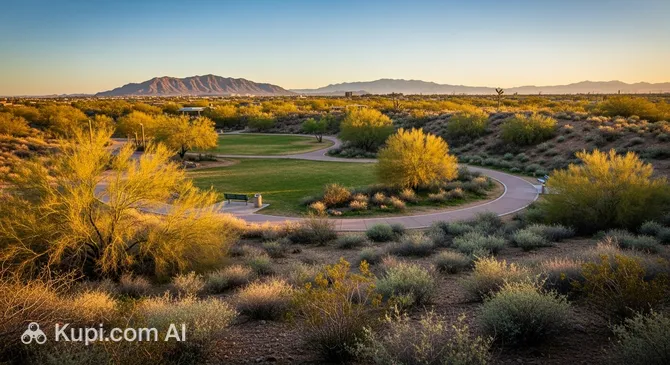
Rio Vista Natural Resource Park. Source: Kupi.com AI

The park's main feature is its diversity. Here you can find both a manicured central meadow with a playground and shaded picnic areas, as well as arid sections inhabited by rabbits, lizards, owls, and even coyotes. The open amphitheater offers breathtaking views of the majestic Santa Catalina Mountains, creating an ideal setting for contemplation and outdoor relaxation.

In addition to its natural beauty, this site has deep historical significance. Part of the park's territory is dedicated to preserving an ancient archaeological site of the Hohokam culture. Informational signs tell the story of the indigenous peoples and the specifics of the local ecosystem, turning a simple walk into an educational journey into the region's past.

Contacts

To confirm the latest information about events or park rules, you can use the official contact details. The park administration and volunteer organizations are always ready to help visitors find their way around.

Address 3974 N Tucson Blvd, Tucson, AZ 85716, USA
Phone +1 520-791-4873
Official Website tucsonaz.gov
Friends of the Park Community friendsofriovista.org

What to Do

For outdoor enthusiasts, the park offers a network of wide dirt and paved paths. It is a pleasant place for morning runs, cycling, or even horseback riding. Be sure to visit the eastern part of the park to find the labyrinth — a special meditative path created for quiet reflection surrounded by desert scenery.

For those who prefer nature watching, Rio Vista is an excellent spot for birdwatching. Bright red Northern Cardinals and tiny hummingbirds are frequently seen among the native shrubs. Families with children will appreciate the modern playground protected by sunshades and the spacious green zones where you can have a picnic under ramadas while admiring the panorama of the Santa Catalina Mountains.

If you are interested in ecology and botany, take note of the native plant gardens. Interpretive signs help identify Arizona flora and explain how the city uses reclaimed water to maintain this green space. During the winter and spring months, organized nature walks are sometimes held, making a visit even more engaging.

Getting There

Reaching this natural retreat is easy, as it is located at 3974 N Tucson Blvd, in the northern part of the city, near the busy Tanque Verde Road. Travelers arriving by car from the city center can simply follow their GPS to the main entrance, where convenient parking is available.

For those who prefer public transport, Tucson city buses serve the area near the park. It is recommended to check the latest routes and schedules on the official transit system website. The park is also part of the Tucson Access Trails network, making it a popular stop for cyclists and walkers from nearby residential neighborhoods.

If you are in the city center and value comfort, you can use a taxi or popular rideshare services. The trip will take very little time, and entry to the park remains free for all visitors.

History & Facts

The land where residents relax today holds traces of an ancient civilization. The Vista del Rio archaeological site, located within the park, was once part of a large Hohokam village. The settlement flourished here between 700 and 1200 AD. Excavations begun in the 1970s by University of Arizona students revealed ancient hearths, stone circles, and fragments of unique Rincon Red-on-brown pottery.

Research in the 1990s confirmed the presence of more than 70 underground structures and pits, indicating a high population density in this floodplain centuries ago. Interestingly, much of this historical heritage was lost to urban development, and only a small area of about 4 acres was carefully preserved within the modern park as a cultural resource.

In later years, these lands were used for ranching. In the early 2000s, there were plans to turn the site into a golf course; however, the local community opposed the development. Thanks to the efforts of activists, the natural resource park was officially established in 2004, preserving its pristine desert appearance and archaeological value for future generations.

Time Needed

For a basic introduction to the park, a leisurely stroll along the main trails, and a visit to the labyrinth, 1–2 hours is usually sufficient. This time allows you to enjoy the tranquility, take beautiful photos of the mountains, and observe local birds.

If you plan a family picnic, a visit to the playground, and a detailed study of the archaeological information boards, you should budget 2–3 hours for your visit. For those just stopping by to catch the panorama from the amphitheater or for a quick jog, 30–45 minutes will be enough.

Working Hours

The park is open to the public daily, from Monday to Sunday. Guests can enjoy walks from 06:00 to 22:30. This wide timeframe allows you to catch the sunrise or admire the sunset colors on the mountain slopes.

Access to the territory is available year-round, though it is recommended to check the official City of Tucson website before visiting on holidays to ensure there are no special events or schedule changes.

Nearby

Exploring the park's surroundings can greatly enrich your trip. Nearby you will find both quiet spots for meditation and active entertainment centers for the whole family.

Attraction Distance (km)
Rio Vista Labyrinth 0.4
Valley of the Moon 0.6
Funtasticks Family Fun Park 3.3
FUNBOX PIMA COUNTY - TUCSON 3.9
FUNBOX TUCSON 4.1
The Dunbar Pavilion 6.6
Barrio Trails BMX 7.0
El Presidio Bed & Breakfast Inn 7.2
Pima County Historic Courthouse 7.3
Tucson Museum Of Art 7.4

Reached the end of the page?

That means the route is fully explored