Support

Phu Quoc National Park

About

Imagine a boundless ocean of greenery where mountain peaks meet the clouds and the silence is broken only by the singing of exotic birds. Phu Quoc National Park is a grand natural reserve occupying the northern part of Phu Quoc island. It is rightfully considered the "lungs" of the region, covering an area of over 31,400 hectares, which accounts for about 70% of the total area of this tropical paradise.
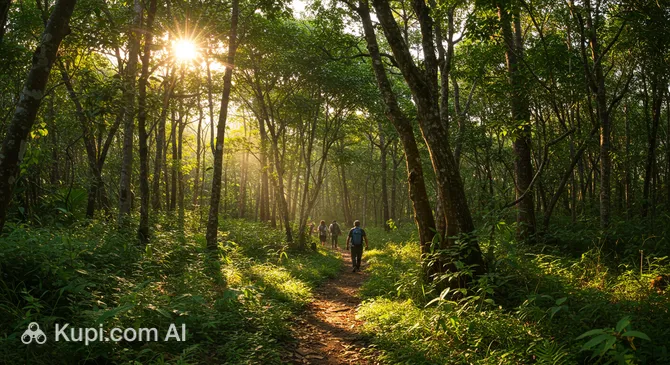
Phu Quoc National Park
Phu Quoc National Park. Иллюстрация. Источник: Kupi.com AI

Officially established in 2001, this park in Vietnam connects three mountain ranges: Ham Rong, Ganh Dau, and Cua Can. This is a unique place where rare species of evergreen forests characteristic of this climatic zone have been preserved. The reserve is the subject of close attention from ecologists and a pilgrimage site for lovers of pristine nature.

Travelers are drawn here by the opportunity to see wild Vietnam in all its glory. The park's landscape is surprisingly diverse, ranging from dense jungles and mangroves to crystal-clear mountain streams. This is not just a forest, but a complex ecosystem that has become home to hundreds of plant and animal species, many of which are protected.

Contacts

For those planning a visit on their own, it is useful to have the exact coordinates on hand. While the National Park covers a vast area, administrative points in the north of the island often serve as the main entry point.

How to contactContact
Address82JJ+M57, Phu Quoc, Kien Giang, Vietnam

What to Do

The main magnet for visitors is ecotourism in all its forms. The national park offers ideal conditions for hiking and trekking of varying difficulty levels. Walking along specially marked trails, you can observe giant centuries-old trees entwined with vines and, if you're lucky, spot rare representatives of the local fauna, including shy monkeys.

Lovers of aquatic landscapes will be delighted by the local waterfalls and lakes. After a long journey along shady paths, it is so pleasant to rest by a cool spring, listening to the sound of falling water. The park's mountain ranges offer excellent vantage points with breathtaking panoramas of the Gulf of Thailand and dense forests stretching beyond the horizon.

Photographers will find endless inspiration here in the play of light through thick foliage and the variety of tropical flowers. This place is perfect for those seeking peaceful relaxation and wanting to forget about the city noise for a while, immersing themselves in the meditative atmosphere of wild nature. Here, you can spend hours observing the life of the forest, studying unique endemic plant species that are found nowhere else on the planet.

Getting There

The National Park occupies the northern part of the island, and the road to it is an adventure in itself. If you are staying in Duong Dong, the main tourist hub, be prepared to cover a distance of about 30–40 kilometers. The most popular and flexible way to get around is by renting a motorbike, which allows you to enjoy the views along the way; however, please be careful on the roads.

For a more comfortable trip, you can use taxi services or book an organized guided tour. Group tours are convenient because they include transfers and the services of a guide who will show you the most interesting trails. Public transport on the island is limited, so you should not rely on buses to get to the park.

If you are arriving through Phu Quoc International Airport (PQC), you will first need to get to the city or your hotel and then plan your trip north. It is recommended to leave as early as possible in the morning to enjoy the cool air and avoid the midday heat during your forest walk.

Ближайший город: Phu Quoc

History & Facts

The history of these lands is closely intertwined with the development of the entire island of Phu Quoc. The first mentions of it are found in Cambodian documents as early as 1615, where it appeared under the name Koh Tral. However, active settlement began in the 17th century when settlers from southern Chinese provinces and the mainland began to arrive.

It was then that the name "Phu Quoc" was established, which translates to "rich lands." This name was fully justified thanks to the incredible natural diversity and fertility of the region. In 1708, the Chinese merchant Mac Cuu recognized the authority of the Nguyen lords, marking the beginning of the island's official integration into southern Vietnam.

The National Park itself, in its current status, is a relatively young entity. It was officially established on June 8, 2001. The decision to transform the northern conservation zone into a full-fledged national park was made to preserve the unique ecosystem of evergreen forests, which are rapidly disappearing in other parts of Southeast Asia.

Today, the park is not only a natural treasure but also an important scientific center. Research is conducted here on rare species of flora and fauna, many of which are endemic, meaning they are found nowhere else in the world. Preserving this "green heart" of the island remains a priority for ecologists throughout the region.

Time Needed

To simply touch base with the park's nature and take a short walk along the designated trails, you will need about 4–6 hours. This is enough time to see the main types of vegetation and feel the jungle atmosphere without going too far from civilization.

However, true ecotourism enthusiasts and those planning a long trek to the mountain ranges or remote waterfalls should set aside a full day for the visit. The scale of the reserve is enormous, and a truly deep acquaintance with its wild flora and fauna should not be rushed.

Working Hours

The National Park welcomes guests daily. Access to the territory is usually open from early morning until sunset, allowing tourists to enjoy nature during daylight hours. It is important to note that walking in the jungle after dark can be unsafe and is officially not recommended.

There is an entrance fee to the park; however, the cost is usually nominal and goes towards maintaining the ecological trails and protecting the reserve. Since the exact schedule may change depending on the season and weather conditions (for example, during periods of heavy rain), it is advisable to check for updated information on official tourism portals before your trip.

Nearby

Exploring the northern part of the island isn't limited to hiking through tropical forests. The surroundings of the national park offer many interesting places where you can relax after an active trek, enjoy local cuisine, or simply watch the sunset by the sea.

Visiting nearby establishments and beach bars will help make your trip more fulfilling and allow you to get acquainted with the island's modern leisure culture. Below is a list of popular places located within driving distance of the park.

NameDistance
Ocean Bay Resort & Spa Phu Quoc13 km
Camia Restaurant13.3 km
Bún Quậy Kiến Xây14.8 km
Dinh Cau Temple15.1 km
Laylow Phu Quoc15.2 km
Kien Xay Stirred Noodle Soup15.7 km
Aloha Seafood & Bar15.8 km

Reached the end of the page?

That means the route is fully explored