Support

Bao Lam Pagoda

About

Nestled at the foot of the majestic Mount Chua, surrounded by emerald greenery, lies Bao Lam Pagoda — a spiritual gem that modern Vietnam is rightfully proud of. This Buddhist temple complex in the city of Tuy Hoa covers a vast area of over five hectares, representing a harmonious blend of traditional architecture and wild nature.
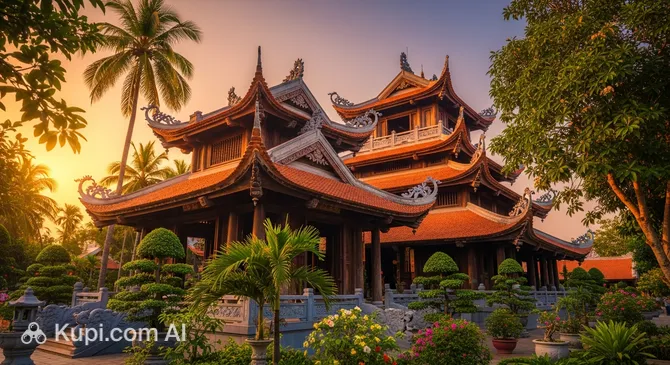
Bao Lam Pagoda
Bao Lam Pagoda. Иллюстрация. Источник: Kupi.com AI

One of the primary architectural landmarks is the 18-meter statue of Shakyamuni Buddha, erected in 1999, along with an impressive bell tower housing a 1.5-ton bronze bell. Thanks to its unique location — with the pagoda backing onto the mountain and open to gentle southeast winds — a special microclimate is maintained here: the complex stays a few degrees cooler in the summer heat and comfortably warm during the winter months.

Beyond the grand buildings, visitors are drawn to the Lam Thi Ni Garden, which skillfully recreates the birthplace of the Enlightened One, and a landscaped park featuring statues of the 18 Arhats. Hidden within the rocky slope is an ancient stone well where the water remains pure and cool year-round, giving the site an aura of holiness and timelessness.

Contacts

For those planning a visit to this peaceful sanctuary, it is helpful to have basic contact information on hand. Although the pagoda is an active religious site, it is open to tourists seeking spiritual relaxation.

How to contactContact
AddressQL1A, Bình Kiến, Tp. Tuy Hòa, Phú Yên, Вьетнам
Websitethodiaphuyen.com.vn

What to Do

Everyone will find something to their liking in this sacred place, from quiet reflection to exploring a rich cultural heritage. The main reason visitors come here is for absolute tranquility. You can perform traditional rituals in the 240-square-meter main hall, light incense, and make a wish at the altars of Quan Am or Dia Tang.

Lovers of aesthetics and landscape design should definitely stroll through the complex's many gardens. The orchid garden and the cozy statue park, which features small scenes from the life of Buddha, are particularly popular. It is an ideal spot for those seeking photography inspiration — Bao Lam Pagoda is a favorite location for Vietnamese students and newlyweds choosing it for memorable photo sessions.

Beyond pure tourist interest, this place carries an important social mission as a shelter for children in need. Visitors can not only admire the craftsmanship of the architects but also feel the living energy of compassion that permeates these walls. Contemplating the city panorama from the temple terraces and resting in the shade of century-old trees will help restore your energy after a long journey.

Getting There

Getting to this spiritual center is easy, as the pagoda is located just 3 kilometers from Tuy Hoa city center, in the Binh Kien commune. The main landmarks are the QL1A federal highway and Mount Chua, visible from afar, at the foot of which the complex is situated.

The most convenient and popular way to get there is by rented motorbike or taxi. The route from the city center follows the wide Nguyen Tat Thanh Avenue; the road is in excellent condition and offers scenic views of the surrounding area. Local buses heading north are also an option.

For those who prefer navigating on their own, the coordinates are 13.1171024 N and 109.2800671 E. There is convenient parking available on the temple grounds for visitors' vehicles.

Ближайший город: Tuy Hoa

History & Facts

The history of this sacred site dates back to the first half of the 19th century, during the reign of King Minh Mang (1820–1841). The founder of the Lam Te sect laid the temple's first stone near Bau Sen, and the sanctuary was originally given the poetic name Buu Lien, which translates to "Precious Lotus."

The pagoda received its current name, Bao Lam, in 1974, when the complex was moved 500 meters to its current location following several historical upheavals. The new name symbolizes "protection of mountains and forests," highlighting the monastery's deep connection with its natural surroundings.

The complex's modern appearance began to take shape at the turn of the millennium. The majestic Buddha statue was erected in 1999, and the massive bell tower appeared in 2004. It is believed that the completion of these large-scale structures marked the beginning of a period of economic and cultural growth in the region, bringing greater success in business and education to local residents.

A significant historical fact is the area's connection to the national liberation movement. It is believed that in 1961, near the current pagoda grounds, the prominent lawyer Nguyen Huu Tho was liberated, adding to the site's importance in the eyes of the Vietnamese people.

Time Needed

To explore all corners of this vast complex at a leisurely pace, visitors are recommended to set aside 2 to 3 hours. The pagoda grounds span over 5 hectares, and each sector offers its own unique visual and spiritual experience.

This is plenty of time to climb up to the Shakyamuni Buddha statue, examine the bell tower in detail, stroll through the orchid garden, and relax by the mountain stream. If you plan to have a photo shoot or simply want to meditate longer in the silence of the main hall, it's worth allowing a bit more time, especially in the morning when it's least crowded.

Working Hours

Bao Lam Pagoda warmly welcomes visitors every day. The gates of the monastery complex are open to pilgrims and tourists from 07:00 to 17:00, seven days a week, from Monday to Sunday.

Please keep in mind that this is an active religious site. Before visiting during major Buddhist holidays, it's recommended to check the official website or consult with local guides, as the schedule may change slightly due to ceremonial events.

07:00–17:00

Nearby

A visit to the pagoda can easily be combined with exploring other interesting locations in the Tuy Hoa suburbs. Exploring the surrounding area will allow you to better experience the local flavor and find great places to relax after your walk through the temple complex.

Nearby, you'll find both memorial sites and cozy establishments where you can discover the culinary culture of Phu Yen province.

NameDistance
Hoa Vang Restaurant2.6 km
Nghinh Phong Tower2.9 km
Vu House & Tea Book3.4 km
Phu Yen Museum3.5 km
Tuy Hoa Beach Resort4.1 km
Banh Beo Thap Nhan, 94 Le Trung Kien4.3 km
Star Karaoke & Restaurant4.9 km

Reached the end of the page?

That means the route is fully explored