Support

Phú Yên Museum

About

If you want to truly feel the soul of the Phu Yen province, your introduction should begin with a visit to the Phu Yen Museum. Located in the heart of Tuy Hoa, this museum is the main guardian of the region's cultural and historical code. Under one roof, it gathers evidence of centuries of history, from ancient artifacts to the everyday items of modern ethnic groups.
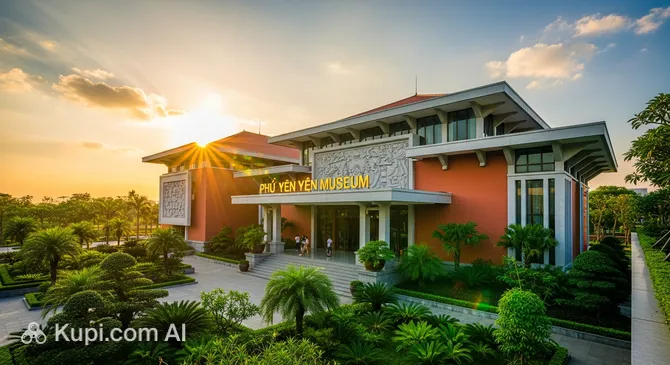
Phu Yen Museum
Phu Yen Museum. Иллюстрация. Источник: Kupi.com AI

The museum is a modern space where the rich past of Vietnam comes to life in detail. The exhibition includes unique archaeological finds from the Champa civilization, ethnographic collections, and materials dedicated to the region's amazing nature. This place is perfect for those seeking authenticity and wishing to look behind the facade of standard tourist routes.

The museum building is conveniently situated on Tran Phu Street, becoming an important point of attraction for researchers and curious travelers. Thanks to its high rating and dedicated approach to heritage preservation, the Phu Yen Museum is considered a must-visit for those who value educational tourism and cultural enrichment.

Contacts

To clarify visiting details or organize a group tour, you can use the following contact information:

How to contactContact
Address151 Đường Trần Phú, Phường 5, Tuy Hòa, Phú Yên, Вьетнам
Phone+84 257 6299 777

What to Do

Visiting the museum is a fascinating journey through time. Here, you can get a close look at ancient Cham sculptures and cult objects that tell of the times when these lands were part of a powerful kingdom. The ethnographic department will allow you to learn about the traditions of local nationalities, see their national costumes, and original tools.

Special attention should be paid to the halls dedicated to the natural riches of Phu Yen. Interactive displays and photographs will introduce you to unique geological formations, such as the Ghenh Da Dia basalt rocks. This is a great opportunity to plan your further trips around the province by seeing visual examples of what awaits you in the city's surroundings.

The museum offers a calm and contemplative atmosphere, perfect for thoughtful study. After touring the main exhibition, visitors can take great photos in the spacious halls or purchase souvenirs that will serve as a reminder of the unique culture of this hospitable region.

Getting There

The museum is located at 151 Đường Trần Phú, right in the heart of the city. Thanks to its central location, getting there is easy: from most areas of Tuy Hoa, you can reach it on foot in just 10–15 minutes by walking along the main Tran Phu Street and enjoying the city views.

If you are staying in a more distant part of the province, it is most convenient to use a taxi or the traditional Vietnamese motorcycle taxis — xe ôm. For travelers arriving from other cities, Tuy Hoa offers a well-developed network of bus routes connecting the airport and the bus station with the central districts.

For those who prefer to travel independently on a rented vehicle, parking is available near the museum. The city's calm traffic makes the ride comfortable even for those who are driving in Vietnam for the first time.

Ближайший город: Tuy Hoa

History & Facts

The museum's collection spans a vast period of time, starting from the heyday of the Champa civilization in the 11th–12th centuries. The famous towers, such as the Nhan Tower, date back to this period, and their artifacts and architectural features are presented in detail in the exhibition. Visitors can learn about the ancient Kingdom of Champa, which left behind unique cult structures and exquisite sculptures.

A significant part of the collection is dedicated to the colonial era and religious history. It contains information about the construction of the Mang Lang Catholic Cathedral in 1892 and the story of Andrew of Phu Yen, who became the country's first martyr. Notably, this region is home to one of the first books printed in the modern Vietnamese language (Quoc Ngu).

Equally interesting are the geological facts presented in the museum. The province is famous for its unique natural monument — Ghenh Da Dia. This is a massif of 35,000 basalt columns formed by a volcanic eruption thousands of years ago. The museum helps visitors understand how this natural anomaly shaped the landscape and culture of the region over the centuries.

Time Needed

To explore all the halls at a leisurely pace, browse the ethnographic collections, and study the archaeological finds, most travelers need about 1.5 to 2.5 hours. This is enough time to thoughtfully read the descriptions of key exhibits and take some commemorative photos.

If you are planning a visit as part of a guided tour or have a deep interest in the history of the Champa Civilization, your visit might last longer. In any case, the museum is an excellent way to start your day before a walk to the coast or nearby temple complexes.

Working Hours

The Phu Yen Museum is hospitably open to visitors every day. The standard working schedule is from 08:15 to 17:00. This makes it easy to fit a visit into your cultural program on either a weekday or a weekend.

Despite the stable schedule, it is recommended to check for current information on official resources or with local guides before your visit, as operating hours may change slightly during national holidays.

08:15–17:00

Nearby

After immersing yourself in the region's history within the museum walls, take some time to explore the surroundings. The local area offers a blend of cultural sites, leisure spots, and authentic establishments where you can feel the rhythm of modern city life.

NameDistance
Vu House & Tea Book0.9 km
Banh Beo Thap Nhan, 94 Le Trung Kien1.3 km
Star Karaoke & Restaurant1.4 km
Hoa Vang Restaurant1.5 km
Tuy Hoa Beach Resort1.6 km
Nghinh Phong Tower2.4 km
Bao Lam Pagoda3.5 km

Reached the end of the page?

That means the route is fully explored