Support

Durres

About

Durrës is a true gem of the Albanian coast, conveniently located just 33 kilometers from the country's capital, Tirana, on the scenic shores of the Adriatic Sea. This city attracts travelers with its unique atmosphere, where ancient history is harmoniously interwoven with dynamic modernity. Durrës is one of the oldest and most economically significant cities in Albania, playing the role of a major port and a popular resort hub.

With a population of around 113,000, Durrës is considered the second-largest city in the country. It is famous for its warm Mediterranean climate, which makes it an attractive destination for vacationing almost year-round. The city offers an amazing blend of cultural heritage and beach relaxation: here, majestic ancient ruins, such as the famous Roman amphitheater, sit alongside a lively promenade, modern hotels, and cozy beaches stretching along the coast.
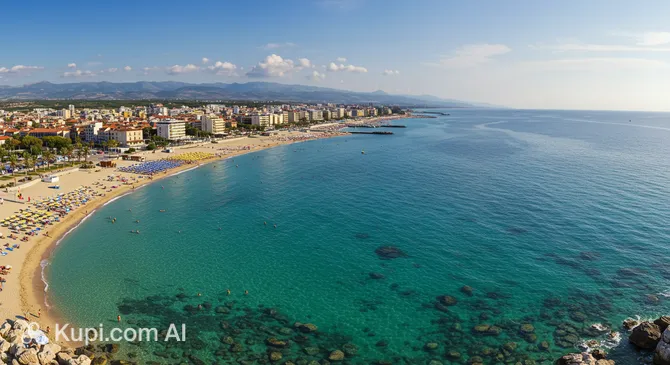
Durres. Illustration.
Source: Kupi.com AI

Among the key attractions, besides the impressive amphitheater, the Archaeological Museum with its rich collection of artifacts and the Venetian Tower, which offers a beautiful view of the port and the city, are well worth a visit. Durrës is not just a place for beach relaxation but also an opportunity to touch thousands of years of history while strolling through its streets, where ancient mosques and Byzantine forums stand next to modern cafes and restaurants.

If you are looking for a place to combine educational tourism with a seaside holiday, enjoy local hospitality, and taste delicious Mediterranean cuisine, then Durrës certainly deserves your attention. This city will provide you with unforgettable impressions and bright memories of your journey through Albania.

You can find more interesting facts on the history of Durrës page.
Weather Overview

In Durrës, you can expect a typically Mediterranean climate. Summers here are hot and sunny, with temperatures reaching an average of 25–26°C in July and August, and minimal precipitation. Winters are mild and wetter, with average temperatures around 9–11°C in January and December, and many rainy days. Spring and autumn offer comfortable weather for walking and sightseeing, with moderate temperatures and variable cloudiness. Overall, expect warm, dry summers and cool, wet winters.

To get a more detailed idea of weather conditions by month, you can check the detailed information on the Climate of Durrës page.

Average monthly temperature

Average monthly precipitation

Interesting Facts

Beyond its famous beaches and bustling promenade, Durrës hides many surprising stories and little-known details that reveal this ancient city in a new light. Here are just a few of them:

  • An Ancient City of Many Names: Founded as far back as 627 BC, Durrës has changed its name several times throughout its long history, including Epidamnus, Dyrrachium, and Durazzo. The city was a key point on the famous Via Egnatia—the most important trade and military route of antiquity, connecting the Adriatic coast with Constantinople.

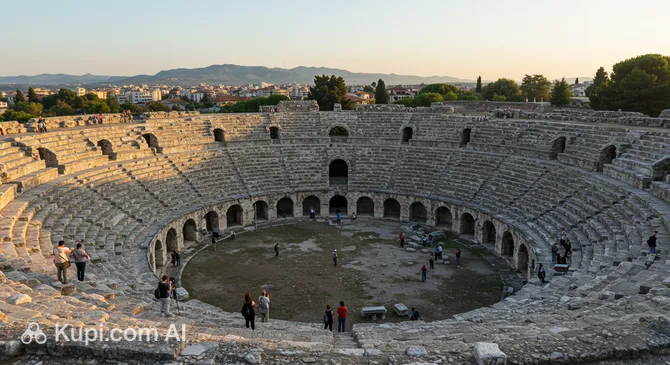
  • Secrets of the Amphitheater of Durrës: This impressive Roman amphitheater, one of the largest in the Balkans, was designed for 15,000 spectators. According to legend, early Christians found refuge in its underground galleries, and one of the most precious finds related to this site is the ancient Orpheus mosaic, recognized as a masterpiece of antique art.

  • A Cradle of Talent: Durrës is the hometown of Aleksandër Moisiu, a prominent Austrian and German actor of Albanian origin whose fame resonated across European theater stages in the early 20th century.

Durrës Amphitheatre. Illustration.
Source: Kupi.com AI

Traveler photos:

How to Get There

There are several ways to reach the city of Durrës, the most popular being air travel followed by ground transfer, as well as rail and sea routes.

The main and most convenient option for most international tourists is arriving via Tirana International Airport (TIA). This major airport is located in Tirana, approximately 24 km east of Durrës. As the primary air gateway to Albania, it hosts flights from many European cities. The trip from the airport to Durrës by taxi or a dedicated shuttle bus usually takes about 45–60 minutes.

Alternatively, you could consider airports in neighboring countries, though this will involve a longer ground transfer. For example, Podgorica Airport (TGD) in Podgorica, Montenegro, is about 116 km from Durrës. The journey from there by car or bus takes about 3–3.5 hours, including time for border crossing. Another option is Tivat Airport (TIV) in Tivat (Montenegro), located about 134.5 km away; the journey to Durrës from there also takes over 3 hours.

For your convenience, here is a summary of the main airports used to reach Durrës:

AirportPassenger trafficDistance
Tirana International Airport10 mln24 km
Ohrid Airport265 896109 km
Kukes Zayed30 000112 km
Podgorica Airport1.8 mln116 km
Tivat Airport1.1 mln135 km

Durrës is also accessible by rail. The Durrës Railway Station is located right in the city, just 0.7 km from the center. This makes it a convenient arrival point for those traveling by train within Albania. Although the country's rail network is not as extensive as in other European nations, it can be an interesting and authentic way to explore certain regions.

For travelers from Italy, there is a popular combined route: taking a train to Brindisi Railway Station and then a ferry across the Adriatic Sea directly to the port of Durrës. The station in Brindisi is a significant transport hub. The distance from Brindisi to Durrës, including the sea crossing, is approximately 149 km.

Information on railway stations that can be used for traveling to Durrës:

StationPassenger trafficDistance
Durres Railway Station2 0001 km
Brindisi Railway Station2.5 mln149 km
Bari Centrale Station14 mln218 km

Additionally, Durrës has good road connections with other Albanian cities and neighboring countries thanks to a developed network of highways. Traveling by car or bus is also a common way to reach this coastal city.

Main Attractions

Durrës, one of Albania's oldest cities, offers tourists a rich historical heritage and interesting modern sites. Everyone will find something to their liking here, from ancient ruins to bustling promenades and cultural centers.

Durrës Amphitheatre. Illustration.
Source: Kupi.com AI

Traveler photos:

One of the city's main jewels is the Amphitheater of Durrës. This impressive Roman amphitheater, dating back to the 2nd century AD, once held up to 20,000 spectators and is the largest in the Balkans. Discovered only in the 20th century, it amazes visitors with its scale, well-preserved sections, and ancient mosaics, allowing them to experience the greatness of the Roman Empire.

Venetian Tower of Durrës. Illustration.
Source: Kupi.com AI

Traveler photos:

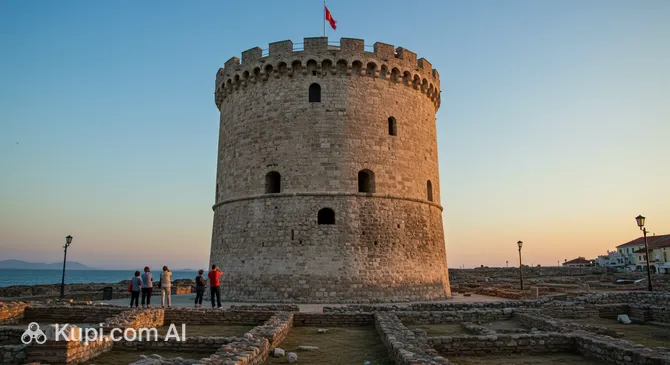
A symbol of Durrës' medieval past is the Venetian Tower of Durrës. This circular stone tower, part of the former city fortifications, was built in the 15th century by the Venetians to protect the port. Today, its top offers a panoramic view of the city and the Adriatic Sea, and exhibitions are occasionally held inside.

National Archaeological Museum. Illustration.
Source: Kupi.com AI

Traveler photos:

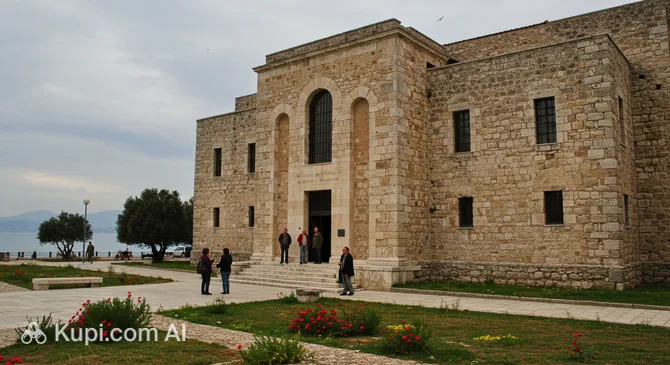
For those seeking a deeper understanding of the region's rich history, a visit to the National Archaeological Museum is highly recommended. Its halls present an extensive collection of artifacts found in Durrës and its surroundings, spanning periods from prehistoric times to Ottoman rule. The museum's exhibits tell the story of Durrës as an important center of trade and culture for millennia.

The Sphinx of Durrës. Illustration.
Source: Kupi.com AI

Traveler photos:

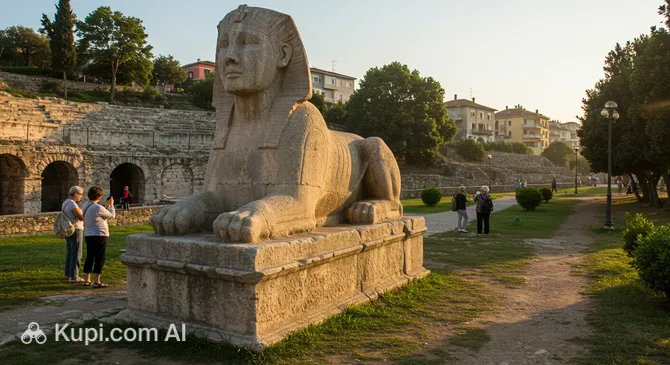
An unusual and modern attraction drawing attention on the promenade is the Sphinx of Durrës. This concrete structure, resembling the mythical creature, is actually a pier and a popular spot for walks, relaxation, and photo sessions, especially at sunset. While not a historical monument, the Sphinx has become one of the city's new symbols, adding a modern touch to its character.

Local Cuisine

The gastronomy of Durrës is an exciting journey for your taste buds, where Albanian, Italian, and Mediterranean culinary traditions harmoniously intertwine. The foundation of local cuisine is the freshest produce, especially gifts from the Adriatic Sea, which local chefs transform into true masterpieces.

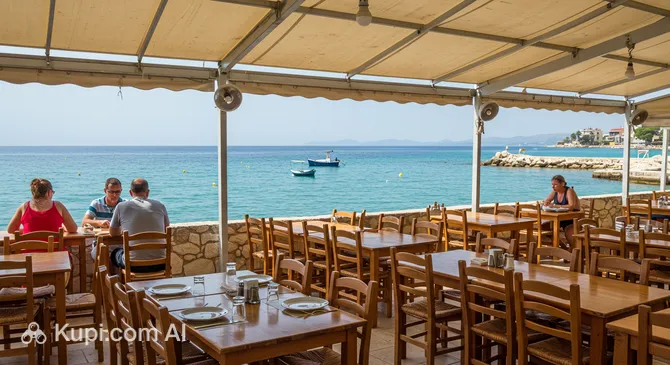
As a coastal city, Durrës is famous for its fish and seafood dishes. Be sure to try freshly grilled fish, tender fried calamari, or fragrant mussels in garlic sauce. Many restaurants specializing in seafood delicacies offer a rich selection. For example, Peshk i Freskët Braçja is known for its fresh fish dishes. Thick and hearty seafood soups are also popular.

Peshk i Freskët Braçja. Illustration.
Source: Kupi.com AI

Traveler photos:

In addition to seafood, the cuisine of Durrës is rich in traditional Albanian dishes. Don't miss the chance to try fërgëse—a hearty bake made with bell peppers, juicy tomatoes, and salted cheese. Grilled meat dishes, homemade cheeses, and freshly baked bread served with every meal are also widespread.

Street food in Durrës is an attraction in itself. You can enjoy aromatic flatbreads, pastries with cheese and greens, and, of course, the famous Albanian byrek—layered pies with various fillings (meat, cheese, or vegetables). At local farmers' markets, you can always find the freshest seasonal vegetables, fruits, olives, and homemade cheeses, allowing you to experience the authentic taste of the region.

When it comes to drinks, it's worth trying the local wines in Durrës, which perfectly complement both fish and meat dishes. An integral part of Albanian hospitality is rakia—a strong fruit distillate often offered as an aperitif or digestif. Non-alcoholic options like fresh juices and lemonades are always available. For dessert, definitely try the traditional baklava or other sweets based on honey and nuts.

The food culture in Durrës is diverse: locals and tourists enjoy meals in cozy family taverns and restaurants with sea views, as well as buying snacks from street vendors or at colorful markets. The city also periodically hosts gastronomic festivals where you can discover the best examples of local cuisine and farm products.

Travel Tips

Welcome to Durrës, one of the oldest and largest cities in Albania! To make your journey through this sunny coastal city as comfortable and memorable as possible, we have prepared some practical tips.

  1. Clothing and Essentials:

    The climate in Durrës is Mediterranean, so in summer (June-August) you will need light, breathable clothing, swimwear, sunglasses, a hat, and sunscreen. In spring and autumn, the weather is mild, but a light jacket or sweater may come in handy. Winters here are damp and cool, so don't forget warm clothes and an umbrella. Comfortable shoes are a must for city walks, especially if you plan to explore the ancient amphitheater and other historical sites. For visiting religious sites, such as mosques or churches, choose modest clothing that covers your shoulders and knees. Don't forget a plug adapter (Types C and F are used in Albania).

  2. Getting Around the City:

    The main form of public transport in Durrës is city buses—they are inexpensive and cover most areas. There is no metro or tram system. Taxis are also available; it is recommended to agree on the price of the trip in advance or ensure the driver uses the meter. Renting a car can be convenient if you plan to travel outside of Durrës, but keep in mind that parking in the center, especially during the tourist season, can be difficult.

  3. Finances: Currency, Cards, Tipping:

    The local currency is the Albanian lek (ALL). You can exchange money at banks or exchange offices (kambim valuator). Credit and debit cards (Visa, Mastercard) are accepted in most hotels, large restaurants, and shops, but cash is always useful for small purchases, markets, and some cafes. ATMs are quite common. An approximate daily budget (excluding accommodation) might be 30–50 euros. Tipping is welcomed in Albania but is not strictly mandatory; usually, rounding up the bill or leaving 5–10% in a restaurant for good service is sufficient.

  4. Health and Safety:

    Pharmacies (farmaci) are easy to find in the city; some may operate 24/7 on a duty schedule (information is usually posted on the door). For medical assistance, tourists are better off visiting private clinics where staff are more likely to speak English. Travel insurance is highly recommended. Durrës is generally a safe city for tourists. Observe standard precautions: watch your belongings in crowded places (beaches, markets, bus stops) and avoid walking in poorly lit areas after dark.

  5. Communication and Connectivity:

    The official language is Albanian. In tourist areas, hotels, and among the youth, many people speak English; Italian is also common. Learning a few basic phrases in Albanian will be useful and appreciated by the locals: "Përshëndetje" (Hello), "Faleminderit" (Thank you), "Po/Jo" (Yes/No). A local SIM card (e.g., Vodafone, One Albania) can be purchased upon arrival. Wi-Fi is available in many cafes, restaurants, and hotels.

  6. Local Etiquette:

    Albanians are known for their hospitality. A handshake is standard when meeting. Using the informal "you" is quite common, but it's better to address elders formally unless suggested otherwise. Try to behave discreetly in public places. When visiting local homes, it is customary to remove your shoes. If you are invited for coffee, it is a sign of respect and friendliness.

  7. What to Avoid:

    Try not to engage in discussions on sensitive political topics, especially those concerning Balkan history, unless you know your companion well. Also, avoid taking photos of people without their permission, particularly of the older generation or in more conservative areas.

  8. Extra Tip for Durrës:

    Durrës is not just about beaches; it's also about rich history. Be sure to visit the famous Roman amphitheater and the Archaeological Museum. In the evening, join the locals for "xhiro"—the traditional leisurely stroll along the promenade. Keep in mind that some shops may close for a siesta in the afternoon, especially during the hot summer months.

We hope these tips help you better prepare for your trip and get the most out of your stay in sunny and hospitable Durrës!

Entertainment & Nightlife

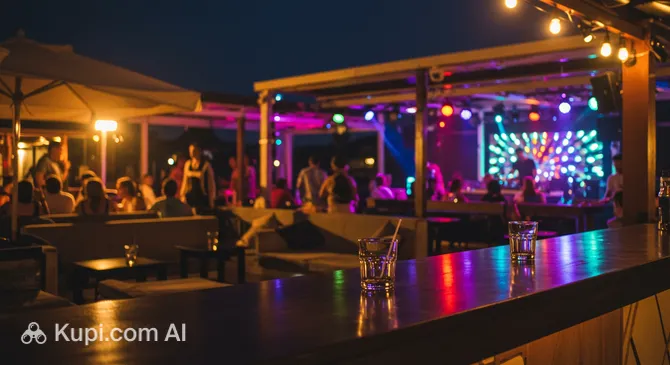
Durrës, the lively port city of Albania, transforms at sunset, offering guests a variety of options for evening and night-time leisure. The main concentration of nightlife is on the promenade, especially in the Vollga area and along the beach zones, where the atmosphere becomes particularly vibrant during the summer months. Here, everyone will find entertainment to their taste—from loud discos to cozy bars overlooking the Adriatic Sea.

In Durrës, you will find many bars, lively clubs, and beach discos where you can dance until dawn to modern hits and energetic Balkan music. Many venues offer outdoor terraces with sea views, creating a unique summer evening atmosphere. Popular spots include clubs such as Vollga Lounge, known for its themed parties and DJ performances, and Fluctus Resto & Lounge & Coffee, which offers a stylish setting and a wide selection of cocktails.

Vollga Lounge. Illustration.
Source: Kupi.com AI

Traveler photos:

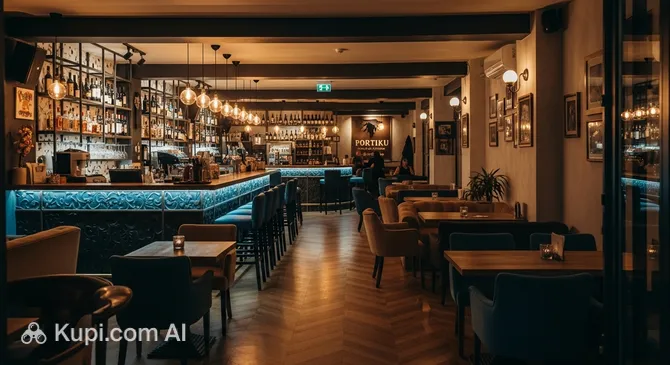
For a more relaxed evening, you can choose one of the cozy wine bars or lounges, such as Portiku Wine Bar & Bistro, where you can enjoy local and imported drinks in a pleasant, relaxing atmosphere. Most nightspots start to fill up closer to midnight and stay open until 3–4 AM, especially during the peak season and on weekends. The dress code is mostly casual, typical of resort cities, although a more elegant style may be welcomed in some more prestigious clubs.

Portiku Wine Bar & Bistro. Illustration.
Source: Kupi.com AI

Traveler photos:

The best time to start exploring the nightlife of Durrës is after 10:00 PM, when the bars and clubs truly begin to come alive. Prices in the city's venues are generally quite affordable, especially compared to other popular European resorts. Walking through the central part of the city and along the promenade at night is quite comfortable. For trips to more distant areas or back to your hotel, it is better to use a taxi.

The central districts of Durrës and its promenade are considered quite safe for nighttime strolls. However, as in any tourist destination, it's worth taking basic precautions and keeping an eye on your belongings. Taxis can be called via dedicated apps (if popular in the region), requested through your hotel or restaurant staff, or simply hailed on the street in busy areas. It is recommended to clarify the approximate cost of the trip in advance or ensure the driver uses a meter.

By day, Durrës also keeps its guests entertained. History and culture enthusiasts can spend time exploring ancient monuments, such as the famous Amphitheater of Durrës, one of the largest in the Balkans, or visit the National Archaeological Museum to get a closer look at the city's rich past. For family vacations and leisurely walks, the well-maintained promenade and city parks are excellent choices.

Evening and nighttime Durrës offers entertainment for every taste—from high-energy dancing on the beach under the open sky to cozy gatherings in a bar with a glass of local wine. It is a wonderful opportunity to feel the vibrant energy of this Albanian city and enjoy its hospitality after an eventful day on the coast.

Parks & Museums

Durrës, one of Albania's oldest cities, offers tourists not only magnificent beaches but also a rich cultural heritage, which you can begin exploring through its museums and historical monuments. Although the city does not abound with traditional parks in the center, its long coastline and well-maintained promenade serve as a wonderful area for relaxation and outdoor strolls.

The main natural attraction and place for relaxation in Durrës is certainly its sandy beaches. Take a walk along the wide promenade, enjoying the sea breeze, or relax on one of the many beach sections. It's the perfect place to unwind after a busy day of sightseeing.

To dive into the city's rich history, head to the National Archaeological Museum. It houses an impressive collection of artifacts spanning periods from antiquity to the Middle Ages, telling the story of Durrës' significance as a major port and trading center over the centuries. The museum's exhibition allows you to trace the development of the city and the region.

National Archaeological Museum. Illustration.
Source: Kupi.com AI

Traveler photos:

One of the most iconic historical landmarks in Durrës is the majestic Amphitheater of Durrës, built in the 2nd century AD. It is one of the largest amphitheaters in the Balkans, once seating up to 20,000 spectators. Visiting this ancient structure allows you to touch the city's Roman past and imagine the gladiatorial battles that took place here.

Durrës Amphitheatre. Illustration.
Source: Kupi.com AI

Traveler photos:

Evidence of the city's medieval history is found in the Venetian Tower of Durrës, part of the former city fortifications. This circular tower, built in the 15th century when the city was under the rule of the Venetian Republic, is an excellent viewpoint offering vistas of the port and the city.

Venetian Tower of Durrës. Illustration.
Source: Kupi.com AI

Traveler photos:

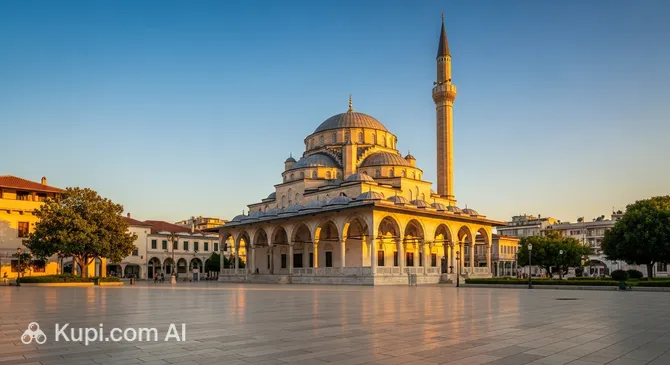
The architectural landscape of Durrës is complemented by the Great Mosque of Durrës (Fatih Mosque), which is an important religious and cultural center. Its modern building was constructed on the site of an older mosque and serves as a reminder of the city's multi-layered history and culture.

Grand Mosque of Durrës. Illustration.
Source: Kupi.com AI

Traveler photos:

Among the modern attractions drawing attention is the Sphinx of Durrës—an installation on the promenade that has become a popular spot for photos and meetings. This unusual art object adds a modern touch to the historical landscape.

The Sphinx of Durrës. Illustration.
Source: Kupi.com AI

Traveler photos:

Tip for the curious: To truly feel the atmosphere of Durrës, step off the main tourist routes and stroll through the narrow streets of the old town. Here you can find authentic cafes and small shops, and experience the slow rhythm of local life.

Getting Around

Public transport in Durrës consists mainly of buses, which are the most accessible and popular way to get around the city and its surroundings. There is no metro, tram, or trolleybus system in the city. Minibuses, known as "furgons," also play an important role, often running on routes similar to the buses and connecting Durrës with other cities.

The payment system on Durrës city buses is quite simple. Tickets are usually purchased directly from the conductor or driver upon boarding. Payment is made in cash, so it is recommended to carry small change. The fare on city routes is generally low. Specialized transit cards or mobile apps for public transport payment in Durrës are not widely used at this time. For intercity buses and furgons, tickets are also bought either from the driver or at the bus station.

Tourists planning to use public transport in Durrës should keep a few things in mind. Bus stops are not always clearly marked, so it's sometimes best to check the boarding location with locals. Schedules can be flexible, especially for furgons, which often depart once they are full. Buses usually run from early morning until evening, but frequency may decrease in the late hours and on weekends. Route information can be obtained at the bus station or from the drivers.

As an alternative to public transport, taxis are always available in Durrës. They can be found at dedicated stands, called by phone, or hailed on the street. It is recommended to agree on the fare in advance or ensure the driver turns on the meter, if available. To get around the city center and along the promenade, many tourists prefer walking, as the main attractions and beach area are within walking distance of each other. Car-sharing services and developed bike-sharing systems have not yet become widespread in the city.

Accommodation

Durrës offers a variety of accommodation options capable of meeting the needs and budgets of any traveler. Here you will find everything from budget hostels and guesthouses to comfortable mid-range hotels and luxury resort complexes, as well as many apartments and villas for rent, which are especially popular with families and large groups.

Most tourists prefer to stay in areas along the coastline, such as Durrës Beach (Plazhi i Durrësit), where many hotels and restaurants are concentrated and where the sea is easily accessible. Areas closer to the city center are also popular, providing easy access to major attractions like the Amphitheater of Durrës and the Venetian Tower.

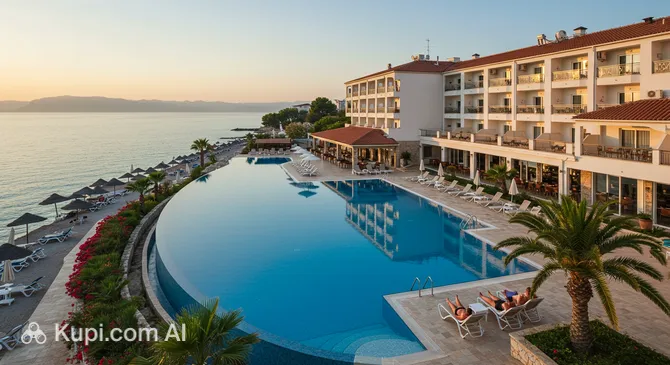
Adriatik Hotel. Illustration.
Source: Kupi.com AI

Traveler photos:

Among the well-known hotels in Durrës, one might highlight the Adriatik Hotel, which offers comfortable accommodation and good service. The choice of a specific hotel depends on your preferences and budget, but there are plenty of options in the city.

As for prices, they range from budget to luxury. During the peak season (summer months), it is recommended to book accommodation in advance, as demand increases significantly. You can book a hotel or apartment through popular online platforms or directly on hotel websites. Many guesthouses and small hotels also accept bookings by phone or email.

Nearby Cities

For those who want to explore the surroundings, Durrës serves as an excellent starting point for day trips to several interesting nearby locations:

CityPopulationDistance
Sukth15 9669 km
Kavajë29 35418 km
Kamez126 77726 km
Fushë-Krujë18 47728 km
Tirana418 49530 km

For example, a trip to Tirana, the capital of Albania, will allow you to immerse yourself in its vibrant atmosphere, visit numerous museums like the National History Museum, and enjoy modern city life. Elbasan offers a journey through time thanks to its well-preserved Elbasan Castle and a historical center with oriental flair. For lovers of antiquity, Fier is an interesting destination, near which the ruins of the ancient city of Apollonia are located.

These nearby destinations provide an insight into the diverse culture and landscapes of Albania. Each trip promises new discoveries, whether they be historical landmarks, natural beauty, or a glimpse into local life.

Shopping & Souvenirs

Durrës offers tourists various shopping opportunities, though it is not a major center for fashion or luxury brands. Here you can find both modern shops and traditional stalls selling local goods and souvenirs. The city is especially interesting for those looking for authentic Albanian products and crafts.

Main shopping activity in Durrës is concentrated along the promenade, known as Epidamn Boulevard (Bulevardi Epidamn), and on adjacent streets in the city center. Here you will find numerous shops selling clothing, shoes, and accessories, as well as souvenir stalls and small supermarkets. A stroll along these streets will allow you to feel the local flavor and find interesting purchases.

There are few large modern shopping malls in the Western sense in Durrës. Shopping here is more about individual stores and boutiques. However, in recent years, small shopping galleries have appeared where you can find several brands under one roof. For more extensive shopping with a larger selection of international brands, you might need to head to the capital, Tirana.

Although there isn't one large central market in Durrës, small markets and stalls are scattered throughout the city where local farmers sell fresh fruits, vegetables, olives, cheeses, and other products. This is a great place to taste the seasonal gifts of Albania. You can also find street vendors offering souvenirs and beach goods, especially during the tourist season.

As souvenirs from Durrës and Albania, it is worth bringing back items made by local artisans: small carpets (kilims) with traditional patterns, ceramics, wood and copper crafts, and embroidery. Popular choices also include Albanian "Skanderbeg" brandy, local wine, rakia, high-quality olive oil, mountain tea, and honey. You can find souvenirs featuring the national hero Skanderbeg or the Albanian eagle symbol.

Shops in Durrës are usually open from the morning (around 9:00–10:00) until the evening (19:00–21:00); many of them may close for a lunch break (siesta), especially during the hot season. In tourist areas and during the peak season, some shops may stay open later. The local currency, the Albanian lek (ALL), is used for payment. In large stores, hotels, and restaurants, you can pay by bank card, but in small shops and markets, cash is preferred.

Tourists from countries outside the European Union may be entitled to a VAT refund (Tax Free) on goods purchased in Albania and taken out of the country. To do this, you must make a purchase of a certain amount in a store participating in the Tax Free system, correctly complete the documents (a special receipt), and present them along with the goods at customs when leaving the country. Check the terms and procedures directly in the shops.

Reached the end of the page?

That means the route is fully explored