Support

Bar

About

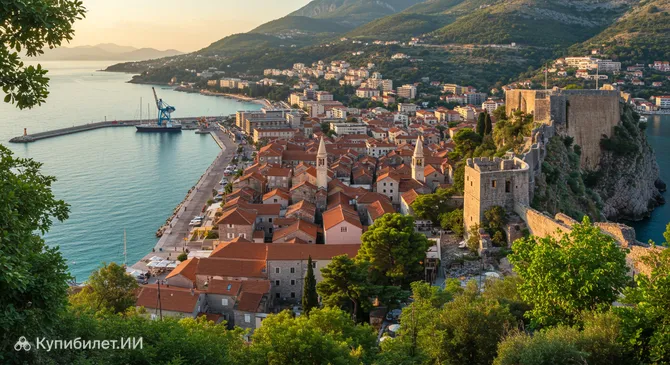
Bar is not just a major port city in Montenegro; it is a place where ancient history meets modern resort charm, creating a unique atmosphere for travelers. The city serves as an important economic and cultural hub for the country, as well as a popular tourist destination.

Bar. Illustration.
Source: Kupi.com AI

Located on the picturesque coast of the Adriatic Sea, Bar delights visitors with a mild Mediterranean climate, perfect for a getaway almost year-round. With a population of about 13,700 people, the city offers both a vibrant urban lifestyle and secluded spots for relaxation.

Bar

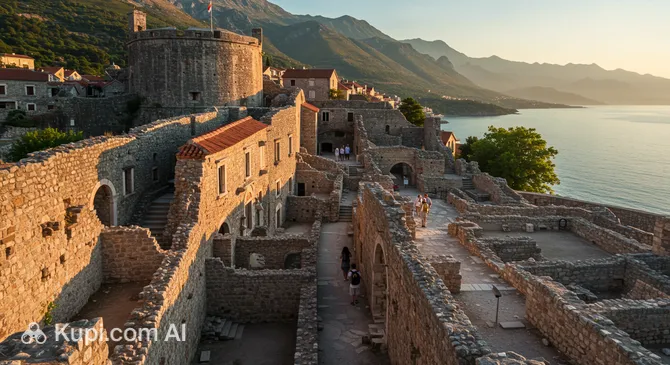
Among the main gems of Bar are the majestic ruins of Old Bar (Stari Bar), situated on the slopes of Mount Rumija, offering breathtaking views. This ancient fortress city bears the traces of Illyrian, Roman, Byzantine, and Ottoman eras. Equally interesting is King Nikola's Palace, the former summer residence of the Montenegrin monarch, now a local history museum with a rich collection of exhibits. Another unique attraction is the Old Olive Tree (Stara Maslina) — an olive tree said to be over 2,000 years old, making it one of the oldest in Europe and a true symbol of peace and longevity.

Bar is a city of contrasts, where you can stroll along a modern promenade lined with numerous cafes and restaurants, relax on cozy pebble beaches, and then dive into the mysteries of the past by exploring its rich historical heritage. Come to Bar to discover its multifaceted beauty, the hospitality of the locals, and the unique flavor of the Adriatic!

You can find more interesting facts on the Bar city history page.

Weather Overview

The weather in Bar is characterized by a warm Mediterranean climate. Summers here are typically hot and dry, especially in July and August, when average temperatures reach 25-26°C and rainfall is minimal. Winters are mild and wetter, with average temperatures around 7-9°C in January and December, and the highest rainfall occurring in November and December. Spring and autumn offer comfortable temperatures for walking and exploring the city, with a gradual transition from cool to warm and back. Overall, expect a hot and sunny summer with rare rain and a mild, wetter winter. For more detailed information, you can visit the Bar Climate page.

Average monthly temperature

Average monthly precipitation

Interesting Facts

In addition to its well-known attractions like Old Bar and King Nikola's Palace, Bar hides many amazing stories and little-known details that make it even more appealing to curious travelers. Here are just a few of them:

  • Ancient Aqueduct: Did you know that Old Bar, located on an elevation, was supplied with water via an impressive 17th-century aqueduct? Its well-preserved arches still stand as a testament to the sophisticated engineering of the past and serve as a picturesque subject for exploration and photography.

  • Cradle of an Ancient Chronicle: It is believed that one of the oldest South Slavic chronicles — the "Chronicle of the Priest of Duklja" (Barski ljetopis) — was created in the vicinity of Bar or in the city itself. This valuable historical document, presumably dating back to the 12th century, sheds light on the early history of the region.

  • A Name Overlooking Italy: The name of the city "Bar" has an interesting origin. It comes from the Latin "Antibarium," which means "opposite Bari" — the Italian city located on the other side of the Adriatic Sea. This emphasizes the long-standing historical and cultural ties between the two coasts.

  • Terminal Station of the First Railway: Bar was the terminus of the first narrow-gauge railway in Montenegro, built in the early 20th century. The Bar – Virpazar line was of immense importance for the economic development of the region, connecting the Adriatic coast with Lake Skadar by rail for the first time.

How to Get There

Bar is a key transport hub and the main maritime gateway of Montenegro. Thanks to its favorable location, you can get here in various ways: by air, land, or sea. A detailed breakdown of all routes and logistical nuances is available at the link: all ways to get to the city.

Since the city does not have its own airport, most tourists fly into neighboring cities. The most convenient option is Podgorica Airport (IATA: TGD). It is located in the country's capital, just 32.7 km from Bar. This is the main air hub, receiving flights from all over Europe. From here, you can easily reach the coast by taxi, bus, or train, as the airport is located near the railway line.

The second popular choice, especially during the summer period, is Tivat Airport (IATA: TIV), located about 46 km away. Many charter flights arrive here. The road to Bar runs along the scenic Adriatic Highway and takes about an hour, although traffic jams are possible during peak season.

You can also consider Dubrovnik Airport (IATA: DBV) in Croatia (85.5 km). This is a major international hub, but when planning your route, be sure to account for the time needed to cross the state border.

Below is summary information on the nearest airports:

AirportPassenger trafficDistance
Podgorica Airport1.8 mln33 km
Tivat Airport1.1 mln46 km
Dubrovnik Airport3.0 mln86 km
Tirana International Airport10 mln91 km
Kukes Zayed30 000110 km

For those who prefer the romance of sea travel or combined routes through Europe, a path through Italy is an excellent option. You can take a train to the Italian coast and then cross the Adriatic Sea by ferry. The key point for such a route is the Bari Centrale station (IATA: BAU), located in the city of Bari, about 214 km away in a straight line across the sea. Ferries run regularly from the local port directly to the Port of Bar, and the night crossing often becomes a pleasant adventure in itself.

Nearest major railway stations in the region (accounting for sea connections):

StationPassenger trafficDistance
Durres Railway Station2 00091 km
Brindisi Railway Station2.5 mln188 km
Bari Centrale Station14 mln214 km

Main Attractions

One of the main and most impressive attractions of Bar is Old Bar (Stari Bar). These majestic ruins of the ancient city, located on the scenic slope of Mount Rumija, are a true open-air museum. Walking through its cobbled streets, you can see the remains of fortress walls, an impressive aqueduct, ruins of churches from various eras, and Turkish baths. A visit to Old Bar is a unique opportunity to immerse yourself in the region's centuries-old history, feel the medieval atmosphere, and enjoy spectacular panoramic views of the new city and the coast.

On the waterfront of modern Bar, surrounded by a beautiful park, sits the elegant King Nikola's Palace. Once the summer residence of the last Montenegrin monarch, today it houses an interesting local history museum. The museum's exhibits will introduce you to the rich history and culture of the city and its surroundings, featuring personal belongings of the royal family, collections of antique weapons, archaeological finds, and ethnographic artifacts. It is a wonderful place to learn more about the past of Montenegro and stroll through the shaded alleys of the palace park.

One cannot overlook the unique natural monument — the Old Olive Tree (Stara Maslina). This legendary olive tree, believed to be over 2,000 years old, is considered one of the oldest in Europe and possibly the world. Growing in the Mirovica area, it is not just a botanical rarity but also a revered symbol of peace, longevity, and the unbreakable bond between generations. Seeing this ancient tree means touching living history and feeling the breath of eternity.

Among the more modern but equally impressive architectural landmarks of Bar is the Cathedral of Saint John Vladimir. This majestic Orthodox church, consecrated in 2016, is one of the largest in the Balkans and a true adornment of the city. Its golden domes and snow-white walls are visible from afar, while the interior, including exquisite frescoes and mosaics, is striking in its scale and beauty. Visiting the cathedral allows you to not only appreciate modern church art but also to feel the special spiritual atmosphere of this holy site.

Local Cuisine

The culinary scene in Bar is an appetizing journey that combines the freshness of the Adriatic with the hearty traditions of the Balkans. The cuisine here has absorbed the best of Mediterranean and continental influences, offering tourists a rich variety of flavors. Many dishes are based on the freshest local products, especially fish and seafood, as well as aromatic herbs and olive oil produced in the region.

While in Bar, be sure to try dishes made from freshly caught fish — sea bream, sea bass, or red mullet, grilled (na žaru) or stewed with vegetables. Squid (lignje) and mussels (mušlje) are also popular. For meat delicacies, look for lamb under the sač (jagnjetina ispod sača) — tender meat slow-cooked in a special lid covered with coals — as well as traditional Balkan ćevapi and pljeskavica. Don't forget the famous Montenegrin pršut — dry-cured ham — and local cheeses, especially Njeguši cheese.

Among drinks in Bar, local wines are popular: the red Vranac and the white Krstač. For something stronger, rakija (fruit brandy) is traditionally served. Of course, local beer is always available, such as "Nikšićko Pivo." For non-alcoholic options, try fresh-squeezed juices, homemade lemonades, and, of course, the aromatic coffee that is enjoyed everywhere here.

The dining culture in Bar is diverse. Locals and tourists love to dine in konobas — traditional taverns serving authentic Montenegrin dishes in a cozy atmosphere. Along the promenade, there are many restaurants with sea views specializing in fish dishes. For a quicker bite, you can find bakeries (pekara) offering fresh pastries, such as burek. The city markets (pijaca) are a great place to buy fresh fruit, vegetables, olives, cheeses, and homemade wine, allowing you to experience the true flavor of local life.

Travel Tips

Planning a trip to sunny Bar? Wonderful! To ensure your journey through this charming city in Montenegro is as comfortable as possible and leaves only pleasant impressions, we've prepared a few practical tips.

  1. Clothing and Essentials:

    The climate in Bar is Mediterranean. In summer, bring light, breathable clothing made of natural fabrics, swimwear, a hat, sunglasses, and high-SPF sunscreen. For spring and autumn months, layered clothing including a light jacket or sweater is suitable. In winter, you'll need warmer clothes and a raincoat. Be sure to bring comfortable shoes — they will be essential for walks around the city, the cobbled streets of Old Bar, and pebble beaches. Don't forget a European power adapter (type F/C). When visiting religious sites, such as the Cathedral of Saint John Vladimir, it is customary to cover your shoulders and knees.

  2. City Transport:

    You can get around Bar and its surroundings by bus — it's a well-developed and affordable mode of transport. Taxis are also available; it is recommended to use official services or agree on the fare in advance. If you plan to actively explore the coast and mountain regions of Montenegro, renting a car might be a good option. Keep in mind that mountain roads can be narrow and winding, and parking in the center of Bar, especially during the tourist season, can be limited and requires payment.

  3. Finances: Currency, Cards, and Tipping:

    The official currency in Montenegro is the Euro (EUR). You can exchange money at banks or official exchange offices; avoid shady offers from street money changers. Credit and debit cards (Visa, Mastercard) are accepted in most hotels, restaurants, and large shops. However, cash is always useful for small purchases at markets, in small cafes, or for taxi fares. ATMs are widely available. Tipping is not strictly mandatory but is appreciated at 5-10% of the bill in restaurants if you enjoyed the service.

  4. Health and Safety:

    Bar is generally a safe city for tourists. Nevertheless, follow standard precautions: keep an eye on your belongings in crowded places (beaches, markets, public transport) and do not leave valuables unattended. Pharmacies (apoteka) are available in the city; some may be open 24/7 or have an on-call schedule. Be sure to get travel medical insurance before your trip. In case of emergencies, call 112.

  5. Communication and Language:

    The official language is Montenegrin, which is very close to Serbian, Croatian, and Bosnian. In the tourist areas of Bar, hotels, and restaurants, many people speak English. Russian is also often understood, especially by the older generation. Learning a few basic phrases in the local language (e.g., "Dobar dan" – Good day, "Hvala" – Thank you, "Molim" – Please) will be a nice gesture. A SIM card with internet access can be purchased from local operators. Wi-Fi is available in most hotels and cafes.

  6. Local Etiquette and Interaction:

    Montenegrins are hospitable and friendly. A handshake is the standard greeting. In communication, politeness and respect for local traditions are valued. It's best to avoid active discussions on political topics or recent Balkan conflicts. Show respect for the country's culture and customs.

  7. What to Avoid:

    Try not to show excessive impatience. The pace of life in Montenegro is often more leisurely than in metropolises — the local word "polako" (slowly, take it easy) reflects this well. Also, refrain from photographing people without their prior consent, especially members of the older generation or inside active religious sites.

  8. Extra Tip – Local Flavor:

    Be sure to visit Bar's city market (pijaca). It is not only a great place to buy fresh fruit, vegetables, homemade cheese, olives, and the famous pršut, but also a wonderful opportunity to dive into the city's authentic atmosphere, observe daily life, and perhaps chat with the locals. Markets are usually liveliest in the morning hours.

We hope these tips help you feel more confident in Bar and make your Adriatic adventure unforgettable. Enjoy your stay!

Entertainment & Nightlife

The nightlife in Bar, Montenegro, offers a pleasant variety for those looking to unwind after a day at the beach or exploring the surroundings. While it isn't a metropolis with 24/7 parties, there are plenty of spots to enjoy a fun evening and night, especially during the summer season. The atmosphere is usually lively yet relaxed and conducive to rest.

The main concentration of evening entertainment is found along the King Nikola Promenade (Šetalište Kralja Nikole) and around the city marina. These areas come alive at dusk, offering guests a variety of cafes, restaurants with evening programs, and, of course, bars. Strolling here, you will easily find a place to your liking, whether it's a quiet corner for conversation or a venue with loud music.

In Bar, you will find diverse venues for evening leisure. Particularly popular are the bars with open terraces along the promenade, where you can enjoy a cocktail while listening to music — ranging from chill lounge to modern hits. Many beach cafes offer seaside relaxation by day and transform into lively gathering spots perfect for pre-parties as the sun sets. For those who want to dance, the city has several nightclubs. They usually open closer to midnight and continue the fun until 2 or 3 AM, and even later during the peak season. The crowd is mostly mixed — a blend of tourists and locals. The dress code in most Bar venues is quite relaxed; smart casual will be appropriate almost everywhere.

Practical Tips: The best time to visit bars and clubs is after 10:00 PM or 11:00 PM, when most people finish dinner and head out for an evening stroll. Average prices for drinks and club entry (if there is a fee) are comparable to other resort towns in Montenegro. At night, it is most convenient to get around the city by taxi. It is recommended to use official taxi services or clarify the fare in advance.

As for safety, Bar is considered a fairly quiet city. Walking along the well-lit promenade in the evening is generally safe. Nevertheless, it is always wise to follow standard precautions: keep an eye on your personal belongings, especially in crowded places, and avoid poorly lit or deserted streets late at night. To call a taxi at night, it is most reliable to ask the staff at your hotel, restaurant, or bar.

During the day, Bar offers other types of leisure. Be sure to visit the historical Old Bar, located on the slope of Mount Rumija, to explore the ruins of the ancient fortress and enjoy panoramic views. In the modern part of the city, you can browse the shops, visit the local market, or check out one of the small museums. And, of course, beach holidays and water activities remain the main daytime draw for many tourists in Bar.

Parks & Museums

Bar is a city that enchants not only with its historical monuments and modern port but also with the opportunity to enjoy nature and immerse yourself in local culture through its parks and museums. Here, everyone will find a corner to their liking, be it a shaded alley in an old park or a hall housing centuries-old secrets.

For those seeking peace and fresh air, Bar offers several wonderful green zones. The King Nikola's Palace Park, surrounding the former royal residence, is a true oasis in the city center. Its well-kept lawns and Mediterranean vegetation are perfect for leisurely strolls and a break from the urban bustle. The numerous beaches of Bar, such as the central Topolica beach or the more secluded Red Beach (Crvena plaža) and Šušanj Beach, are essentially natural areas for seaside relaxation. Additionally, the natural beauty around the famous Old Olive Tree and at the foot of majestic Mount Rumija offers great opportunities for hikers to enjoy clean air and picturesque landscapes.

To gain a deeper understanding of Bar's history and culture, its museums are well worth a visit. Located in the beautiful King Nikola's Palace, the Local History Museum offers more than just exhibits; it is a true immersion into the atmosphere of the past. After a walk through the shaded alleys of its surrounding park, visiting the museum becomes a harmonious continuation of exploring Bar's heritage. Here, you can feel the spirit of the royal era and learn about the daily life and significant events of the region and Montenegro as a whole, enriching the experience of the palace complex itself. The majestic Old Bar is much more than just ruins; it is an entire historical and archaeological park spread out under the open sky. Visiting it is a fascinating exploration where every stone and ancient wall tells its own story. Instead of traditional museum halls, you'll find ancient streets, remains of churches, and residential buildings that allow you to imagine the life that bustled here centuries ago. For art lovers, the "Velimir A. Leković" Art Gallery, often located in the House of Culture, is an important center of the city's artistic life.

For a deeper immersion into the atmosphere of Bar, try walking the less-known paths in the vicinity of Old Bar — the views from there are stunning, especially at sunset. Also, if you have the chance, explore the small "wild" beaches south of the city; many locals prefer them for their privacy and untouched nature.

Getting Around

Getting around Bar and its surroundings is quite convenient thanks to several types of transport. Although the city does not have an extensive metro or tram system like large metropolises, its transport infrastructure is well-adapted to the needs of locals and tourists alike.

The main form of public transport in Bar and for trips to nearby settlements (such as Šušanj, Sutomore, Old Bar) is buses. Local routes connect various districts of the city and its suburbs. Buses run with a certain frequency that may change depending on the season (more frequent in summer). Bar is also a major hub for intercity bus transport; from the main bus station, you can travel to many cities in Montenegro (Podgorica, Budva, Kotor, etc.) and even to neighboring countries. It is best to check intercity schedules at the bus station or on the carriers' websites.

The railway plays an important role in Bar's transportation. The city is the terminus of the famous and scenic Belgrade-Bar railway line and also has regular connections to Podgorica. Trains can be a comfortable alternative to buses, especially for trips to the capital.

The fare payment system in Bar is quite simple. On local bus routes, tickets are usually purchased directly from the driver upon boarding, typically with cash. Fares are low. For intercity buses and trains, tickets are bought at the ticket offices at the bus station or railway station, respectively. For some popular destinations, tickets can be purchased online. Generally, there are no special transport cards for tourists in Bar itself, but for frequent travel around the country, you can look into pass options if offered by specific carriers.

Practical Tips for Tourists:

  • The bus station and railway station in Bar are located relatively close to each other and the city center, which is convenient for transfers.
  • Always carry small amounts of cash to pay for fares on local buses.
  • Check schedules in advance, especially if planning trips on weekends or holidays, as well as in the evening when the frequency of services may decrease.
  • To visit the popular Old Bar, located on an elevation, you can take a local bus or a taxi.

Besides public transport, other ways of getting around are available in Bar. Taxis can be found at special stands or called by phone. It is recommended to clarify the fare in advance or ensure the driver has turned on the meter. For independent travel along the coast and surroundings, car rental is popular — rental companies have offices both in the city and at the airports. Along the promenade and through flat areas of the city, it is pleasant to get around by bicycle, which can also be rented. And, of course, many central areas of Bar, its promenade, and beach zones are perfect for walking.

Accommodation

In Bar, you will find a wide range of accommodation options to suit the needs and budget of any traveler. There are budget-friendly options, such as guesthouses and apartments, as well as mid-range hotels offering comfortable stays with a good set of services. For those seeking a more luxurious holiday, the city and its surroundings also offer modern hotels and resort complexes. Renting private apartments and villas is very popular, especially among families and groups who prefer more space and privacy.

When choosing where to stay in Bar, it is worth paying attention to several areas. The central part of the city, adjacent to the promenade and the port, is convenient due to its proximity to major shops, restaurants, and transport hubs. The Šušanj district, located north of the center, is popular for its long pebble beach and more relaxed atmosphere; there are many apartment offers and small hotels here. If you are looking for seclusion and picturesque views, you might consider staying near Old Bar or in small villages along the coast, such as Dobra Voda or Utjeha, although they are somewhat distant from the main city infrastructure.

The price range for accommodation in Bar varies from very affordable to premium, depending on the type of accommodation, its location, and the season. During the peak tourist season (July-August), prices are usually higher, so it is recommended to book accommodation in advance to ensure the best choice and more favorable terms. The most common booking methods are popular online platforms (such as Booking.com, Airbnb, and others), as well as direct booking through hotel websites or by contacting apartment owners.

Nearby Cities

From Bar, it is easy to set off on day trips to explore the multifaceted Montenegro. Nearby are both lively coastal resorts with ancient history and cities with a more continental feel, including the capital. Here are some of them, reachable for short trips:

CityPopulationDistance
Ulcinj19 92121 km
Golubovci3 11030 km
Budva19 21830 km
Shkoder112 27635 km
Tuzi4 74836 km

These nearby destinations, presented in the table, offer wonderful opportunities to get to know the diversity of Montenegro. Each possesses its own unique charm, whether it's historical centers, natural beauty, or bustling resorts, and all are easily accessible for a day trip from Bar.

Shopping & Souvenirs

Bar, as a major port and tourist center of Montenegro, offers its guests diverse shopping opportunities. While the city doesn't claim to be a world fashion capital, you can find interesting local goods, high-quality Italian products thanks to its proximity to Italy and the ferry connection, and everything needed for a comfortable holiday. Shopping in Bar is more of a pleasant addition to your vacation than the main goal of the trip, characterized by a more relaxed atmosphere.

The main commercial life of Bar is concentrated along the city's main street — Vladimir Rolović Street (Ulica Vladimira Rolovića). Here you will find numerous shops for clothing, shoes, accessories, and cosmetics, as well as jewelry stores and electronics shops. A stroll down this street will allow you to browse the assortment and perhaps make some great purchases. It is also worth checking out the promenade, where souvenir stalls, beachwear shops, and small boutiques are located.

In Bar, there are no giant modern shopping and entertainment centers typical of metropolises. However, there are several retail points that can be called local trade hubs. For example, the "Robna Kuća Bar" department store offers various goods under one roof. You can also find supermarket chains like "HDL" or "Voli" in the city, which, besides groceries, often have departments for clothing, household goods, and toys. For more extensive shopping with a wide selection of international brands, you might need to head to the capital, Podgorica.

A special place in Bar's shopping culture is occupied by the city market — "Zelena Pijaca" (Green Market). This colorful place is where you can not only buy the freshest fruits, vegetables, homemade cheeses, olives, the famous Montenegrin olive oil (especially from the Bar region), pršut, honey, and homemade wine or rakija, but also feel the authentic atmosphere of the city. At the market, you can also sometimes find inexpensive clothing, beach gear, and handmade souvenirs.

As souvenirs from Bar and Montenegro, it's worth bringing back:

  • Local olive oil, especially from the vicinity of Bar, where the famous Old Olive Tree grows.
  • Montenegrin wines (such as the red "Vranac" or white "Krstač") and the strong spirit rakija.
  • Pršut (dry-cured ham) and local cheeses.
  • Handmade items, ceramics with local motifs, and embroidery.
  • Maritime-themed souvenirs: seashells, ship models.
  • Religious souvenirs related to Saint John Vladimir, the city's patron saint.

Most shops in Bar are open from 8:00-9:00 AM to 8:00-9:00 PM, especially during the tourist season. Large supermarkets may have longer working hours. Some small shops might close for a lunch break (siesta), although this is less common in tourist areas. On Sundays, many shops may be closed or operate on a reduced schedule. The official currency is the Euro (EUR). Credit and debit cards (Visa, Mastercard) are accepted in most shops and supermarkets, though cash is preferred at markets and small souvenir stalls.

For tourists from non-EU countries, a Tax Free shopping system is available in Montenegro. If you make a purchase above a certain limit (usually around 100 euros) in a single participating store, you can request a special form. This form must be presented along with the goods at customs when leaving the country to receive a stamp, after which you can claim a partial VAT refund. It is recommended to check for Tax Free availability directly in the store before making a purchase.
Reached the end of the page?

That means the route is fully explored