Support

Danilovgrad

About

Danilovgrad is a charming and peaceful town located in the heart of Montenegro. It attracts travelers with its authentic atmosphere and the chance to immerse themselves in a slow-paced local lifestyle, far from the hustle and bustle of major tourist centers.

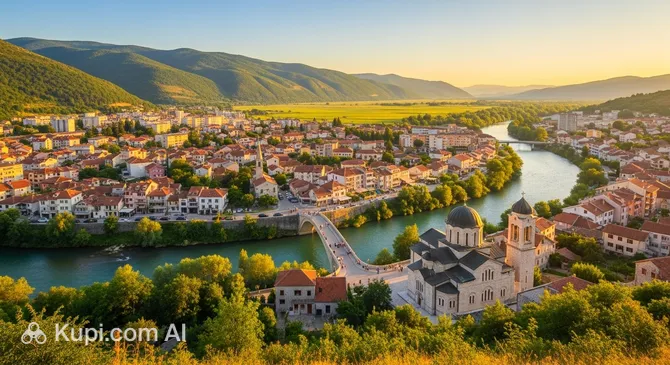
Danilovgrad. Illustration.
Source: Kupi.com AI

The town is nestled in the picturesque Zeta River valley within the Danilovgrad municipality. With a population of just over 5,000 residents, it offers a sense of intimacy and cozy hospitality. Thanks to its central location, Danilovgrad serves as a convenient starting point for exploring this region of the country.

While Danilovgrad itself may not boast a large number of world-famous monuments, its appeal lies elsewhere. The town is an excellent base for visiting one of Montenegro's most significant spiritual sites — the Ostrog Monastery, which is located relatively close by. Additionally, the surroundings of Danilovgrad and the Zeta River valley offer wonderful opportunities for hiking, enjoying nature, and experiencing the rural way of life.

If you want to discover the real, non-touristy Montenegro, are looking for peace, or are planning a pilgrimage to the Ostrog Monastery, Danilovgrad will welcome you warmly and provide a pleasant experience of this unique corner of the country.

You can find more interesting facts on the history of Danilovgrad page.

Weather Overview

The climate in Danilovgrad is characterized by warm summers and cool winters. In the summer months, especially in July and August, the average air temperature is around +21°C, with maximum values potentially reaching +27°C. Summers here are quite dry, with the lowest amount of precipitation (about 2 mm in July and August), although short rains are still possible, with about 10-11 rainy days in these months.

Winter in Danilovgrad is cool, with the average January temperature staying at +1.0°C, and night frosts can drop the thermometer to -2.5°C. The winter period and late autumn (especially November with 11 mm of precipitation and 14 rainy days) see a higher amount of precipitation compared to summer; for example, in December, 10 mm of precipitation falls over 16 days. Overall, you can expect warm summers with little rain and cool, wetter winters in Danilovgrad. For more detailed information on climate features, visit the weather in Danilovgrad page.

Average monthly temperature

Average monthly precipitation

Interesting Facts

In addition to its peaceful atmosphere and proximity to iconic sites in Montenegro, Danilovgrad holds several fascinating details and lesser-known pages of history that make it even more attractive to curious travelers. Here are some of them:

  • The capital that never was: Danilovgrad was originally designed in the 19th century by order of King Nikola I to be the new capital of Montenegro. Although Podgorica eventually became the capital, the ambitious original plan with its wide, straight streets is still visible in the town's layout.

  • Named after a Prince: The town was named in honor of Prince Danilo I Petrović-Njegoš, a prominent ruler and the uncle of King Nikola I, who founded Danilovgrad. The name is a tribute to one of the key figures in Montenegrin history.

  • A hub for artists: Danilovgrad is home to the famous Art Colony (Umjetnička kolonija). This place, rich in tradition, attracts sculptors, painters, and other artists, making a significant contribution to the cultural life of the region.

  • A historical bridge over the Zeta: One of the iconic landmarks of the town is the Adžijin Bridge (Adžijin Most, or Hadži's Bridge) over the Zeta River. This stone bridge was built during the reign of King Nikola I and serves as both an important crossing and a silent witness to the history of Danilovgrad.

How to Get There

You can reach Danilovgrad in several ways, the most convenient being a flight to one of the nearest airports followed by a transfer, or by traveling by car. Although Danilovgrad does not have its own airport or major railway hub, its location in Montenegro ensures accessibility via the transport hubs of neighboring cities.

The primary option for international travelers is by air. The closest and most convenient is Podgorica Airport (TGD), located approximately 25 km from Danilovgrad, in the city of Podgorica. This is a major international airport, from which you can reach Danilovgrad by taxi or rental car in about 50-60 minutes. Another popular option is Tivat Airport (TIV), situated in the city of Tivat, about 36 km from Danilovgrad. This major airport also handles many flights, and the trip to Danilovgrad takes roughly 1 hour and 15 minutes. For those looking for an even wider selection of flights, Dubrovnik Airport (DBV) in Croatia, located in the city of Dubrovnik, is another option. It is about 69 km from Danilovgrad, and the drive takes around 2 hours, not including time for border crossing. This is also a major international airport offering many destinations.

For your convenience, here is a summary of the main airports used to reach Danilovgrad:

AirportPassenger trafficDistance
Podgorica Airport1.8 mln25 km
Tivat Airport1.1 mln36 km
Dubrovnik Airport3.0 mln69 km
Kukes Zayed30 000122 km
Mostar Airport20 539131 km

Railway connection to Danilovgrad is less direct, as there is no train station in the town itself. The nearest international railway hubs are located in neighboring countries and at a considerable distance. For example, the Durrës Railway Station (located in the city of Durrës, Albania) is about 140 km from Danilovgrad. A trip from this station to Danilovgrad by car or bus would take about 3.5-4 hours. In general, traveling to the Danilovgrad region by train requires careful planning and likely a combination of bus services or car rentals from the nearest major station.

Here is information about some railway stations in the region, although they are located at a significant distance:

StationPassenger trafficDistance
Durres Railway Station2 000140 km
Brindisi Railway Station2.5 mln234 km
Bari Centrale Station14 mln245 km

In addition to air and rail links, Danilovgrad is easily accessible by car via Montenegro's well-developed road network. Renting a car is a popular choice among tourists, as it provides freedom of movement and allows you to explore the town's picturesque surroundings at your own pace. It is also worth checking the local bus schedules, which connect Danilovgrad with Podgorica and other cities across the country.

Main Attractions

Although Danilovgrad is better known as a quiet town and a starting point for exploring the surrounding area, it also offers several interesting sites that deserve the attention of a curious traveler. Getting to know them will help you better understand the character and history of this part of Montenegro.

One of the city's main cultural attractions is the Art Colony (Umjetnička kolonija). This is not just an exhibition space, but an active creative center that regularly hosts painters, sculptors, and other artists. For tourists, this is a great opportunity to get acquainted with contemporary Montenegrin art, visit current exhibitions, and sometimes even witness the creative process or talk with the authors. The Colony makes a significant contribution to the cultural life of Danilovgrad by organizing various events and symposiums.

A historical symbol of Danilovgrad and its inseparable connection with the Zeta River is the Adžijin Bridge (Adžijin Most), also known as the Hadži's Bridge. This ancient stone bridge, built during the reign of King Nikola I, is not only an important engineering structure of its time but also a very photogenic site. A walk across the bridge or along the banks of the Zeta River in its vicinity will allow you to enjoy the calming landscapes and feel the spirit of the old town.

For those interested in the region's past, the Danilovgrad Local History Museum (Zavičajni muzej Danilovgrad) is a must-visit. Its halls house artifacts that tell the story of the history, archaeology, and ethnography of these lands from ancient times to the present day. The museum's exhibitions allow for a deeper understanding of local traditions, daily life, and the key events that influenced the development of Danilovgrad and its surroundings.

An important spiritual and architectural site in the city is the Church of St. Tekla (Crkva Svete Tekle). This Orthodox church, dedicated to the revered early Christian saint, serves not only as a place of prayer for locals but also draws attention for its architecture and interior decoration. A visit to the church provides an opportunity to touch the spiritual culture of the region and appreciate the beauty of Orthodox architecture.

Local Cuisine

The gastronomy of Danilovgrad offers travelers a dive into the world of traditional Montenegrin cuisine, known for its hearty dishes, fresh local products, and centuries-old recipes. Here you can enjoy authentic flavors that reflect the rich culture and hospitality of Montenegro. The basis of local cuisine consists of meat delicacies, dairy products, vegetables, and, of course, dishes prepared using ancient techniques.

Be sure to try signature dishes such as kačamak — a thick corn porridge with cheese and kajmak, or its even richer version, cicvara. Meat lovers will enjoy various types of grilled meats (ćevapi, pleskavica) and, certainly, lamb under the sač (jagnjetina ispod sača) — meat slow-cooked under a special metal lid covered with coals, which gives it incredible tenderness and aroma. Given the proximity of the Zeta River, local establishments also offer dishes made from fresh river fish. The culinary scene in Danilovgrad focuses on simplicity and quality of ingredients, allowing you to experience the true taste of the region.

Local drinks perfectly complement any meal. Among alcoholic beverages, the famous Montenegrin wines stand out, such as the red Vranac or the white Krstač. You should also definitely try the local fruit brandy — rakija, especially the grape variety (loza) or plum (šljivovica). Among non-alcoholic drinks, homemade juices, such as elderberry or pomegranate, are popular, as is refreshing mineral water (kisjela voda).

The food culture in Danilovgrad is centered around small family-run restaurants known as konobas and cozy cafes. This is where locals and tourists alike can enjoy traditional dishes in a warm and welcoming atmosphere. Unlike major tourist hubs, Danilovgrad's gastronomic scene is more intimate and authentic, offering guests not just food, but a genuine immersion into local culinary traditions. Here, a slow pace, home comfort, and hospitality are highly valued, making every meal special.

Travel Tips

Planning a trip to Danilovgrad? Wonderful! To ensure your journey to this cozy corner of Montenegro is as comfortable as possible and leaves you with only the warmest memories, we have prepared some practical tips for you.

  1. Clothing and Essentials: The climate in Danilovgrad is continental. In summer (June-August), it gets quite hot, so bring light, breathable clothing, a hat, sunglasses, and sunscreen. For spring and autumn, mid-season clothes are suitable, and in winter, a warm jacket, sweater, and hat are necessary. A key point is comfortable shoes for walking around the town and its picturesque surroundings. If you plan to visit the Ostrog Monastery or other religious sites, be sure to bring modest clothing that covers your shoulders and knees. Don't forget a European power adapter (type C/F).

  2. Transport in and Around Town: Danilovgrad is a small town, so the best way to get to know it is on foot. Public transport consists mainly of buses connecting Danilovgrad with Podgorica and other towns. It's best to check the schedule locally. Taxis are also available. For exploring the surrounding area and having more freedom to travel around Montenegro, consider renting a car, especially if you plan to visit the Ostrog Monastery or enjoy the nature of the Zeta River valley.

  3. Finances: The official currency in Montenegro is the Euro (EUR). You can exchange money at banks or licensed exchange offices; avoid questionable offers from private individuals. Bank cards (Visa, Mastercard) are accepted in many shops, cafes, and restaurants, but it's better to have cash for small establishments or markets. There are ATMs in Danilovgrad. Tipping in restaurants is usually 5-10% of the bill and is at your discretion, but always appreciated for good service.

  4. Health and Safety: Danilovgrad is generally a quiet and safe town. However, standard precautions never hurt: keep an eye on your belongings, especially in crowded places. There are pharmacies (apoteka) in town; it's best to check their operating hours locally. For medical assistance, tourists are recommended to have valid travel insurance. In case of emergency, you can visit the local Dom Zdravlja (medical center).

  5. Communication: The official language is Montenegrin. In the tourism sector and among young people, many speak English, but knowing a few basic phrases in the local language, such as "Zdravo" (Hello), "Hvala" (Thank you), "Molim" (Please/You're welcome), and "Da/Ne" (Yes/No), will be very helpful and appreciated by the locals. Mobile connection and internet are of good quality; a SIM card from a local operator can be purchased at specialized shops. Wi-Fi is available in many cafes and hotels.

  6. Local Etiquette: Montenegrins are hospitable and friendly. It is customary to greet with a handshake. Behave modestly and respectfully in public places. If you are invited to someone's home, a small souvenir or treat is a nice gesture. It is important to show respect for local traditions and customs, especially when visiting religious sites.

  7. What to Avoid: Try not to bring up sensitive political or historical topics in conversation with locals, especially regarding recent conflicts in the Balkans. It is also best not to photograph people without their permission. When visiting monasteries and churches, strictly avoid inappropriate (too revealing) clothing and loud behavior.

  8. Additional Tip: Don't miss the chance to enjoy the slow pace of life in Danilovgrad. Take a stroll along the Zeta River, visit the local market if it's open to buy fresh produce, or simply sit in one of the cozy cafes and watch daily life go by. This is an excellent way to feel the true atmosphere of the Montenegrin heartland.

We hope these tips help you better plan your trip and get the most out of your stay in Danilovgrad. We wish you an unforgettable journey through this charming Montenegrin town!

Entertainment & Nightlife

When the sun sets over the picturesque Zeta River valley, Danilovgrad offers its guests a quiet and cozy atmosphere for evening relaxation. Unlike the major tourist centers of Montenegro, the nightlife here is more intimate and relaxed, perfectly suited for those who appreciate soulful conversations and a leisurely pastime.

Main evening activities in Danilovgrad are centered around the central streets, where local cafes, bars, and restaurants are located. You won't find noisy nightclubs with loud music until morning here; rather, these are establishments where you can enjoy dinner, a glass of local wine, or a cup of coffee in the company of friends. The atmosphere in such places is usually very friendly and welcoming, with a mixed crowd of locals and a few tourists. The dress code is generally casual and informal.

Evening venues usually start to liven up closer to sunset and stay open until late evening, though not always deep into the night, especially on weekdays. Prices in the cafes and bars of Danilovgrad will pleasantly surprise you with their moderation compared to larger cities. Since the town is small, most establishments are easily reached on foot. If you need a taxi at night, it’s best to book it in advance through your accommodation or a local taxi service, as hailing a car on the street late in the evening can be difficult.

Regarding safety, Danilovgrad is a quiet town, and evening walks in the central areas are generally safe. Nevertheless, it's always wise to follow standard precautions: keep an eye on your belongings and avoid poorly lit or deserted areas late at night.

In Danilovgrad, with its intimate atmosphere, nightlife is primarily focused on cozy cafes and bars where locals meet for evening gatherings. Instead of loud nightclubs, you are more likely to find venues where you can spend a pleasant time over drinks and conversation. We recommend taking a walk through the town center in the evening—this is where the main points of interest are concentrated, allowing you to choose a spot to your liking.

During the day, Danilovgrad offers other leisure activities. You can visit the Art Colony (Umjetnička kolonija) to see the works of Montenegrin masters or stop by the Danilovgrad Local History Museum (Zavičajni muzej Danilovgrad) to learn more about the region's history. A walk along the Zeta River or through the town's picturesque surroundings is also a delightful way to spend your time.

Parks & Museums

Danilovgrad, in addition to its peaceful charm, offers guests opportunities for a pleasant time in nature and an introduction to the region's cultural heritage. Here you will find both picturesque green corners and places that preserve history and art.

The main natural attraction and place for relaxation in Danilovgrad is undoubtedly the Zeta River valley. Its verdant banks are perfect for leisurely strolls, morning jogs, or simply contemplating the calm flow of the water. While the town may not have sprawling formal parks like major metropolises, many cozy squares and green zones along the river create excellent conditions for outdoor relaxation. These natural spots allow you to escape the city bustle and enjoy the beauty of Montenegrin nature, making them especially attractive for lovers of quiet rest.

For those interested in the history and culture of Danilovgrad and its surroundings, the key location is the Danilovgrad Local History Museum (Zavičajni muzej Danilovgrad). Its exhibitions tell the story of the region's rich past, dating back to ancient times, and introduce visitors to archaeological finds, ethnographic artifacts, and important historical events. It is a wonderful opportunity to gain a deeper understanding of local identity. Art lovers should visit the Art Colony (Umjetnička kolonija), which is not just a gallery but an important center for contemporary Montenegrin art. Here you can see works by local and guest artists and sometimes witness creative events, making a visit especially interesting and educational.

The cultural landscape of Danilovgrad would be incomplete without mentioning its significant historical structures, which are also part of its tourist appeal. The ancient stone Adžijin Bridge (Adžijin Most) across the Zeta River is not only a picturesque subject for photos but also an important witness to the town's history; walking across it allows you to feel the spirit of the past. Another significant spiritual and architectural monument is the Church of St. Tekla (Crkva Svete Tekle), which attracts attention with its history and traditional architecture, offering a glimpse into the spiritual life of the region.

To feel the true spirit of Danilovgrad, don't limit yourself to just the well-known sites. Take a walk down less busy streets; you might discover small craft workshops or simply enjoy the town's quiet atmosphere away from the tourist routes. Searching for secluded spots on the banks of the Zeta can also provide unforgettable moments of peace and be a true discovery for those seeking authenticity.

Getting Around

Getting around Danilovgrad and its immediate surroundings can be done in several ways; however, it's important to keep in mind that this is a small town, and many of its areas are easily accessible on foot. Public transport within the town itself is limited; the main roles are played by buses connecting Danilovgrad with other settlements and taxis.

Buses are the primary form of public transport for traveling to and from Danilovgrad. Regular bus routes connect the town with Podgorica, Nikšić, and other cities in Montenegro. Tickets for intercity buses can usually be purchased at the bus station (if one is available and functioning for ticket sales) or directly from the driver when boarding. It is recommended to check the schedule in advance, as it may change, especially for less popular routes. There are virtually no inner-city bus routes designed for tourists in Danilovgrad due to its compact size.

The payment system for bus travel is quite simple. Generally, it is a cash transaction. For intercity trips, the cost depends on the distance. Specialized travel cards or mobile apps for paying for public transport in Danilovgrad should not be expected. Bus operating hours vary depending on the route; intercity services typically run from early morning until evening.

Taxis are a convenient alternative for moving around the town and taking trips to the surrounding area, such as to the Ostrog Monastery, if you do not have a rental car. You can find a car at taxi ranks or call one by phone. It is recommended to clarify the approximate cost of the trip in advance or ensure that the driver uses a taximeter. Taxi prices in small towns are generally more moderate than in major tourist centers.

Other forms of transport, such as subways, trams, or trolleybuses, do not exist in Danilovgrad. Bicycle rentals may be available informally through some guesthouses, but there is likely no centralized system. For most tourist purposes within Danilovgrad itself, the most practical way to get around remains walking, which allows for a leisurely introduction to the town. If you plan to actively explore the region, renting a car can be a good solution, providing maximum freedom of movement.

Accommodation

When planning a trip to Danilovgrad, you can choose from several accommodation options suitable for both budget-friendly and more comfortable stays. The town primarily offers small hotels, guesthouses, and rental apartments. You are less likely to find large hotel chains or luxury resorts here, as the focus is on coziness, local flavor, and a personalized approach to guests.

Most accommodation options in Danilovgrad are conveniently located in or very near the town center. This location provides easy access to main shops, cafes, and local attractions. If you plan to use Danilovgrad as a base for trips to the surrounding area, such as to the Ostrog Monastery, it is worth considering the transport accessibility of your chosen option. Given the town's compact size, most places of interest are within walking distance.

In Danilovgrad, you will find a range of housing to suit various preferences and budgets, from cozy guesthouses to small private hotels. While the town is not overflowing with large hotel complexes, the existing accommodation options are known for their hospitality and commitment to guest comfort. When choosing a specific place, it is helpful to check traveler reviews on popular booking platforms.

The price range for accommodation in Danilovgrad is usually more affordable compared to the larger tourist centers of Montenegro, making it an attractive option. You can find both budget options and mid-range housing. It is recommended to book your stay in advance, especially if your trip coincides with the tourist season (summer months) or local holidays, as the number of offers is limited. You can book accommodation through well-known international online platforms or, in some cases, by contacting the owners of apartments or guesthouses directly.

Nearby Cities

For those who want to explore the surrounding area, Danilovgrad serves as an excellent starting point for day trips to several interesting nearby locations:

Close by is Podgorica, the capital of Montenegro. This lively city offers a mix of modern urban amenities, shopping centers, and historical sites such as the Old Town (Stara Varoš) and the impressive Millennium Bridge.

Budva, located a bit further away but still within easy reach, beckons tourists with its famous Adriatic coast beaches, a lively promenade, and a charming, well-preserved Old Town surrounded by medieval walls.

You might also consider a trip to Nikšić, the country's second-largest city. Nikšić attracts visitors with its more industrial yet authentic atmosphere, cultural events like the famous Lake Fest, and its proximity to beautiful natural sites such as Lake Krupac.

CityPopulationDistance
Podgorica150 97719 km
Cetinje14 09324 km
Golubovci3 11026 km
Niksic56 97028 km
Tuzi4 74828 km

These nearby destinations provide a glimpse into the diverse culture and landscapes of the region. Each trip can be a fascinating addition to your stay in Danilovgrad, revealing new facets of Montenegro.

Shopping & Souvenirs

Shopping in Danilovgrad is more of a pleasant addition to your journey through Montenegro rather than an end in itself. The town is not a major commercial hub, but you will be able to find everything you need here, as well as purchase authentic local products and souvenirs to remember your trip by.

The main shopping opportunities in Danilovgrad are concentrated in its central part. Here, while walking along the main streets, you will find small grocery stores, pharmacies, shops with everyday goods, and perhaps a few clothing or hardware stores. The atmosphere here is far from the rush of big cities, making the shopping process more relaxed and measured.

You are unlikely to find large, modern shopping malls in Danilovgrad. Shopping here is more traditional, centered on small private stores and boutiques. This allows you to better feel the local flavor and perhaps find something unique.

Special attention should be paid to the local market (pijaca) if it is open during your visit. This is where you can fully experience the town's atmosphere and purchase the freshest local products: seasonal fruits and vegetables, homemade cheeses, olives, honey, and sometimes handmade items from local artisans. Visiting the market is a great opportunity not just for shopping, but for getting to know the daily life of Danilovgrad residents.

What should you bring home from Danilovgrad as a souvenir? Look for traditional Montenegrin products. This could be the famous pršut, various types of local cheese (such as kačkavalj or young cheese), high-quality olive oil, or fragrant mountain honey. Popular drinks include Montenegrin wines, especially the red Vranac and white Krstač, as well as the strong fruit brandy — rakija. In souvenir shops, if available, you can look for items with national symbols, small ceramic products, or textiles.

Shops in Danilovgrad usually open in the morning (around 8:00-9:00) and stay open until evening (around 20:00-21:00). Some small shops may close for a lunch break (siesta), especially during the summer. On Sundays and public holidays, working hours may be reduced, or some shops may be closed. The official currency in Montenegro is the Euro (EUR). Most shops and supermarkets accept bank cards (Visa, Mastercard), but at the market and in small private stalls, it is better to have cash on hand.

For tourists from countries outside the European Union, Montenegro has a VAT refund system (locally called PDV). If you make significant purchases in stores participating in the Tax Free program, you may be eligible for a tax refund. Be sure to verify this possibility and the procedure for completing the necessary documents (usually a special receipt) directly with the seller at the time of purchase. The minimum purchase amount for a Tax Free claim is usually established by law.
Reached the end of the page?

That means the route is fully explored