Support

Zabljak

About

Žabljak is a charming town nestled in the heart of Durmitor National Park, making it the highest settlement in the Balkans. This small but incredibly picturesque town in Montenegro, with a population of about 1,900 people, attracts travelers with its peaceful atmosphere and proximity to untouched nature. Žabljak serves as the unofficial capital of mountain tourism in the country and is an ideal starting point for exploring the Durmitor region.
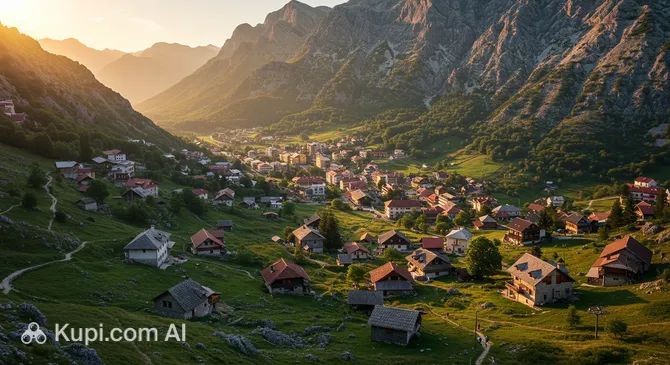
Zabljak. Illustration.
Source: Kupi.com AI

The main magnet for tourists is, of course, Durmitor National Park, a UNESCO World Heritage site. Here, breathtaking landscapes, crystal-clear glacial lakes—most notably the famous Black Lake (Crno Jezero)—and majestic mountain peaks await you. Nearby flows the Tara River, forming one of the deepest canyons in the world, which attracts fans of rafting and outdoor activities.

The climate in Žabljak is typically mountainous: summers are moderately warm, perfect for hiking, mountaineering, and exploring the surroundings, while winters are snowy and long, turning the resort into a popular destination for skiing and winter sports. The town offers a variety of accommodation options, from cozy guesthouses to modern hotels, as well as restaurants serving traditional Montenegrin cuisine.

If you are looking for a place to reconnect with nature, engage in active recreation, or simply want to enjoy the silence and beauty of mountain landscapes, Žabljak will be a true discovery for you. This corner of Montenegro offers unforgettable impressions and a boost of energy at any time of year.

You can find more interesting facts on the history of Žabljak page.
Weather Overview

Weather in Žabljak is characterized by distinct seasons typical for a mountain region. Summers are moderately warm, with average temperatures in July and August around 17-18°C, while maximum values can reach 22-23°C. Winters are cold and snowy, with the average temperature in January dropping to -2.7°C, and minimums reaching -6°C. Precipitation is distributed throughout the year, with the highest number of rainy days occurring in May, and snowy days in the winter months. Expect a pleasant summer with a chance of rain and cold, snowy winters ideal for winter sports. You can find more detailed information on the Climate of Žabljak page.

Average monthly temperature

Average monthly precipitation

Interesting Facts

In addition to its famous ski slopes and proximity to Durmitor National Park, Žabljak holds several interesting stories and facts that not all tourists know about.

  • A Name with History: Few people know that Žabljak did not always have its current name. Originally, the settlement was called Varezina Voda, presumably due to an abundant spring. Later, it was known as Anovi (or Hanovi), as it served as a resting place for trade caravans. The town officially became Žabljak only in 1870, and it is believed the name comes from the abundance of frogs ("žaba" in Serbian) in the surrounding waters.

  • The Dual Nature of Black Lake: The famous Black Lake (Crno Jezero), one of Durmitor's main gems, actually consists of two lakes — Big (Veliko) and Small (Malo). In summer, when the water level drops, the narrow strait between them dries up, and they become two separate bodies of water. In winter, they merge again into a single icy mirror.

  • The "Mountain Eyes" of Durmitor: The eighteen glacial lakes scattered throughout Durmitor National Park are poetically called "Gorske Oči" (Mountain Eyes) by locals. Each is unique in color, shape, and setting, creating a unique kaleidoscope of natural beauty.

  • The Legend of the Brewery and Modern Treats: There is a legend that one of the highest craft breweries in the Balkans once operated near Žabljak. While this is hard to confirm, today you can certainly enjoy refreshing drinks and local cuisine in the town's cozy establishments, such as Restaurant Or'O or Taverna Nostalgija.

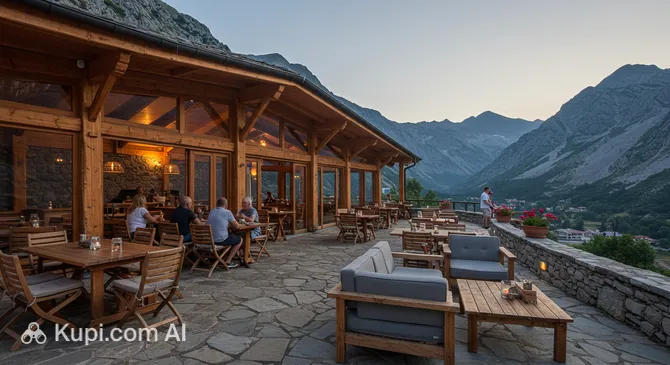
Restaurant Or'O. Illustration.
Source: Kupi.com AI

Traveler photos:

How to Get There

Reaching Žabljak, located in the mountainous heart of Montenegro, can be done in several ways; however, the most popular and convenient is flying to one of the nearest airports followed by a transfer by car or bus. The town itself does not have its own airport or railway station.

The main international airports serving the Žabljak direction are located in neighboring cities of Montenegro, as well as in Croatia and Bosnia and Herzegovina. The most convenient for a trip to Žabljak are:

Podgorica Airport (TGD) – the main international airport of Montenegro, located in the capital city, Podgorica. The distance to Žabljak is about 89 km. A trip by car or taxi will take approximately 2 – 2.5 hours. You can also reach it from the airport by bus, though this may require a transfer in Podgorica.

Tivat Airport (TIV) – another major Montenegrin airport, located on the Adriatic coast in the city of Tivat. It is about 89.5 km from Žabljak. The drive from here also takes about 2 – 2.5 hours and passes through scenic mountain serpentines. This airport is especially popular during the summer tourist season.

Dubrovnik Airport (DBV) in Croatia is also a convenient arrival point. It is located approximately 96 km from Žabljak. The journey from here, including the border crossing, usually takes about 2.5 – 3 hours. This large international airport offers many flights from various countries.

For clarity, here is a summary of the main airports through which you can reach Žabljak:

AirportPassenger trafficDistance
Podgorica Airport1.8 mln89 km
Tivat Airport1.1 mln89 km
Dubrovnik Airport3.0 mln96 km
Sarajevo International Airport1.8 mln98 km
Mostar Airport20 539105 km

There is no direct railway connection to Žabljak. The nearest railway stations are quite far away, making this method less preferred for most travelers heading directly to Žabljak. For example, Durrës Railway Station in Albania is about 206 km away, and Brindisi Railway Station in Italy is nearly 300 km away (plus the need for a ferry crossing). From these stations, a long transfer by bus or car would be required.

Information about some remote railway stations:

StationPassenger trafficDistance
Durres Railway Station2 000206 km
Bari Centrale Station14 mln293 km
Brindisi Railway Station2.5 mln297 km

Many tourists prefer to reach Žabljak by car, rented at the airport or in one of the major cities. The roads leading to Žabljak pass through very picturesque mountainous terrain, especially the route through the Tara River Canyon or the road from Nikšić. Road quality is generally good, but in winter, some sections can be snowy or require the use of winter tires and chains. You can also reach Žabljak by intercity buses from Podgorica, Nikšić, and other Montenegrin cities. Bus service is regular, but it's better to check the schedule in advance, especially during the off-season.

Main Attractions

Žabljak, as the heart of mountain tourism in Montenegro, primarily offers travelers natural treasures. The main attractions of the town and its surroundings are majestic mountains, crystal lakes, and deep canyons that can impress even the most seasoned tourist.

Undoubtedly, the crown jewel of the region is Durmitor National Park, a UNESCO World Heritage site. This vast massif encompasses mountain peaks, glacial lakes, dense forests, and unique ecosystems. Tourists are drawn by numerous hiking trails of varying difficulty, opportunities for mountaineering, bird watching, and simply enjoying the untouched nature and breathtaking panoramas. In winter, the park transforms into a popular ski resort, offering excellent conditions for skiing.

Among the 18 glacial lakes of Durmitor, known as "Mountain Eyes," the most famous and visited is Black Lake (Crno Jezero). Located just a few kilometers from the center of Žabljak, it consists of two parts connected by a narrow strait – the Great and Small Lakes. Its emerald waters, framed by dense coniferous forest and majestic mountains, create a truly fairytale landscape. A picturesque three-kilometer trail circles the lake, ideal for leisurely walks, and in summer, you can rent a boat to enjoy the views from the water.

Another natural wonder drawing thousands of tourists to Žabljak is the Tara River Canyon. Being the deepest canyon in Europe and the second deepest in the world after the Grand Canyon, it offers unforgettable experiences. The most popular activity here is rafting on the turbulent and crystal-clear Tara River, but you can also enjoy stunning views from numerous observation decks or test yourself on a zipline stretched across the canyon, for example, near the famous Đurđevića Tara Bridge.

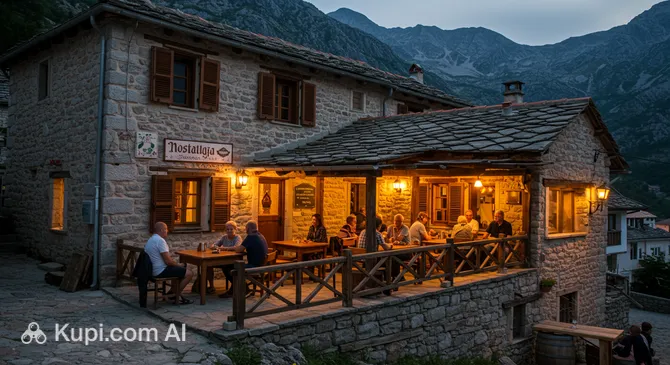
After a full day in nature exploring the beauties of Durmitor, it is pleasant to relax and enjoy the local cuisine. There are several wonderful places in Žabljak where you can try traditional Montenegrin dishes. For instance, you can stop by Restaurant Or'O, known for its cozy atmosphere and high-quality European and local dishes, or visit Taverna Nostalgija, which serves authentic Montenegrin cuisine in a traditional style, creating an atmosphere of home hospitality.

Nostalgia Tavern. Illustration.
Source: Kupi.com AI

Traveler photos:

Local Cuisine

The cuisine of Žabljak is a reflection of its mountain location and traditional way of life. Here, hearty, simple, but incredibly delicious dishes prepared from the freshest local ingredients await you. The basis of local gastronomy is meat (especially lamb and veal), dairy products (cheese, kajmak), potatoes, and various grains. Dishes are often cooked over an open fire or in an oven, which gives them a special aroma.

Be sure to try kačamak – a thick corn or wheat porridge served with cheese and kajmak (clotted cream). Another iconic dish is lamb under the sach (sač), tender meat slow-cooked under a special metal lid covered with coals. Various types of homemade cheeses, pršut (cured meat—though the famous Njeguši pršut comes from another part of Montenegro, local variations are also worth noting), and thick meat soups (čorbas) are also popular.

Among drinks, it's worth noting homemade juices from forest berries, herbal teas collected on the slopes of Durmitor, and, of course, the purest spring water. Popular alcoholic beverages include rakija – a strong fruit brandy, especially šljivovica (plum) or lozovača (grape), as well as local beer varieties and Montenegrin wines, which perfectly complement a meal.

The food culture in Žabljak is centered around traditional restaurants called "konoba," where a cozy home atmosphere prevails. Here you can taste authentic dishes prepared according to old recipes. Street food is not as common as in large cities, but fresh local products can be found at small markets. Tourists and locals alike value the opportunity to enjoy quality food in establishments such as Restaurant Or'O, which offers both local and European dishes, or Taverna Nostalgija, known for its authentic Montenegrin cuisine and hospitality.

The gastronomic scene in Žabljak attracts tourists with its authenticity, use of eco-friendly products, and the chance to try real mountain cuisine. Hearty and aromatic dishes like kačamak or lamb under the sach will not only satisfy your hunger after an active day in the mountains but also provide unforgettable taste experiences, introducing you to the culinary traditions of this picturesque corner of Montenegro.

Travel Tips

Planning a trip to the amazing Žabljak? To ensure your journey through this mountainous region of Montenegro goes smoothly and leaves only the warmest memories, we have prepared some practical tips for you.

  1. Clothing and Essentials: Given Žabljak's mountain climate, even in summer, evenings can be cool. Bring layered clothing: T-shirts, a fleece, a windbreaker, and a raincoat. In winter, a warm jacket, hat, gloves, and thermal underwear are mandatory. A key element is comfortable, waterproof footwear with good grip for hiking. Don't forget sunscreen and sunglasses (the sun is intense in the mountains), as well as a power adapter (Type F, like in most of Europe). There is no specific dress code for visiting local Orthodox churches, but you should show respect upon entry and dress modestly (covered shoulders and knees).
  2. Transport: Žabljak itself is a small town, and its center is easy to explore on foot. There is practically no public transport within the town. For trips to remote attractions in Durmitor National Park or the Tara Canyon, it's most convenient to rent a car (especially if you plan to move around the area a lot) or use taxi services. Taxis can be found in the center or ordered by phone through your hotel or apartments. In summer, bike rentals are also popular for exploring the outskirts.
  3. Finances: The official currency in Montenegro is the Euro (EUR). You can exchange other currencies for Euros at banks or exchange offices in Žabljak, but their number is limited and the rate may be less favorable than in larger cities, so it's best to take care of exchange in advance. Credit and debit cards (Visa, Mastercard) are accepted in most hotels, restaurants, and some shops. However, always carry some cash, especially for small souvenir shops, markets, or when paying for services in rural areas. There are ATMs in Žabljak. Tips are usually 5-10% of the bill in restaurants if you enjoyed the service, but are not strictly mandatory. An approximate daily budget (excluding accommodation and expensive activities like rafting) is about 30-50 euros per person.
  4. Health and Safety: There is a pharmacy (apoteka) and a medical point (Dom zdravlja) in Žabljak. However, the choice of medications may be limited, and the pharmacy may not be open 24/7, so it's recommended to bring a basic first-aid kit. Be sure to take out travel medical insurance before your trip that covers active recreation if you plan mountain hiking or rafting. Žabljak is generally a very safe place. Main precautions relate to active recreation in the mountains: do not leave marked trails without an experienced guide, always inform someone of your plans and routes, monitor the weather forecast (it can change quickly in the mountains), and carry a fully charged mobile phone. It's best not to leave valuables unattended.
  5. Communication: The official language is Montenegrin (close to Serbian). Many locals, especially the younger generation and those working in tourism, understand and speak English reasonably well. You may also encounter those who understand Russian. Learning a few basic phrases in the local language (e.g., "Dobar dan" - Good day, "Hvala" - Thank you, "Molim" - Please/You're welcome) will be a pleasant gesture and help with communication. A SIM card with mobile internet can be purchased at kiosks or offices of local mobile operators. Wi-Fi is available in most hotels, guesthouses, cafes, and restaurants. For trail navigation, it's useful to have offline maps (like Maps.me).
  6. Local Etiquette: Montenegrins are known for their hospitality and friendliness. It is customary to say hello ("Dobar dan" during the day, "Dobro veče" in the evening). Politeness and a calm tone are valued in communication. If you are invited to someone's home, a small token of appreciation (like sweets or a beverage) would be appropriate. In general, norms of behavior are similar to general European ones. Try to avoid controversial political topics in conversations with locals.
  7. What to Avoid: Firstly, it is categorically recommended not to leave trash in Durmitor National Park and other natural areas – this harms the unique ecosystem and is a sign of disrespect. Secondly, when photographing local residents, especially the older generation or in rural areas, always ask for permission.
  8. Additional Tip: If you plan to visit Žabljak at the height of the summer season (July-August) and want to engage in popular activities like Tara River rafting, canyoning, or a Jeep safari through Durmitor, it's recommended to book tours in advance, as spots can be limited. Also, be sure to try local seasonal berries (blueberries, raspberries, lingonberries) and homemade cheeses often sold at small markets or by the roadside – it's the real taste of mountain Montenegro!

We hope these tips help you better prepare for your trip to Žabljak and enjoy every moment of your stay in this picturesque corner of Durmitor. Have a wonderful holiday and unforgettable experiences!

Entertainment & Nightlife

In the evening, Žabljak offers its guests an atmosphere of comfort and tranquility, ideal for relaxing after an active day in nature. Here you won't find noisy nightclubs or districts with vibrant nightlife like in large cities. Instead, evening entertainment is centered around hospitable restaurants, traditional konobas, and cafes where you can enjoy dinner, a glass of local wine, or a cup of a hot beverage. Most evening activity is concentrated in the town center along the main street.

The atmosphere in Žabljak's establishments is predominantly relaxed and friendly. The crowd here consists of tourists enjoying their mountain getaway and local residents. The style of most places is casual, often featuring elements of national character in the interior. There is no specific dress code; comfortable everyday clothing is encouraged. Establishments usually stay open until late evening but not until the early hours of the morning, which matches the general rhythm of life in a mountain resort.

For a pleasant evening leisure, there are several great spots in Žabljak. For example, Restaurant Or'O offers guests delicious food and a cozy setting to spend the evening. Another popular place is Taverna Nostalgija, known for its authentic Montenegrin cuisine and warm atmosphere where you can sample local specialties and drinks.

Regarding practical matters, the best time for an evening out is after dinner, when you can leisurely enjoy drinks and conversation. Prices in Žabljak's establishments are generally moderate. Since the town is small, it is easiest to get around the central part on foot. If your accommodation is further away, you can use local taxi services, which are best ordered in advance through your hotel or restaurant.

Žabljak is a very quiet and safe town, and evening walks along its lit central streets usually cause no concern. However, it is always wise to follow standard precautions. If necessary, a taxi can be called by phone.

As for daytime entertainment, Žabljak is primarily famous for its outdoor activities: hiking the trails of Durmitor National Park, exploring glacial lakes like the famous Black Lake, or rafting on the Tara River. You won't find classic theaters, large museums, or noisy amusement parks in this compact mountain settlement, as its main charm lies precisely in its connection with nature and active recreation.

Parks & Museums

Žabljak is a place where nature itself acts as the main park and museum. Although the town is better known for its active forms of recreation, there are places to enjoy the peace of green zones and touch the local culture, which is closely intertwined with the majestic landscapes of Durmitor.

The primary area for walks and outdoor relaxation accessible to everyone is the territory around the famous Black Lake. This is not just one of the main attractions, but a real natural park in miniature, located just a few kilometers from the center of Žabljak. The well-maintained trail encircling the lake is perfect for leisurely walks, family vacations, contemplating the Durmitor peaks reflecting in the crystal-clear water, and picnics. In summer, you can rent a boat here. Of course, the entire Durmitor National Park, where Žabljak is located, represents a massive natural zone. Numerous trails starting directly from the town or its immediate vicinity lead through coniferous forests and alpine meadows, offering routes for both easy walks and serious hikes.

If we talk about museums and cultural sites in a more traditional sense, in Žabljak, you should pay attention to the Regional Museum of the Durmitor Area (Zavičajni muzej Durmitorskog područja). This is a place where you can get more deeply acquainted with the region's rich history, unique ethnography, and the traditions of the highlanders who inhabited these lands for centuries. The museum's exhibits usually include household items, national costumes, tools, photographs, and archaeological finds that tell about life in the harsh but beautiful conditions of Durmitor. Also, the Durmitor National Park Visitor Center plays an important role in introducing visitors to the nature and culture of the region. In addition to tourist information, it often organizes educational exhibitions dedicated to the park's geology, flora, fauna, and ecology, making it a kind of interactive natural science museum and an excellent starting point for exploration.

Furthermore, the authentic traditional architecture of the region, especially the characteristic mountain houses known as savardaks and summer pastoral settlements – katuns, scattered along the slopes of Durmitor, are themselves living ethnographic exhibits. In some parts of the Durmitor region, you can also discover stećci – unique medieval tombstones listed as UNESCO World Heritage sites, serving as silent witnesses to the centuries-old history of these lands.

For a truly authentic experience and a deeper immersion into local culture, inquire about visiting one of the active katuns during the summer season. This is not only a chance to see the traditional way of life of shepherds but also to try fresh homemade dairy products. Occasionally in Žabljak, you can catch small temporary exhibitions by local craftsmen or artists, which add cultural color to your stay.

Getting Around

Getting around Žabljak and its immediate surroundings is fairly simple given its compact size. The town itself is easily explored on foot, which allows you to enjoy its atmosphere and views. There is no classic urban public transport system in Žabljak, such as a metro, trams, or an extensive network of trolleybuses and city buses, which is typical for small mountain resorts.

To visit more distant natural attractions like Durmitor National Park, Black Lake, or the Tara River Canyon, tourists typically use a few options. Taxis are an accessible and popular way to get around; they can be found in the town center or booked through your hotel. There are also intercity buses that connect Žabljak with other cities in Montenegro. These buses can be useful for reaching some points on the outskirts of the region, but their schedules should be checked in advance, especially in the off-season. Many travel agencies offer organized excursions and transfers to popular spots, which is a convenient option that requires no independent route planning.

The payment system for transportation in Žabljak is straightforward. For taxi rides, payment is made in cash to the driver, usually by meter or by agreement for long trips. Tickets for intercity buses are purchased at the small bus station or directly from the driver. There are no complex travel card systems or mobile payment apps for transport in Žabljak itself. It is recommended to always carry enough cash in Euros, especially for transport and small purchases.

As an alternative for exploring the nearby surroundings, particularly in summer, bicycle rental is popular. It is a great way to enjoy nature at your own pace. While there is no car-sharing in Žabljak, renting a car at the arrival airport or in larger cities remains a good option for those who value independence in their movements. The main advice for tourists is to plan your trips in advance, especially if you rely on bus connections, and be prepared that the primary way to travel short distances is your own two feet or a taxi.

Accommodation

In Žabljak, you will find a variety of accommodation options suitable for any budget and preference. The town offers a wide selection: from budget hostels and cozy private apartments to guesthouses, small hotels, and comfortable mountain cottages. Most housing options are concentrated within the town or in its immediate vicinity, providing easy access to the main tourist routes leading to Durmitor National Park and the famous Black Lake.

The most popular choices among tourists are private apartments (apartmani) and rooms in guesthouses (sobe), which often offer homey comfort and a chance to experience local hospitality. Many are equipped with kitchens, convenient for self-catering. There are also small family hotels and pensions in Žabljak that provide more traditional hotel services, often including breakfast. For those seeking privacy and full immersion in nature, wooden cottages (brvnare) or villas located slightly away from the center are an excellent choice.

When planning a trip to Žabljak, especially during the peak tourist season (summer months and the winter ski period), it is highly recommended to book accommodation in advance. This will allow you to choose the best option in terms of price and quality. The price range varies from budget options to mid-range and higher-class comfort accommodations. You can book stays through popular international online booking platforms or directly by contacting apartment owners or hotels.

Nearby Cities

For those who want to explore the surrounding area, Žabljak serves as an excellent starting point for day trips. Here are a few interesting nearby places worth visiting:

Pljevlja (about 29 km from Žabljak): This city attracts with its rich history and cultural heritage. Here you can see the impressive Husein-pasha Mosque from the 16th century, one of the most beautiful Islamic monuments in the Balkans, and the ancient Monastery of the Holy Trinity. Pljevlja is also a gateway to the picturesque surroundings of northern Montenegro.

Nikšić (about 44 km from Žabljak): The country's second-largest city, Nikšić offers a combination of industrial heritage and natural beauty. Tourists can visit the Tsar's Bridge (Carev Most), walk by Lake Krupac, known as the "Nikšić Sea," or take a tour of the famous Trebjesa Brewery, where Nikšićko beer is produced.

Podgorica (about 81 km from Žabljak): A trip to the capital of Montenegro allows you to get acquainted with the administrative and cultural center of the country. Podgorica offers sights such as the Millennium Bridge, the ruins of the ancient city of Doclea, the old Turkish quarter Stara Varoš, and the modern Cathedral of the Resurrection of Christ. The city is also famous for its parks and lively cafe atmosphere.

Below is a table with information about some other nearby cities that may also be of interest for day trips from Žabljak:

CityPopulationDistance
Savnik47222 km
Pluzine1 34123 km
Pljevlja19 13629 km
Mojkovac10 06643 km
Niksic56 97044 km

These and other nearby destinations allow for a deeper acquaintance with the diverse culture, history, and natural landscapes of Montenegro, enriching your journey starting from Žabljak.

Shopping & Souvenirs

Žabljak is not the kind of town you visit for massive shopping and the latest collections from world brands. However, if you value authentic items, local products, and souvenirs with soul, you can find several interesting purchases here. Shopping in Žabljak is more of a pleasant addition to your outdoor holiday, a chance to take a piece of Montenegro's mountain charm home with you.

Main shopping opportunities in Žabljak are concentrated in its central part. Here, along the main street and on adjacent small side streets, you will find several souvenir shops, grocery stores, as well as shops offering outdoor gear and essentials. Don't expect large shopping streets with famous brand displays; shopping here is of a more intimate and local character.

Large modern shopping centers, familiar to residents of megacities, are not found in Žabljak. The town retains its cozy atmosphere, and the commercial infrastructure matches its size and status as a mountain resort. Instead of malls, small private shops and stalls prevail.

A small local market (pijaca) may operate in Žabljak, particularly active during the summer season. At such a market, you can find fresh seasonal fruits, vegetables, forest berries, homemade cheeses (including the famous kajmak and skorup), honey, and products made by local artisans. It is a great place to buy edible souvenirs and feel the local flavor.

As souvenirs from Žabljak, tourists most often bring home:

  • Woolen products: warm knitted socks, sweaters, hats, and handmade mittens – very relevant given the mountain climate.
  • Wooden crafts: various souvenirs carved from wood by local masters.
  • Gastronomic souvenirs: local honey (especially forest or mountain honey), homemade jam from wild berries (blueberries, lingonberries), herbal teas collected on the slopes of Durmitor, and, of course, homemade rakija or local liqueurs.
  • Durmitor-themed souvenirs: T-shirts, magnets, postcards, maps, and books about the national park.

Shops in Žabljak usually follow a standard European schedule, roughly from 9:00-10:00 to 20:00-21:00. Some small stalls may have a lunch break or shorter hours on Sundays, especially in the off-season. The official currency in Montenegro is the Euro (EUR). In most shops and souvenir stalls, cash is preferred, though some larger outlets and supermarkets may accept bank cards. It is recommended to always have some cash with you.

Regarding the Tax Free system, it exists in Montenegro for tourists from non-EU countries when purchasing goods for a certain amount in one shop. If you plan on significant purchases, check with the sellers about the possibility of issuing a Tax Free check. To receive a refund, you will need to present the checks and goods at customs when leaving the country.

Reached the end of the page?

That means the route is fully explored