Support

Pluzine

About

Plužine is a small but incredibly picturesque town nestled in the northwest of Montenegro. It enchants visitors with its peaceful atmosphere and stunning natural landscapes, serving as a true gem for enthusiasts of tranquil getaways and active tourism in the heart of nature.
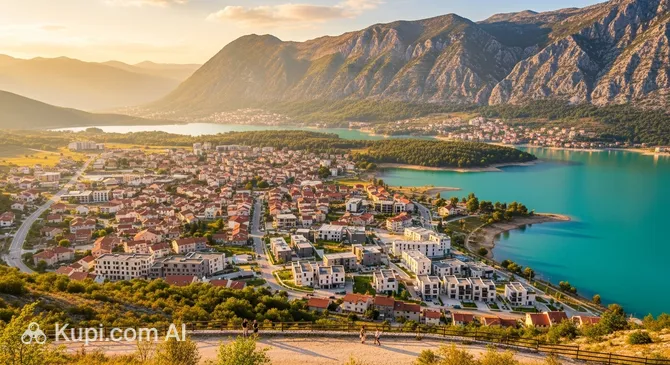
Pluzine. Illustration.
Source: Kupi.com AI

The town is the administrative center of the Plužine municipality and has about 1,300 residents. Its unique geographical location on the shores of the breathtaking Piva Lake, surrounded by the high peaks of the Dinaric Highlands, determines its mild mountain climate and makes it attractive year-round. Plužine was actually relocated to its current site in the 1970s during the construction of the Piva Hydroelectric Plant and the creation of the reservoir, giving its modern section a distinctive layout.

The main attraction and magnet for tourists is Piva Lake itself—the largest freshwater reservoir in the Balkans, offering wonderful opportunities for boating, kayaking, fishing, or simply enjoying the panoramic views. Not far from Plužine lies the famous Durmitor National Park, a UNESCO World Heritage site, making the town a convenient base for exploring its canyons, lakes, and peaks. It is also worth visiting the 16th-century Piva Monastery, which was carefully moved stone by stone to its new location when the old Plužine was flooded, preserving its priceless frescoes and cultural significance.

If you are looking for solitude, inspiration from natural beauty, and opportunities for outdoor activities, Plužine will be a true discovery for you. This hospitable Montenegrin town will provide unforgettable impressions and a desire to return again.

You can find more interesting facts on the Plužine city history page.

Weather Overview

The weather in Plužine is determined by its mountainous location and is characterized by a moderate continental climate. In summer, it is usually warm and sunny: the average temperature in July and August is about +18...+19°C, and daytime highs can reach +23...+24°C. Winters in Plužine are cold, with the average January temperature around -1.9°C, and frosts and snowfalls are common. Overall, expect a warm summer with occasional rain and cold, snowy winters. The least amount of precipitation (about 2 mm) falls in July and August, while the most (about 6 mm) occurs in November.

To better plan your trip, we recommend checking out the detailed information on the Plužine Climate page.

Average monthly temperature

Average monthly precipitation

Interesting Facts

Beyond the picturesque landscapes of Piva Lake and the surrounding mountains, Plužine holds several surprising stories and facts that make it even more special for the curious traveler:

  • Total "Rebirth" of the Town: The current Plužine is a town that was literally moved to a new, higher location in the 1970s. The old town was located in a flood zone during the construction of the Piva Hydroelectric Plant and the formation of the massive Piva Lake. This was a large-scale project to relocate the entire settlement, not just individual buildings.

  • Saving a Sanctuary with Surgical Precision: Along with the town, the famous 16th-century Piva Monastery also "moved." To preserve this gem of medieval architecture and spirituality, it wasn't just relocated; it was dismantled stone by stone, along with every fresco, and recreated with incredible precision at its new, safe location. This unique operation took over ten years (from 1969 to 1982).

  • An Engineering Marvel Nearby: The reason for Plužine's "move" and the creation of Piva Lake was the Mratinje Dam on the Piva River. At the time of its completion in 1975, it was one of the highest arch dams in Europe, reaching 220 meters in height. This grand structure still impresses today with its sheer scale.

  • Planned Youth: Unlike most ancient European towns that grew and changed organically over centuries, modern Plužine was designed and built "from scratch" in a relatively short period. This gives it a unique, more orderly layout that contrasts with the wild beauty of the surrounding mountains.

How to Get There

There are several ways to reach the picturesque town of Plužine, mainly through international airports located both in Montenegro itself and in neighboring countries, followed by overland transport. Given the mountainous terrain, the journey to Plužine can be an exciting part of your adventure in its own right.

The main route for most tourists is by air. The nearest airports offer various connection and flight options:

  • Dubrovnik Airport (IATA: DBV) in Croatia is one of the most convenient options. This is a major international airport located approximately 81 km from Plužine. A trip by car or taxi from the airport to Plužine will take roughly 2 hours and 20 minutes, including potential time for border crossing.

  • Tivat Airport (IATA: TIV) is a popular choice for those arriving directly in Montenegro. This major airport is about 84 km from Plužine. The drive from Tivat to Plužine takes approximately 2 hours and 25 minutes, following scenic Montenegrin routes.

  • Podgorica Airport (IATA: TGD), in the capital of Montenegro, is also an important transport hub. It is located slightly further away, about 95 km from Plužine. A car journey from Podgorica Airport to Plužine usually takes about 2 hours and 40 minutes.

From any of these airports, Plužine can be reached by rental car, taxi, or by using transfer services. It is recommended to check bus schedules in advance if you plan to use public transport, as direct routes may be infrequent.

For convenience, here is a summary of the main airports from which you can reach Plužine:

AirportPassenger trafficDistance
Dubrovnik Airport3.0 mln81 km
Mostar Airport20 53982 km
Tivat Airport1.1 mln84 km
Sarajevo International Airport1.8 mln85 km
Podgorica Airport1.8 mln94 km

Although there is no railway station in Plužine itself, you can consider arriving by train in larger cities in neighboring countries, from where further transfer will be required.

  • Brindisi Railway Station in Italy is located at a significant distance, about 290 km from Plužine. This is a medium-traffic hub. From Brindisi to Plužine, a long journey awaits (approximately 7 hours and 30 minutes by car), which will require crossing the Adriatic Sea (for example, by ferry to Montenegro or Albania) and further overland travel.

  • Durrës Railway Station in Albania is closer, approximately 210 km from Plužine. This is a small station. The journey from Durrës to Plužine is also significant (about 5 hours and 30 minutes by car) and will require further planning for an overland transfer, including a border crossing.

Overall, traveling by rail to the nearest hubs followed by a transfer to Plužine is a less direct method and requires careful logistical planning.

Here is a summary of the railway stations that can be considered as part of the route:

StationPassenger trafficDistance
Durres Railway Station2 000210 km
Bari Centrale Station14 mln279 km
Brindisi Railway Station2.5 mln290 km

The most common and convenient way to get to Plužine is to fly into one of the nearest airports and then continue the journey by car. This allows you to enjoy the beautiful views along the way and provides flexibility for moving around the region.

Main Attractions

Plužine and its surroundings offer travelers an amazing combination of breathtaking natural landscapes and significant cultural-historical sites. Each attraction here tells its own unique story, inviting exploration and new discoveries, offering a deeper experience than just a superficial acquaintance.

The jewel of the region is undoubtedly Piva Lake. To truly immerse yourself in its atmosphere, consider renting a small boat or kayak—this will allow you to explore secluded bays and enjoy the reflection of the majestic mountains in the crystal-clear water. Fishing enthusiasts will appreciate the clarity of the waters, though it is recommended to check local regulations and permit requirements in advance. The lake's shores also abound with spots perfect for a quiet picnic or simply contemplating the surrounding scenery. Many come here for the sense of peace and the chance to take stunning photos, especially at sunrise or sunset when the light is particularly soft.

Be sure to visit Piva Monastery to touch upon its rich history and spirituality. Inside, carefully preserved medieval frescoes await, striking in their craftsmanship and detailed biblical scenes. Remember the requirement for respectful attire (shoulders and knees must be covered) when entering this sanctuary. The monastery's atmosphere invites quiet contemplation, and its history—especially the story of the incredible relocation of the building to a new site—serves as a vivid example of the careful preservation of cultural heritage. Visitors can also find information about opening hours at the entrance or on information stands.

Plužine is a convenient starting point for exploring the southern and western parts of Durmitor National Park, a UNESCO World Heritage site. From here, you can take scenic drives toward the Tara River Canyon, one of the deepest in the world, and perhaps organize an exciting rafting trip (usually available from May to October, booking in advance is recommended). Numerous hiking trails of varying difficulty begin within reach, leading to peaks like Prutaš or allowing for the exploration of less-known corners of the park. Before hiking, be sure to check trail conditions and the weather forecast, and for more challenging routes, consider hiring a local guide. Don't forget that an entry fee is usually charged for the national park, which goes toward maintaining its infrastructure.

A visit to the Mratinje Dam provides an impressive contrast to the natural beauty, showcasing a grand engineering feat. Standing near this colossal structure, which reaches a height of 220 meters, you can fully appreciate its scale and power. From the upper points of the dam, breathtaking views open up of the Piva River canyon below and the vast expanse of Piva Lake. This is an excellent spot for photos, especially on a clear day. While access to the interior of the dam is generally restricted to the public, the external observation decks are usually accessible and leave an unforgettable impression of how human ingenuity has transformed this region.

Local Cuisine

The gastronomy of Plužine is a true immersion into the authentic flavors of mountainous Montenegro. Local cuisine is characterized by its heartiness, the use of the freshest local products, and age-old traditions. Here you won't find the refinements of haute cuisine, but you will be able to enjoy simple yet incredibly delicious dishes prepared with soul.

Be sure to try the fresh river trout (rečna pastrmka), caught in the crystal-clear waters of Piva Lake. It is usually grilled or fried and served with a simple side dish. Another iconic dish of the region is kačamak—a thick porridge made of cornmeal, often served with homemade cheese and kaymak (clotted cream). You should also look for meat dishes, especially lamb or veal "under the sač"—meat slow-cooked under a special metal dome covered with hot coals, which results in incredibly tender and aromatic meat. Don't miss the chance to try the famous Montenegrin pršut (dry-cured ham) and various types of homemade cheeses.

For drinks, it's worth tasting the local rakija—a strong fruit brandy that is an integral part of Montenegrin hospitality. Montenegrin wines are also popular, such as the red Vranac or white Krstač, along with the local Nikšićko beer. Among non-alcoholic beverages, mountain tea made from healing herbs, homemade juices and compotes, and refreshing kiselo mleko (sour milk) stand out.

Food culture in Plužine centers around small family restaurants and traditional taverns known as konobas. It is here that you can fully experience local hospitality and try dishes prepared according to old recipes. The emphasis is always on the freshness of ingredients: meat from local farmers, fish from the lake, and vegetables and fruits from nearby gardens. The gastronomic scene in Plužine is about coziness, a homey atmosphere, and authentic flavors that linger in the memory for a long time.

Travel Tips

Planning a trip to charming Plužine? Wonderful! To ensure your journey through this picturesque corner of Montenegro is as comfortable as possible and leaves only pleasant impressions, we have prepared some practical tips for you.

  1. Clothing and Essentials by Season: The weather in Plužine is mountainous, so even in summer, evenings can be cool. Bring layers of clothing. Comfortable shoes for walking and hiking, a raincoat, or a light jacket are essential. In summer, don't forget sunscreen, a hat, and sunglasses. When visiting Piva Monastery, modest clothing covering shoulders and knees is required. Electric sockets here are standard European (type F), so an adapter is likely unnecessary if you are traveling from Europe.

  2. Getting Around Plužine and Surroundings: Plužine itself is a small town, and its center is easy to explore on foot. However, for exploring stunning surroundings like Piva Lake or Durmitor National Park, renting a car is highly recommended. This will give you freedom of movement. Taxis can be ordered through the hotel or local services, but their numbers are limited. Public transport connects Plužine with other cities, but departures can be infrequent.

  3. Financial Matters: The official currency in Montenegro is the Euro (EUR). It's best to exchange currency at banks or official exchange offices in larger cities on your way to Plužine, as opportunities in the town itself may be limited. Credit cards (Visa, Mastercard) are accepted in most hotels and some restaurants, but cash is absolutely necessary for small cafes, markets, souvenirs, and in rural areas. There may be an ATM in Plužine, but it's better not to rely solely on it and have some cash reserve. Tips in restaurants are usually 5-10% of the bill if you enjoyed the service; it is also customary to round up the fare in taxis.

  4. Health and Safety: Plužine is a very quiet and safe place. There is a pharmacy (apoteka) in town, but its stock and hours may be limited. For basic medical care, there is a local medical center (dom zdravlja). Be sure to take out travel medical insurance before your trip. If you plan on hiking in the mountains, exercise caution, choose routes within your abilities, inform others of your plans, and monitor the weather forecast.

  5. Language and Communication: The official language is Montenegrin (very similar to Serbian, Croatian, and Bosnian). In the tourism sector (hotels, some restaurants), staff may speak English, but overall, the level of foreign language proficiency, especially among the older generation, may be low. Learn a few basic phrases: "Zdravo" (Hello/Hi), "Hvala" (Thank you), "Molim" (Please/You're welcome), "Da/Ne" (Yes/No). Wi-Fi is available in most hotels and cafes. A local SIM card for mobile internet can be purchased in major cities.

  6. Local Etiquette and Traditions: Montenegrins are known for their hospitality. When meeting, a handshake is common. Show respect for local customs and traditions, especially when visiting religious sites like Piva Monastery. A slow pace of life is part of the local color, so relax and enjoy the moment.

  7. What to Avoid: Try not to litter, especially in the unique natural areas around Piva Lake and in Durmitor National Park—locals are very proud of their environment. Also, as in many countries, it is best to avoid discussing sensitive political and historical topics if you are not sure of the context.

  8. A Special Tip from Us: Be sure to set aside time for a boat trip on the emerald Piva Lake—the views from the water are simply breathtaking! Also, don't miss the chance to explore at least part of Durmitor National Park. And of course, visit Piva Monastery and learn about its amazing story of rescue and relocation—it will add depth to your journey.

We hope these tips help you better prepare for your trip and get the most enjoyment out of your stay in Plužine. We wish you unforgettable impressions of this peaceful and incredibly beautiful corner of Montenegro!

Entertainment & Nightlife

Plužine is primarily a place for a peaceful getaway amidst the majestic nature of Montenegro, and its entertainment scene perfectly reflects this spirit. Here, you won't find noisy nightclubs or districts bustling until dawn like in major tourist centers. Evening and nighttime entertainment in Plužine is more tranquil and intimate, allowing you to enjoy the silence, fresh mountain air, and the beauty of the surrounding landscapes.

The nightlife in Plužine has its own unique, quiet charm, far from the hustle and bustle of metropolises. Instead of specialized nightclubs and bars with loud music, evening leisure here takes place in the cozy atmosphere of local cafes and restaurants. These become the centers of attraction after sunset, offering guests a delicious dinner, a glass of local wine, or simply pleasant conversation. Many of these establishments boast terraces with views of Piva Lake or the surrounding mountains, making the evening particularly memorable. The atmosphere here is relaxed and friendly, perfect for unwinding. There are no specialized nightlife districts or large concert venues here, which only emphasizes the secluded character of the place.

While there is no specific list of nightlife venues with dedicated pages for this area, you will easily find several welcoming spots in the town center. Look for the signs of traditional "konobas" (taverns) or cafes offering local cuisine. Closing times for most establishments are usually around 10:00 PM or 11:00 PM. There is no strict dress code—comfort and informal style are valued.

When planning an evening out, keep in mind that Plužine is a very compact town, and most establishments are easily reachable on foot. This is the most convenient way to get around in the evening. The town is considered very safe, so night walks here are pleasant and worry-free. If you do need a taxi, it's best to arrange it in advance through your hotel or with locals, as specialized 24-hour taxi services may not be available. Average prices in cafes and restaurants are quite affordable, making an evening out even more pleasant.

As for daytime entertainment, Plužine offers many options for active and educational leisure. The main magnet is undoubtedly Piva Lake, where you can go boating, kayaking, or fishing. Hiking and nature lovers will appreciate the proximity to Durmitor National Park with its numerous trails and breathtaking views. For cultural enrichment, a visit to Piva Monastery, an important historical and spiritual monument, is a must. There are no specialized theaters, major museums, or amusement parks in Plužine itself, as the primary focus here is on natural beauty and peaceful relaxation.

Thus, entertainment in Plužine is ideal for those seeking peace, unity with nature, and the authentic atmosphere of a small Montenegrin town. Evenings here are a time for heartfelt conversations, enjoying delicious local food, and contemplating the incredibly starry sky over the mountain peaks.

Parks & Museums

Plužine, in addition to its breathtaking landscapes, offers guests a chance to discover a unique natural and cultural heritage that makes this corner of Montenegro truly special. Here, nature and history intertwine, creating a unique atmosphere for exploration and discovery.

The main natural attraction and the heart of the region is Piva Lake. This is not just a body of water, but a vast artificial lake created on the Piva River, which impresses with its scale and beauty. Its emerald waters, reflecting majestic mountain peaks, are ideal for leisurely boat trips, kayaking, fishing, or simply enjoying the silence and stunning panoramic views. The lake's shores offer many secluded spots for picnicking and contemplation.

In the immediate vicinity of Plužine lies the famous Durmitor National Park, a UNESCO World Heritage site. Although the town itself is not technically within its boundaries, it serves as a convenient base for exploring the southern and western parts of this natural wonder. Tourists can embark on hikes along numerous trails of varying difficulty, leading to glacial lakes, scenic canyons, and peaks offering breathtaking views. This is a true paradise for fans of active recreation, photography, and untouched nature.

A central cultural and historical site that is certainly worth visiting is the Piva Monastery (Manastir Piva). Founded in the 16th century, this monastery is unique not only for its beautifully preserved frescoes and rich treasury but also for its incredible history. To save it from flooding during the creation of Piva Lake, the monastery was completely dismantled, and every stone and fresco was carefully moved and recreated in a new, higher location. Today, it stands as a symbol of faith, resilience, and the careful treatment of priceless cultural heritage.

Although there are no large traditional museums or art galleries in Plužine, the town itself, in its modern form, can be seen as a kind of monument to engineering and human adaptation. Its total relocation in the 1970s due to the construction of the Mratinje Dam is a unique chapter in the history of urban planning, which the layout of the new Plužine still recalls. A visit to the Mratinje Dam itself, one of the highest arch dams in Europe, also makes a strong impression, demonstrating the power of human genius against the backdrop of wild nature.

For more authentic experiences, we suggest exploring less-known corners around Piva Lake, perhaps by renting a boat to travel to its remote inlets. Visiting small surrounding villages can also be an interesting experience, where you can touch upon the traditional way of life and enjoy local hospitality.

Getting Around

When planning your movement around Plužine and its picturesque surroundings, it is important to understand that this is a small and very cozy town where many distances are easily covered on foot. The public transport system here has its own specifics, oriented more toward connections with other settlements rather than intensive internal city movement.

The main form of public transport connecting Plužine with other cities in Montenegro is intercity buses. In Plužine itself, there is no extensive network of city bus routes, metro, trams, or trolleybuses—there is simply no need for them due to the town's compact size. Buses passing through Plužine or starting their route here will help you reach larger settlements. Schedules can be infrequent, so it is recommended to check them in advance at the small bus station (if available), from locals, or at your hotel. Fare is usually paid in cash directly to the driver or at the ticket office, if one exists. The cost of travel on intercity buses depends on the destination and should be clarified at the bus station or with the driver. There are no complex systems of travel passes, transport cards, or mobile apps for fare payment in Plužine.

For more local trips or to reach remote natural attractions, if you are not in your own car, you can use taxi services. The number of taxi cars in Plužine is limited, so it's better to arrange a ride in advance, for example, through your hotel or guesthouse. Always clarify the cost of the trip before it begins, as there may not be fixed tariffs.

Among alternative ways to get around, especially for exploring the region, the following stand out:

  • Car Rental: As mentioned in the travel tips, this is the most convenient way to explore the surroundings of Piva Lake and Durmitor National Park. A car provides maximum freedom and flexibility.

  • Bicycle Rental: During the summer season in Plužine or its surroundings, you might find the opportunity to rent a bicycle. This is a great option for leisurely rides along the lake or on nearby trails, allowing you to enjoy nature to the fullest. Check for rental availability at your accommodation or at tourist information points.

Options such as car sharing or developed city bike-share systems with automated stations are not available in Plužine. The main advice for tourists is to enjoy walking around the town itself, and for longer trips, plan on using buses or taxis, or consider a car rental for maximum comfort and independence in exploring this beautiful mountain region.

Accommodation

In Plužine, travelers will find a variety of accommodation options to suit different budgets and preferences, reflecting the authentic spirit of this mountainous region of Montenegro. The core offerings consist of cozy guesthouses (pensions), private apartments, and rooms for rent, which are often managed by local families and allow for a deeper immersion into the atmosphere of Montenegrin hospitality. You can also find small family hotels. While luxury resorts or large chain hotels are not to be expected here, the emphasis is on comfort, cleanliness, and a warm welcome.

Most accommodation options in Plužine are conveniently located either in the town itself, providing easy access to its modest but sufficient infrastructure, or in close proximity to Piva Lake, offering magnificent views of the water and the surrounding mountains. Given Plužine's compact size, almost any lodging will be within walking distance of cafes, shops, and excursion starting points.

The choice of accommodation in Plužine is ideal for those seeking a peaceful holiday in nature, who value silence and the opportunity to enjoy the beauty of the Dinaric Highlands. Instead of standard hotel complexes, options offering a more personal and heartfelt approach to each guest predominate here.

When planning a trip, especially during the peak tourist season (summer months), it is recommended to book accommodation in advance, as the number of available options is limited. The price range varies from budget offers in the private sector to mid-range prices in more established guesthouses and small hotels. You can find and book a suitable option through popular international online booking platforms, and sometimes directly by contacting apartment or guesthouse owners.

Nearby Cities

For those who want to explore the surrounding area, Plužine serves as an excellent starting point for day trips to several interesting nearby locations:

For example, Nikšić, the second-largest city in Montenegro, is located just 43 km from Plužine. This city with its rich history attracts visitors with the chance to visit the famous "Trebjesa" brewery and is also a convenient starting point for a pilgrimage to the impressive Ostrog Monastery, carved into a rock face. The country's capital, Podgorica, located 87 km away, offers a completely different experience. Here you can dive into modern Montenegrin life, stroll through its green parks, explore the Stara Varoš historical center, visit museums and galleries, and see modern symbols such as the Millennium Bridge. A more complete list of nearby cities and distances to them is presented in the table below:

CityPopulationDistance
Zabljak1 93723 km
Savnik47230 km
Foca12 33439 km
Niksic56 97043 km
Pljevlja19 13648 km

These nearby destinations will not only diversify your stay in Plužine but will also allow you to get to know the multifaceted culture, rich history, and breathtaking natural landscapes of Montenegro more deeply.

Shopping & Souvenirs

Plužine is not the kind of town you visit for large-scale shopping or fashion brands. It is a charming corner of Montenegro focused primarily on nature tourism and peaceful relaxation. Nonetheless, you can find everything necessary for a comfortable stay and purchase some authentic souvenirs to remember your trip.

Shopping opportunities in Plužine are quite modest and concentrated mainly in the central part of the town. Here you won't find major shopping streets or specialized shopping districts. Instead, there are a few small shops offering everyday goods, food, and drinks. There are no large shopping centers or malls in Plužine; commercial life proceeds in a more traditional and intimate format.

Regarding markets, a small local market may operate in Plužine, especially during the summer season, where farmers offer fresh vegetables, fruits, homemade cheese, honey, and other seasonal products. It's a great place to taste and buy something truly local and fresh. However, don't expect large flea or souvenir markets here like those in major tourist cities.

As souvenirs from Plužine and this region of Montenegro, you might consider:

  • Local products: homemade honey, especially mountain honey, herbal teas collected in the surroundings, famous Montenegrin pršut (if you can transport it correctly), homemade cheeses, or kaymak.
  • Alcoholic beverages: local rakija (fruit brandy) or Montenegrin wines, which can be found in shops.
  • Handcrafted items: you can occasionally find small items from local artisans, such as knitted goods or wooden crafts, though the selection may be limited.
  • Souvenirs with local symbols: postcards featuring views of Piva Lake or Durmitor National Park, magnets, or small items with the town's name.

Shops in Plužine usually operate on a standard schedule for small towns: from morning (around 8:00–9:00 AM) to evening (7:00–8:00 PM), possibly with a lunch break in the middle of the day. On Sundays or holidays, hours may be reduced, or some shops may be closed. The primary method of payment is cash (Euro). While some larger shops or hotels may accept bank cards, it's best to always have a sufficient amount of cash on hand, especially for purchases at the market or in small shops.

As for the Tax Free system (VAT refund for tourists), it does exist in Montenegro. However, processing Tax Free forms is usually possible only in larger shops geared toward tourists and in major cities. In the small shops of Plužine, such a service is likely not provided. If you plan on making major purchases, it's best to check the possibility of Tax Free in advance.

Reached the end of the page?

That means the route is fully explored