Support

Pljevlja

About

Pljevlja is the third-largest city in the northern part of the country, often described as a meeting point between East and West. Located in a picturesque mountain basin near the border with Serbia, it offers travelers a chance to see a completely different side of Montenegro — not the coastal one, but one that is no less captivating. Here, away from the bustling coast, a peaceful atmosphere and an authentic Balkan way of life prevail.

The centuries-old history of Pljevlja has left the city with a rich heritage, rooted in the Roman era when an ancient settlement flourished here. The climate in the region is moderate continental and mountainous, with cool, refreshing summers and snowy winters, making the city attractive for nature lovers and ethnographic tourism enthusiasts.

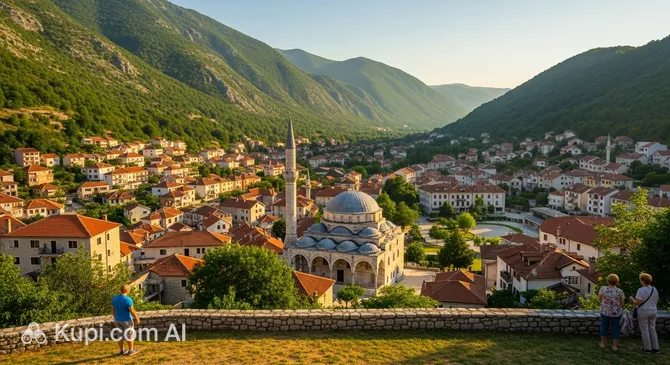
Pljevlja. Illustration.
Source: Kupi.com AI

The city's main feature is the surprisingly harmonious coexistence of Islamic and Christian architecture. The jewel of the city is the elegant 16th-century Husein-paša Mosque, featuring one of the tallest minarets in the Balkans. Right nearby, in a cozy park, sits the medieval Orthodox Monastery of the Holy Trinity, famous for its unique frescoes and extensive library.

Pljevlja is worth visiting to experience the true spirit of the north, taste local delicacies like the famous Pljevlja cheese, and enjoy the beauty of the Tara River Canyon, which is located nearby. This destination is perfect for those seeking new experiences and a deep immersion into culture.

Weather Overview

The climate in this region can be described as moderate continental with a noticeable influence from the mountainous terrain. Summers here are mild and comfortable, without exhausting heat: in July and August, the average temperature is about 19°C, and daytime highs usually stay around 24–25°C, which is ideal for walking.

Winter brings coolness and snow, creating picturesque landscapes. The coldest month is traditionally January, with an average of -1.7°C, while at night temperatures can drop to -6°C. Before your trip, we recommend checking the current weather in Pljevlja to choose the right clothing, especially if you plan a visit during the colder months.

The nature of precipitation changes depending on the season. Spring, especially May, can be quite wet (up to 19 days with precipitation), while October often pleases with dry days (only about 8 rainy days). Overall, expect a moderately warm summer with occasional refreshing rains and fairly cold winters.

Average monthly temperature

Average monthly precipitation

Interesting Facts

In addition to its main attractions, Pljevlja holds many fascinating secrets and historical mysteries that make this city unique on the map of the Balkans.

  • A Global Glass Rarity. The local heritage museum houses a genuine archaeological sensation — the diatreta. This is a luxurious 4th-century Roman cage cup surrounded by an intricate glass lattice. Only a few fully preserved examples of this caliber are known worldwide, and the Pljevlja vase is considered one of the most beautiful.

  • Gastronomic Triumph. The famous Pljevlja cheese is not just a local snack but an officially protected brand. This soft white cheese has repeatedly appeared in rankings of the world's best cheeses according to gastronomic guides, placing in the top ten and outperforming many famous European varieties.

  • The Golden Quran. The library of the Husein-paša Mosque carefully preserves a unique manuscript of the Quran dating back to the 16th century. This work of art, featuring elegant calligraphy and decorated with gold and bright colors, is considered one of the most valuable Islamic manuscripts in the region.

  • The Mystery of the Name "Municipium S." In the suburbs of Pljevlja, in the village of Komini, lie the ruins of a large Roman city. Surprisingly, historians still do not know its full name for certain — only the first letter has survived in documents and on stones, which is why in scientific circles it is known by the mysterious name Municipium S.

How to Get There

Pljevlja is located in the northern part of Montenegro, away from the coast, so a trip here is most often combined with a flight to one of the major air hubs in neighboring cities or countries. You can find all ways to get to the city on a separate page, and below we will look at the most popular routes.

There is no airport in the city of Pljevlja itself, but its convenient location near the borders allows for several flight options. The nearest major hub is Sarajevo International Airport (IATA: SJJ), located in Sarajevo (Bosnia and Herzegovina). It is approximately 98 km from Pljevlja. The journey by taxi or transfer takes about 2 hours and 45 minutes, although you should take into account the time needed to cross the state border.

For those traveling within the country, the main option remains Podgorica Airport (IATA: TGD). It is located in the capital of Montenegro, Podgorica, at a distance of about 111 km. The route from here goes through picturesque mountain roads and takes approximately 3 hours. Tivat Airport (TIV) on the coast (118 km) is also popular, as it is often used by tourists wishing to combine a beach holiday with a trip to the mountains; the journey takes just over 3 hours.

For clarity, here is a summary of the main airports:

AirportPassenger trafficDistance
Sarajevo International Airport1.8 mln98 km
Podgorica Airport1.8 mln111 km
Kraljevo13 862112 km
Tivat Airport1.1 mln118 km
Mostar Airport20 539123 km

Direct passenger rail service to Pljevlja is currently not available. The nearest major railway stations are in the cities of Bijelo Polje and Mojkovac (on the Belgrade–Bar line). From there, you can reach Pljevlja by scheduled bus or taxi. The bus network in the region is quite well-developed, connecting the city both with other regions of Montenegro and with neighboring Serbia.

Main Attractions

Pljevlja is a city with a rich past, where history literally lies beneath your feet, and architectural masterpieces from different eras and religions stand side by side. A walk through the city allows you to take a journey through time: from antiquity through the Ottoman period to the present day.

The undisputed landmark of the center is the Husein-paša Mosque — one of the most beautiful monuments of Islamic architecture in the Balkans. Built in the 16th century from hewn stone, it impresses with its harmonious proportions and elegant 42-meter minaret. The interior of the mosque is striking in its wealth of ornaments and colors, and of particular interest is a luxurious carpet ordered specifically for the mosque from Egyptian masters several centuries ago. A unique manuscript of the Quran with gilded miniatures is also kept here.

Just a few minutes' walk away, in a picturesque setting at the foot of a hill, is the Orthodox Monastery of the Holy Trinity. Founded in the Middle Ages, it served as a center of spirituality and enlightenment for centuries. The monastery is famous for its treasury, which houses rare manuscript books, icons, and objects made of precious metals. Special attention should be paid to the ancient frescoes decorating the walls of the monastery church, which are perfectly preserved and allow visitors to appreciate the skill of medieval painters.

To learn about the ancient history of the region, be sure to visit the Heritage Museum Pljevlja. The main exhibit here is the famous diatreta, a Roman glass cage cup found during excavations of the ancient city of Municipium S near Pljevlja. This is a rare artifact of global significance. The museum itself is modern and interactive, making the dive into the past engaging even for young travelers.

After a rich cultural program, the best place to relax is Vodice Park. This is a true green oasis within the city, through which the fast-flowing Breznica River runs. The park is considered one of the most beautiful in the country, featuring walking paths, artificial ponds, and relaxation areas. The sound of water, an old water mill, and the fresh mountain air create the perfect atmosphere for leisurely strolls and picnics.

Local Cuisine

The gastronomic scene in Pljevlja is a true mirror of the rugged but generous mountain north. Local cuisine is characterized by its heartiness, simplicity, and the exceptional quality of ingredients raised on ecologically clean pastures. There is no pursuit of complex presentation here; instead, people prefer to put their soul into the cooking process, preserving centuries-old ancestral recipes.

The main culinary symbol of the region is undoubtedly the famous Pljevlja cheese (Pljevaljski sir). This soft white cheese, traditionally aged in wooden barrels, has a unique salty taste and a delicate texture. It is served at almost every meal: as a standalone appetizer, as part of meat platters, or as a side to hot dishes. Trying it is a must for any tourist.

The foundation of the hot menu is meat, and they know how to prepare it here. The signature dish of local restaurants is lamb, slow-cooked in milk or roasted "under the sač" (under a metal lid covered with hot coals). This method makes the meat incredibly tender, so it literally melts in your mouth. You should also order traditional mountain dishes — kačamak (a hearty porridge made from cornflour with potatoes and cheese) or cicvara, which are perfect for restoring energy after a mountain hike.

For those who love baked goods, the city offers magnificent homemade pies — pitas. In the morning, locals often visit bakeries for hot burek with meat or zeljanica (a pie with spinach and cheese). The perfect accompaniment to such a meal is thick and refreshing sour milk (kiselo mlijeko), prepared here using ancient methods.

Among drinks, homemade rakija remains the queen of the table, most often plum (šljivovica) or pear. This is a strong alcoholic beverage traditionally offered to guests as a sign of respect. Those who prefer non-alcoholic options will enjoy natural juices made from wild berries — blueberries, raspberries, or cornelian cherries gathered in the nearby forests.

Dining culture in Pljevlja is free of haste. Locals prefer leisurely meals in cozy national restaurants — "konobas" or kafanas — where soulful conversation is just as important as the food. Here you will be greeted with genuine Balkan hospitality, and the portions are generally very generous.

Travel Tips

Welcome to Pljevlja! To ensure your trip to the north of Montenegro is as comfortable as possible and leaves only pleasant memories, we have prepared a list of useful recommendations. This city differs from coastal resorts in its climate, pace of life, and traditions, so a few practical tips will help you better prepare for your trip.

  1. Clothing and Seasonality. The climate in Pljevlja is mountainous and can be unpredictable. Even if you are visiting in the summer, be sure to bring a warm sweater or windbreaker for cool evenings — temperature fluctuations are more noticeable here than at the sea. In winter, full warm clothing and waterproof footwear are necessary. When visiting religious sites (the Husein-paša Mosque and the monastery), observe a modest dress code: shoulders and knees should be covered.

  2. Transport and Navigation. The city center is compact and is best explored on foot. There is practically no public transport in the form of city buses, but taxi services work excellently — city trips are very cheap. Apps like Uber may not be available, so it's better to ask your hotel or restaurant to call a car for you. For trips to the surrounding areas (such as the Tara Canyon), renting a car is the most convenient option.

  3. Finance and Payments. The official currency is the Euro. In large supermarkets and hotels, cards are accepted without problems, but in small shops, bakeries ("pekaras"), and souvenir stalls, cash is preferred. There are ATMs in the city center, but it's better to break large bills in advance, as change for 50 or 100 euros might not be available everywhere.

  4. Health and Water. Pljevlja is a safe city, but keep environmental factors in mind: in winter, due to coal heating and the local terrain, the city can experience smog. People with sensitive respiratory tracts should consider this when planning winter visits. Tap water is not recommended for drinking; it's better to buy bottled water in stores.

  5. Communication and Language. Locals speak Montenegrin, which is intelligible to speakers of Serbian, Croatian, and Bosnian. English is less common here than on the coast, especially among the older generation. Learning a few basic phrases ("Hvala" — thank you, "Dobar dan" — good day) will go a long way with the locals. A SIM card with internet can be purchased at any newsstand.

  6. Local Etiquette. Northerners are known for their hospitality, but they are more reserved than coastal residents. It is customary to say hello when entering a shop or cafe. Life here flows at the pace of "polako" (slowly), so don't rush waiters or show impatience in lines — relax and enjoy the moment.

  7. What to Avoid. Do not categorically refuse a treat if you are invited into a home or offered homemade rakija or cheese — it might be taken as a sign of disrespect. Also, try to avoid discussions on sensitive political topics or the events of the 90s; it's better to discuss the beauty of nature, sports, or local cuisine.

  8. Tip for Foodies. If you want to buy the famous Pljevlja cheese to take with you, head to the city market (Pijaca) in the first half of the day. There you can taste the product before buying and bargain with the farmers. The cheese travels well if you ask the vendor to pack it in a plastic container with brine.

Pljevlja is a city with a soul that reveals itself to those ready to step off the beaten tourist path. By following these simple tips, you can easily blend into the local way of life, avoid minor inconveniences, and fully experience the authentic atmosphere of the Montenegrin north.

Entertainment & Nightlife

Nightlife in Pljevlja is significantly different from the noisy parties on the coast of Montenegro. You won't find massive nightclubs with world-famous DJs or beach discos that last until dawn here. Instead, the city offers a cozy, "homely" atmosphere where the focus is on socializing, good music, and Balkan hospitality. Most activity is concentrated in the city center, and an evening out is more of a ritual for meeting friends than an unrestrained rave.

The epicenter of evening life is the main pedestrian zone — King Peter Street (Ulica Kralja Petra I) and the adjacent central square. This is where the traditional evening promenade, which locals call "korzo," takes place. At dusk, the street fills with people of all ages strolling leisurely, showing off their outfits, and stopping by the many cafe-bars along the sidewalks. In summer, the terraces of these establishments are packed, and finding a free table can be a challenge.

The format of establishments in Pljevlja is predominantly cafe-bars, which operate as coffee shops during the day and turn into lively pubs in the evening. The background music varies from modern pop and rock to the "turbo-folk" popular in the Balkans. If you want to feel the local flavor, it's worth visiting the Milet Bašta restaurant. Located in the park of the same name, it is a cult spot for city residents. In the evenings, live music often plays here, and the atmosphere is perfect for long meals in the fresh air.

Another point of attraction is the restaurant at the Hotel Pljevlja in the very center of the city. This is a classic establishment that often hosts celebrations and themed evenings. For younger crowds, several bars in the alleys off the main street offer louder music and fun that lasts deep into the night. The crowd here is very open and friendly, and the dress code in most places is casual, although locals enjoy dressing stylishly and neatly for an evening out.

Prices in Pljevlja's venues will pleasantly surprise tourists: they are noticeably lower than in Budva or Kotor. A glass of beer or wine is quite inexpensive. The city is very compact and safe, so you can move between bars on foot. Even at night, walking through the well-lit center is perfectly safe. If you stay out late or your hotel is on the outskirts, you can call a taxi by phone or ask a bartender — cars arrive quickly, and a ride across town costs just a few euros.

As for daytime entertainment, the city's cultural life is centered around the House of Culture (Dom Kulture). This is a modern center housing a theater, the city library, and exhibition halls. Performances, concerts, and art exhibitions are held here regularly. History buffs should visit the local museums to dive deeper into the region's past before heading out to enjoy the city's evening lights.

Parks & Museums

Despite its reputation as an industrial center, Pljevlja surprises guests with its cozy green spaces and rich museum collections. The city harmoniously combines the natural beauty of the mountain valley with a deep respect for historical heritage, offering tourists places for quiet relaxation and intellectual enrichment.

The city's main natural treasure is Vodice Park. This is not just a square but a true landscape complex spread around the sources of the Breznica River. Tourists love this place for the incredible freshness even on hot summer days, provided by numerous streams, cascades, and artificial ponds. There are neat walking paths surrounded by lush greenery, sports fields, and picnic areas. A stroll through Vodice allows you to see an old water mill, which adds pastoral charm to the landscape.

Another iconic place for walks is Milet Bašta — one of the oldest public gardens in the region, established during the Ottoman period. Today, it is a well-maintained park area with a restaurant and a summer stage where cultural events are often held. Tall trees provide pleasant shade, and the historical atmosphere makes it an ideal spot to have a coffee and enjoy the silence in the heart of the city.

The cultural life of the region is led by the Heritage Museum Pljevlja, located in the House of Culture building. While its most famous exhibit is the renowned Roman diatreta, the museum's collection is much broader. It features rich ethnographic collections: traditional costumes, household items, jewelry, and tools that tell the story of the peoples who inhabited these lands for centuries. The archaeological department also displays finds from Illyrian burial mounds and Roman necropolises, making the museum a must-visit for history enthusiasts.

Of particular interest is the Treasury of the Monastery of the Holy Trinity. Although it is an active religious site, its library and sacristy function as a unique museum of sacred art. It houses rare manuscripts dating from the 12th to 14th centuries, Cretan school icons, and silver items crafted by local master jewelers. This place allows you to touch the spiritual heritage carefully preserved by monks over the centuries.

History buffs should also note the archaeological park in Komini, which contains the ruins of the ancient city of Municipium S. This is an open-air archaeological site located just a few kilometers from the center. Here you can see the remains of Roman structures and tombstones that testify to the importance of this settlement during the Roman Empire.

Insider Tip: When walking through Vodice Park, be sure to go all the way to the source of the Breznica River. Locals claim the water here is exceptionally pure and tasty, and many people come specifically to collect it. It's a great way to refresh yourself after excursions and feel at one with the nature of the north.

Getting Around

The public transport system in Pljevlja is very simple and matches the size of this small but cozy city. Since the historical center and main attractions are located compactly, most tourists prefer to get around on foot. This is the best way to feel the city's atmosphere while strolling along King Peter Street and the surrounding parks. There is no metro, tram, or trolleybus here, and the city's pace of life doesn't require complex transport infrastructure.

The main form of motorized transport within the city is the taxi. This is the most convenient, fast, and inexpensive way to get from one point to another if you are tired or if the weather turns bad. Several official taxi services operate in Pljevlja. The cars are usually equipped with meters, and a trip within the city limits will cost a very modest amount, often not exceeding a couple of euros. It is important to remember that international apps like Uber or Bolt do not function here. It's best to call a car by phone (many dispatchers use Viber) or find one at designated taxi stands in the center.

Bus service is mainly focused on intercity and suburban travel. City bus routes exist, but they connect the center with distant settlements and villages in the municipality rather than circulating through tourist streets. The main transport hub is the Bus Station (Autobuska stanica), where departures to other regions and neighboring Serbia take place. The suburban bus schedule can change, so it's best to check it directly at the station ticket office or with locals.

When it comes to paying for fare, cash is king. Only euros are accepted in taxis and buses. It is highly recommended to carry small bills (5, 10 euros) and coins, as drivers, especially in the early morning or late evening, may not have change for large banknotes. There are no complex systems with transport cards, validators, or mobile payment apps in the city — payment is made personally to the driver or conductor.

For those who want to explore the picturesque surroundings, the Tara Canyon, or the mountain plateaus, renting a car is the best solution. In the city itself, the choice of rental companies may be limited, so tourists often arrive in rental cars from Podgorica or the coast. The parking situation in Pljevlja is easier than in resort areas: there are marked paid parking zones in the center (payment is usually via SMS from a local number or with parking tickets from kiosks), and a bit further from the main streets, free spots can be found.

The bicycle as a form of transport is gaining popularity, but more as a means for active recreation and rides through Vodice Park than for business trips. Specialized bike-sharing services with automatic stations are not yet available in the city, but during the summer season, you can find bike rental points at tourist organizations or some hotels. Given the terrain, a bike ride may require a certain level of physical fitness.

Accommodation

Accommodation options in Pljevlja reflect the city's non-touristy, authentic character. Here you won't find the luxury five-star resorts or global chain giants typical of coastal Montenegro. The hotel stock consists primarily of classic city hotels with 3-4 star ratings, small family guesthouses, and private apartments. The main advantage of local accommodation is sincere hospitality and very affordable prices.

The most convenient area to stay is the city center. By staying here, you will be within walking distance of the main attractions — the Husein-paša Mosque and the Monastery of the Holy Trinity — and you can enjoy evening strolls along King Peter Street without needing to call a taxi. Hotels in the center often have their own parking lots, which is important for car travelers.

Among the well-known hotels, several key properties stand out. Hotel Pljevlja is a true city legend located in the heart of the town. The building, which retains architectural features from the last century, offers renovated rooms and a well-known restaurant serving national cuisine. Another popular option is Hotel Gold, which positions itself as a more modern and comfortable place with elegant interiors. Also present in the city is Hotel Franca, part of a well-known Montenegrin chain that guarantees a consistent standard of quality and service.

In addition to hotels, the private housing sector ("stan na dan" or daily rentals) is widely developed in Pljevlja. Locals rent out cozy apartments and rooms, which can often be more economical and provide a more personal experience for those who want to immerse themselves in local life. For nature lovers, small ethno-villages and guesthouses offering quiet retreats in the mountains are beginning to appear in the outskirts of the city.

Booking Tip: Pljevlja rarely experiences the overbooking issues typical of seaside resorts, so you can often find accommodation even a few days before arrival. However, if your trip coincides with major local holidays or festivals, it's better to book in advance. Popular online platforms work well for hotels, but for private apartments, it is sometimes more effective to look for contacts directly or ask for recommendations locally.

The price range here can be described as budget and mid-range. The cost of a night in a good hotel will be significantly lower than in Budva or Kotor. Note that private guesthouses often prefer cash payments, while larger hotels accept bank cards without any issues.

Nearby Cities

For those who want to expand their travel geography, Pljevlja serves as a convenient starting point for exploring other interesting locations in the region. The city's location allows for easy day trips, revealing the diversity of the Montenegrin north and the central part of the country.

The closest city, about 48 kilometers away, is Bijelo Polje. The road there passes through picturesque mountain passes. This city in the Lim River valley is known for its peaceful atmosphere and the Church of St. Peter and Paul, where the famous Miroslav Gospel was created. It is an excellent choice for a short excursion to see provincial life in Montenegro.

If you are willing to drive a bit further (about 72 km), it is worth visiting Nikšić — the country's second-largest city and an important industrial center. Tourists are drawn here not only by the factories but also by the historical Bedem Fortress and the magnificent artificial lakes Krupac and Slano, which become popular recreation areas in the summer.

For a longer trip, you can head to the nation's capital, Podgorica, located about 100 kilometers away. It is a dynamic administrative center where modern neighborhoods and shopping malls stand alongside the ruins of ancient Doclea and the old Turkish town. A trip here will let you feel the contrast between the measured mountain lifestyle of Pljevlja and the rhythm of capital city life.

CityPopulationDistance
Prijepolje37 05924 km
Priboj27 00027 km
Zabljak1 93729 km
Nova Varos10 00039 km
Gorazde12 51246 km

These routes allow you to see how diverse the nature and architecture of Montenegro can be, even over relatively short distances.

Shopping & Souvenirs

Shopping in Pljevlja can hardly be called a typical tourist activity, as the city sits away from the main commercial routes. You won't find high-fashion boutiques or giant outlets typical of world capitals here. However, this very feature makes the shopping process truly authentic: it's an opportunity to immerse yourself in the daily life of the Montenegrin north, chat with locals, and buy goods created with heart and skill rather than on a conveyor belt.

The main commercial life of the city is concentrated along the main pedestrian zone — King Peter I Street (Ulica Kralja Petra I) and the adjacent side streets. Walking here, you can find many small shops offering clothes, shoes, sporting goods, and accessories. The selection is primarily aimed at local residents, so prices are very reasonable, and the quality of items is often quite good, especially when it comes to knitwear or leather goods from neighboring countries.

There are no major shopping and entertainment centers in the usual sense in Pljevlja. The roles of main retail points are filled by large supermarket chains and small department stores scattered throughout the central part of the city. In them, you can buy everything you need: from food and cosmetics to household chemicals and home goods. These are convenient places to restock if you are traveling by car or planning a picnic in nature.

The true heart of local trade is the City Market (Gradska Pijaca). This place is a must-visit, even if you don't plan to buy anything. The market bustles with life from early morning: farmers from nearby villages bring fresh vegetables, fruits, farm eggs, honey, and meat delicacies. A special atmosphere prevails here on market days when the selection of goods is at its peak and the local flavor is most vibrant.

When it comes to souvenirs, you should bring gastronomic treasures from Pljevlja rather than magnets. The region's main brand is the famous Pljevlja cheese. Buy it at the market, asking the vendor to pack it in brine for transport. Also, look for items made of natural sheep's wool: handmade warm socks, vests, and hats make excellent gifts and will keep you warm on cold evenings. Connoisseurs of strong drinks will enjoy homemade rakija (plum or pear), while those with a sweet tooth will appreciate mountain honey.

When planning your shopping, take note of the operating hours. Most non-food stores are open from 9:00 AM to 8:00 PM or 9:00 PM, with a lunch break in some private shops. It is important to remember that the country has a law regarding non-working Sundays: on this day, all shops and supermarkets are closed, with only pharmacies, bakeries, and gas stations operating. As for payment, supermarkets and boutiques accept cards without problems, but for visits to the market or small kiosks, be sure to have cash euros with you.

The Tax-Free system exists in Montenegro and applies to purchases over 50 euros on a single receipt. However, in Pljevlja, finding shops that issue the necessary documents can be difficult, as the city is not oriented toward mass shopping tourism. If you plan to make a major purchase of electronics or brand-name items, it's best to check for a "Tax-Free" sticker at the store entrance beforehand.
Reached the end of the page?

That means the route is fully explored