Support

Gusinje

About

Gusinje is a picturesque and cozy town tucked away in a valley at the foot of the majestic Prokletije mountain range. This place attracts travelers with its pristine nature, calm rhythm of life, and authentic atmosphere, allowing for a true escape from the bustle of the city and the noise of metropolises.

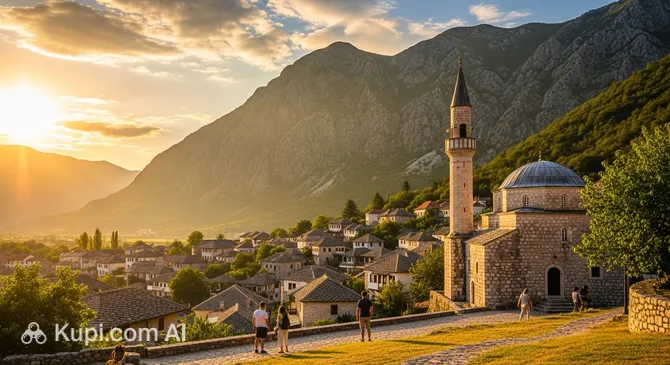
Gusinje. Illustration.
Source: Kupi.com AI

Geographically, the town is located in the northeast of Montenegro, in close proximity to the border with Albania. Although the population is small — only about 1,700 people — Gusinje is an important center for mountain tourism and eco-travel enthusiasts. The climate here is moderate continental, transitioning into mountain climate, which guarantees fresh, mild summers and snowy winters.

The unique architecture and cultural traditions of the region have been shaped over centuries. The rich history of Gusinje is reflected in its preserved monuments, most notably the ancient Vizier's Mosque and traditional Balkan houses. A walk through the town's streets will allow you to immerse yourself in the past and feel the unique flavor where East meets West.

The main treasures of these parts are its natural attractions. Tourists come here to see the famous Ali Pasha Springs, where crystal-clear water gushes from the ground through dozens of springs, and the impressive Grlja Waterfall, which disappears into a deep canyon. Additionally, the town serves as an excellent starting point for hiking in the Prokletije National Park, offering routes for both beginners and experienced climbers.

If you are looking for a place where you can enjoy silence, the purest mountain air, and breathtaking panoramas, Gusinje will be the ideal choice for your next journey.

Weather Overview

The climate of this region is largely determined by its location in a mountain valley, so freshness and coolness prevail here even in the middle of the calendar summer. When planning your trip, keep in mind that the weather in Gusinje can be quite changeable and humid.

Winters here are truly cold: in January, the average temperature is around -2.0°C, and at night, the thermometer often drops to -5°C or lower. Summer is mild and comfortable, without exhausting heat. In the warmest months, July and August, the average temperature stays around +18°C, and daytime maximums rarely exceed +23... +24°C, creating excellent conditions for hiking.

Precipitation is distributed unevenly throughout the year, but rain is a frequent occurrence. May is considered the "wettest" month, with up to 21 rainy days recorded, while October is relatively dry (about 9 days with precipitation). Expect moderately warm summers with occasional rain and cold winters requiring warm clothing.

Average monthly temperature

Average monthly precipitation

Interesting Facts

Beyond its main natural beauties, Gusinje holds many fascinating secrets and historical details that often escape the attention of regular tourists. This secluded corner hides a rich heritage that turns a simple trip into a true exploration.

  • Former Trading Metropolis. Today it is hard to believe, but in the past, Gusinje was one of the key trade hubs in the Balkans. The town was located on a strategically important caravan route connecting Kotor and Istanbul. During its heyday, there were several hundred craft workshops and shops here, and the settlement rivaled the region's major cities in importance.

  • Unique Hydrology of the Springs. The famous Ali Pasha Springs are amazing not only for their scenery but also for the physics of the process. The water here does not gush from a single point but breaks through the ground in several dozen places simultaneously over an area of about 300 square meters. Remarkably, the water temperature remains constant year-round, staying around +5°C, regardless of how hot a summer Montenegro experiences.

  • The Invisible River. The Grlja River, which forms a powerful waterfall at the entrance to the canyon, is known for its mysterious "disappearance." After falling from height, the turbulent stream rushes into a narrow crevice and literally hides underground, becoming invisible to the observer, only to resurface far below in the valley.

  • The Vizier's Legacy. The Vizier's Mosque, dating back to 1765, is the oldest preserved architectural monument in the town. It was built by order of Kara Mahmud Bushatli, the Pasha of Shkodër. This building has survived many historical upheavals and still retains its authentic Ottoman era appearance.

How to Get There

A journey to Gusinje is an opportunity to enjoy the picturesque roads of the Balkans, as the town is located in a remote mountainous area without its own railway station or airport. The main flow of tourists arrives here through major transport hubs located in the central part of the country or in neighboring states.

The most convenient option for arrival is Podgorica Airport, which is approximately 53 km in a straight line from the town. This is the main aviation hub where most international flights land. If you plan to combine a mountain trip with a coastal vacation, you can choose Tivat Airport (about 93 km), although the path from there will take longer due to the need to cross the coastal mountain range.

Given Gusinje's border location, airports in neighboring countries can be reasonable alternatives. Travelers often choose Tirana International Airport in Albania or Pristina International Airport. The small Kukës Zayed Airport is also relatively close. When choosing these routes, be sure to consider border crossing rules and the need for appropriate visas or documents.

The final stretch of the journey to Gusinje is best completed by rented car. The roads here are very scenic: the route from Podgorica passes through the impressive Morača River canyon or via the new section of the highway and mountain passes. There is also a regular bus service to major cities, making the trip accessible even without personal transport.

Main Attractions

Gusinje is a true treasure trove for lovers of untouched nature and mountain landscapes. Although the town is small, the concentration of picturesque spots in its surroundings is staggering. The main points of interest here are connected to water and mountains, which is unsurprising for a region situated at the foot of the Prokletije massif.

Grebaje Valley is perhaps the most impressive natural attraction in the vicinity. This narrow glacial valley is surrounded by the sheer cliffs of the Karanfili mountain range, often referred to as the "Montenegrin Alps." Tourists come here for breathtaking panoramas, picnics in alpine meadows, and the opportunity to climb one of the peaks. Even if you don't plan on difficult hiking, a walk through the valley will provide you with some of the best views Montenegro is famous for.

Ali Pasha Springs remain the town's hallmark. This is a place where water bursts from the ground over a vast area, forming crystal-clear streams. People come here not only for beautiful photos but also to feel a special energy. In August, on St. Elias Day, traditional folk festivals are held here, gathering thousands of people from all over the world. The surrounding area is well-maintained with paths and rest areas, making the springs an ideal spot for a peaceful walk.

Oko Skakavice (Savino Oko) is another miracle of nature hidden in the Ropojana Valley. This is a karst spring of incredible turquoise-blue color, with water so transparent that it seems the bottom is very close, even though the depth reaches several meters. The path to the spring goes through a picturesque forest, and the icy water serves as a great way to refresh oneself on a hot summer day. This place is often called the "Blue Eye" of Prokletije.

History buffs should pay attention to the Vizier's Mosque, located in the town center. This is the oldest sacred building in Gusinje, built in the 18th century, and stands out for its architectural modesty and grace. Its wooden minaret and stone walls preserve the memory of the Ottoman Empire era, creating a unique historical backdrop for the modern town.

Local Cuisine

Gusinje's gastronomic map is inextricably linked to the region's geography and traditions. Here, at the crossroads of cultures and at the foot of high mountains, a cuisine has formed that is characterized by heartiness, natural products, and simple preparation. Local dishes are designed to give energy to shepherds and travelers, so the diet is based on meat, dairy products, and dough. Traveling to this corner hidden by Montenegro, prepare for simple but incredibly tasty food made from eco-friendly ingredients.

The main culinary symbol of the region is considered to be flija. This is a unique layered dish resembling a pie or a stack of very thin pancakes spread with cream or kaymak. The process of its preparation is a true ritual: flija is baked for several hours under a special metal lid (sach) covered with coals. You should also definitely try kachamak — a thick porridge made of potatoes and cornmeal, generously seasoned with melted cheese and kaymak. This dish is so filling that it is often ordered for two to share.

Meat delicacies are also highly regarded here. The menus of local establishments often feature lamb under the sach — the meat is slow-cooked in its own juices for a long time, becoming incredibly tender. Don't miss the chance to try local cheeses, especially the famous cheese from Plav and Gusinje, which is distinguished by its salty taste and dense texture. It perfectly complements appetizers made of cured meat (prosciutto) and homemade bread.

As for drinks, Gusinje is famous for its traditions preserved since the Ottoman era. Here you can try boza — a thick, sweet-and-sour fermented drink made from corn or wheat, which is very refreshing on a summer day. Among alcoholic beverages, homemade rakia (fruit brandy) remains the queen of the table, most often made here from plums or apples. Non-alcoholic drinkers will be offered mountain herbal teas and natural juices made from wild blueberries, which are abundant on the slopes of Prokletije.

The food culture in the town is devoid of pretension: there are no expensive fine-dining restaurants, but there are many cozy family taverns called "konoba." Locals and tourists prefer to dine in the fresh air. Restaurants located by the water, for example, near the Ali Pasha Springs, are especially popular. The sound of mountain streams and the view of majestic peaks create a unique atmosphere, turning an ordinary lunch into a memorable event.

Travel Tips

Gusinje is not just a point on the map, but a true gateway to the world of wild nature; therefore, preparing for a trip here requires knowledge of some local nuances. To ensure your introduction to this mountain region is as comfortable as possible and free of surprises, we have gathered the most important practical recommendations for you.

  1. Clothing and Equipment. Even if you are traveling in the middle of summer, be sure to bring a warm sweater, windbreaker, and raincoat: the weather in the mountains changes instantly, and evenings can be cool. For walking in the surroundings, comfortable trekking shoes with a non-slip sole are critical. Since there are many mosques in town, modest clothing (shoulders and knees covered) is required to visit them.
  2. Transport Specifics. The town itself is very compact and is best explored on foot. There is no internal public transport. For trips to the scenic Grebaje or Ropojana valleys, you will need a car (your own or rented) or a taxi. Apps like Uber do not work here, so negotiate with local taxi drivers in advance and confirm the price before boarding.
  3. Finances and Payment. The official currency used by Montenegro is the Euro. There are ATMs and supermarkets in Gusinje that accept cards, but in small cafés, souvenir shops, and guest houses ("konobas"), they often accept only cash. We recommend always having a supply of small bills.
  4. Health and Pharmacies. There are pharmacies in town, but they do not operate 24/7 and may be closed on Sundays. If you need specific medications, bring them with you. Given the mountainous terrain, be sure to use sunscreen (the sun in the mountains is very active) and be careful on the trails — watch your step.
  5. Connection and Internet. Wi-Fi is available in almost all cafés and hotels, but the speed may be lower than in large cities. For mobile internet, it is better to buy a local SIM card (operators One, M-Tel, or Telekom) at a newsstand or mobile shop. Many representatives of the older generation understand Russian, while with younger people and in tourist areas, it is easier to communicate in English.
  6. Local Etiquette. The residents of Gusinje are famous for their hospitality but value respect. When entering a private home or a mosque, you must remove your shoes. Greetings are often accompanied by a handshake. Do not refuse offered coffee or treats — it may be perceived as impolite.
  7. What to Avoid. It is strictly recommended not to litter in nature. Gusinje is located near the Prokletije National Park, and locals are very protective of the cleanliness of their mountains and springs. Also, avoid loud conversations and provocative behavior near religious sites during prayer.
  8. Important Nuance for Hikers. If you plan serious mountain hikes, remember that many trails pass right along the border with Albania. To legally cross the border outside of official checkpoints during trekking (for example, on the "Peaks of the Balkans" route), you must obtain a special permit from the border police in advance.

By following these simple tips, you can avoid minor troubles and focus entirely on the main thing — enjoying the majestic landscapes and unique atmosphere of this amazing corner of the Balkans. We wish you an unforgettable journey!

Entertainment & Nightlife

Gusinje is a town where the concept of "nightlife" has its own special Balkan flavor. Here, you won't find neon signs of large nightclubs, noisy discos until dawn, or glamorous lounge areas. Evening leisure in this mountain region is primarily about cozy gatherings, long conversations, and enjoying the cool air after an active day in the mountains. The atmosphere here is intimate, almost homely, allowing tourists to feel like part of the local community.

The center of evening activity is the town's main street and the square near the mosques. As dusk falls, the tradition of "korzo" — an evening promenade — comes to life. Locals and tourists stroll leisurely through the center, meeting acquaintances and discussing the news. The dress code in establishments is as democratic as possible: comfortable casual clothing or even hiking gear after a trek is perfectly appropriate. The crowd is diverse: from local elders drinking coffee to climbers from all over the world.

The primary format of establishments is café-bars and traditional restaurants. In Gusinje, it is customary to drink coffee at any time of day, even late in the evening, although local beer, wine, and rakia are always on the menu. If you want to dive into the local atmosphere, check out Caffe Bar Relax or simply grab a free table at any café you like in the center. These are great places to have a cup of Turkish coffee in an authentic setting. For a more substantial dinner and evening relaxation by the water, the Restaurant Krojet, located directly at Ali Pasha Springs, is popular. It is especially beautiful there in the evening, though it is better to get there by taxi or car.

Prices in Gusinje's establishments will pleasantly surprise even budget travelers — they are significantly lower than on the coast for which Montenegro is famous. The average check for drinks and light snacks is quite modest. Most cafés close around midnight, as the town lives in the rhythm of "early birds" who wake up early for work or hiking.

From a safety standpoint, Gusinje is one of the quietest places in the region. You can safely walk along the lit central streets at any time of the evening. However, if you decide to go to remote restaurants or are returning from natural locations, it is better to use a taxi, as street lighting may be absent on the outskirts. You can call a car by asking a waiter or hotel staff for help, as the usual apps do not work here.

As for daytime entertainment, it is mostly contemplative and educational in nature. There are no large shopping malls or amusement parks in town. The cultural program is limited to viewing ancient architecture, visiting ethnographic corners, and walking through park areas by natural springs. During the day, the town serves more as a base for preparing for adventures in the national park than as a place for classic urban leisure.

Parks & Museums

Gusinje is a town where the boundaries between museum exhibits and residential architecture, as well as between manicured parks and wild nature, are practically erased. Here, cultural heritage is harmoniously integrated into the mountain landscape, offering tourists not classic tours through halls, but a living connection with the history and ecology of the region.

The role of the main city park and the favorite resting place of locals is played by the Ali Pasha Springs. This is a unique natural area located just a kilometer and a half from the town center. Here, at the foot of the mountains, dozens of springs bubble up from the ground, forming a picturesque water network. The area around the springs is well-maintained: paths are laid out, benches and bridges are installed, making this place ideal for leisurely walks and picnics surrounded by greenery and the sound of water.

For those seeking a more large-scale immersion in nature, Prokletije National Park, with the Grebaje Valley serving as its gateway, will be a true discovery. Although it is more of a protected area than an urban park, its accessibility makes the valley a popular spot for day visits. Alpine meadows surrounded by sheer cliffs resemble a giant natural amphitheater where you can enjoy the purest air and panoramas that Montenegro is so proud of.

The most important architectural and historical monument in Gusinje is the Vizier's Mosque. Built in 1765 by Kara Mahmud Bushatli, it is an outstanding example of Ottoman architecture. It is not just an active religious site but a true symbol of the town, having preserved its original appearance through the centuries. The elegant minaret and stonework of the mosque attract lovers of antiquity, allowing them to touch the rich past of this region.

Walking through the streets of Gusinje and its surroundings, it is impossible not to notice a characteristic feature of local construction — traditional kulla houses. These stone towers, which once served as both homes and fortresses, shape the unique architectural appearance of the region. Although many of them are private property, their stern and majestic look turns the town into a kind of open-air museum. For a deeper immersion into the life of the highlanders, head to the nearby village of Vusanje, where enthusiasts carefully preserve antiques and ethnographic artifacts.

Curious travelers should also look for the old water mills on the Grlja River. Some of them are still in working order or have been restored. These are not official museums, but visiting such a mill provides a rare opportunity to see ancient technology in action and understand how people lived in this mountain region hundreds of years ago. Local residents proudly show these mechanisms, turning a visit into a true ethnographic excursion.

Getting Around

Given Gusinje's modest size and compact layout, a classic urban public transport system familiar to residents of metropolises is absent here. There is no metro, tram, trolleybus, or even regular intra-city bus routes. Most key locations, including shops, guest houses, and historical monuments, are within walking distance of each other, so walking remains the primary and most reliable way to get around the center.

The only form of public transport connecting the town to the outside world and neighboring settlements is intercity buses. The bus station (or rather, the bus stop in the center) serves as the starting point for trips to the neighboring town of Plav, as well as to larger centers like Berane or Podgorica. The schedule may change depending on the season, so it is best to check it directly on-site or with your accommodation hosts.

The fare payment system here is as simple and conservative as it gets. No transport cards, mobile apps, or validators exist in Gusinje. Tickets are purchased exclusively for cash Euros. Payment is usually accepted by the driver upon boarding or by a conductor inside the bus. Fares are very democratic, but it is important to have small bills or coins, as change for large banknotes may not be available.

For trips to remote natural attractions, such as the Grebaje Valley or the start of trekking routes, tourists often use taxi services. Keep in mind that international aggregators like Uber or Bolt do not operate here. Local taxi drivers wait for customers in the town center, near the mosques and cafés. Cars are generally not equipped with meters, so the cost of the trip must be agreed upon in advance before getting into the car. Bargaining is acceptable, but within reasonable limits.

An alternative to a taxi is a bicycle, which is ideal for exploring the picturesque surroundings. While there are no automated bike-sharing stations in town, you can rent a mountain bike at some tourist centers or guest houses. This is a great way to reach Ali Pasha Springs or ride through the valley while enjoying the views and fresh air.

If you prefer complete freedom of movement, renting a car remains the best option. However, remember that there are no offices of international rental companies in Gusinje itself. You should rent a car in advance at your arrival airport or in major cities. Having your own transport will significantly simplify access to the national park and allow you not to depend on the schedules of infrequent buses or arrangements with taxi drivers.

Accommodation

The choice of accommodation in Gusinje perfectly reflects the character of this mountain region: there are no large hotel chains or glitzy luxury resorts here. Instead, Montenegro offers tourists comfort, simplicity, and authenticity. The basis of the hotel stock consists of small family-run hotels, private apartments, and colorful ethno-villages perfectly integrated into the natural landscape.

Geographically, accommodation options can be divided into two main zones, each with its own advantages:

  • Town Center. By staying here, you will be within walking distance of shops, cafés, mosques, and the bus stop. This is a convenient strategic point for those traveling without a personal car or planning radial excursions to different parts of the national park.
  • Grebaje Valley and Surroundings. This is the choice for true romantics and nature lovers. Here, at the very foot of the mountain range, are campsites and complexes of wooden bungalows (katuns). Staying here allows you to wake up with a view of majestic cliffs and start hiking right from your doorstep.

Of special interest are eco-katuns — complexes of small wooden huts traditional to this area. They often offer basic comfort but compensate for it with the unique atmosphere of mountain life and the chance to try home-cooked food prepared by the hosts from farm products. If standard urban comfort with a private bathroom, TV, and stable Wi-Fi is important to you, it is better to opt for mini-hotels within the town limits.

The price range in Gusinje remains one of the most democratic in the region. Accommodation belongs mainly to the budget and mid-range segments. The cost of a night is significantly lower than on the coast or in popular northern tourist centers like Žabljak.

When planning a trip, consider a few important booking nuances. Despite the region's remoteness, demand for quality accommodation, especially in the picturesque Grebaje Valley, is very high during the peak summer season (July and August). It is recommended to book in advance through popular online platforms. However, keep in mind that many owners of small guest houses prefer cash payments, and card terminals may be unavailable. Also, through direct contact with hosts, you can often negotiate better terms, especially if you plan a long stay.

Nearby Cities

For those who want to explore the surroundings, Gusinje serves as an excellent starting point for day trips to several interesting nearby locations:

Podgorica — the country's capital, offering a striking contrast to the quiet atmosphere of the mountain town. Here you can walk through the historical Stara Varoš district, see the modern Millennium Bridge, and enjoy the city parks. This is an excellent choice for those who want to combine cultural leisure with visits to large shopping centers and restaurants.

Bijelo Polje — a charming town in the north, located in the Lim River valley. It attracts travelers with its historical monuments, the main one being the 12th-century Church of St. Peter and Paul. Additionally, the town's surroundings are known for their natural beauty and speleological routes, including the famous Đalovića Cave.

Budva — although the journey to the coast will take more time, this city is worth visiting for a meeting with the Adriatic Sea. A walk through the Old Town with its Venetian architecture, ancient Citadel, and narrow stone streets will provide unforgettable impressions. This is an ideal option if you want to swap mountain cool for the sea breeze for a day.

CityPopulationDistance
Plav13 80510 km
Andrijevica1 07320 km
Bajram Curri5 34030 km
Berane11 77632 km
Decan3 80338 km

These nearby destinations provide insight into the diverse culture and landscapes of the region, from dynamic capital life to the tranquility of northern valleys and the beauty of the coast.

Shopping & Souvenirs

Shopping in Gusinje has little in common with the usual trips to shopping centers or boutiques of European capitals. This is a small mountain town where the process of making purchases turns into an acquaintance with local life and gastronomic traditions. People come here not for fashionable clothes or electronics, but for unique natural products, handicrafts, and everything necessary for mountain hiking. Trade here is conducted leisurely, often accompanied by heartfelt conversations, and the assortment of shops is oriented toward the daily needs of residents and the basic needs of tourists.

Main Shopping Areas and Streets

All commercial life in Gusinje is concentrated in the compact town center. There are no designated shopping quarters or long pedestrian avenues with storefronts. Most shops are located along the main street passing through the center and around the square near the mosques. This is where you will find grocery mini-markets, bakeries ("pekara"), small hardware shops, and kiosks. A walk through this area will take no more than 15–20 minutes but will allow you to buy everything needed for a picnic or dinner.

Shopping Centers

It is important for tourists to know that in Gusinje there is a complete absence of large shopping centers, malls, or chain clothing stores of famous brands. This is a zone of traditional small-scale retail. If you need extensive shopping, electronics, or branded items, it's worth planning a trip to the larger cities that Montenegro has in abundance. The nearest options for serious purchases are the towns of Berane or the capital, Podgorica, where modern shopping complexes are available.

Markets

The heart of local trade is the Green Market. This is the place where the region's flavor is felt best. Here, local farmers bring fresh vegetables, fruits, homemade eggs, and dairy products. The market opens early in the morning, and it is best to arrive before noon while the choice of goods is at its peak. A special bustle reigns here on market days (usually Friday), when residents of neighboring mountain villages come to town to sell their surplus produce. Here you can and should bargain while interacting with the sellers.

Souvenirs

The best souvenirs from Gusinje are edible. The region is famous for its eco-friendly products, which make excellent gifts for friends and family.

  • Gusinje cheese and kaymak. Local dairy products are known nationwide for their quality. Be sure to buy the rich, slightly salty cheese or delicate kaymak.
  • Honey and bee products. The mountain flora of Prokletije allows for the collection of incredibly aromatic and healthy honey.
  • Medicinal herbs and teas. At the market, you can often find mountain herbal blends (thyme, mint, St. John's wort) hand-picked in alpine meadows.
  • Woolen products. Occasionally, you can find knitted socks, vests, or traditional caps made by local craftswomen from natural sheep's wool.

Opening Hours and Payment

Shops in Gusinje usually open early, around 07:00 or 08:00 AM, and stay open until 08:00 or 09:00 PM. In the summer season, some grocery stalls may stay open late. An important nuance concerns payment: in this region, cash is king. Bank cards are accepted only in a couple of large supermarkets in the center. In souvenir shops, the market, bakeries, and small stores, you can only pay with cash Euros. There are ATMs in the town, but it is better to take care of having change in advance.

Tax Free

Although the country has a Tax Free system for foreign tourists for purchases over 100 Euros in one receipt, it is practically impossible to use this option in Gusinje. Local shops are too small and generally do not participate in the VAT refund system. This possibility is relevant only for large purchases in shopping centers in Podgorica or on the coast.
Reached the end of the page?

That means the route is fully explored