Support

Ezeiza

About

Ezeiza is perhaps the first name a traveler hears when planning a visit to this region, as it is home to the country's main air gateway. For many, the acquaintance with such a colorful nation as Argentina begins specifically with this city. Ezeiza successfully combines the dynamic rhythm of a major transport hub with the peaceful atmosphere of a green suburb, making it an ideal place for acclimatization after a long flight.

The city is located approximately 35 kilometers southwest of the capital, Buenos Aires. With a population of about 160,000, Ezeiza is more than just a transit point; it is a self-sufficient, living organism with a developed infrastructure. A special microclimate prevails here: the streets are a mix of languages and accents from around the world, creating a sense of constant movement and the anticipation of new discoveries.
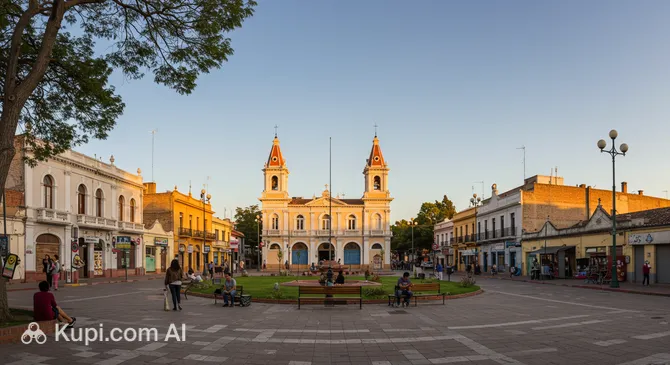
Ezeiza. Illustration.
Source: Kupi.com AI

While the city is primarily known for its airport, the history of Ezeiza and its development as an important administrative center of the Buenos Aires Province deserve special attention. Walking through the local streets, you can see how modernity sits side-by-side with a traditional way of life that isn't as affected by the tourist bustle as the metropolis.

The city's main pride is its extensive green zones and well-kept parks. It is a wonderful place for those looking to relax in the shade of century-old trees or have an outdoor picnic. Travelers should visit local shopping centers and cozy cafes to try national cuisine in an authentic setting. Ezeiza offers a great opportunity to dive into everyday Argentine life and spend time comfortably before continuing your grand journey.

Weather Overview

The climate in Ezeiza can be described as moderate and comfortable for travel most of the year. Since the city is in the Southern Hemisphere, the seasons here mirror those in Europe: the height of summer is in January, and mid-winter is in July. When planning a trip, keep in mind that the weather in Ezeiza is characterized by quite high humidity, which can make heat and cold feel a bit sharper than the instruments show.

The summer months (December to February) are truly warm here. In January, the average temperature is about 24.7°C, with daytime highs often reaching 29.8°C. This is a good time for those who love the sun, although you should be prepared for occasional rainfall. Winter, lasting from June to August, brings a noticeable freshness. In July, the coldest month, average figures drop to 10.6°C, and at night the air cools down to 6.5°C, so a warm jacket in your luggage will be absolutely necessary.

Precipitation falls regularly throughout the year, with an average of 5 to 9 rainy days per month recorded. Expect a warm, sometimes hot summer with periodic rains and a cool winter without severe frosts. Spring and autumn offer the mildest conditions with temperatures ranging from 14°C to 22°C, making the shoulder seasons an excellent choice for long walks.

Average monthly temperature

Average monthly precipitation

Interesting Facts

Beyond its status as Argentina's main aviation hub, Ezeiza holds many fascinating details that often escape the notice of transit passengers. This city wonderfully combines the dynamics of a major transport hub with the peaceful atmosphere of green oases.
  • The Country's Air Gateway. Ezeiza is known worldwide thanks to Ministro Pistarini International Airport. It is the nation's largest aviation hub, and it is here that millions of travelers take their first steps on South American soil, beginning their acquaintance with local culture and life rhythms.

  • The Region's Green Lungs. A unique natural complex—the Ezeiza Woods (Bosques de Ezeiza)—is located within the city limits. This large-scale park is considered a true oasis for residents of the metropolis, where families come to have picnics in the shade of trees or enjoy outdoor sports.

  • A City of Talents. This suburb of Buenos Aires is famous for its active cultural life and is the birthplace of many well-known figures. Footballers, musicians, and artists often note that the calm and steady atmosphere of Ezeiza served as a source of inspiration for them.

  • Gaucho Traditions. Despite modern development, the city carefully preserves the memory of its agricultural past. Ancient farm estates have survived here, where ethnotourism is actively developing: guests can learn about the life of gaucho cowboys, try traditional dishes, and master horseback riding.

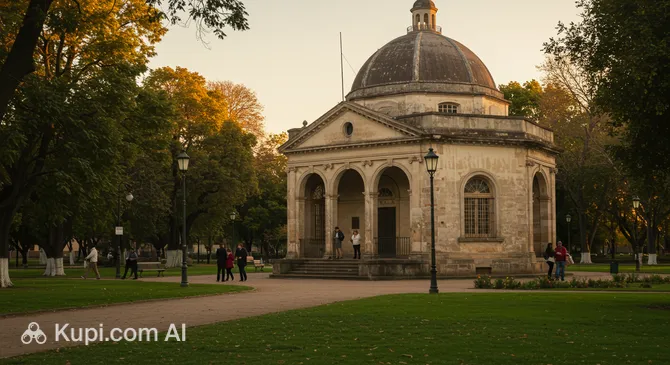
Rotunda of Women. Illustration.
Source: Kupi.com AI

Traveler photos:

How to Get There

Ezeiza is a key transport hub for the region, so getting here is easy. Most tourists arrive by plane, as the country's main air gateway is located here. If you want to know all the details and alternative routes, we recommend reading more about how to get to Ezeiza on our dedicated page.

The most convenient and logical way to reach the city is to take a flight arriving at Ezeiza Airport (IATA: EZE). This is a major international airport serving many flights from around the world. It is actually located within the municipality, just 3.7 km from Ezeiza city center. A taxi or transfer to your hotel will take very little time—approximately 15–20 minutes.

Another popular option is to fly into Jorge Newbery Airfield (IATA: AEP). It is located within the city of Buenos Aires, about 34 km from Ezeiza. This airport is often used for domestic flights and flights from neighboring countries. The trip from here to Ezeiza will take longer: expect about 1 hour and 15 minutes by taxi or shuttle bus.

For convenience, here is a summary of the main airports in the region:

AirportPassenger trafficDistance
Ministro Pistarini Airport10.3 mln4 km
Jorge Newbery Airport13.5 mln34 km
Carrasco International Airport1.8 mln228 km

As for rail connections, Ezeiza has excellent links to the capital thanks to suburban trains. The city is served by the Roca Line (Línea Roca). From the "Ezeiza" station, you can travel affordably and fairly quickly to Constitución Station in the center of Buenos Aires. This is a popular mode of transport among locals, allowing them to avoid traffic jams.

It is important to note that some directories might mention other stations in the region; however, they are often located quite far away and belong to other lines or towns in the province. For example, Bragada station is more than 180 km from Ezeiza and is not suitable for an airport transfer. Trains are usually chosen either for short trips to the capital on a commuter train or as part of a complex journey through the province.

Below is information about regional railway hubs (please note the distance):

StationPassenger trafficDistance
Bragado18 199182 km

Main Attractions

While many view Ezeiza solely as a transit point, the city and its surroundings have places that can brighten the wait for a flight or serve as a destination in their own right. Modern entertainment centers, cozy gastronomic spots, and historical monuments coexist harmoniously here, providing a better understanding of the region's culture.

One of the main attractions for locals and tourists alike is Las Toscas Shopping. This is a large shopping and entertainment complex located in the Canning district, which is de facto part of the Ezeiza metropolitan area. Here, you can not only shop at brand-name stores but also visit the cinema, dine in various restaurants, or simply stroll through modern galleries. It is an excellent place to spend time comfortably with the whole family.

Toscas Shopping. Illustration.
Source: Kupi.com AI

Traveler photos:

For those interested in history and urban architecture, the Rotonda de las Mujeres (Women's Rotunda) is worth visiting. This monument is an important cultural point on the city map, symbolizing respect and recognition of the role of women in history and society. The square around the rotunda is often a place for peaceful walks and souvenir photos of a visit to Argentina.

Nightlife and dance enthusiasts might enjoy the club Egipto Baires Sur. This popular venue attracts young people and fans of Latin American rhythms, offering a chance to dive into the atmosphere of Argentine fun. If you prefer a more relaxed evening with a drink, stop by the bar Veintidós Veintidós Craft Beer. Here, you can appreciate the local craft brewing culture and relax in an informal setting after a busy day.

Local Cuisine

The culinary life of Ezeiza is a vibrant reflection of the traditions of the Buenos Aires Province, where food is considered an important part of social culture. Meat invariably remains the foundation of the local menu. In numerous restaurants and at family picnics, the cult of asado—the famous Argentine barbecue—reigns supreme. This is a true ritual where the best cuts of beef, spicy sausages, and vegetables are slowly roasted over coals, filling the air with incredible aromas.

For a quick and delicious snack on the city streets, empanadas—traditional pastries with various fillings ranging from spiced minced meat to ham and cheese—are perfect. Another street food favorite is choripán. This is a simple but delicious sausage in a crusty bun, which locals generously season with spicy chimichurri sauce.

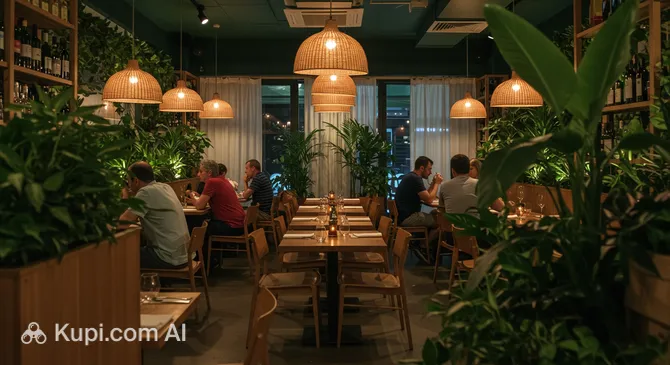
Fabric Sushi Canning. Illustration.
Source: Kupi.com AI

Traveler photos:

Despite its commitment to tradition, Ezeiza's gastronomic scene is diverse and modern. If you want to switch from a meat-based diet to something lighter or more exotic, it's worth visiting Fabric Sushi Canning, which offers fresh rolls and sushi. For lovers of a more informal setting, the bar Beernning Beers & Food is an excellent choice—here you can try craft drinks and hearty snacks in the company of friends.

Ezeiza also has a surprise for those with a sweet tooth. Don't miss the chance to try the legendary alfajores—cookies with a layer of dulce de leche caramel. For refreshing desserts, we recommend stopping by the Bears Canning Gelato cafe. It is best to end your meal with a cup of aromatic coffee or the traditional invigorating drink mate, which Argentines drink at any time of the day.

Travel Tips

Ezeiza is often the first point of contact with Argentina for many travelers, and to make this introduction go smoothly, it's worth knowing a few local nuances. We've prepared a list of practical recommendations to help you adapt quickly, save time, and avoid typical tourist mistakes in this cozy suburb.

  1. Clothing and Seasonality. Remember that the seasons here mirror the Northern Hemisphere: when it's winter for us, it's a hot summer in Ezeiza. Due to high humidity, the climate can feel heavy, so choose clothing made of natural fabrics and dress in layers. Be sure to bring comfortable shoes for long walks and a power adapter (type I), as European plugs won't work here.
  2. Transport Nuances. To get around the city and for trips to Buenos Aires, you'll need a SUBE card—a single, rechargeable pass for buses and trains. You can buy it at "Kiosco" shops. Taxi apps like Uber or Cabify work great in Ezeiza and are often a safer and more price-predictable option than hailing a car on the street.
  3. Finances and Cash. The official currency is the Argentine peso. While Visa and Mastercard are accepted in supermarkets and large restaurants, small shops and kiosks often require cash. Always carry small bills for tips and transit. It's better to exchange currency at official banks or withdraw from ATMs, avoiding street money changers for safety reasons.
  4. Health and Safety. Ezeiza is a quiet area, but basic caution applies: don't leave your belongings unattended. In the warm season (November to March), be sure to use repellents as mosquitoes can be active. Pharmacies are marked with a green cross, many are open late, and pharmacists can often help select medications for minor ailments.
  5. Communication and Language. The main language is Spanish. English is not understood everywhere, so download an offline translator or learn basic greeting phrases. For mobile internet, it's recommended to buy a local SIM card (operators Claro, Movistar, or Personal)—this can be done at service centers with your passport, which will greatly simplify city navigation.
  6. Local Etiquette. Argentines are open and tactile people. When meeting, it is customary to kiss each other on the cheek (once), even if you've barely met. Dinner in Argentina starts late, often after 9:00 PM or 10:00 PM, so don't be surprised if restaurants are empty during typical dinner hours.
  7. What to Avoid. You shouldn't display expensive gadgets, cameras, or jewelry on quiet streets, especially after dark. Also, avoid discussing sensitive political topics or comparing Argentina to neighboring countries in a negative light—locals are very patriotic and proud of their culture.
  8. Shop Operating Hours. Take the local "siesta" into account. Unlike large shopping centers, small shops and stalls in the city may close for a break from 1:00 PM to 4:00 PM or 5:00 PM. Plan your shopping for the morning or evening so you don't end up in front of a closed door.

By following these simple tips, you'll feel confident and comfortable in Ezeiza, enjoying the local flavor without unnecessary worries. May your stay here be a great start to your big Argentine adventure!

Entertainment & Nightlife

Entertainment and Nightlife:

Nightlife in Ezeiza has its own unique rhythm, distinct from the hectic center of Buenos Aires. Most of the activity shifts toward the Canning district, which borders Ezeiza. In recent years, this area has transformed into a trendy gastronomic and entertainment hub. In the evenings, the lights of restaurants, bars, and clubs turn on, attracting both local youth and travelers looking to unwind after a flight or an eventful day.

For those who want to immerse themselves in the atmosphere of an Argentine fiesta and dance, the Egipto Baires Sur club becomes a center of attraction. This is one of the most famous venues in the area, where the music doesn't stop until morning. They play popular Latin American hits, reggaeton, and cumbia. The crowd is diverse but always ready for fun. The dress code is relaxed, but sportswear may be inappropriate—locals love to dress up for a night out.

If loud discos aren't your thing, Ezeiza offers an excellent selection of venues for a quieter evening. Craft beer culture (cerveza artesanal) is incredibly popular in Argentina. A great example of such a place is the bar Veintidós Veintidós Craft Beer. This venue features a cozy interior and a relaxed atmosphere where you can taste local varieties of the beverage and chat with friends. People often come here for "previa"—traditional gatherings before heading out to the main club.

Another spot on the map for lovers of hops and good food is Beernning Beers & Food. This gastropub combines a wide selection of drinks with a hearty menu of burgers and snacks. The atmosphere is friendly and boisterous, perfect for a Friday or Saturday night. The average bill at such bars is quite affordable, and the quality of food and drinks is a pleasant surprise.

Practical tips for night owls:

  • Operating Hours: Remember that nightlife in Argentina starts late. Bars fill up closer to 11:00 PM, and it makes sense to arrive at clubs no earlier than 1:30 or 2:00 AM.
  • Safety: The Canning area and the center of Ezeiza are considered relatively safe, but it is strongly recommended to use official taxis or apps (Uber, Cabify) to move between venues or return to the hotel at night. Avoid walking alone on unlit peripheral streets.
  • Transport: Public transport runs infrequently at night, so plan your return route in advance.

As for daytime and evening entertainment before a wild night, Ezeiza's cultural program is more measured. There are no massive museum complexes here, but you can visit local cinemas in shopping malls or walk through city parks. Theater life is concentrated in small cultural centers where local troupes occasionally perform. Such a peaceful start to the evening will help you save energy before diving into the vibrant nightlife of the suburb.

Parks & Museums

Although Ezeiza is primarily known as a transport hub, this city can surprise travelers with its picturesque green zones and monuments that preserve the region's history. Here, away from the hustle and bustle of the metropolis, you can find peace in the shade of century-old trees and get acquainted with the cultural heritage that locals carefully protect.

The main natural attraction of the area is rightfully considered the Ezeiza Woods (Bosques de Ezeiza). This is a vast park area, rich in coniferous and eucalyptus trees, which serves as a true "green lung" for the entire metropolitan area. People come here to escape the city noise, walk along winding paths, or simply enjoy the silence of nature. The park is equipped with picnic areas, making it an ideal place for outdoor family relaxation before or after a flight.

Another important green zone is the waterfront and parks in the Canning district. This rapidly developing area is famous for its landscape design and well-kept alleys. It is pleasant to take evening strolls here, watching how modern architecture harmoniously blends into the natural landscape of the Argentine pampa.

In cultural terms, the city focuses less on classical museums and more on open-air monuments and iconic structures. An important symbol of the city is the Rotonda de las Mujeres (Women's Rotunda). This monument not only decorates the urban landscape but also serves as a reminder of the contribution of women to the development of society and the country's history. The architectural composition attracts attention with its elegance and often serves as a meeting place for local residents.

The city's history is inextricably linked to the railway, so the Ezeiza Railway Station building itself can be considered a kind of open-air museum. Built in the British style characteristic of early 20th-century Argentine railway architecture, it conveys the atmosphere of past years and tells of the times when this region was just beginning its development.

Insider Tip: If you find yourself in the Ezeiza Woods on a weekend, you will witness a true Argentine tradition. Local families gather here in large groups to cook asado and play football. This is the best way to see the non-touristy, authentic life of the Buenos Aires suburbs.

Getting Around

The public transport system in Ezeiza is part of the extensive transport network of Greater Buenos Aires. It is well-developed enough to ensure comfortable travel both within the city itself and for trips to the capital or neighboring areas. The basis of transportation consists of suburban trains and buses, which are called "colectivos" here.

The main transport artery for connecting with the outside world is the railway. The Roca Line (Línea Roca) passes through the city. Diesel and electric trains depart from the "Ezeiza" station, reaching Constitución station in the center of the capital in 45–60 minutes. This is the fastest and most budget-friendly way to get to the metropolis, bypassing traffic jams. Trains run from early morning until late evening, approximately every 12–20 minutes during peak hours.

The bus network in the city is very dense. "Colectivos" run around the clock, although intervals between buses increase at night. Popular routes, such as Line 306 or Line 518, connect residential areas, the railway station, the Canning district, and the international airport. Buses here have their own characteristic style and are often decorated by drivers, adding local flavor to the trip.

A single contactless card called SUBE is used to pay for travel on all types of public transport (trains and buses). It is impossible to pay with cash inside the cabin. You can purchase the card at small shops called "Kiosco" or at lottery kiosks. You can top up the balance there as well, or via special terminals at the stations. It's important to remember: you must tap the card against the validator when entering the bus (after telling the driver your destination, as the price depends on distance) and twice when traveling by train—at the turnstiles both when entering and exiting.

There is no metro (Subte) in Ezeiza itself—the underground only operates within the city of Buenos Aires. Trams and trolleybuses are also not present here. If you need to get to a place where buses don't go, the best alternatives are taxis or remis (remis). A remis is a private driver working through dispatch points; a trip with them often costs a fixed amount and is considered safer and more comfortable than hailing a taxi on the street. Popular mobile taxi apps (Uber, Cabify, DiDi) also work perfectly in the city.

Tourists should install the Moovit app on their smartphone or use Google Maps—they are well-acquainted with local routes, train schedules, and bus numbers. When planning a trip late in the evening, try to call a taxi via an app or order a remis, as waiting for a bus at deserted stops can be uncomfortable.

Accommodation

The choice of accommodation in Ezeiza is largely dictated by the city's status as the country's main aviation hub. Here, travelers can find options for every taste: from functional hotels for a quick overnight stay between flights to luxurious countryside residences for a long holiday. The real estate market here is dynamic and focused on the comfort of guests arriving from all over the world.

Accommodation Types and Neighborhoods

If your goal is to get to the terminal as quickly as possible, you should consider hotels located in the immediate vicinity of the airport or along the Ricchieri Highway (Autopista Ricchieri). These are generally mid-range to high-end hotels offering transfers and 24-hour reception desks.

For those who want to combine waiting for a flight with comfortable rest and entertainment, the Canning district is an ideal choice. This is the most modern and prestigious part of the metropolitan area. It is safe, with lots of greenery and a developed infrastructure. A good landmark is the Las Toscas Shopping mall—many apart-hotels and boutique hotels are concentrated around it. Staying here will give you access to the city's best restaurants and shops within walking distance.

Particularly popular in Ezeiza are "quintas"—country houses with large gardens and pools. This is an excellent option for families or large groups who want to experience the atmosphere of Argentine country life. Such houses are often rented by the day and are located in quiet green areas, away from highway noise.

Prices and Booking

Price ranges in Ezeiza vary from budget to high-end.

  • Budget segment: Small guesthouses and hostels, often family-run. Conditions are simple but cozy.
  • Mid-range: Standard 3-4 star hotels and apartments in the Canning district.
  • Luxury: Large chain hotels with a full range of services (spa, pools, conference rooms).

Booking Tips

When planning a trip, especially during the summer season (December–February) or during national holidays, book your accommodation in advance. Demand for good options near the airport is always high. For searches, it's best to use major international online platforms where you can read reviews. If you choose a private house ("quinta"), carefully clarify the check-in conditions and the availability of bed linen, as rules in the private sector can differ from hotel standards. Also, always check if the chosen hotel offers a free shuttle to the airport—this can help you save on taxi costs.

Nearby Cities

For those who want to explore the surroundings, Ezeiza serves as an excellent starting point for day trips to several interesting nearby places that allow you to dive deeper into the life of Buenos Aires Province.

Just a few kilometers away is Lomas de Zamora, one of the key commercial and cultural centers of the southern zone. The Las Lomitas district is particularly popular here, known for its fine restaurants, fashionable boutiques, and vibrant nightlife. It is a wonderful place to experience Argentine urban culture outside of the capital.

History and architecture lovers will find Banfield interesting. This city has preserved the charm of old England thanks to its paved streets and British-style mansions built during the era of railway development. A calm, almost European atmosphere prevails here, perfect for leisurely walks and relaxing in local cafes.

Also worth mentioning is Temperley, an important historical railway hub for the region. The city attracts visitors with its authenticity and offers a glimpse into the real daily life of Argentines. Here you can find interesting examples of colonial and railway architecture, as well as cozy parks for relaxation.

CityPopulationDistance
Esteban Echeverría109 6445 km
Carlos Spegazzini18 8209 km
Llavallol41 46311 km
Longchamps47 62212 km
Burzaco98 85912 km

These nearby destinations provide an insight into the region's diverse culture and landscapes without venturing far from the airport.

Shopping & Souvenirs

Shopping in Ezeiza has its own unique features that distinguish it from the boisterous shopping sprees in central Buenos Aires. Here, the process is more measured and often combined with entertainment or family leisure. The city doesn't claim to be a fashion capital, but thanks to its proximity to the prestigious Canning district, tourists can find excellent brand-name items, high-quality local goods, and everything necessary for travel.

The main shopping activity is concentrated not in the historical center of Ezeiza, but along Mariano Castex Avenue (Ruta 58) in the Canning district. This artery has turned into a veritable open-air shopping corridor. Here, you'll find clothing boutiques, home decor stores, and outlets of famous brands. Walking through this area is a pleasure: wide sidewalks, modern windows, and plenty of greenery create a pleasant atmosphere for shopping.

The main attraction for shopping enthusiasts is Las Toscas Shopping. This is a modern shopping and entertainment complex that meets almost all a traveler's needs. Inside, you'll find stores featuring popular Argentine and international clothing, sporting goods, bookstores, and perfumery. It's also a great place to hide from summer heat or winter chills, have a snack at the food court, or watch a movie after a successful shopping trip.

If you're interested in electronics or gadget accessories, specialized points like the Electronic Service Center can be found in the city, which often sells related products. However, for authentic local flavor, it's better to head to the local weekend fairs (ferias artesanales). They periodically pop up in the city's main squares, such as Ezeiza Square. There, local artisans sell handmade goods: jewelry, knitted items, and wooden souvenirs.

As for souvenirs from Ezeiza, you should bring back what all of Argentina is famous for. Look for natural leather products—bags, belts, and wallets here are of excellent quality and often cost less than in Europe. Be sure to buy a mate drinking set (calabash and bombilla) to take a piece of local culture with you. Those with a sweet tooth will enjoy boxes of alfajores (cookies with dulce de leche) or jars of dulce de leche jam.

When planning your shopping trip, keep the operating hours in mind. Large shopping centers like "Las Toscas" are open daily from 10:00 AM to 10:00 PM. However, small street shops often close for siesta from about 1:00 PM to 4:30 PM, resuming work closer to the evening. Many private shops may be closed on Sundays, while malls operate as usual.

Regarding payment, major stores and supermarkets easily accept Visa and Mastercard credit cards. However, in small kiosks and markets, cash pesos are preferred. Furthermore, when paying in cash ("efectivo"), sellers may sometimes offer a small discount. Foreign tourists can also take advantage of the Tax Free system (VAT refund) when purchasing national products in stores marked with the "Global Blue" logo for an amount above the established minimum. Don't forget to ask for a special receipt to present at customs at the airport before departure.

Reached the end of the page?

That means the route is fully explored